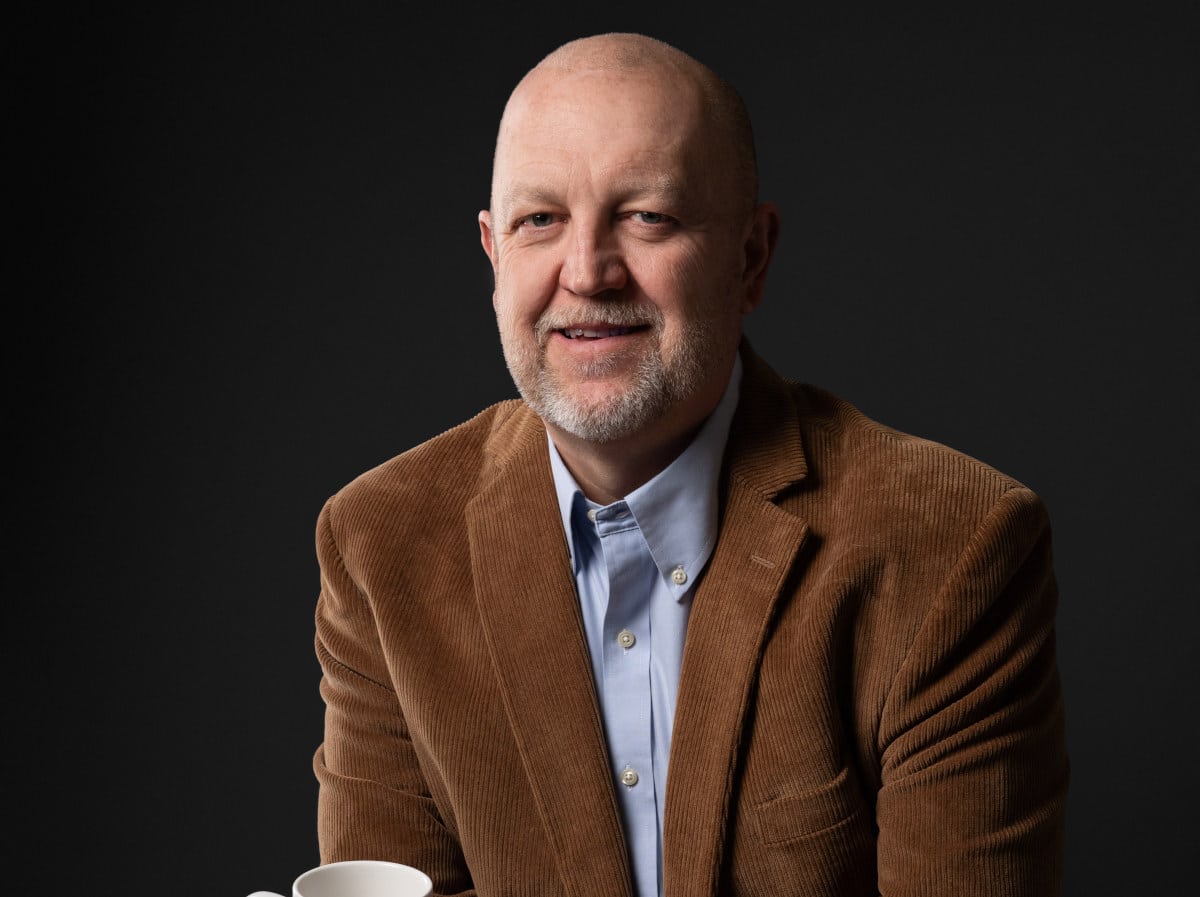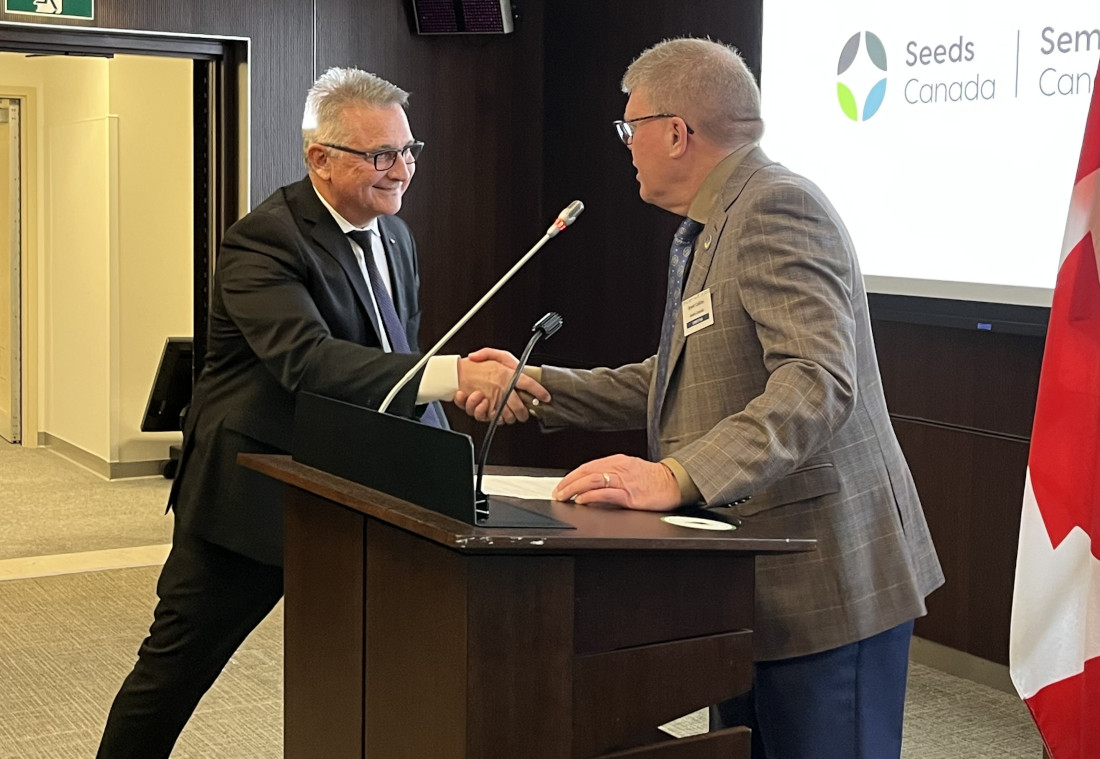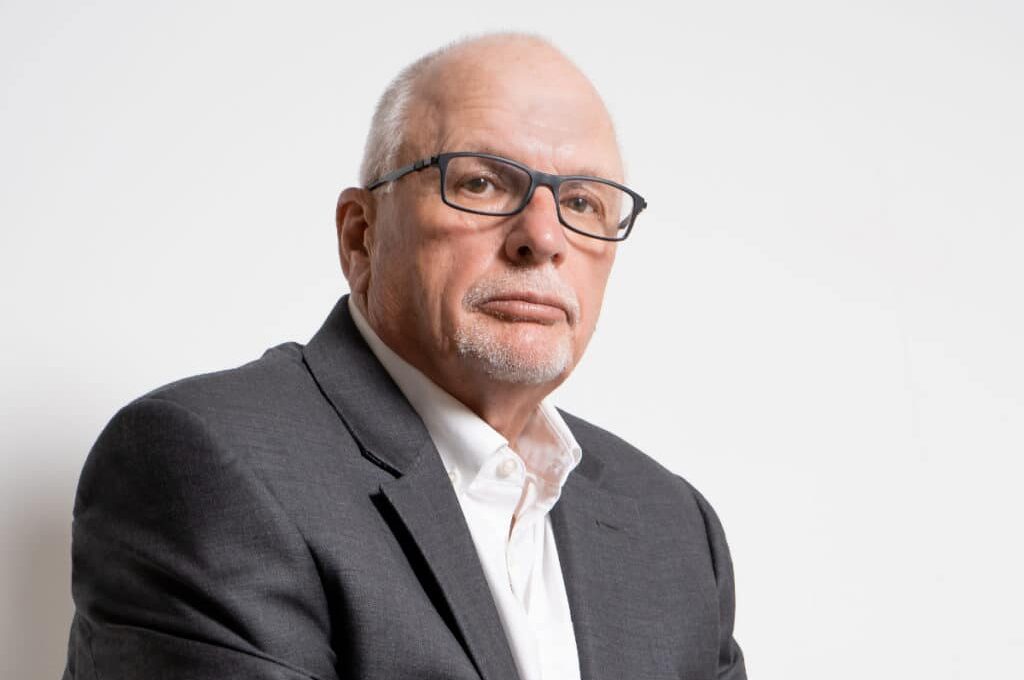
Barry Senft, who steps down Jan. 31, stresses that Canada’s regulatory system remains outdated and too complex for today’s rapid pace of farming and innovation.
Q: You took on the job during a massive transition — bringing four organizations together to form Seeds Canada. What were the biggest challenges?
A: Bringing the four organizations together through the COVID environment and with that creating a new culture for the organization. Some employees I didn’t meet in person for a year and a half. We’re a people-focused organization; we don’t sell a bag of seed — we provide services and support. Building a new culture in that environment was incredibly challenging. At the same time, we were thrust into a significant Canadian Food Inspection Agency regulatory review — Seed Regulatory Modernization. We barely had our legs under us. But our staff put in tremendous effort, and I think we did remarkably well given the circumstances.
Q: You came into seed from the grain world. What did you bring to the sector, and what change are you most proud of helping usher in?
A: For me it’s always been about the Seeds Canada members and clients, and the farmers. My background as a farmer and grain producer gave me a strong appreciation for how foundational seed is. I think I helped reinforce that everything we do — whether it’s member services or client services — ultimately serves the farmer customer. That focus is essential.
Q: What do farmers and seed sector members still need most from policymakers?
A: One of the biggest things is faster introduction of new varieties. As a farmer myself, working with my son and brother, I see firsthand how important that is. The SRM process did deliver some positives — like incorporation by reference and the proposed seed sector advisory committee — but overall, the regulatory system is far too complex. Many of the “protections” in place were designed 30-40 years ago. Farming has changed, technology has changed, communication has changed. Regulators haven’t always kept up. If a variety disappoints a farmer today, the whole world knows by the time they reach the end of the field — that changes the dynamic of trust, accountability, and transparency.
Q: You’ve talked often about the need to attract more seed developers to Canada. What’s required to make that happen?
A: Plant breeding is risky and expensive. If a country makes it unnecessarily difficult or slow, developers will go elsewhere. That’s why something like the Variety Use Agreement (VUA) is so important to bring into the industry. It helps ensure developers can recoup their investments, enabling continued breeding work that benefits farmers. Without mechanisms like VUA, we risk losing innovation to jurisdictions that move faster and provide better incentives.
Q: You accepted this job literally while sitting in a tractor. Does that farmer connection shape how you’ve led?
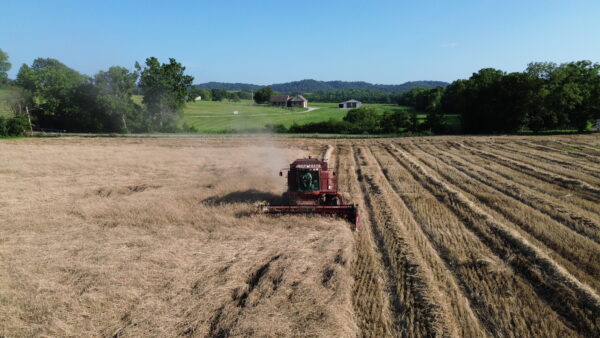
A: Very much so. That connection keeps you grounded. You know firsthand whether a policy or regulation works when you’re the one running the combine.
Q: Do you think the industry will eventually get a faster, more adaptive regulatory system?
A: I believe so — because not changing carries bigger consequences. It’s not unique to seed; I saw it when I worked with the Canadian Grain Commission in the late 1990s. We identified changes that only came into effect a decade later. But today’s world moves faster. Competitors move faster. The environment demands quicker adaptation.
Q: What are your plans come the end of January?
A: I’d like to stay connected to the industry in some capacity along with my involvement in the farm and a few other interests. Whatever comes next will be at a much slower pace than the last few years, that’s for sure.