Europe and western North America are likely to face more frequent and more intense crop droughts as global temperatures rise — even in regions where average annual rainfall is projected to increase.
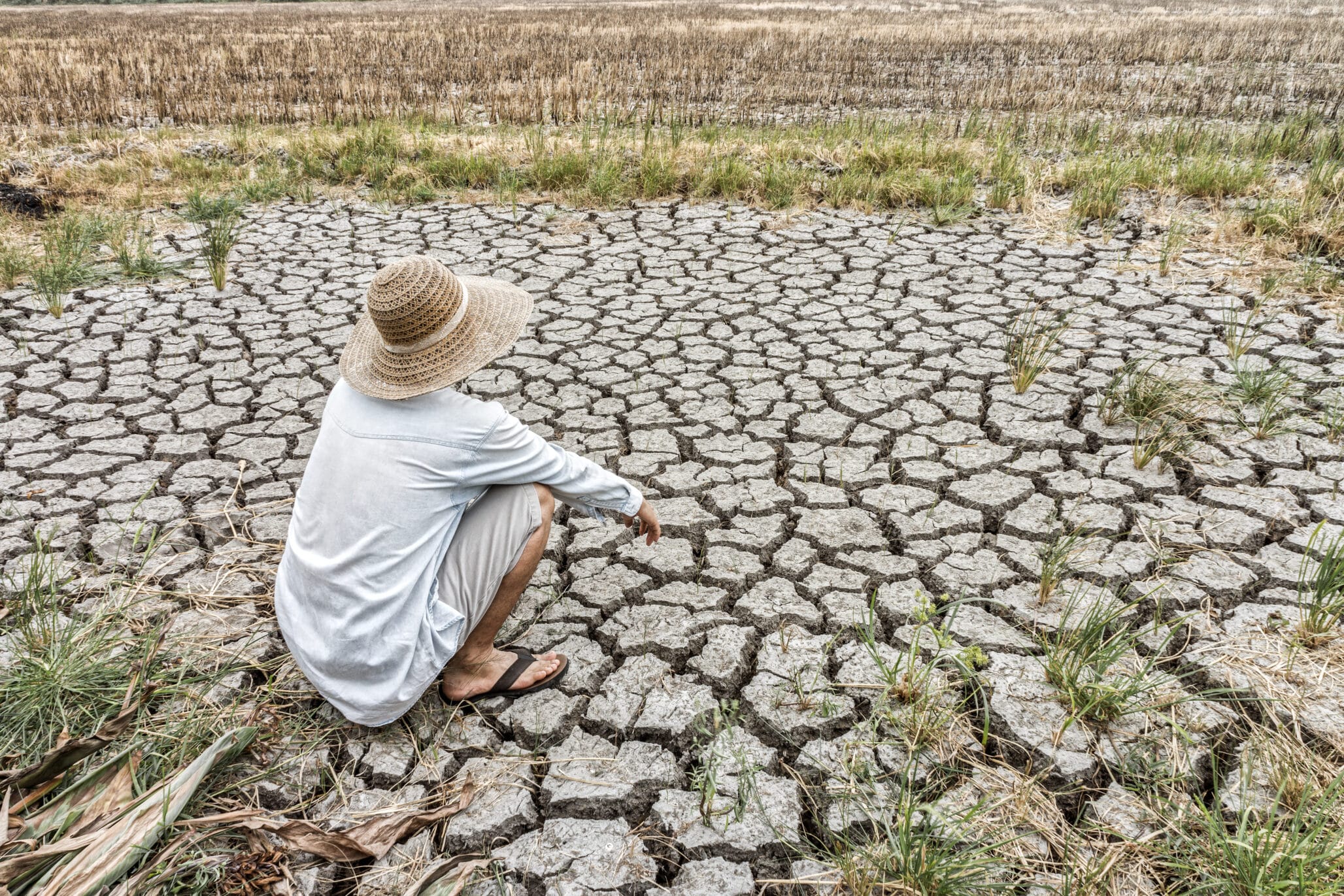
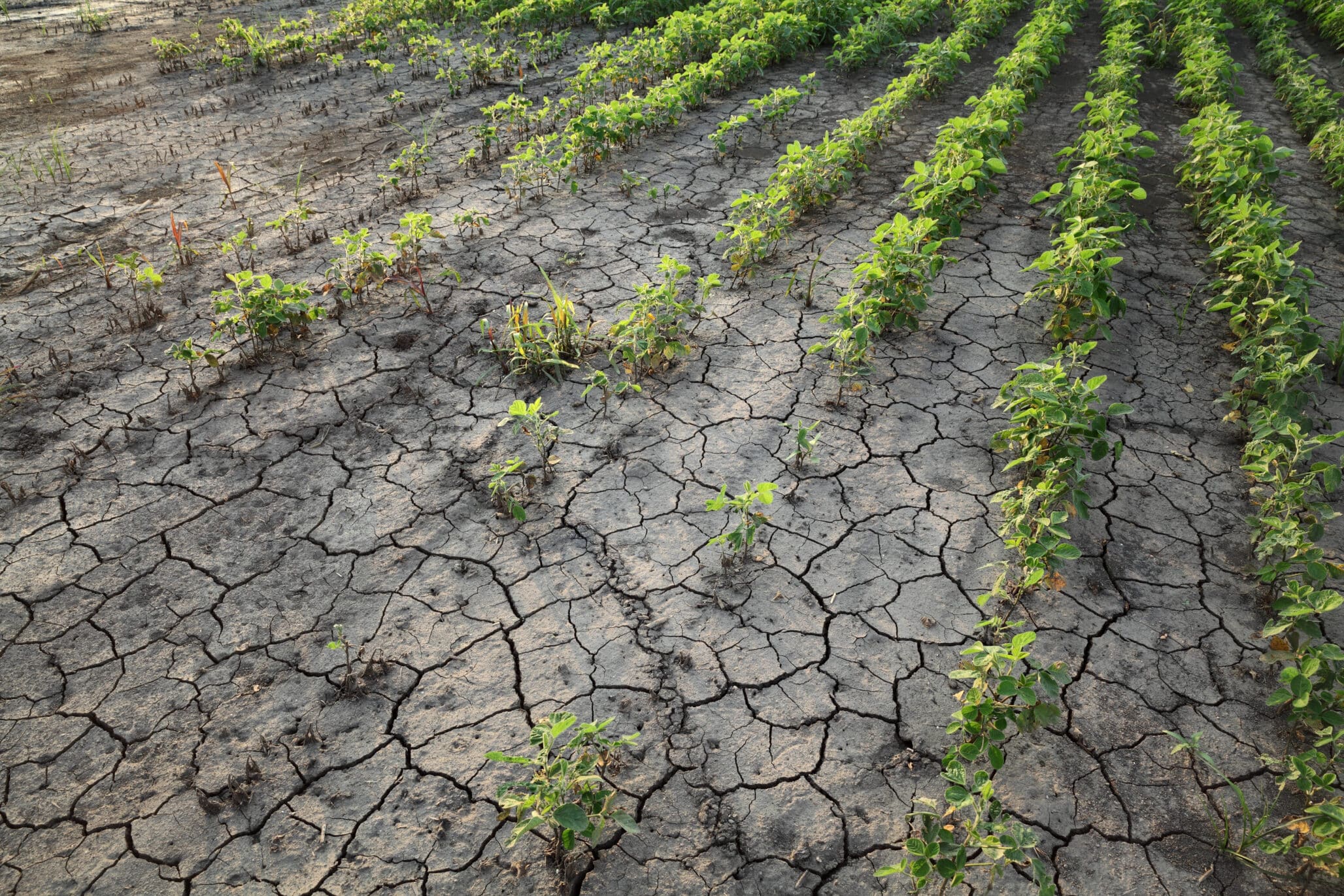
Researchers at the University of Reading analyzed how climate change affects soil moisture during the growing season, when crops most depend on reliable water supplies. They found that higher temperatures can dry soils faster than additional rainfall can replenish them, increasing the risk of agricultural drought.
The study, published on 14 January in Nature Geoscience, combined climate observations with computer modeling to map areas of greatest vulnerability. The results highlight drought hotspots across western Europe (including the UK), central Europe, western North America, northern South America, and southern Africa, according to a press release.
“Climate change is heating the air, which makes more water evaporate from soil and plants,” Professor Emily Black, lead author at the University of Reading, said. “This dries out fields even when more rain falls, especially during spring in Europe and North America.
“As the planet continues to warm, agricultural droughts could become much more common this century in regions that grow much of the world’s food. Farmers will need crops that can survive drought and better ways to manage water supplies.”
Spring Drying Drives Summer Droughts
Earlier research has often emphasized precipitation trends over soil moisture and relied on annual average soil moisture — missing the seasonal dynamics that are most critical for agriculture. This study instead examined soil moisture during the growing season, revealing drought risks that annual rainfall figures can mask.
The researchers found that spring soil moisture at the start of the growing season strongly influences summer drought risk. Even where spring rainfall increases, higher temperatures intensify evaporation enough to dry soils; that spring deficit then carries into summer, leaving crops more exposed.
In Europe and western North America, the mechanism is straightforward: warming air accelerates soil drying, and continued temperature increases are expected to worsen this effect. Recent major European droughts — such as in 2003, 2010, and 2018 — were preceded by dry spring or early-summer conditions, consistent with the study’s findings.
Following lower-emission pathways would lessen, but not eliminate, the projected increase in drought frequency across the most vulnerable regions.