Event in Valencia connects Master’s, PhD students and postdocs with sector leaders to explore future career opportunities.
Finding the next generation of talent is becoming a key challenge for the seed and plant breeding sector. The Euroseeds Congress NextGen Forum initiative was developed to help addressing this challenge by bridging the gap between academia and the seed sector and connecting master’s students, PhD candidates and postdoctoral researchers with technical and business leaders from across the sector.
When Euroseeds gathers in Valencia this October, a new generation will once again be invited into the room. Following a successful debut in 2025, the NextGen Forum returns to the Euroseeds Congress on 26 and 27 October this year at the Valencia Conference Centre. Designed as a bridge between academia and the seed sector, the initiative aims to do something both simple and ambitious: connect emerging talent with the people shaping the future of seeds.
The format reflects that ambition. Building up from the success of last year’s edition, the event will bring together around 50 master’s and PhD students, along with postdoctoral researchers from leading universities in Valencia and across Spain. They will meet CEOs, breeders, researchers and technical experts in an open, informal setting. The goal is not just exposure, but connection, creating meaningful conversations that may lead to mentorships, internships or even future careers.
At its core, the Forum is about access. As Euroseeds puts it, it is “a unique opportunity to step inside the European seed sector, meet its leaders, and explore career paths you may not have considered.”
A Different Kind of Conference
For many participants, that step inside reveals a world quite different from academia.
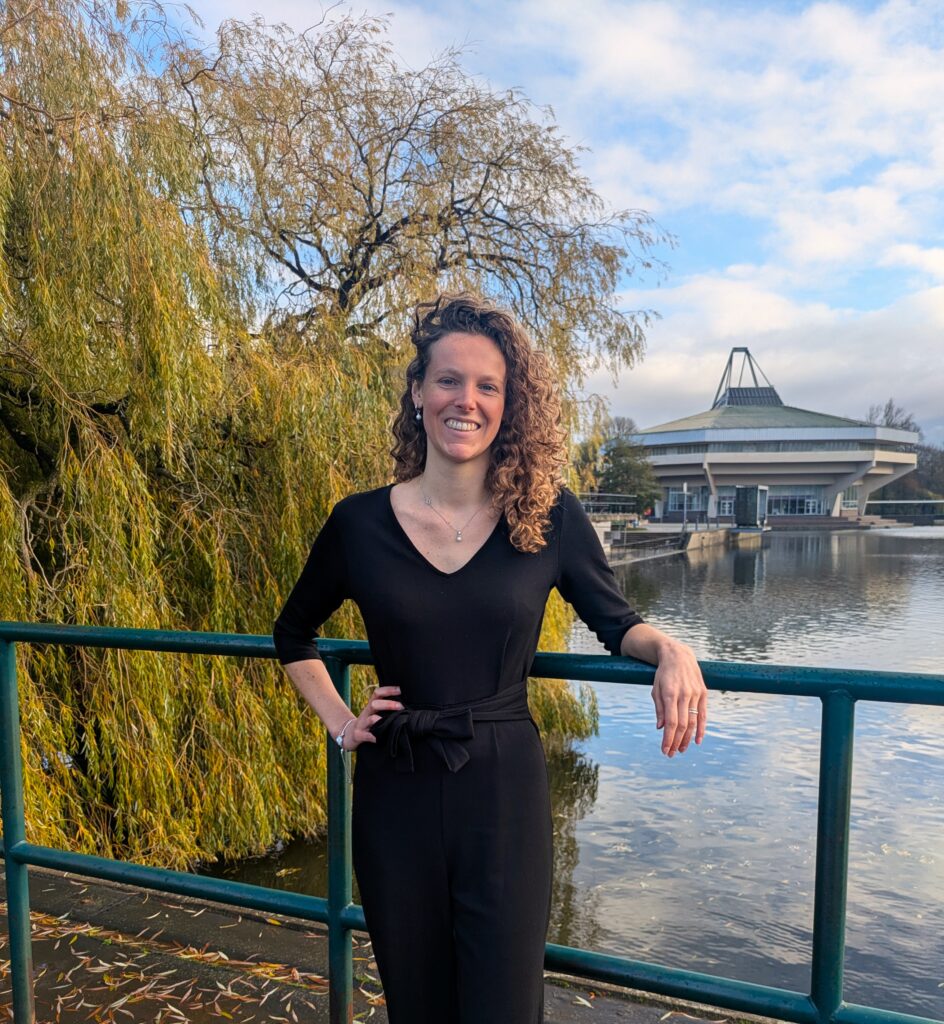
Maud de Kinderen, a PhD candidate in mechanistic biology at the University of York, recalls her first impression of the 2025 Forum. Accustomed to scientific conferences, she found herself in an unfamiliar territory.
“Seeing people in suits, negotiation tables, and booths where companies or institutions display their products or purpose was new to me,” she explains. “There were fewer science talks than at a typical academic conference, and more discussions regarding the political landscape of the sector.”
Yet, it was precisely this difference that made the experience valuable. The NextGen Forum itself stood out for its accessibility. “It felt very easy to talk with each other as well as the professionals, which created a very safe and accessible environment,” she says.
That sense of openness is central to the Forum’s design. With guided discussions and direct interaction, participants are encouraged to ask questions, challenge assumptions and explore where they might fit within the sector.
Discovering Pathways and Possibilities
For early career researchers, one of the most powerful outcomes is a broader view of what a career in seeds can look like. Coming from a background in animal science, de Kinderen had limited exposure to plant breeding before attending. The Forum helped change that.
“I learned about the concepts of seed colouring and coating, adding nutrients to optimise growth,” she says. “Euroseeds contributed positively to my knowledge, generating a holistic view of seed production.”
More importantly, it expanded her sense of possibility. “I had particularly interesting conversations with people working in R&D, since this would be the logical trajectory for me with a research background. However, it was good to see that also many other career paths are possible.”
That message resonates with Mollie Langdon, a postdoctoral researcher at Rothamsted Research, an agricultural research institute based in Hertfordshire in the UK. Her work focuses on understanding the genetic control of seed size and number in oilseeds, firmly rooted in academia. Yet she saw the Forum as an opportunity to connect beyond it and strengthen links between the academic and seed sectors.
“I was excited to participate… to build my network of sector and policy contacts and learn how academics and the seed sector can work more harmoniously,” she says.
For Langdon, the value lay in dialogue. Hearing directly from sector leaders and discussing how academic research might align with real world needs, offered a fresh perspective.
“The discussions were enlightening to hear directly from experts, and it was fantastic to network with panel members who were company directors, executive managers, and Euroseeds board members – people who would otherwise be beyond the reach of an early career researcher like myself” she notes, highlighting the importance of these exchanges for academics who may otherwise remain at a distance from applied contexts.
A Sector That Feels Like a Community
One of the most striking impressions for participants is how connected the seed sector feels. De Kinderen recalls asking a simple but revealing question during the Forum: how do companies differentiate themselves, and why she should choose one over another? The answer she received was unexpected.
“It wouldn’t matter that much for which company I eventually choose to work for. As long as you stay connected to the seed sector it is one big family in the end.” That sense of community, even among competitors, left a lasting impression. It also helped demystify the sector for newcomers. “What a small world the seed sector actually is, with many long-term connections and collaborations,” she reflects.
At the same time, both participants point to a shared challenge: the perceived gap between academia and practice. Conversations at the Forum helped bring that into focus.
“To many fellow researchers, academic work sometimes feels disconnected from reality,” de Kinderen says. “Talking to people working in the sector makes you realise how your work can be practically implemented.”
Langdon echoes this idea, referring to the well-known “Valley of Death” between academic discovery and real-world application. For her, initiatives like the NextGen Forum are part of the solution. “It is so important to provide a space for young academics and seed sector representatives to meet and speak plainly in the same room. Both groups are working on similar topics and issues in the seed sector, and together we can utilise each other’s expertise and find answers to the same problems. It is those personal connections that make all the difference. As the old saying goes, ‘it’s who you know’ and this forum helps provide this opportunity,” she says.
From Conversations to Opportunities
Beyond insights and inspiration, the Forum can also deliver tangible outcomes. For de Kinderen, a single conversation led directly to a career opportunity. “One of the professionals made HR aware of my existence,” she explains. “Their company approached me with a vacancy for which I have an interview this week.”
It is a small example with a big message. Networking, often seen as abstract or daunting, can translate quickly into real possibilities. The experience also had a lasting effect on how she approaches her professional development. “It inspired me to do more networking at home,” she says. “It made me motivated to visit similar but smaller scale events… to build up a network in the plant sector.”
Building the Forum’s Future
As the NextGen Forum prepares for its 2026 edition, participants already have ideas for how it could evolve. A recurring theme is interactivity. While the opportunity to ask questions is valued, there is appetite for more structured, smaller group exchanges.
“Maybe we could be split up into groups, so you generate more personal interactions,” suggests de Kinderen, noting that this could help quieter participants engage more comfortably. Langdon proposes formats such as poster sessions, flash talks or even “speed dating” style networking to deepen connections and encourage more active participation.
These suggestions reflect the Forum’s growing ambition. As it expands, maintaining its openness while increasing opportunities for meaningful interaction will be key.
Looking Ahead to Valencia
Applications for the 2026 NextGen Forum are open from May to September, with confirmations expected in early October. Participants will be selected based on their academic background, motivation and potential to benefit from the experience. As part of the programme, three traineeship opportunities will also be offered in collaboration with partner organisations.
For students and early-career researchers passionate about plant science, agriculture and innovation, the invitation is clear: step into the conversation, meet the people behind the sector, and discover where you might belong. If the experiences of last year’s participants are any indication, the NextGen Forum could become a gateway to new connections and helping build the next generation legacy of the seed sector.