Canadian farmers delivered higher production for most major field crops in 2025, with wheat, canola, barley, oats, dry peas and lentils all posting year-over-year gains, according to Statistics Canada. Declines in corn and soybean output, driven largely by challenging conditions in Eastern Canada, tempered the national picture but did little to overshadow a strong rebound in Prairie yields.
For the seed industry, the 2025 season underscores the ongoing importance of genetics that perform under variable moisture conditions and highlights shifting regional production trends that may influence seed demand heading into 2026.
Prairie Weather Turnaround Drives Record Yields
The 2025 growing season in Western Canada began with concern: early-summer dryness raised the spectre of another below-trend year. But timely precipitation in July and August dramatically improved crop conditions. The late-season boost pushed yields for several key Prairie crops to record or near-record levels.
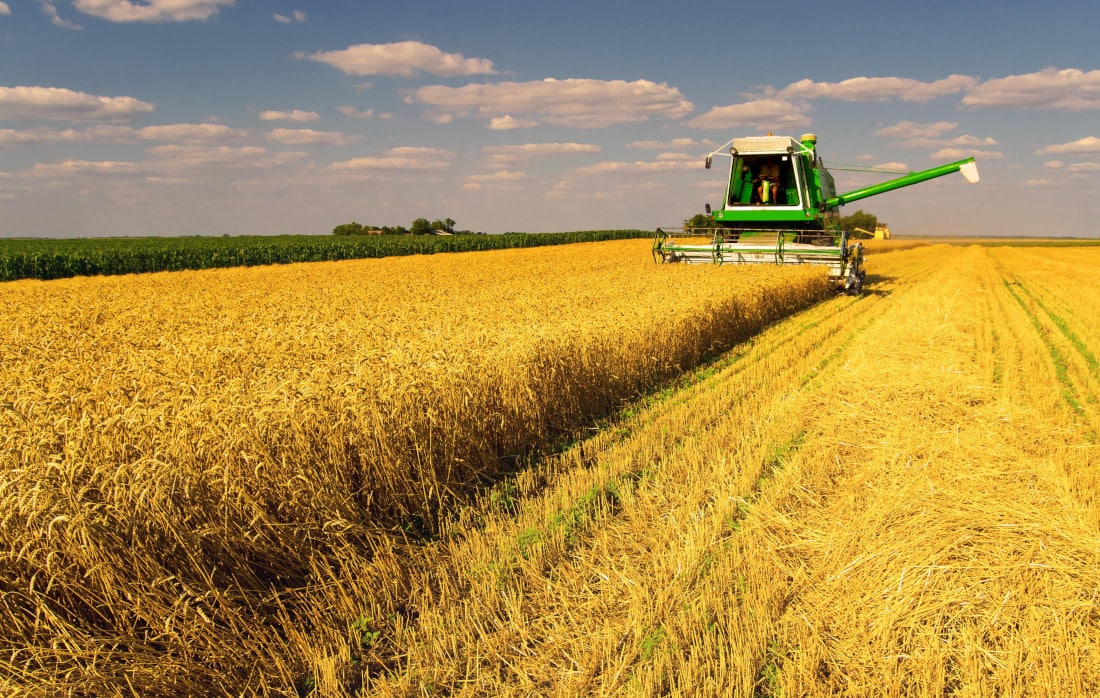
Harvest progressed smoothly across the Prairies, wrapping up around historical averages and largely complete by mid-October — ideal conditions for both seed producers and commercial growers.
In contrast, Eastern Canada faced below-average rainfall and sustained heat through the summer. While harvest was timely, moisture stress significantly impacted yields for corn and soybeans, the region’s two major row crops.
Wheat: A New National Record
Canadian wheat production surged 11.2% to reach a historic 40.0 million tonnes, surpassing the previous record set in 2013.
Spring Wheat
- Production rose 10.3% to 29.3 million tonnes.
- Yields climbed 12.9% to 58.8 bu./ac., more than offsetting a 2.1% drop in harvested area.
Durum
- Production increased 11.8% to 7.1 million tonnes, driven by both higher yields and expanded acreage.
Winter Wheat
- Output climbed 17.0% to 3.6 million tonnes, supported by an increase in harvested area despite slightly lower yields.
Provincial Highlights
- Saskatchewan: Despite a 4.3% drop in harvested area, yields rose nearly 11%, pushing production up 6.1% to 18.2 million tonnes.
- Alberta: A standout year, with yields up 18.8% and production jumping 23.6% to 12.3 million tonnes.
- Manitoba: Production edged up 2.2% to 5.9 million tonnes, with yields steady at 65.6 bu./ac.
For the seed sector, record wheat yields reinforce long-term varietal improvements in drought tolerance and standability — factors that clearly paid off under 2025’s weather volatility.
Canola: Record Yields Fuel a Production Rebound
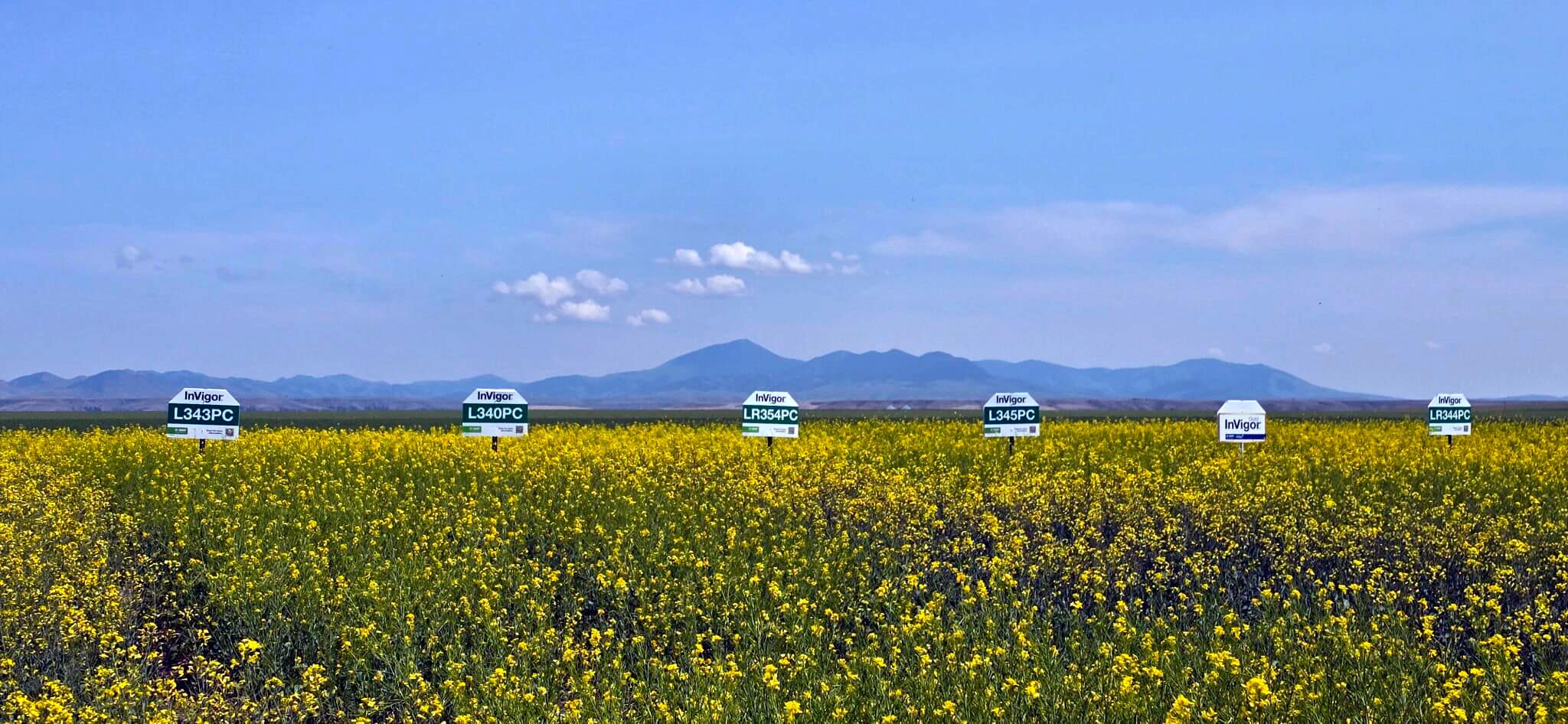
Despite a reduction in harvested acres, canola yields soared to a national record of 44.7 bu./ac., pushing production up 13.3% to 21.8 million tonnes. This surpasses the previous national production record set in 2017.
Provincial Highlights
- Saskatchewan: Yields jumped 15.9%, contributing to a 16.7% rise in production.
- Alberta: Production increased 13.4%, driven by a substantial 16.1% lift in yields.
- Manitoba: Despite an 8.9% decline in harvested area, production still rose 1.6%, thanks to an 11.4% yield bump.
These results highlight the impact of hybrid improvements and underscore the resilience built into modern Prairie canola genetics.
Corn: Eastern Heat Stress Pulls Down National Output
Corn for grain production fell 3.1% nationally to 14.9 million tonnes. While harvested area expanded slightly, yields slipped 3.9% due to hot, dry weather in Ontario and Quebec.
Ontario
- Production down 1.4% to 9.5 million tonnes.
- Yields fell to 175.6 bu./ac., a 2.4% decline.
Quebec
- Production dropped sharply by 18.3%.
- Yields fell 13.0% to 141.1 bu./ac., well below the five-year average.
Manitoba
A rare bright spot in the corn sector:
- Production jumped 22.5% to 2.2 million tonnes.
- Yields rose 5.5%, and acreage increased significantly.
These regional contrasts may influence hybrid selection trends for 2026, particularly around drought-tolerance and heat resilience.
Soybeans: Yield Losses Offset Acreage Gains
Soybean production fell 10.2% to 6.8 million tonnes nationwide, driven by an 11.4% drop in yields.
Ontario
- Production down 18.2% due to lower yields and a 7.2% reduction in harvested area.
Quebec
- Production fell 15.6%, with yields dropping nearly 20% under moisture stress.
Manitoba
A counter-trend story:
- Production rose 12.3% as harvested area expanded 16.2%.
- Yields dipped slightly but still remained well above the five-year average.
Manitoba’s strong performance reinforces its growing role as a western soybean hub — a trend with implications for seed distribution and maturity-group selection.
Barley and Oats: Strong Yield Rebound Across the Prairies
Barley
- Production climbed 19.4% to 9.7 million tonnes.
- Yields rose dramatically by 25.6% to 79.4 bu./ac., overcoming a 4.9% decline in harvested area.
Oats
- Production increased 16.7% to 3.9 million tonnes.
- Both acreage (+5.6%) and yields (+10.6%) improved.
These gains support renewed optimism in the feed and milling oats value chains, particularly after several years of weather-related variability.