
Seed labs are seeing what you can’t: the real cost of mechanical damage.
In 2024, more than half of the pea samples tested at 20/20 Seed Labs showed some level of mechanical damage. On average, that translated into a 7% drop in germination and a 10% drop in vigour. Numbers like that really stop you in your tracks — and they got me thinking.
Most people know Bushel Plus for harvest loss measurements. But our recent collaboration with 20/20 Seed Labs didn’t start there. It started with grain quality.
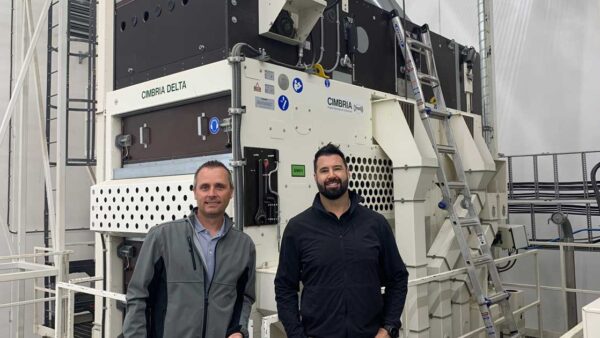
At our Harvest Academies, we spend a lot of time helping farmers understand how combine settings can make the difference between strong seed and damaged seed. One day, it struck me: why not invite the people who see the “after picture”? The folks in the labs who test seed months later, when it’s too late to change anything in the field.
When 20/20 joined us, the room lit up. Farmers could suddenly connect what they were seeing in their bins with what was happening inside the combine. A cracked kernel is easy to spot — but a lot of damage isn’t. Hearing directly from lab experts made that crystal clear.
What I appreciate about 20/20 is how they bring science into the conversation. They can explain exactly how mechanical damage lowers germination or cuts into vigour, even when the seed looks fine to the naked eye. They put numbers to what’s happening — and that kind of evidence helps farmers make sense of things in a way that sticks.
When they shared that more than half of pea samples in 2024 showed mechanical damage, it drove home the scale of the challenge. It’s not just the odd load here and there. It’s widespread, and it affects performance months later in the field.
Connecting Field and Lab
In some of our early work together, we were surprised to see that quality could improve even while harvest speed increased. Normally, those two goals are at odds. But 20/20’s results showed us that with the right adjustments, farmers can achieve both efficiency and quality.
The other big lesson was that a lot of damage is invisible at harvest. Farmers couldn’t see it in the field — but 20/20’s testing picked it up. That insight alone makes a strong case for pulling a sample right off the combine and testing it early. It gives you information you can act on right away, whether that means how you store it, clean it, or handle it down the line.
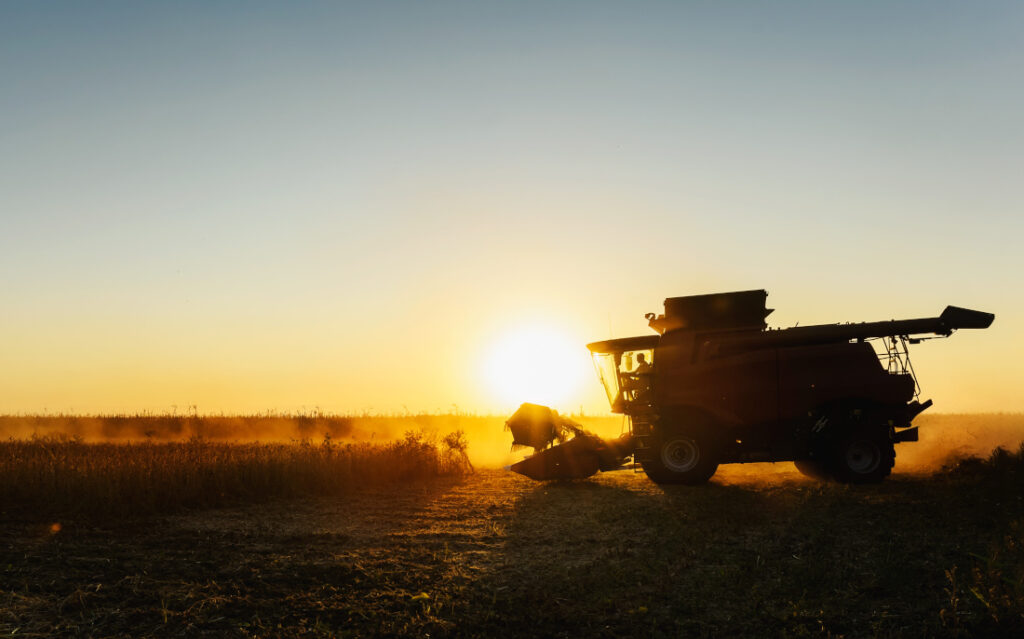
The reality is that mechanical damage is only going to become a bigger issue. With hotter, drier harvests, crops are coming off at lower moisture and are more vulnerable to damage at every stage of handling.
That’s why I value this partnership so much. At Bushel Plus, we can show what’s happening in the field. At 20/20, they can prove what it means in the lab. Together, we’re helping farmers see the full chain from harvest settings to seed performance — and that knowledge is the first step to protecting seed quality before it’s too late.
Seeing the full picture — from combine to lab — changes how we think about seed quality. If you’re serious about protecting performance, start connecting your harvest decisions with lab data that shows what’s really happening.