The Manitoba Seed Growers Association says cuts to Agriculture and Agri-Food Canada contradict federal commitments to strategic autonomy in food systems and long-term supply chain resilience.
The Manitoba Seed Growers Association (MSGA) is warning that recent federal cuts to Agriculture and Agri-Food Canada (AAFC) could undermine Canada’s long-term food security, rural economies, and agricultural innovation.
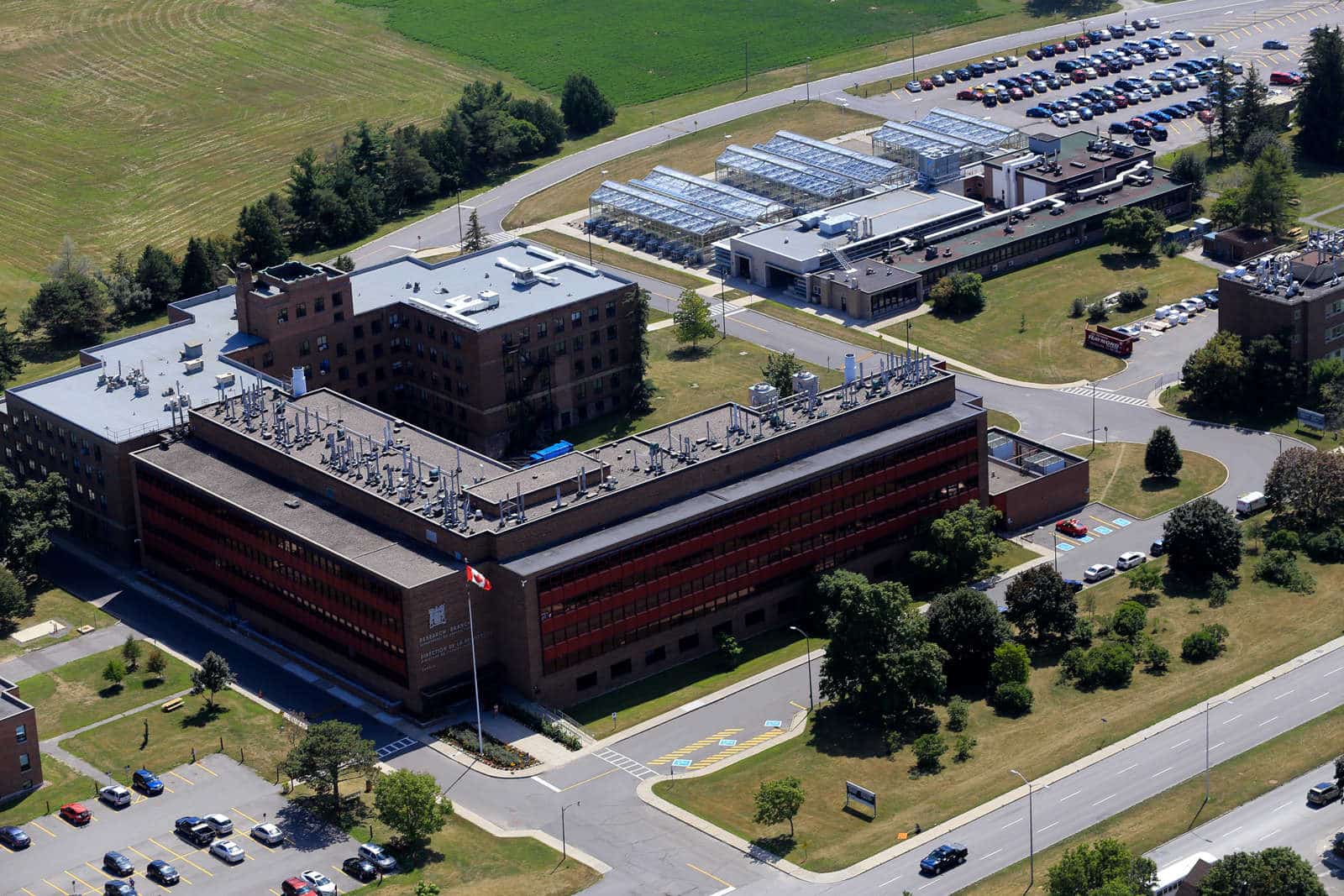
On Jan. 23, AAFC delivered notice to 655 staff that their jobs were either terminated or relocated, while seven AAFC research facilities were slated to be shuttered or reduced.
The MSGA statement, issued today, references remarks made by Prime Minister Mark Carney at the World Economic Forum in Davos, Switzerland on Jan. 20, where he emphasized that countries such as Canada have the ability to build a stronger global order rooted in national sovereignty, human rights, and sustainable development.
“…I would like to tell you that the other countries, particularly intermediate powers like Canada, are not powerless,” Carney said. “They have the capacity to build a new order that encompasses our values, like respect for human rights, sustainable development, solidarity, sovereignty and territorial integrity of the various states.”
The MSGA says the reductions at AAFC represent more than budgetary savings, arguing they directly affect the programs, research, and partnerships that support Canadian consumers and farmers.
According to the association, public research capacity plays a critical role in protecting the stability of Canada’s food system and ensuring farmers have the tools to respond to emerging risks.
“If we have learned anything from the history books, it is that food security is akin to national security,” the statement says. “A nation that can’t feed itself is doomed to fail.”
Concern Over Research Gaps
The MSGA also raises concerns that private-sector research may not be able to fill the void left by reduced federal capacity in every case. The association said long-term work in areas such as organic production, forage, minor crops, soil health, and agronomic pest reactions is unlikely to be prioritized by private interests because it does not always provide near-term commercial returns.
The group argued that long-term research programs are essential if Canada is to remain competitive and build a more self-sustaining agricultural economy with export opportunities.
The association points to additional remarks from the Prime Minister’s Davos speech, where Carney highlighted the growing global push for “strategic autonomy” in essential sectors such as energy and food.
“This impulse is understandable,” The MSGA quotes Carney saying. “A country that cannot feed itself, fuel itself, or defend itself has few options. When the rules no longer protect you, you must protect yourself.”
The MSGA says cuts to AAFC research raise questions about how Canada can meet that goal if public research infrastructure is being reduced while other countries expand their own capacity.
Long-Term Impact Could Take Decades to Reverse
In its statement, the Manitoba Seed Growers Association warns that the most serious impacts may not be felt immediately, but could emerge over the next decade as the consequences of reduced research investment become clearer.
The association says the cuts are short-sighted and risk weakening Canada’s ability to maintain resilient food systems, environmental sustainability, and global competitiveness.
The group also warns that rebuilding lost research capacity would not be easy, arguing that once programs and facilities are dismantled, they can take generations to restore.
Call for Government to Reconsider
The MSGA urges the federal government to reconsider the cuts and instead reinforce AAFC’s ability to work with industry partners to build a sustainable and innovative agri-food sector.
“We cannot afford short-term fiscal decisions that endanger long-term food security,” the statement says, adding that supporting agriculture requires investing in the people and research systems that feed Canadians, protect land and water, and drive export value.
The association calls on Ottawa to look more closely at the impact of the reductions and commit to strengthening AAFC’s public research role in the years ahead.