Healthycrop, runner-up in the Seed World Global Innovation Showdown, enhances crops’ natural defenses to reduce fungicide use, bolster food security, and advance sustainable agriculture.
Healthycrop taps into crops’ natural defences to cut fungicide use, boost food security, and advance sustainable farming.
In an era where food security, sustainability, and climate resilience are at the forefront of global agricultural challenges, innovation in plant breeding has never been more critical.
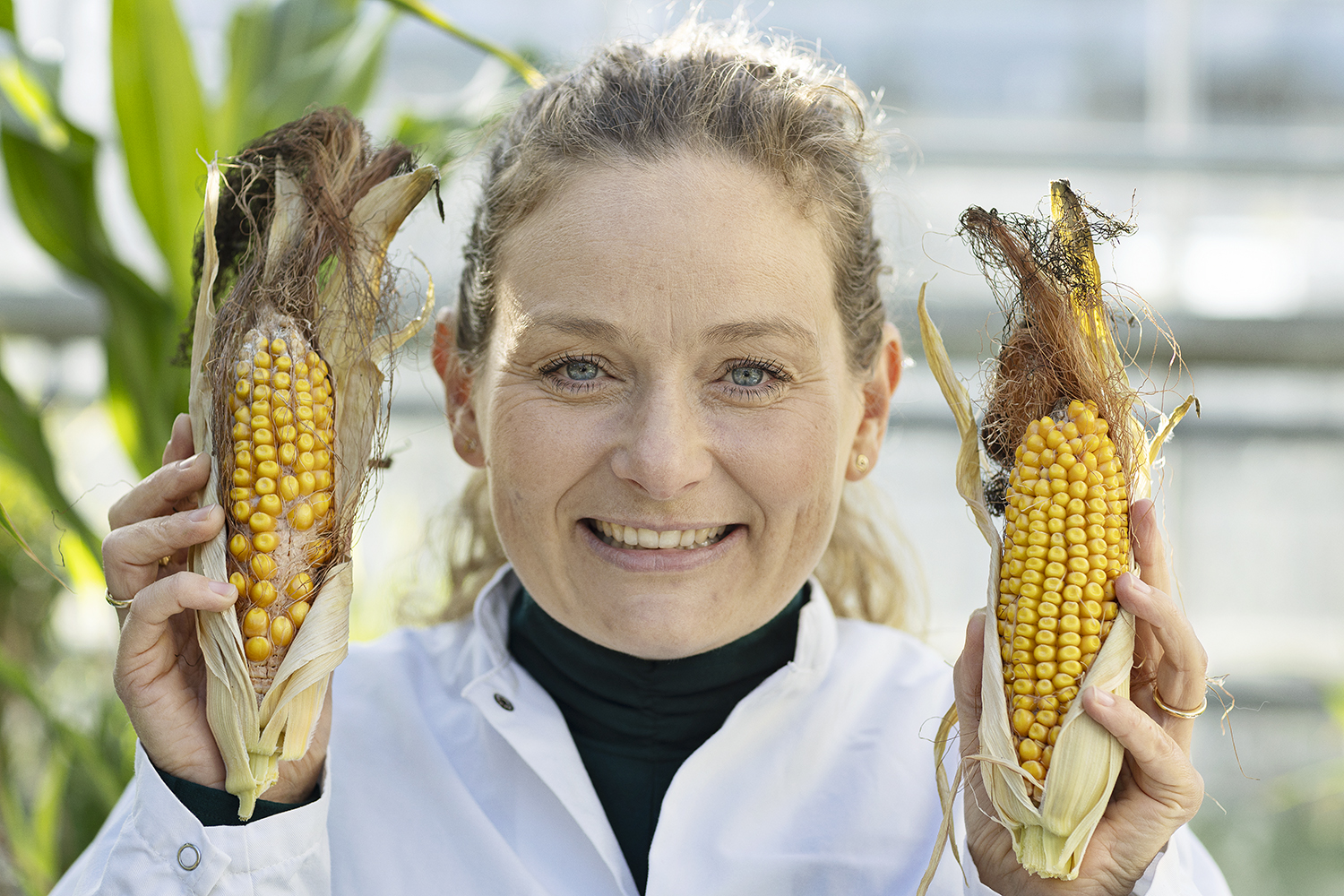
The traditional reliance on chemical fungicides is increasingly scrutinized due to environmental concerns and rising fungal resistance, demanding alternative solutions. Enter Healthycrop, a pioneering agri-biotech startup leveraging cutting-edge molecular biology to enhance natural disease resistance in crops. By harnessing the power of the crop’s own defence, through natural enzymes that disrupts fungal infections at the biochemical level, Healthycrop offers a novel approach to crop protection — one that is durable, scalable, and environmentally sustainable. This breakthrough not only reduces the need for synthetic fungicides but also supports biodiversity, improves food safety, and aligns with global sustainability goals. As the industry moves towards integrating gene-edited traits into elite crop varieties, companies like Healthycrop are redefining the future of agriculture. But what does it take to scale such an innovation? And how is the regulatory landscape shaping the adoption of these next-generation crops? In this conversation, Dr. Pernille Ollendorff Hede, co-founder and CEO of Healthycrop, shares insights into the company’s mission, technology, and vision for the future.
Hede, co-founder and CEO of Healthycrop, brings a unique blend of scientific and business acumen to the agri-biotech landscape. With a Ph.D in molecular plant biology and a business degree from Copenhagen Business School, Hede’s career began in research before transitioning into leadership roles within large Danish corporations. Over time, she realized her passion for building impactful ventures — ones that merge technical innovation with commercial viability. This passion ultimately led her to co-found and join Healthycrop full-time, driven by the belief that transforming food production systems to be more sustainable demands bold innovation. For Hede, Healthycrop represents an opportunity to make a tangible difference in global agriculture by combining her scientific background with entrepreneurial drive.
The Heart of the Innovation
At the heart of Healthycrop’s innovation is Nepenthesin, a protease enzyme that plays a key role in enhancing a plant’s natural resistance to fungal infections. Originally identified in barley, Nepenthesin is crucial to the plant’s defence system; when it’s absent, susceptibility to fungal attacks significantly increases. Hede explains that fungal pathogens invade crops by breaking down plant cells with their own enzymes to extract nutrients. However, when a plant expresses higher levels of Nepenthesin, it degrades those fungal enzymes, effectively cutting off the pathogen’s nutrient supply.
Unlike traditional fungicides, which target specific points and can lead to resistance over time, Nepenthesin works by attacking fungal enzymes at multiple sites — making it exceptionally difficult for pathogens to adapt. Furthermore, its activity is naturally regulated, activating only when infection is present, which ensures a targeted and efficient defence mechanism. This biochemical strategy represents a durable and fundamentally different approach to crop protection.
Reducing Yield Losses
Healthycrop’s mission also aligns closely with global sustainability objectives, particularly in terms of environmental and human health benefits. Reducing reliance on chemical fungicides, Hede points out, helps protect biodiversity and drinking water quality while lowering the climate footprint of agriculture. More importantly, crops with natural fungal resistance contribute to food security by reducing yield losses and the presence of mycotoxins — dangerous compounds produced by fungal infections. According to the FAO, up to a quarter of all crop products are contaminated with mycotoxins, leading to significant health and economic consequences.
Rising Resistance
There’s also a broader public health dimension: the heavy use of agricultural fungicides has contributed to rising resistance in fungi that infect animals and humans. A study from University of Aarhus revealed that around 4% of mould species are already resistant to azoles, a commonly used class of antifungal drugs — a figure that’s expected to climb. Healthycrop’s approach offers a promising path to slow or halt the development of such resistant strains, ensuring that antifungal treatments remain effective in the future.
A Prestigious Award
In 2024, Healthycrop’s efforts were recognized with the prestigious InnovAction Award at Euroseeds — a milestone that Hede describes as particularly meaningful due to its endorsement by an industry-specific jury. The accolade has opened doors to numerous strategic discussions and potential partnerships, elevating the company’s profile within the agricultural biotech community. Although formal agreements are still under negotiation and remain confidential, the award has significantly boosted Healthycrop’s visibility and credibility.
Looking to the future, Healthycrop is preparing to navigate a complex regulatory and commercial landscape. One major challenge, especially in Europe, is the uncertainty surrounding New Genomic Techniques (NGT) legislation. Despite this, Hede remains optimistic, expressing confidence that regulatory clarity will emerge in the near future.
Focussing on Trait Development
Rather than creating new crop varieties themselves, Healthycrop focuses on trait development — partnering with seed companies to integrate their fungal-resistant traits into elite genetic lines. A recent collaboration with the Irish company Haggard Stores on fungal-resistant potatoes exemplifies this approach. As additional partnerships begin to take shape, Healthycrop is positioning itself at the forefront of a more resilient, sustainable future for global agriculture.
Read More Seed World Global Innovation Stories: