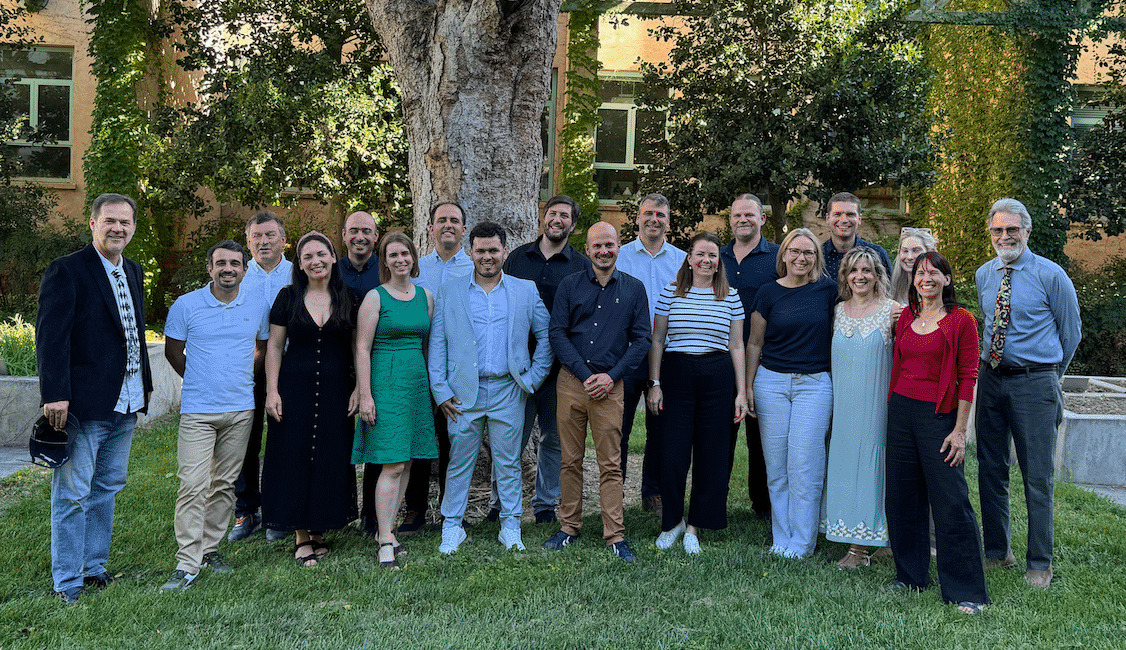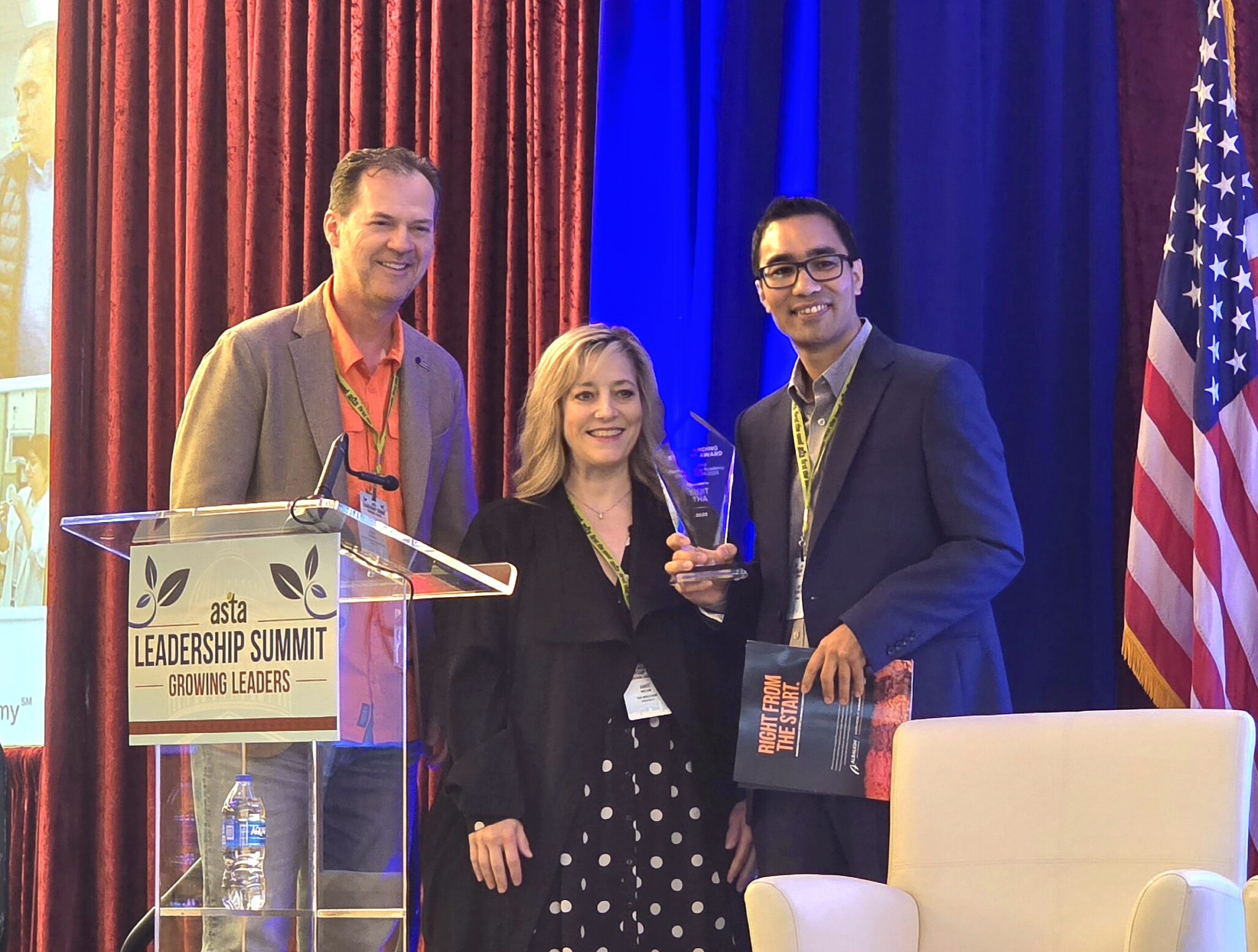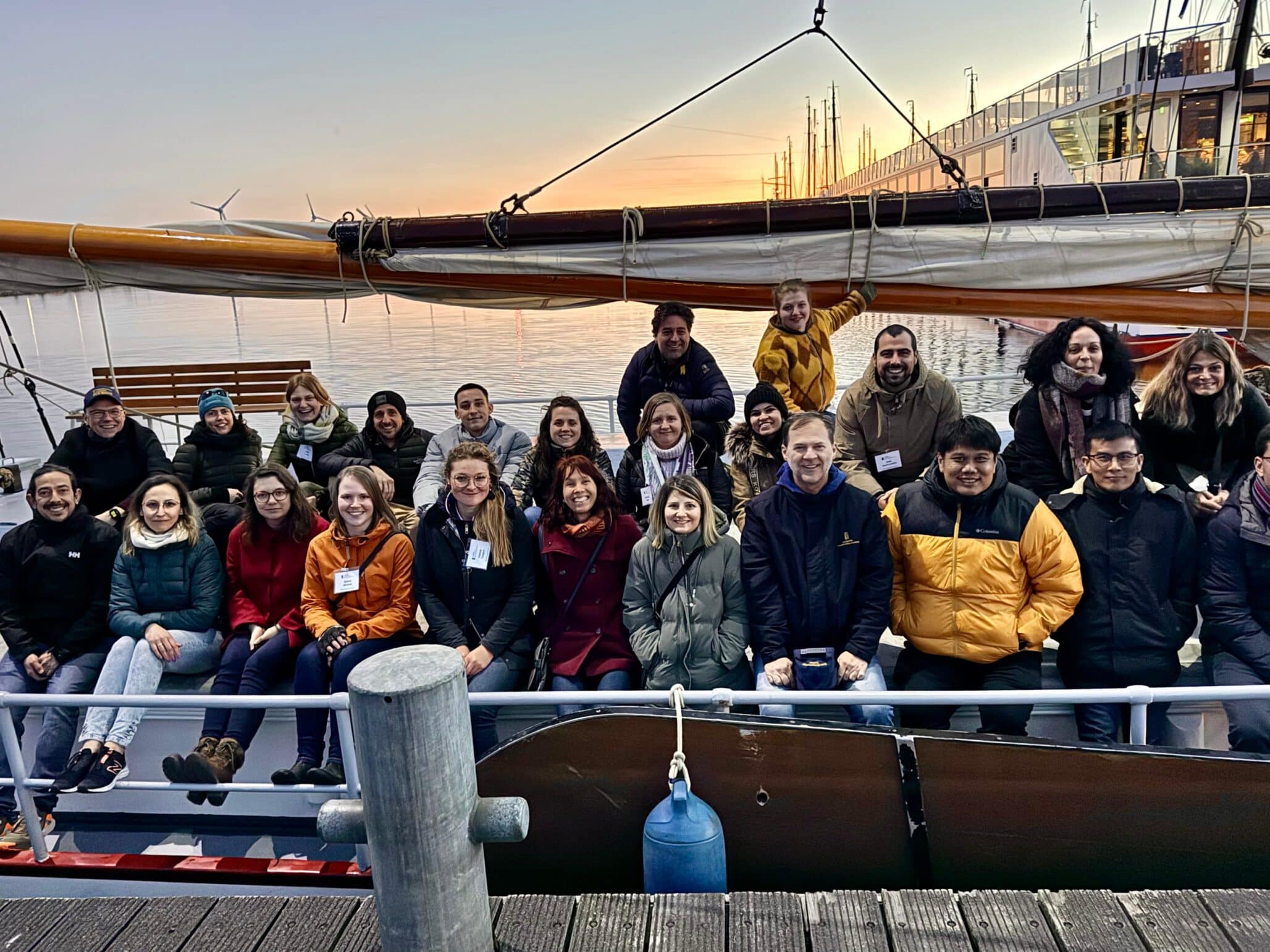
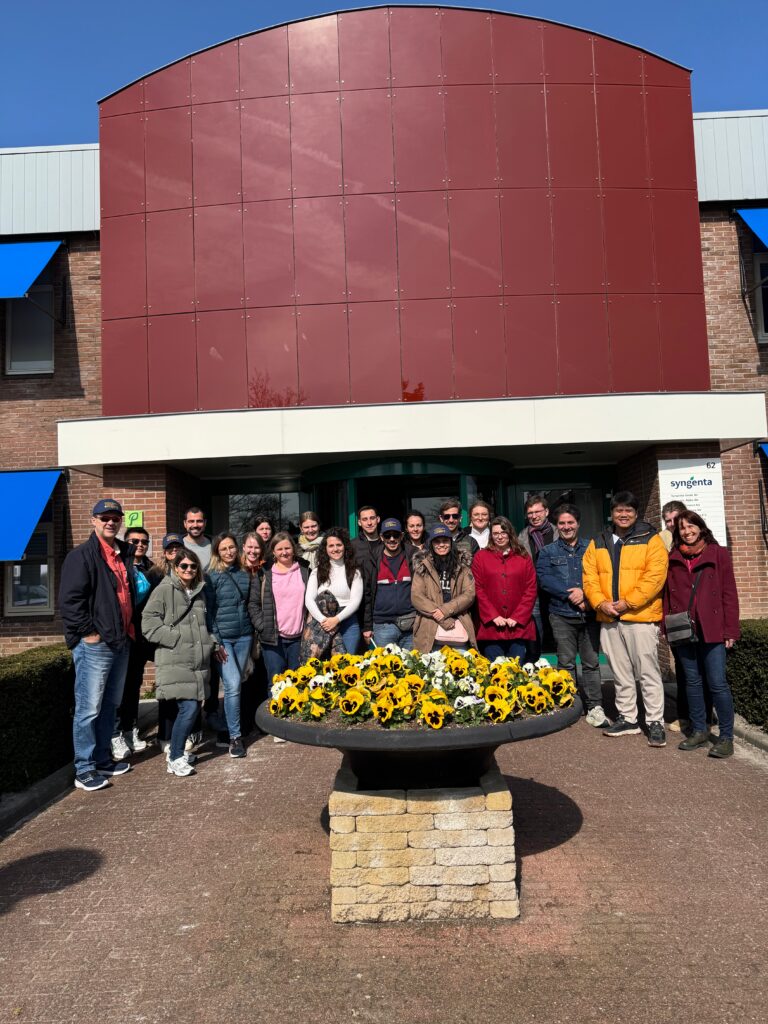
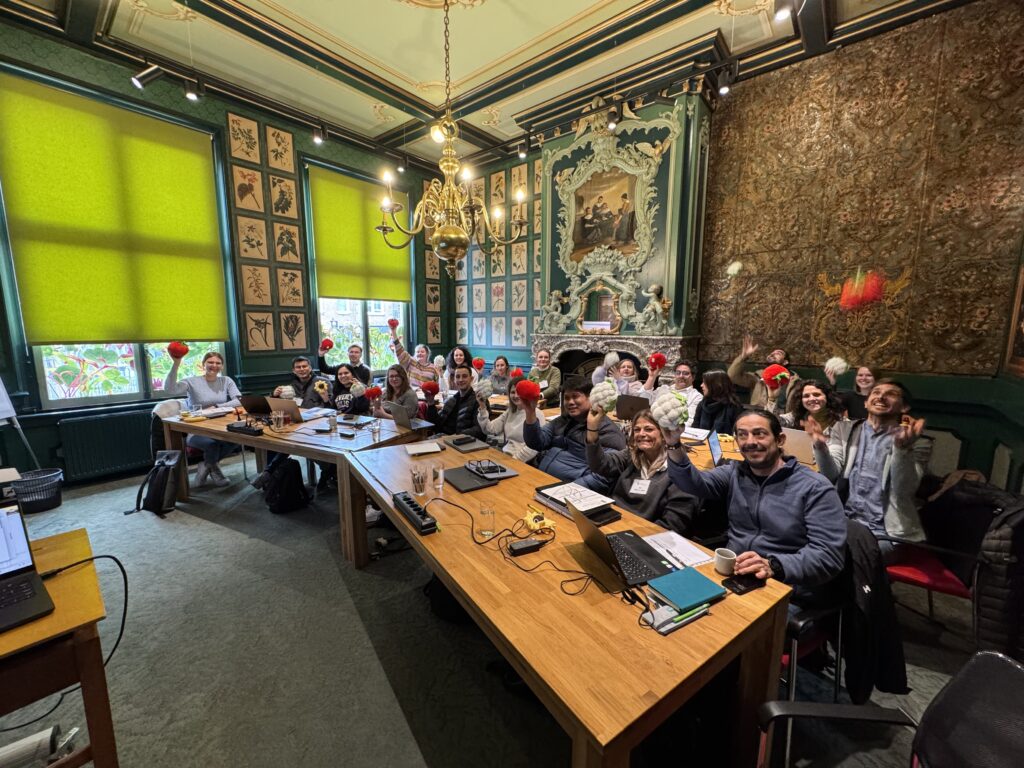
Earlier this year, I had the pleasure of speaking at the first session of the European UC Davis Plant Breeding Academy, Class VIII in Enkhuizen, The Netherlands. As someone who studied plant breeding myself, I was genuinely excited to engage with this talented group of 21 participants — the next generation of innovators in our field. It was a fantastic opportunity to share some thoughts that have been on my mind for a while: the vital role that communication plays in the future of plant breeding.
In the vast theatre of agriculture, plant breeders have long played the role of behind-the-scenes maestros, orchestrating innovations that ensure our food security, bolster climate resilience, and drive sustainable practices. Yet, despite their pivotal contributions, they often remain in the shadows, their narratives overshadowed by louder, more dramatic voices — some of which are armed with more myth than method.
Today, with the world’s food system under pressure from climate change, geopolitical tensions, and resource scarcity, the importance of plant breeding is clearer than ever. But while the science is strong, the story isn’t always getting through.
The Misinformation Maze
Let’s face it: in the age of social media and rapid-fire headlines, complexity is a liability. Plant breeding — especially when it involves words like “biotech,” “genome editing,” or “intellectual property” — is ripe for misunderstanding. Add to that the deep mistrust many people feel toward big corporations, and it’s no wonder that some view breeders with suspicion rather than appreciation.
That suspicion often takes the form of persistent myths. Some people think all breeding today is done by faceless multinationals. Others assume “natural” always means “better.” And there’s a growing sentiment that any form of technological intervention in our food is inherently risky. The science community knows these are myths, not facts — but without effective communication, facts alone won’t win the day.
Communication: The Bridge Over Troubled Waters
Effective communication serves as the bridge between scientific innovation and public understanding. It’s not merely about broadcasting information, but about fostering trust, clarifying complexity, and engaging in meaningful dialogue. When plant breeders articulate their work and its benefits — clearly and credibly — they not only dispel myths but pave the way for informed public opinion, progressive policy, and broader adoption of innovations.
This is not about marketing spin. It’s about science speaking for itself, with clarity and purpose.
One Size Doesn’t Fit All
Of course, communication isn’t one-size-fits-all. Different audiences bring different perspectives, values, and needs.
Policymakers, for example, are focused on economic impact, food security, sustainability, and regulatory clarity. They need hard facts, but also concrete stories: how a new drought-tolerant variety helped farmers in Spain, or how breeding investment has unlocked rural economic growth.
The general public comes with a different lens. People care about health, ethics, the environment — and they want transparency. They’re not reading academic journals, but they are watching short videos, scanning headlines, and asking questions like, “Is this food safe?” and “Is this good for the planet?”
Then there’s the scientific community and peers from the sector, where collaboration, precision, and rigorous evidence are the name of the game. Here, it’s about knowledge-sharing, advancing innovation, and shaping best practices together.
Knowing who you’re talking to — and tailoring the message accordingly — is half the battle.
Why It Has to Be You
Now, you might be thinking: can’t we just leave this to the communications team? They’re trained for this stuff, right?
Sure — but here’s the thing: what plant breeders bring to the conversation isn’t polish. It’s authenticity. It’s the real story. And in a world where public trust in institutions may be waning, the voice of a knowledgeable, passionate individual can cut through the noise far more effectively than any press release ever could.
Plant breeders don’t need to become full-time spokespeople. But engaging — even modestly — can make a world of difference. Whether it’s explaining a breeding process to a curious neighbour, contributing expert insight to policy discussions, or helping demystify genetics at a local school event, every conversation counts.
Getting Practical: What Can Breeders Actually Do?
- With policymakers: Offer expert input, case studies, and plain-language summaries of complex issues.
- With farmers: Host field days, explain the thinking behind new varieties, and listen to feedback.
- With the public: Use relatable examples and don’t shy away from tricky topics — face them head-on, honestly.
- With peers: Foster open collaboration. Support young scientists. Push for transparency and ethical breeding.
Every one of these touchpoints helps build a stronger social license to operate — something no sector can afford to ignore.
The Final Word: Speak Up, Stand Out
The agricultural sector is at a crossroads. The pressures are real, the stakes are high, and the science is ready. But innovation without communication is like a seed never planted. The world needs plant breeders more than ever. But to be recognized as heroes, they must first be heard.
By embracing their role as communicators, plant breeders can help society understand not just what they do — but whyit matters. And in doing so, they protect the freedom to innovate, the ability to operate, and the future of farming itself.
“In the symphony of agriculture, plant breeders are the composers of resilience and sustainability. It’s time their melodies are heard and celebrated.”
*, Founded in 2006, the UC Davis Plant Breeding Academy is a postgraduate program that covers advanced Plant Breeding through lectures, discussions, group exercises, assignments, and visits to private and public breeding programs. This program provides practical plant breeding training without interrupting full-time employment. Participants attend a half-dozen weeks sessions over two years. In addition to these sessions, students’ complete homework assignments and a final project. The instructors are internationally recognized experts in plant breeding. We continuously adapt the curriculum to reflect new developments in academia and industry in the field of plant breeding. For more info visit: https://pba.ucdavis.edu/