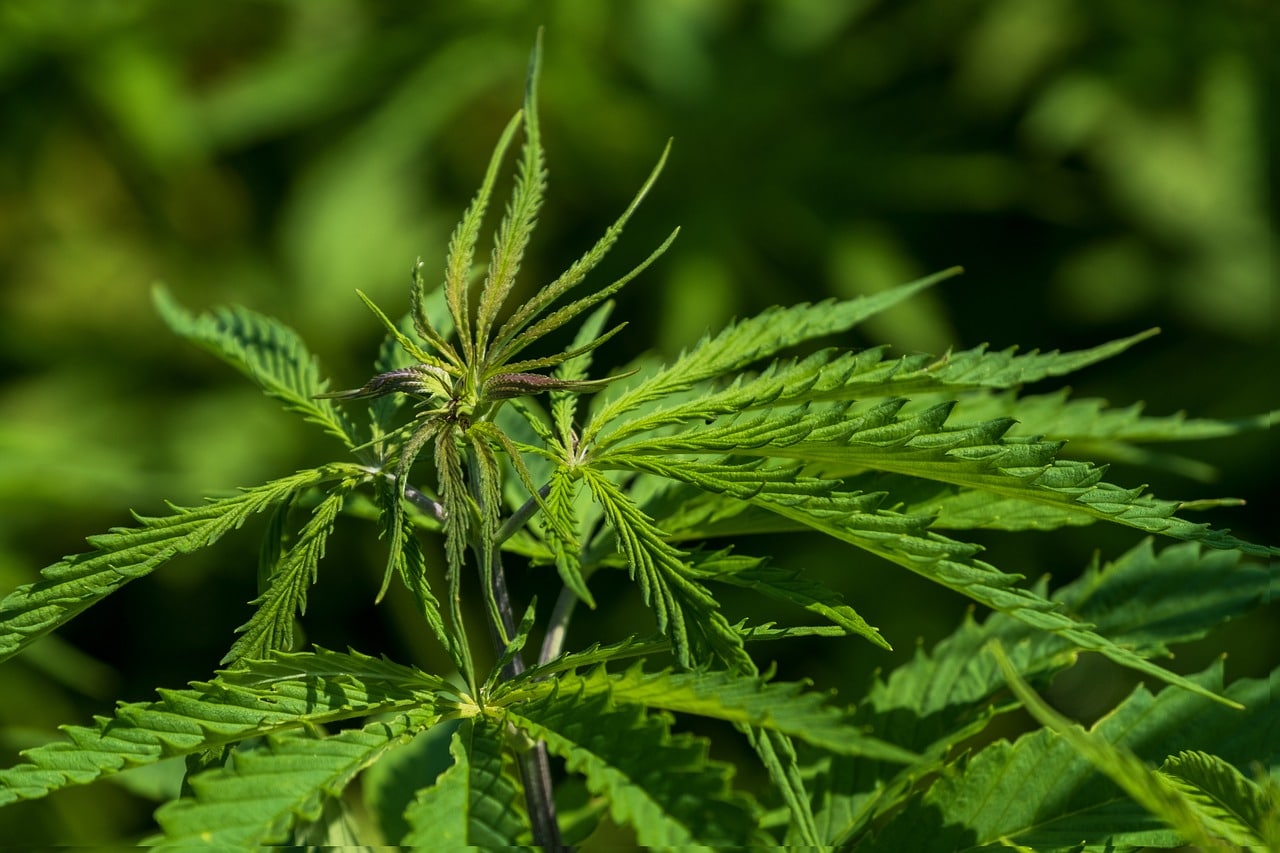
The European Industrial Hemp Association (EIHA) welcomed the 8 September vote by the European Parliament’s Committee on Agriculture and Rural Development (COMAGRI) to adopt an amendment defining hemp in a way that explicitly includes flowers as licit agricultural products — provided the variety is registered in the EU catalogue and complies with THC limits.
This decision aligns with the European Commission’s July 2025 proposal, which, for the first time, authorises the production and marketing of all parts of the hemp plant. The text adopted by COMAGRI will now serve as the basis for negotiations with the Council of the EU and the Commission. If all three institutions agree on this “whole-plant” approach, it will be incorporated into the Regulation for the Common Market Organisation (CMO), the legislative framework governing the EU internal agricultural market, according to a press release.
The vote represents a political leap forward. The Commission’s initial December 2024 proposal had a narrower scope and did not address hemp flowers. By adopting this amendment, Parliament anticipated the broader July 2025 proposal and took a clear, proactive stance on the hemp sector.
“This is a strategic step for the hemp sector,” said Francesco Mirizzi, Managing Director of EIHA. “Parliament’s leadership addresses farmers’ needs and aligns EU rules with market realities. For too long, businesses have faced shifting national restrictions on flowers, putting livelihoods at risk. This must end.”
Next steps include a plenary vote in the European Parliament, expected next month, followed by trilogue negotiations between the Parliament, Council, and Commission. EIHA anticipates challenging discussions within the Council, where Member States will need to clarify their positions on full legalisation. If negotiations succeed, the new rules could be implemented as early as next summer.
As the legislative process advances, EIHA will continue collaborating with national governments to ensure that scientific evidence, market potential, and the needs of European farmers are fully considered.