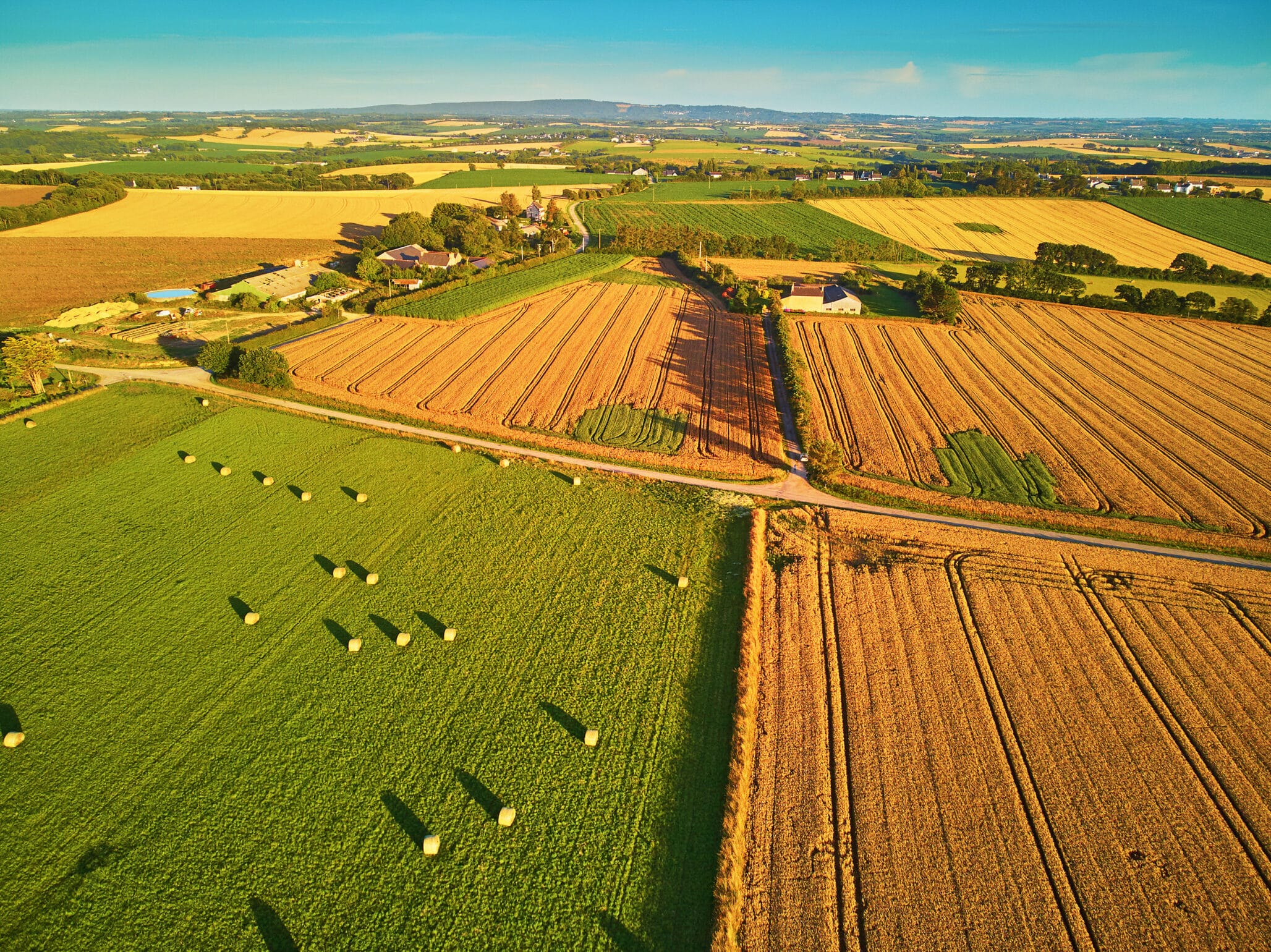
The next great challenge in agriculture isn’t yield: it’s cultivating resilience.
Across Europe, policymakers speak often of sustainability and resilience. Yet on the ground, those ideals play out in a system that still rewards production built around a narrow set of major crops. Maize, wheat, oilseed rape and sunflower dominate roughly 80 percent of the continent’s acreage — a level of concentration that raises serious questions about innovation, soil health, and long-term food security. Europe faces a strategic dilemma: how to maintain true cropping diversity — in species, genetics, companies and systems — in an environment that rewards scale above all else.
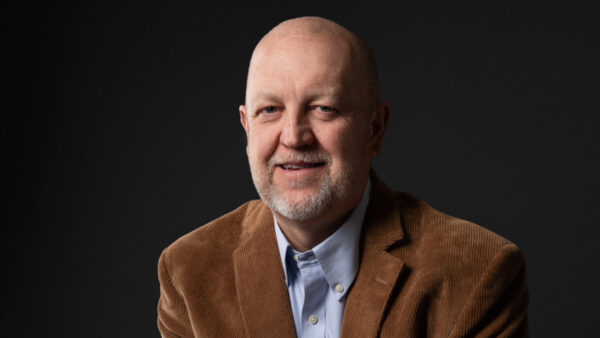
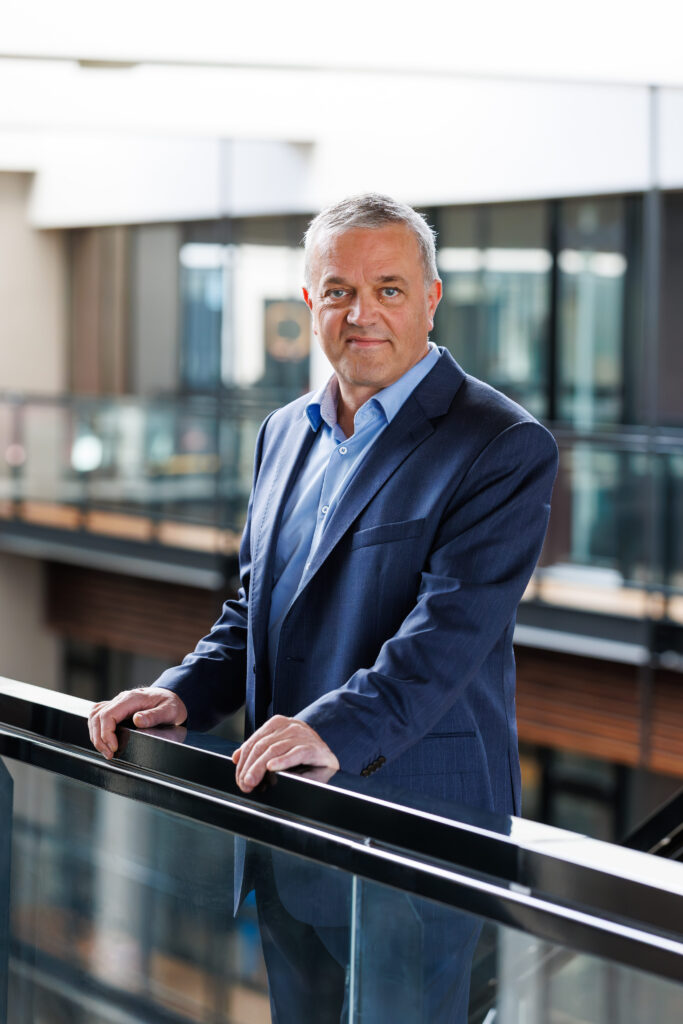
“The decisions we make today will impact agriculture for the coming decades, not just the next few years,” says Regis Fournier, past CEO and now strategic advisor to Limagrain Field Seeds. “Our duty as a seed sector is to propose solutions for the future — not only for yield, but for soil, resilience, and the generations to come.”
That long view underscores a central challenge for Europe’s seed sector: measuring diversity by acreage or crop count tells only part of the story. Real resilience depends on ‘functional diversity’: systems that support farmers to alternate crops, build soil fertility, and access genetics adapted to their environments and markets.
Diversity Beyond the Numbers
In recent years, European programs have begun to invest in that direction. Pulse initiatives — particularly for peas and faba beans — have gained momentum as awareness grows of both the soil-building power of legumes and the need to reduce dependence on imported protein crops.
One example is a €50 million, five-year French initiative focusing on peas. The program is co-funded by the French government, the agri-food chain (led by Sofiprotéol), and three seed companies: Limagrain, RAGT and Florimond Desprez.
Fournier calls it “a big bet on the future” for a crop that would not justify such an investmentwithout collaboration.
“As a private company, it would be very difficult to invest in a market that is very small and, therefore, not attractive. That’s why we decided with RAGT and Florimond Desprez to gather our efforts to invest. That motivated Sofiproteol, the government and other stakeholders to put money in, because they saw we were ready to gather our know-how, our genetics, our IP, and our means together on a crop where there is not a big market yet — but that has real potential for the future.”
Even as programs like the pea initiative show progress, however, structural incentives remain weak. Farmers still make planting decisions largely on short-term returns, and seed companies — facing high R&D costs — must prioritize markets with predictable value. Without mechanisms that reward diversification, many alternative crops risk remaining niche at best.
Why Diversity Matters
Diversity isn’t just an ecological virtue: it’s an insurance policy. From food security to soil health to regulation, diversity underpins every form of resilience agriculture depends on.
Diversity secures sovereignty. By widening the range of crops Europe can grow and trade, it protects against dependence on imports and the instability of global markets.
“When it comes to food sovereignty, we need to secure a minimum supply in the different crops we would need: energy, proteins, fatty acids, everything,” says Fournier. “In this world, which is unfortunately becoming more and more regional, that’s a concern for the future.”
Diversity also sustains soil fertility — the quiet capital of European farming.
“If you want to sustain soil health and even improve it, you must alternate crops and choose the right ones to keep the potential of your soil,” Fournier says.
Crops like legumes, cover crops, and deep-rooted species recycle nutrients, add organic matter, and protect the biological capital that long-term productivity relies on.
Finally, diversity drives adaptability. A broad seed portfolio — with genetics that can perform under different climates, stress conditions, and regulatory limits — gives Europe room to maneuver as policies evolve. As pesticide and nutrient restrictions tighten, genetic diversity becomes the key to meeting environmental goals without sacrificing yield.
Together, these dimensions show that diversity isn’t a luxury or a slogan — it’s resilience infrastructure.
Protecting the Freedom to Choose
If diversity is the foundation of resilience, then farmer choice is the mechanism that keeps it alive. But that choice depends on how markets and intellectual-property frameworks are built.
“As a pure seed company, by definition we give the choice to farmers — at least between where they buy the seeds and where they buy the chemicals,” Fournier says. “Then we need to give them choice on the crops they want to grow, the species, the varieties. That’s why we develop a multi-crop portfolio.”
Europe’s Plant Variety Protection (PVP) system has long encouraged open access to germplasm, enabling continuous innovation. As new genomic techniques move toward deregulation, the coexistence between PVP and patent protection will become crucial, Fournier says.
“We need to make sure that the regulatory and IP frameworks allow innovation to continue. New technologies will offer different possibilities for farmers — resistance to disease, resistance to biotic stresses — and that’s significant progress. But it must not lead to restricting the breeders’ exemption and access to the diversity of germplasm accessible through the plant variety protection system. That’s why Limagrain is one of the founders of the European Agricultural Crops Licencing Platform (ACLP): its one of the tools to protect breeder’s exemption.”
If patents on traits and gene edits begin to overlap with traditional breeding rights, Europe could risk the same narrowing dynamic it already faces at the crop level — fewer players, fewer pipelines, fewer options — he says. Maintaining coexistence between PVP and patents, he emphasizes, “is a way to preserve, in the long term, access to choice for farmers and to different suppliers for their seeds, and to avoid too much concentration on the market.”
Soil as Capital
For Fournier, the case for diversity ultimately comes down to what farmers build — or deplete — beneath their feet. The health of Europe’s soils, he argues, is its most undervalued asset.
“When you ask a farmer in the Midwest or in India what is his main concern, you get the same answer: ‘the fertility of my soil,’” Fournier says. “They know they consume the capital they have in their soil, but they feel armless when it comes to renewing it, reinforcing it. Alternating crops and good agronomic practices are part of the solutions to enrich the soil in organic matter.”
At present, few economic mechanisms reward farmers for building soil health.
“It’s not worthwhile, at the moment, to grow crops just to increase fertility — that’s not rewarded enough,” Fournier says. “We need to find a way to motivate them to get value also by improving the value of their soil asset.”
That shift will require new forms of policy innovation — turning soil stewardship into a measurable, tradable form of value, much as carbon is being monetized today.
“There’s a big gap between growing a commercial crop you will sell and growing a crop that only helps the soil,” Fournier says. “That’s a big challenge for European policy — to find a way to motivate farmers in this direction, and not only with constraints.”
His message to farmers is clear:
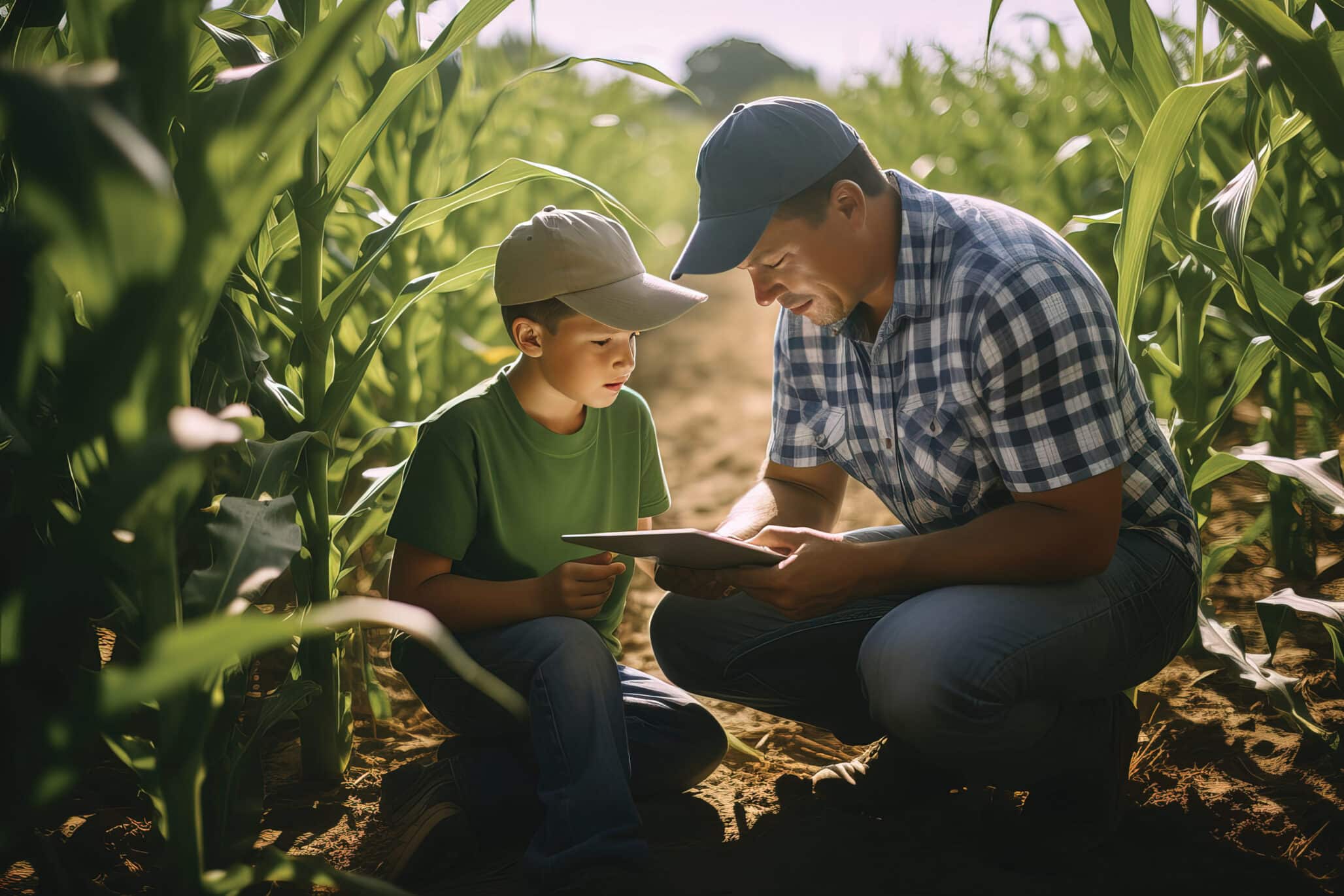
“Your job is amazing and gives you a lot of responsibility: you have to produce, but at the same time to take care of your soil. You have an immediate concern to preserve profitability of your farm, but you also have to invest for the future. This is the legacy you will pass on.”
A Collective Responsibility
If Europe’s food systems are to withstand the pressures of climate, policy, and market consolidation, responsibility must be shared across every link in the seed value chain. Breeders must keep genetic options open. Policymakers must create space for alternative crops to thrive. And farmers, in turn, must have the freedom and support to choose what best sustains their land.
As Fournier says, resilience is a collective act — one that begins in the seed but endures through cooperation, protecting not just what feeds us today, but the diversity that will feed us tomorrow.
“Diversity of the offer is key — each year and for the long term.”