Here’s why Syngenta’s South Africa Seedcare Institute matters so much.
African farmers matter.
I don’t say that as a slogan: I say it because it’s true, and because the rest of the world increasingly depends upon it.
Africa has both the responsibility and the potential to feed itself, and to contribute meaningfully to global food security. Realising that potential depends on African farmers being able to produce consistent, reliable yields under some of the most variable and demanding conditions in the world. It requires efficient practices, the right technology, and — above all — people who understand local realities and care deeply about getting it right.
That’s exactly why we built the Syngenta Seedcare Institute in Brits, South Africa. Driven by the belief that we can make a meaningful difference for Africa’s farmers, we work alongside farmers and seed companies to develop end-to-end seed treatment solutions uniquely tailored to Africa’s own realities.
Welcome to Brits!
The first thing you notice when you walk into the Seedcare Institute isn’t the building or the equipment. It’s the people. This is a team that lives and breathes the Seedcare Institute ethos: people who are deeply invested in helping seeds emerge, young plants establish and farmers succeed across every scale of agriculture.
I’m proud to say this is a place built for purpose, powered by people and focused on one goal: empowering Africa, one seed at a time.
Rooted in Africa
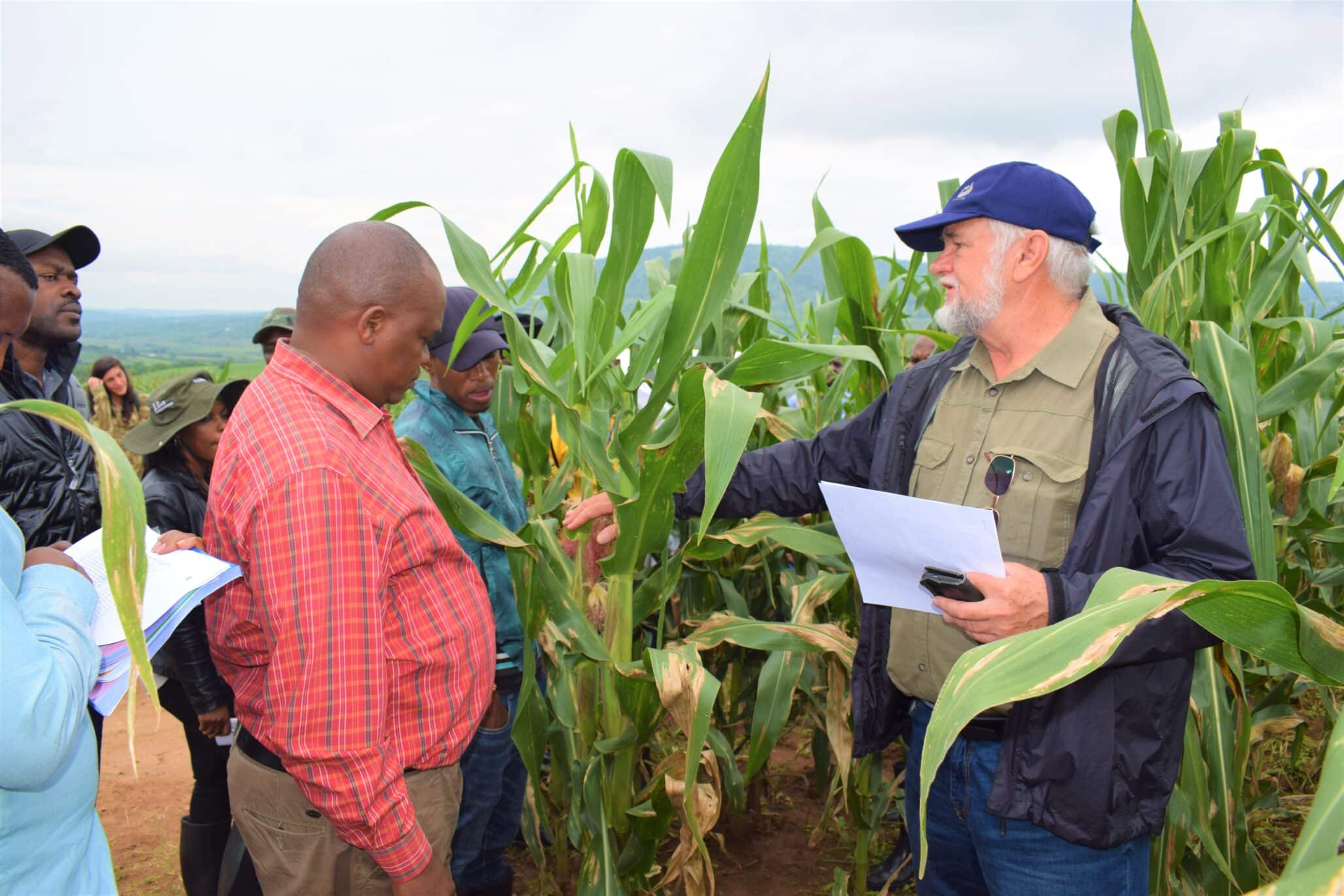
Farming in Africa is unlike anywhere else in the world. African seed markets are highly differentiated and deeply fragmented, shaped by different crops, climates, infrastructure realities and customer needs. That variability is part of what makes African farming so special: on one side of the road, you might find pocket-sized farms that sustain individual families; on the other, operations that match the scale and sophistication of the largest commercial growers anywhere in the world. Understanding these local and regional contexts is essential to serving these markets properly and developing solutions that actually work.
That’s why location matters.
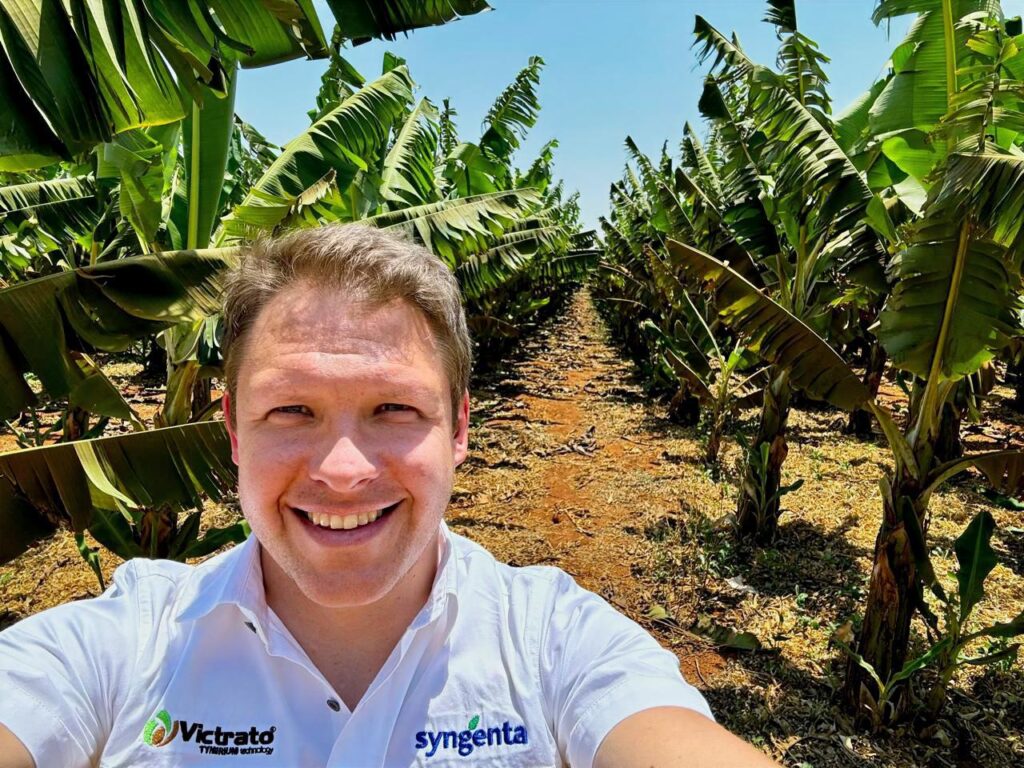
South Africa has long been a gateway into sub-Saharan Africa. Placing the Seedcare Institute in Brits allows us to engage closely with the southern part of the continent while remaining directly connected to Syngenta’s global research and development pipeline. Here, global innovation meets local understanding, allowing technologies to be adapted, refined and specified for African conditions rather than simply imported.
What makes the South African Seedcare Institute especially unique is that it is deliberately built to serve the full diversity of African farming. From smallholder farmers to the largest of commercial growers, from seed companies to distributors to retailers, the Seedcare Institute stands at the forefront of innovation, delivering value across a wide range of seed systems and production realities.
As my colleague, Wayne Janse van Rensburg, seedcare technology manager Africa Middle East, says, “Serving such varied customer segments is not always easy, since expectations and challenges differ widely. However, I see every day that seed treatment, when done properly, cuts across all needs. Seed treatment goes far beyond the product on the seed. It also means helping customers understand application, quality, stewardship and the services that follow. That end-to-end support is where real value is created.”
This is why the Seedcare Institute has become one of our strongest differentiators. Products and innovation are essential, of course. But once those products become part of farmer practice, it’s the services beyond the product that build customer trust.
Producing More From Less — Responsibly
There’s a lot of discussion globally about producing more food from less land. In Africa, this is a critical reality. Africa must currently feed 1.5 billion people, despite nearly half of its arable land being degraded. By 2070, the population is expected to at least double. Soils need to be preserved to produce enough food. What farmers need today are tools that help them get higher yields in ways that are both efficient and sustainable.
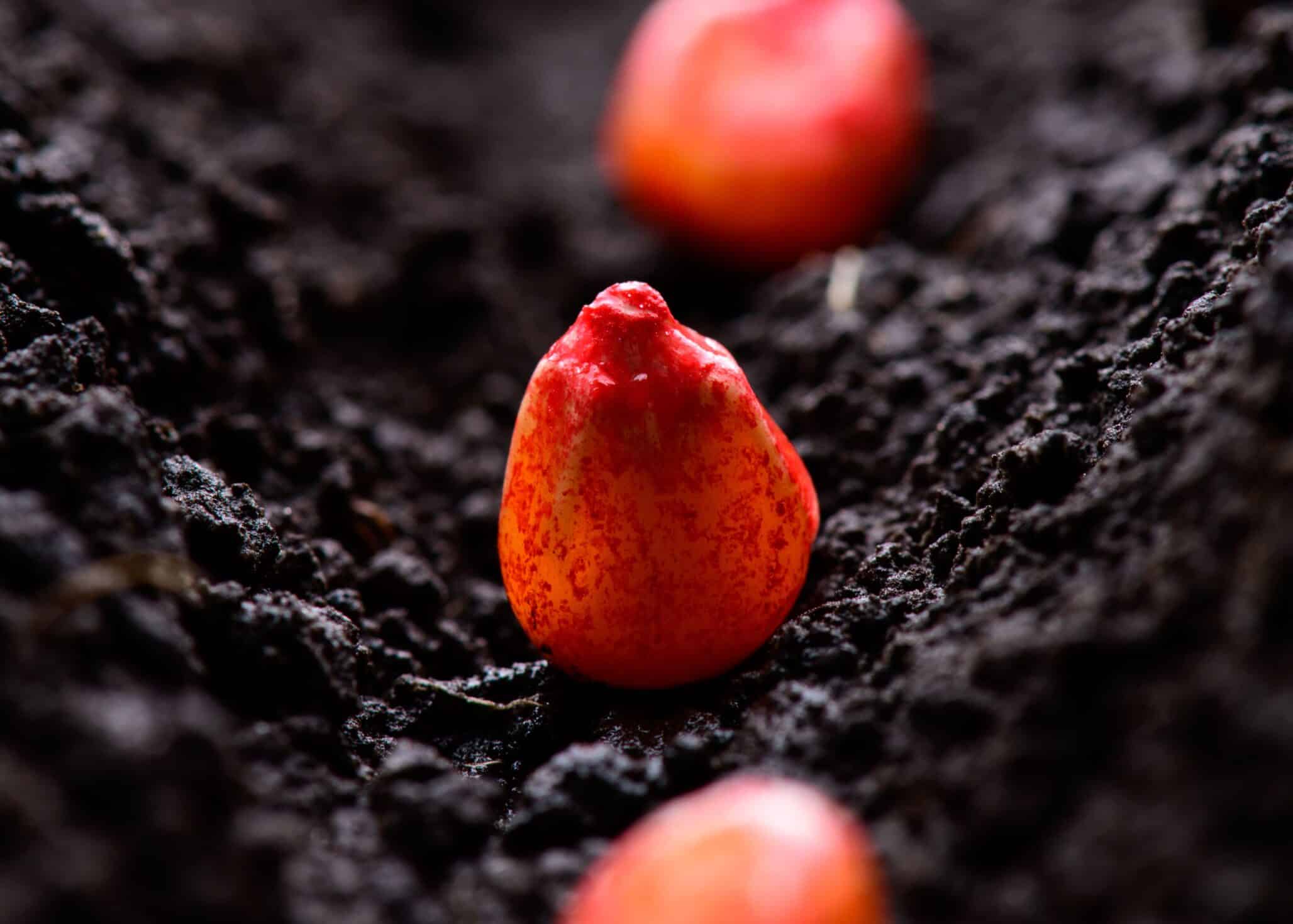
That’s what good seed treatment enables. When you protect the seed precisely and apply the right solutions in the right way, you reduce waste, improve efficiency and give the crop the best possible start. And importantly, you do that without compromising soil health or the environment.
I measure our success in value to farmers. For African farmers, one of the big markers of that value is in emergence and early establishment.
In many parts of Africa and the Middle East, the early phase is where things go wrong. Drought pressure, uneven rainfall and limited infrastructure all make establishment risky. For exactly that reason, our focus at the Seedcare Institute is to get as close as possible to a 100% emergence and young plant establishment rate. We take technologies from Syngenta’s global pipeline and then tailor them for African conditions. We formulate, test, adapt and refine. As we’ve seen over and over, a solution that works elsewhere in the world won’t necessarily work here, so it’s up to us to find unique solutions that do work in our local context.
The focus on sustainability is shared across our Seedcare Institute team and are foundational components of every decision. As Professor Driekie Fourie, product biologist at the Syngenta Seedcare Institute, puts it (and as she will explore further when she speaks at AFSTA Congress 2026 in Cape Town):
“Today, long-term food security is therefore non-negotiable. Syngenta’s R&D tackles climate change and soil health, expanding our sustainability footprint across Africa and globally. Our innovation-anchored sustainability pillars advance the agricultural solutions needed to meet this challenge by providing our customers the ‘best of both worlds’, namely new-generation plant-protection products as well as biologicals.”
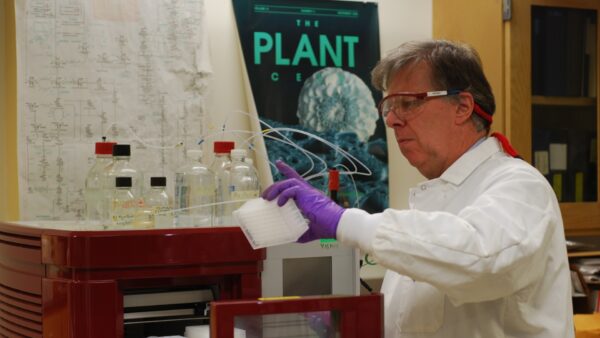
The commitment to sustainability goes well beyond products. It is embedded in how we think about all components of seed treatment, application and stewardship. Whether it’s our ever-improving application technology, our laboratory ‘s focus on soil health and sustainability, even secondary systems like our investment in responsible wastewater management, the principle is the same: intensify agriculture while supporting soil health and future productivity. Some of the Seedcare Institute projects I’m most excited about include studying soil microbiome interactions, developing sustainable seed treatment solutions, researching climate-resilient seed treatments and supporting integrated disease and pest management strategies.
The Path Ahead
Like every farmer and every business connected to agriculture, I’m acutely aware of how much of farming sits beyond our control. In Africa especially, climate variability remains one of the greatest challenges, particularly during those early, critical stages of crop establishment when success or failure is often decided.
And yet, I’m deeply optimistic.
I’ve spent my career alongside African farmers. Watching their commitment, perseverance and creativity, whether they’re farming a few hectares or managing large commercial operations, has given me enormous confidence in this continent’s agricultural future. They are every bit as capable and professional as the best growers anywhere in the world. I believe deeply in the people working in the field and in the teams at the Seedcare Institute who support them every day.
That optimism is reinforced by what we’re building through the Seedcare Institute itself. As climate change and evolving pest pressures continue to reshape agriculture, the Seedcare Institute has become a critical resource for the region: a place where sustainable farming solutions are developed, where soil health is actively researched and protected, and where technical knowledge is shared through hands-on training and expert support. All of it is aimed at strengthening regional food security and helping farmers manage risk more effectively, season after season.
I’m also excited by the innovation coming through the pipeline, particularly in seed treatment chemistry and seed-applied biologicals. When strong technology is combined with local understanding and committed people, the impact can be transformative.
At the end of the day, the Seedcare Institute is built around one simple idea: enable plants to thrive so growers can prosper, communities can be fed, and agriculture can move forward responsibly.
That’s why we’re here. And that’s why I’m proud of the people and the purpose behind this work.