How NGOs, films and storytelling are reshaping the sustainability debate — and what success could look like for the seed sector.
In Part 1, Hidde Boersma dismantled the idea that sustainability must be synonymous with restraint, arguing that high-yield systems and technological progress are not enemies of nature, but essential tools for its protection. Yet recognising a flawed narrative is only the first step. The harder question is what comes next.
In this Part 2, the conversation shifts from diagnosis to practice: how do you introduce a techno-optimistic, abundance-oriented vision into a landscape long dominated by scepticism toward innovation? From building WePlanet into a global NGO, to using film, theatre and storytelling to reduce polarisation, Boersma reflects on the cultural work required to give the seed sector and high-yield agriculture a confident, credible place in the sustainability story of the decades ahead.
SWE: You co-founded WePlanet, now active in more than 20 countries. What was the initial struggle in establishing a techno-optimistic NGO in a landscape often sceptical of innovation, and how do its campaigns, from alt-meat to CRISPR to land-sparing, help reshape the public understanding of modern agriculture?
HB: WePlanet very consciously stands on the shoulders of ecomodernism. But introducing a genuinely new narrative into society is extremely difficult. Once a dominant frame is in place, it is hard enough to challenge it, let alone place an alternative next to it. In practice, it often feels like one against a hundred.
The NGO landscape is remarkably uniform. Most environmental NGOs operate within the same worldview: harmony with nature, degrowth, stepping back, cutting consumption. To borrow a phrase from Charles Mann, they are all preaching variations of the same prophecy. That creates a strange dynamic for an organization like WePlanet. On the one hand, there is a kind of blue ocean. There is clearly space for a different voice. On the other hand, you are asking people to rethink beliefs they have invested in for decades.
Convincing someone who has spent thirty or forty years committed to a single story that there might be another path is hard work. That applies whether the topic is new genomic techniques and CRISPR, nuclear energy, or the idea that highly productive agriculture can be deeply sustainable. These ideas run directly counter to what many people have been taught to believe.
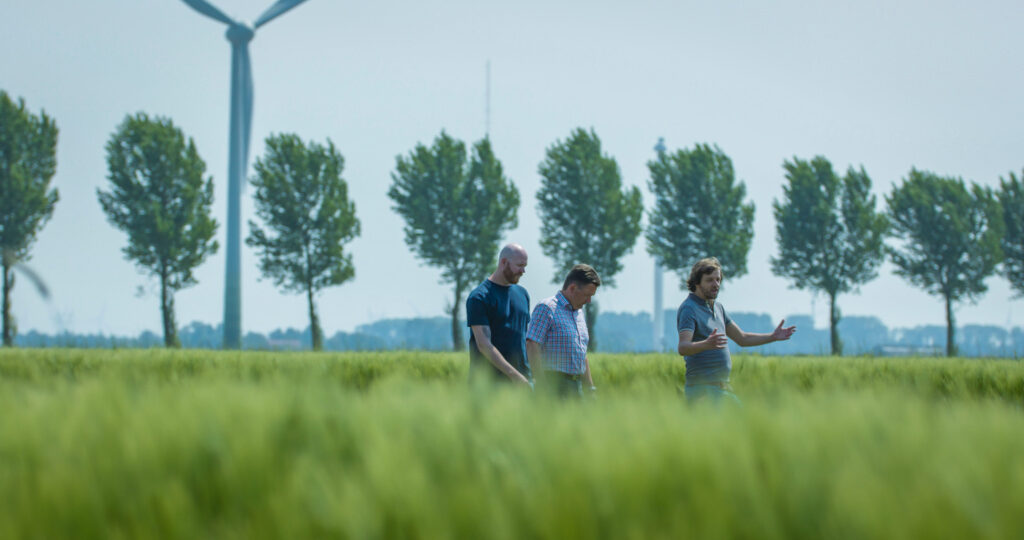
At the same time, I am convinced that the tide is slowly turning. Take land sparing as an example. In the Netherlands, this concept is now clearly gaining traction. You see it reflected in policy debates and even in parts of different election platforms. Science is very much on our side here. The idea that organic or low-input agriculture is automatically more sustainable is itself a legacy of 1970s thinking. Over the past decades, research has increasingly shown that producing more on less land often delivers better outcomes for biodiversity and ecosystems.
But facts alone are not enough. We are very aware that values matter just as much. This is where the other NGOs have traditionally been strong. The harmony-with-nature narrative creates a powerful sense of community. Images of organic farms, food forests, people working together with their hands in the soil are warm, intuitive, and emotionally appealing.
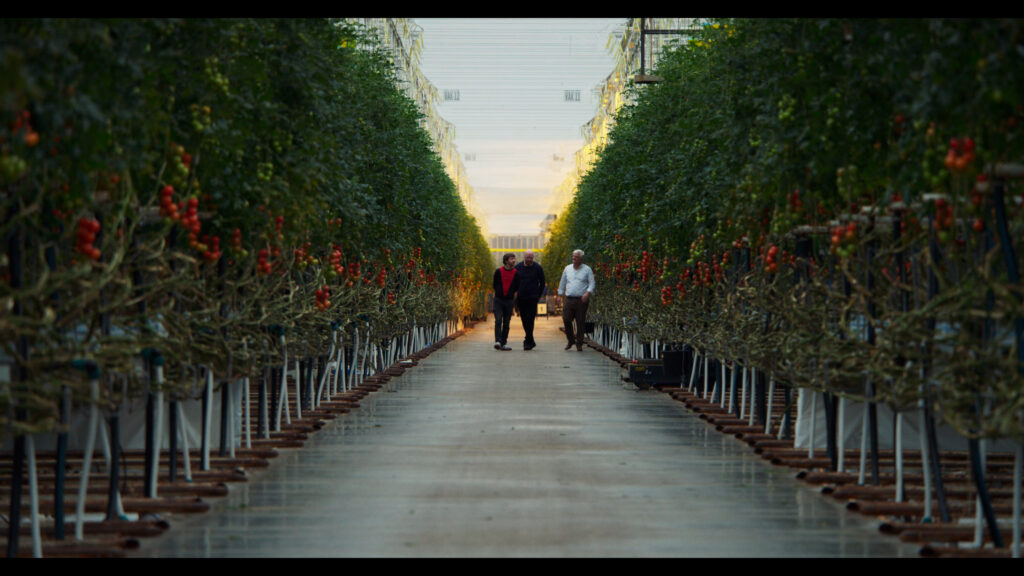
For WePlanet, the core values are autonomy, freedom, choice, and progress. Those are sometimes harder to translate into comforting visuals. A greenhouse does not immediately evoke the same emotional response as a food forest. Yet the benefits of that greenhouse exist elsewhere. The high productivity of places like the Westland is precisely what makes it possible to preserve and restore landscapes such as the Ardennes, Alsace, or the Black Forest. The beauty is displaced, but it is very real.
What I increasingly see, especially in the Dutch context, is that this story resonates with a much broader political spectrum. Christian democrats, liberals, social liberals, and parties like Volt show genuine interest in this approach. For many of them, it feels like a new option that simply did not exist before. They had absorbed many elements of the classic green narrative not because it was a perfect fit, but because there was no credible alternative sustainability framework available.
For a lot of people, encountering the ecomodernist perspective creates a real moment of recognition. There is another route, one that aligns better with their values. It can be a liberal story, but it is also very much a social-democratic one. It is about an active state that invests heavily in sustainability, that allows economic growth and environmental progress to reinforce each other, and that ensures people actually experience the benefits of that progress in their daily lives.
That is what makes this narrative so powerful and, ultimately, more attractive. But it remains an uphill battle. We are challenging a story that has been dominant for half a century, supported by deeply entrenched interests and institutions. Ideas take time to reshape societies. The environmental narratives born in the 1970s took decades to fully translate into policy. I can only hope, and work toward the goal, that this new story will move faster.
SWE: Across your films (Well Fed, Paved Paradise, Origin of Food), your NGO initiatives, and even your theatre projects, storytelling seems central to the way you try to shift perspectives. What role can art, film, and narrative play in reducing polarisation in the food debate, and how do these tools support the vision behind The First Sustainable Generation?
HB: In many ways, this question touches on the most important lesson I have learned over the past twenty years, or perhaps more accurately, since finishing my PhD. And that lesson is a painful one for a scientist to admit: facts alone do not change minds.
When I first entered the public debate, especially around genetic modification, I genuinely believed that expertise would speak for itself. I had just completed a PhD, I understood the science in depth, and I assumed that if I explained the evidence clearly, people would listen. That turned out not to be true at all. Very quickly, I learned that you need a compelling story, not just correct information.
The choice people make between sustainability narratives is rarely about facts. Whether someone supports nuclear energy or renewables only, genetic technologies or their rejection, land sparing or land sharing, these positions are fundamentally about values. They reflect the kind of society people want to live in. Data may inform these choices, but it does not drive them.
That insight completely changed how I think about persuasion. If you want to convince people of the value of land sparing, you do not do it by throwing scientific papers at them. You do it by telling a story they can see themselves in.
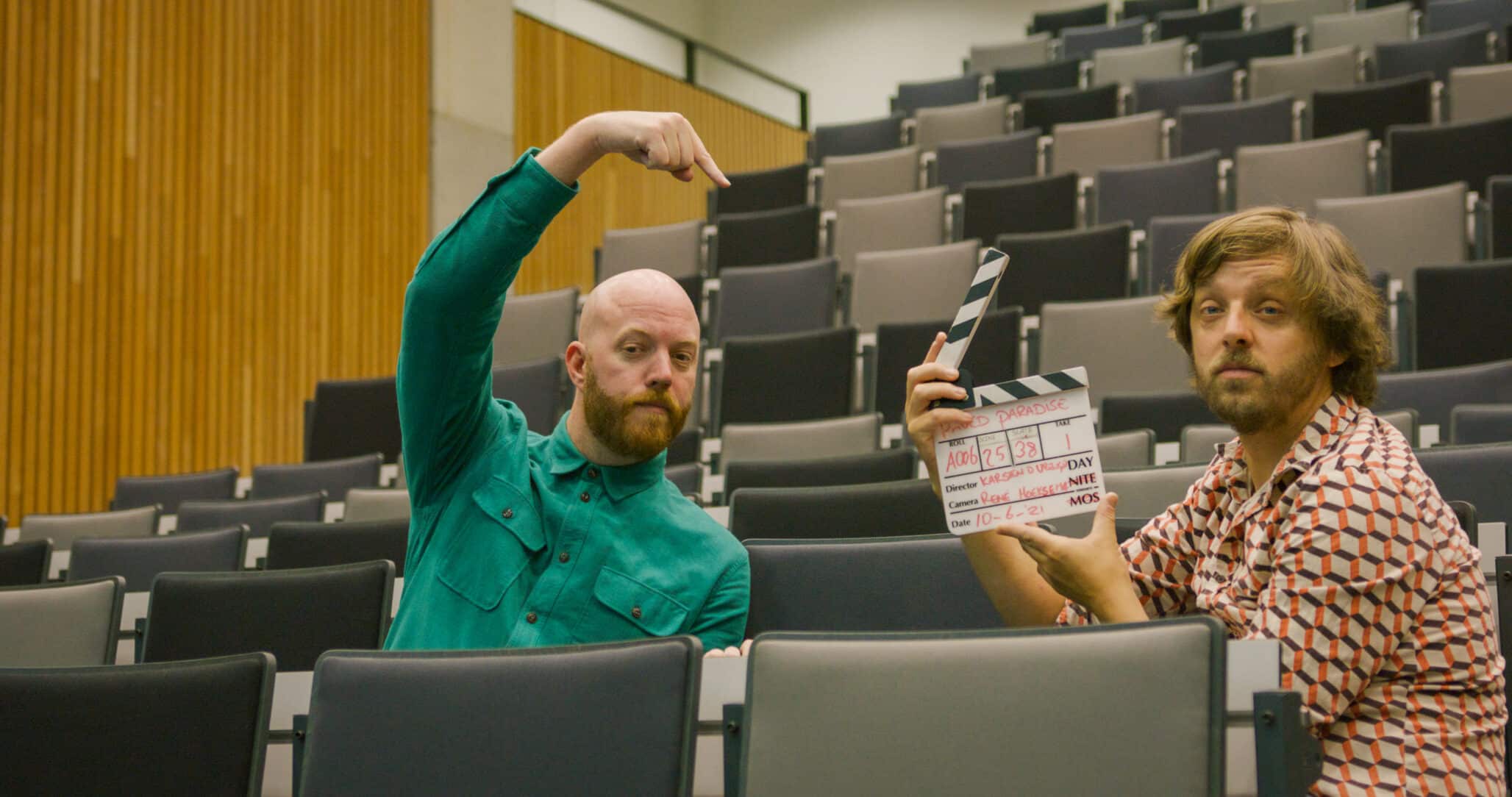
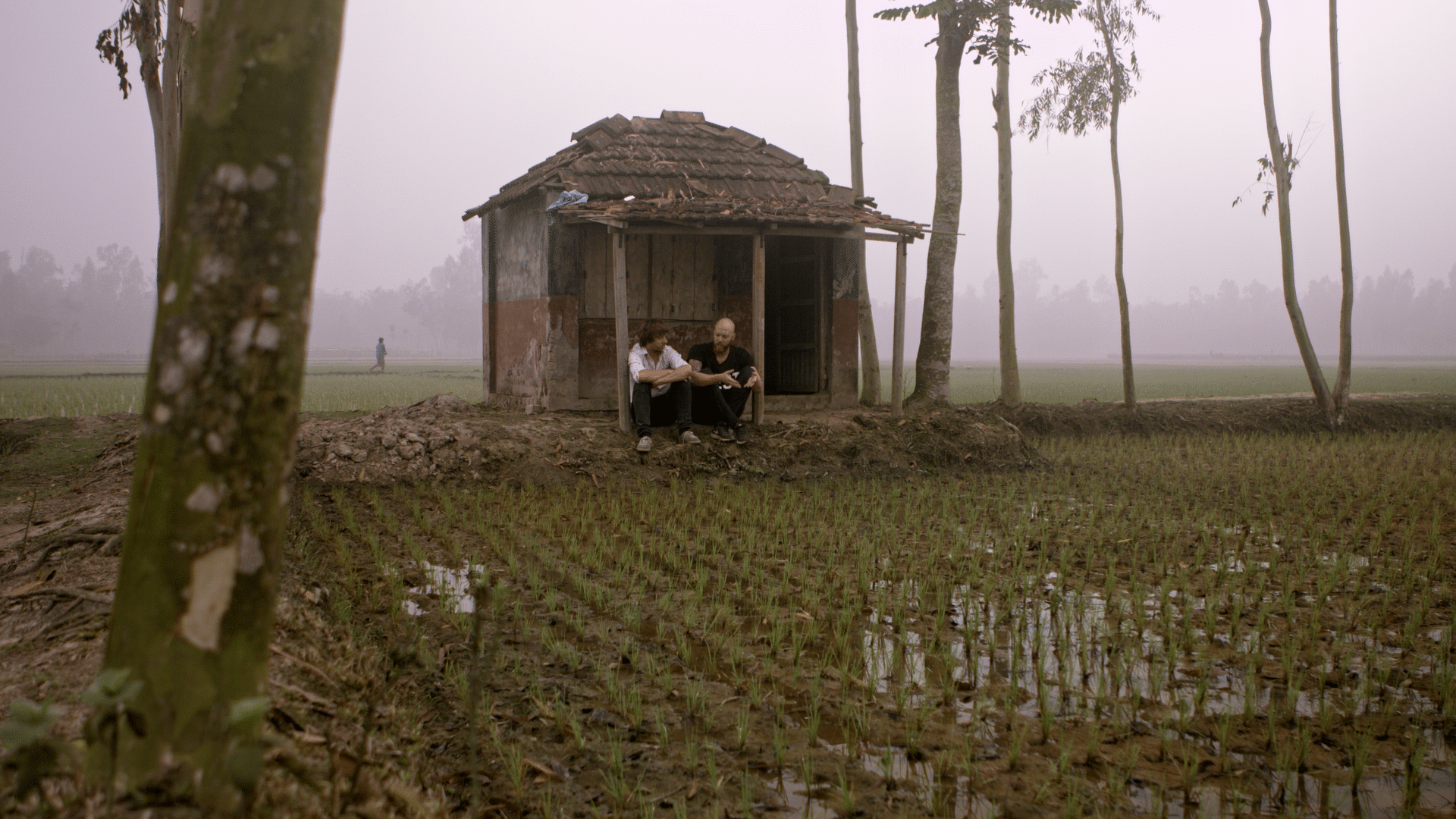
In Paved Paradise, for example, we went to Costa Rica to make that story tangible. Together with a former minister, we travelled through the country to show what land sparing actually looks like in practice. Costa Rica is the only country in the world that has deliberately implemented a land-sparing strategy. It has doubled its forest cover while simultaneously becoming a global leader in the production of tropical fruits. Those outcomes are powerful, but they only really resonate when people can see them and feel them.
That is the core lesson I have taken into my work across film, books, and the stage. Sustainability has to be experienced as something warm, human, and desirable. People need to feel that they belong to a vision of the future.
Organizations like Greenpeace have always understood this well. They offer a sense of community, a moral identity, a group you want to be part of. If we want a modern, high-yield, technology-positive sustainability model to succeed, it needs that same emotional grounding. People need to feel that a modern world can be a good world. A world with more nature, more freedom, more opportunity, and better lives.
In the end, that feeling matters far more than any collection of facts or figures.
SWE: Looking decades ahead — say 10 to 50 years — what would success look like to you? How would the public conversation about sustainability, abundance, biotechnology, and the high-yield/seed sector ideally have transformed because of your work?
HB: If you look at history, it is clear that changing a dominant societal narrative takes time. Organizations like Greenpeace and Milieudefensie needed almost 50 years to fully embed their worldview into public consciousness and, eventually, into policy. What began in the 1970s has now materialized in things like the European Green Deal. That tells us something important: new stories do not win overnight.
So, when you ask about the horizon of 10, 20, 30, or even 50 years, my hope is very clear. I hope that by then this abundance-oriented, high-yield sustainability narrative is fully established and widely accepted.
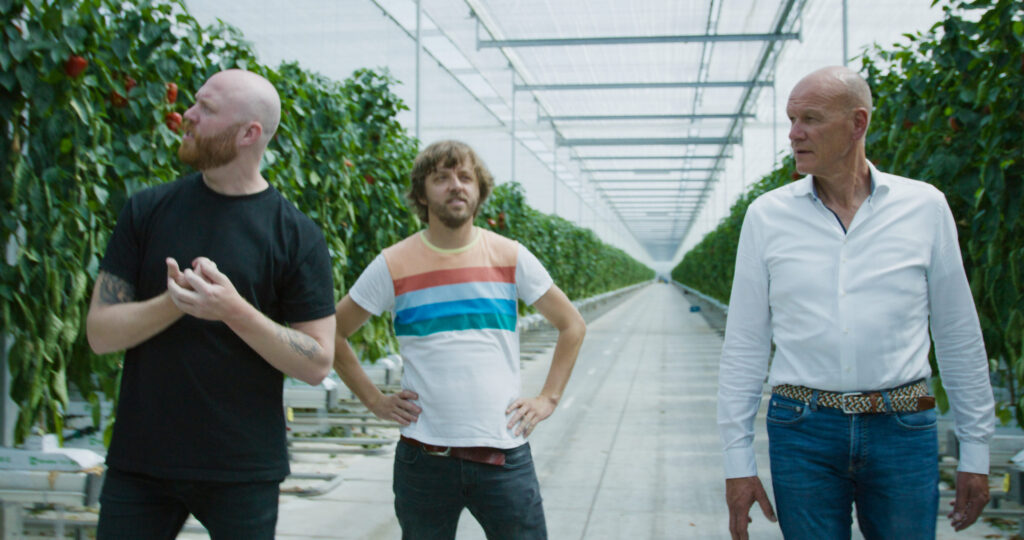
At the moment, my work operates on two levels. On the one hand, I am focused on public persuasion. Projects like The First Sustainable Generation aim to reach broad audiences and shift how people intuitively think about sustainability. On the other hand, through initiatives like Blue Planet and collaborations within The First Sustainable Generation, we actively bring companies together, especially from greenhouse horticulture and the seed sector.
What I already see happening there is encouraging. These sectors are beginning to realize that they cannot keep trying to fit themselves into a narrative that was never designed for them. They need to articulate and own their own story. One that shows they have a legitimate, credible, and attractive role in a sustainable future fifty years from now. That realization alone is a major step forward.
My hope is that this pluralism becomes normal. That society and politics recognize there is more than one pathway to sustainability. That high-yield, technology-driven approaches are no longer treated as a compromise, but as a core solution. And that this perspective is increasingly reflected in policy choices.
If I allow myself to dream, and focus for a moment on Europe, the vision becomes very concrete. Already in the 1990s, studies showed that if agriculture were truly optimized and concentrated on the most suitable land, Europe could meet its food needs using roughly thirty percent of the current agricultural area. That opens up an extraordinary possibility.
I imagine a Europe that is modern, innovative, prosperous, and confident. A Europe with dramatically more space for nature than today. A continent where large areas are rewilded, restored, and accessible, and where people can genuinely enjoy that recovered nature. It is a vision of abundance in every sense: material abundance, moral confidence, and ecological richness.
That is what success would look like to me.