A new study has mapped pathogen hotspots around the world and shown how soils can naturally suppress disease, while also pointing to growing climate-related risks.
Led by Professor Brajesh Singh of the UWA School of Agriculture and Environment and The UWA Institute of Agriculture, and published in Nature Communications, the research developed new tools to detect pathogens, beneficial microbes, and functional genes.
The findings lay the groundwork for better surveillance tools and microbiome-based strategies aimed at reducing plant disease risks in a changing climate.
Using predictive models, the scientists also showed that climate change could further heighten pathogen risks, with several major bacterial plant pathogens likely to expand their geographic range under future climate scenarios.
“We identified 32 dominant pathogens by studying 1602 soil metagenomes from 59 countries,” Professor Singh said.
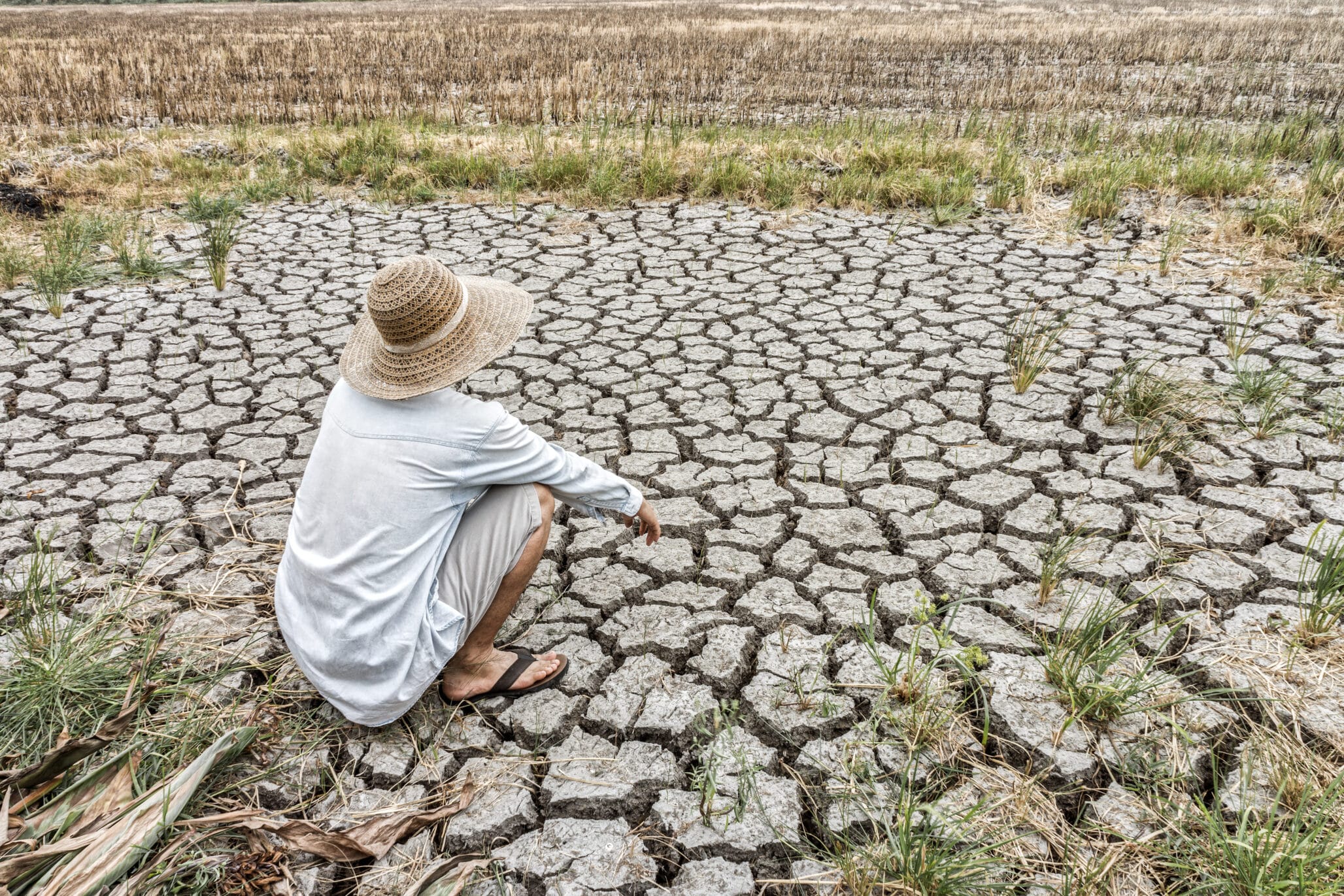
“Our study found global hotspots of plant pathogen occur in warm ecosystems and agricultural soils, whereas high microbial diversity, increased soil organic carbon, and colder climatic conditions are associated with lower pathogen prevalence.”
Plant diseases caused by bacterial and fungal pathogens reduce global agricultural productivity by hundreds of billions of dollars each year and pose a significant threat to food security, according to a press release.
In natural ecosystems, these diseases lower primary productivity, diminish biodiversity, and reduce the capacity for carbon storage.
“Farmers are facing increasing disease pressures because of the minimal availability of effective chemical and resistant crop varieties,” Professor Singh said.
Professor Singh’s group had previously reported global maps of dominant fungal and oomycete pathogens in soil but detecting bacterial pathogens has been technically and bioinformatically demanding.
“Identifying the global distribution of dominant pathogens and the environmental and management practices that enhance or suppress pathogen abundance is critical for reducing the impacts of plant disease on global food production,” Professor Singh said.