

The Legacy of Kentucky 31: Tradition vs. Innovation
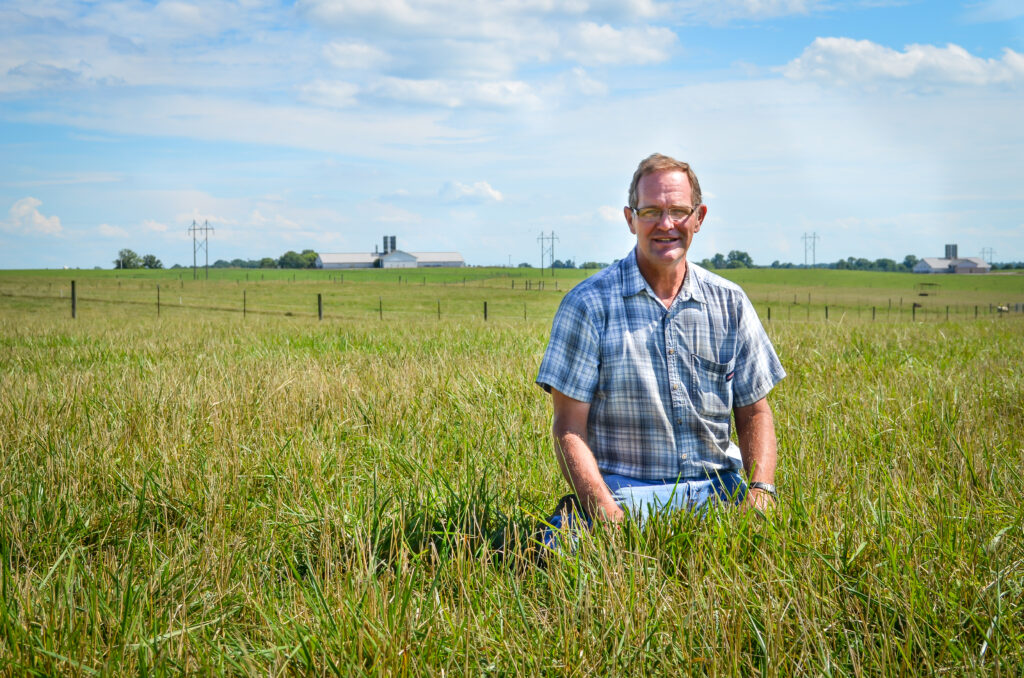
First discovered in 1931 and released in 1943, Kentucky 31 has become a staple for both forage and turf, widely praised for its resilience in various climates. However, its association with a toxic endophyte — a naturally occurring fungus that can cause health problems in livestock — has driven Phillips to work on improving the grass.
The Science of Crossing Species
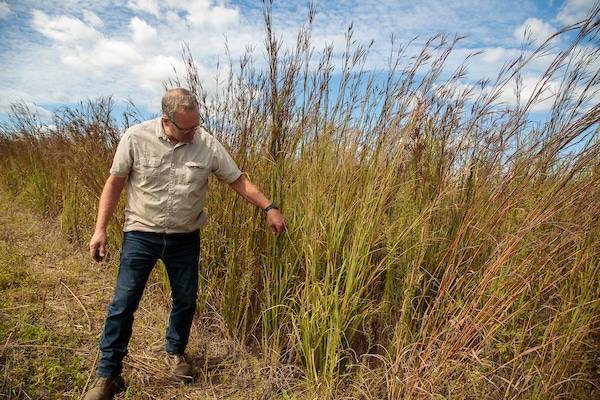
Part 3 of Breeding the Future of Turf and Forage. One of the most exciting aspects of Phillips’ work is his research on hybrid grasses, specifically the cross between Kentucky […]
The Balancing Act of Meeting Consumer Expectations
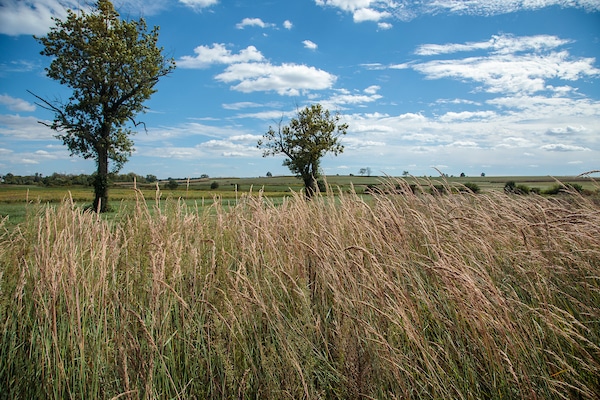
As a grass breeder, Phillips is constantly balancing the demands of the market with the realities of breeding. Consumers often prioritize aesthetics over sustainability, gravitating toward grasses that are lush, green and uniform. However, as environmental concerns grow, Phillips is seeing a shift in consumer behavior — particularly in the turf industry, where there is increasing interest in grasses that require fewer inputs like water and pesticides.
We’re Live From the Seed Congress of the Americas!

The Seed Association of the Americas (SAA) and the Argentine Seed Association (ASA) will officially open the 9th Seed Congress of the Americas this afternoon in Buenos Aires, Argentina. The […]
What a Sustainable Ecosystem in Agriculture Can Do
Increasing yields, disease resistance, stress tolerance and improved food and feed quality have always been key goals for breeders and seem to become even more important. With climate change, farmers […]
On the Verge of a New Era in Plant Science Innovation
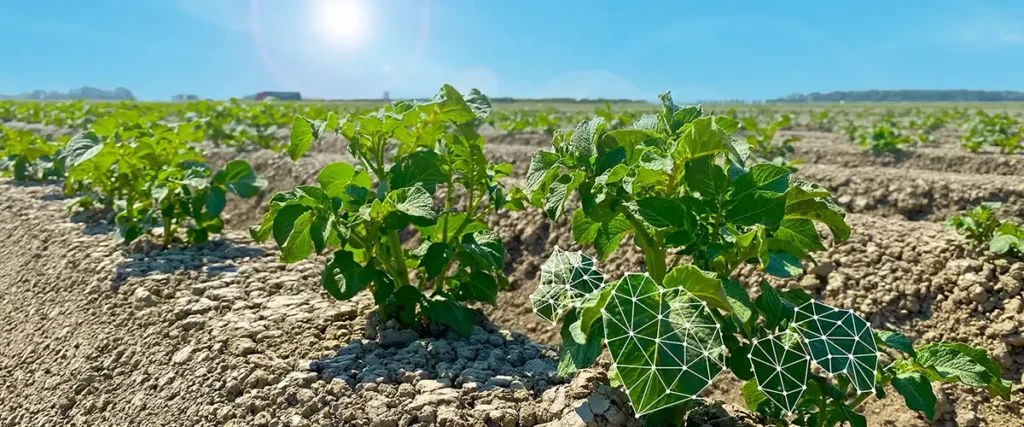
How a unique public-private consortium is transforming sustainable agriculture and crop development. Why it Matters: Started in 2023, CropXR is an initiative of four Dutch knowledge institutions (Utrecht University, Wageningen […]
Does Continuous Cropping Reduce Greenhouse Gas Emissions in Semi-Arid Regions?
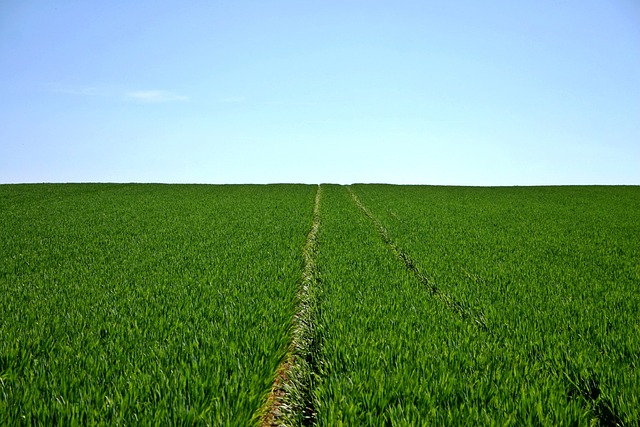
Researchers at the USDA Agricultural Research Service (ARS), Northern Plains Agricultural Research Laboratory (NPARL), in Sidney, Montana, have concluded a groundbreaking study that demonstrates how continuous cropping systems can help sustain crop yields while significantly reducing greenhouse gas (GHG) emissions in semi-arid regions.
Seed World is Giving Away a $25,000 Prize
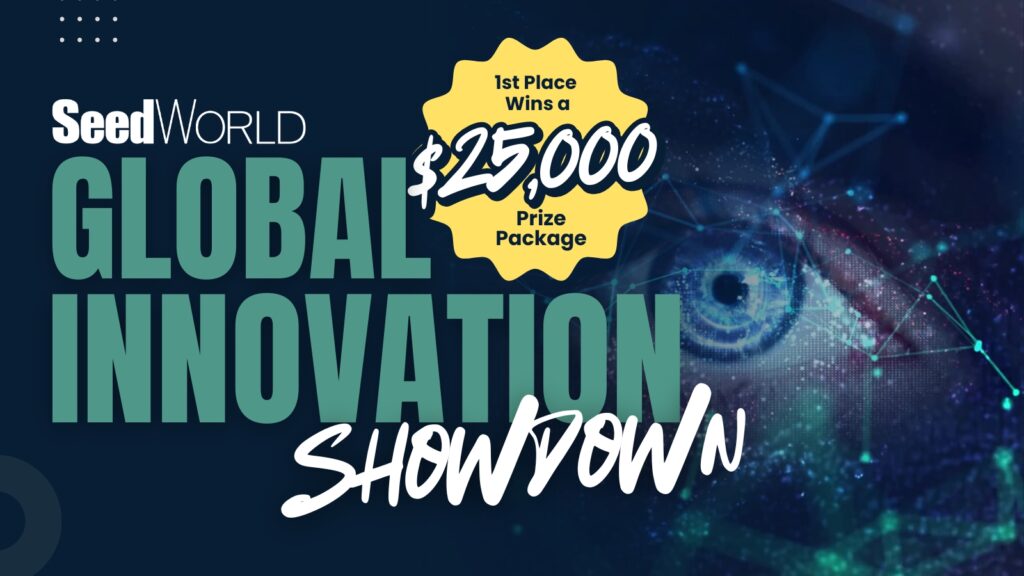
The 2025 Seed World Global Innovation Showdown is celebrating breakthrough innovations in the seed industry across the globe. This competition offers an opportunity for innovators to share their cutting-edge solutions, gain recognition and propel their innovations into the spotlight.
Gene-Edited Wheat, Next-Gen Oats and Cool Technology: Watch our New Webinar on Innovations in Cereals
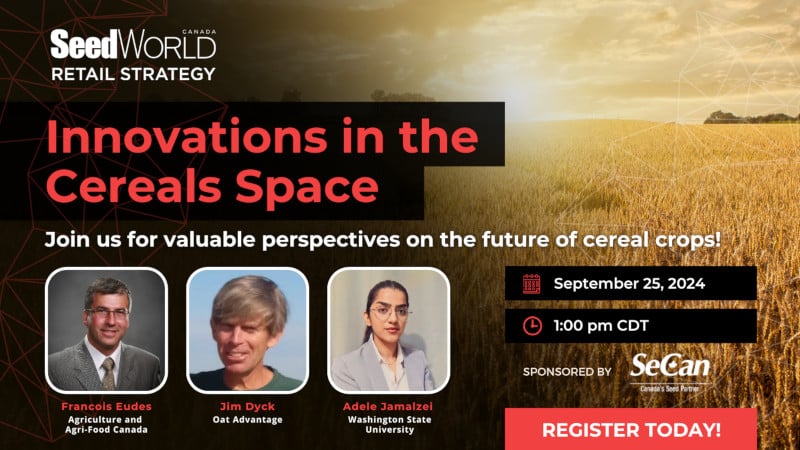
Miss today’s webinar? No worries! Watch our on-demand Seed World Retail Strategy webinar focused on Innovations in Cereals, where experts in the field share their knowledge and breakthroughs in cereal […]
USDA Addressing Key Challenges of Specialty Crop and Organic Agriculture Producers
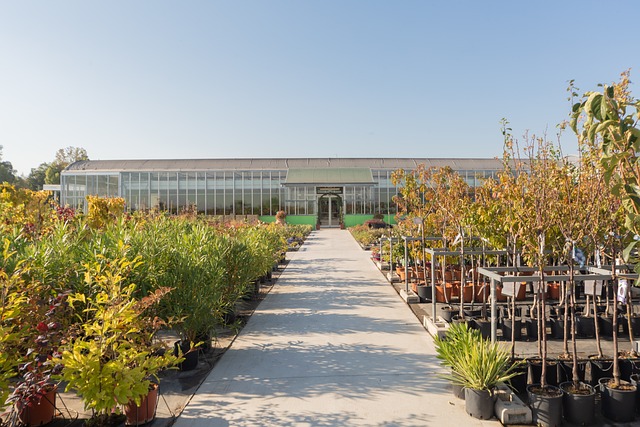
The U.S. Department of Agriculture (USDA) has announced a nearly $121 million investment to advance research and Extension activities aimed at addressing key challenges faced by specialty crop and organic […]
Seed Congress of the Americas Coming Next Week

One-on-one with Congress organizer Diego Risso, who walks us through why the Congress is a not-to-miss event. The Seed Congress of the Americas will be held Sept. 30 to Oct. […]
Moving ASTA FOORward

As the new chairman of the American Seed Trade Association (ASTA), Dan Foor brings a wealth of experience and a FOORward-looking vision to his role. With a background that spans more than two decades in the seed sector, Foor’s journey to this leadership position is marked by dedication, innovation and a deep commitment to the seed industry.
Sneak Peek at Corn Belt Seed Conference and Discounted Registration
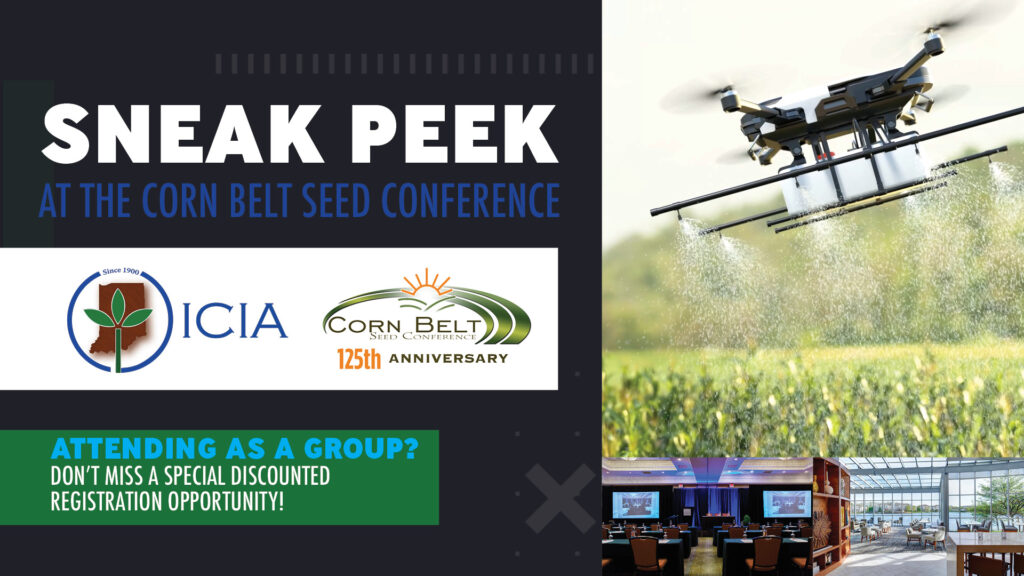
In this short video, Craig Nelson, ICIA’s CEO, walks through why you won’t want to miss the Corn Belt Seed Conference and ICIA’s 125th anniversary celebration, coming up November 12-13. Registering […]
US Farmland Declines by 75 Million Acres Over 25 Years, Census Data Shows
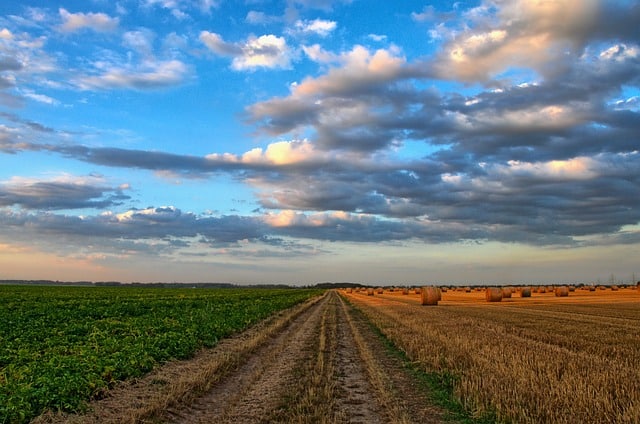
A new analysis based on data from the U.S. Census of Agriculture reveals that farmland in the United States has shrunk by 75 million acres, or 8%, between 1997 and 2022. This decline is primarily attributed to the reduction in pastureland, which accounted for 88% of the total loss, with a decrease of 65 million acres. The report highlights that cropland and woodland also experienced declines of 2% and 6%,
Ag Groups Urge Congress to Reauthorize Key U.S. Trade Program

The GSP is a key U.S. trade program that expired at the end of 2020. In a letter addressed to the Senate Finance Committee and the House Ways & Means Committee, the groups emphasized the importance of renewing GSP to expand foreign markets for American growers and boost economic growth in developing countries.
EPA Grant Funding Research to Reduce PFAS
University of Virginia study aims to reduce “forever chemicals.” Bryan Berger, an associate professor of chemical engineering at the University of Virginia, received a $1.6 million grant from the Environmental […]
Bioplastics and the Plastic Waste Problem
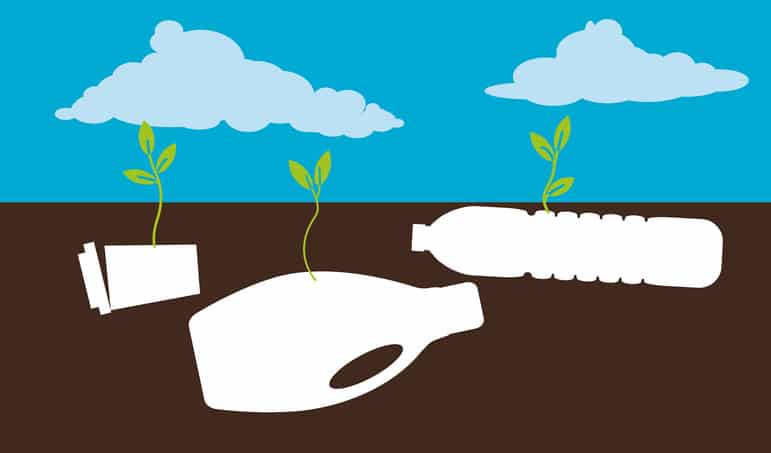
In the classic film “The Graduate” a family friend corrals young Benjamin, who had just graduated from college, and whispers into his ear: “Plastics.” The year was 1967 and plastics […]
Are Regional Seed Associations Still Relevant?

I’ve heard the question more times than I’d like recently: “Are regional seed associations still relevant?” We’re living in a time where technology globally connects us in the blink of an eye. It’s easy to overlook the crucial role our regional associations still play. However, for those of us deeply involved in the seed industry, I would say that these associations remain indispensable. Here are five reasons why.
Corn Growers Push for Farm Bill Before November Elections

As fall approaches, Washington should be buzzing with activity, especially with key legislative agendas like the farm bill hanging in the balance. Yet, the looming presidential and congressional elections have […]
Sustainable Mulch Films Aim to Reduce Plastic Pollution and Boost Soil Health
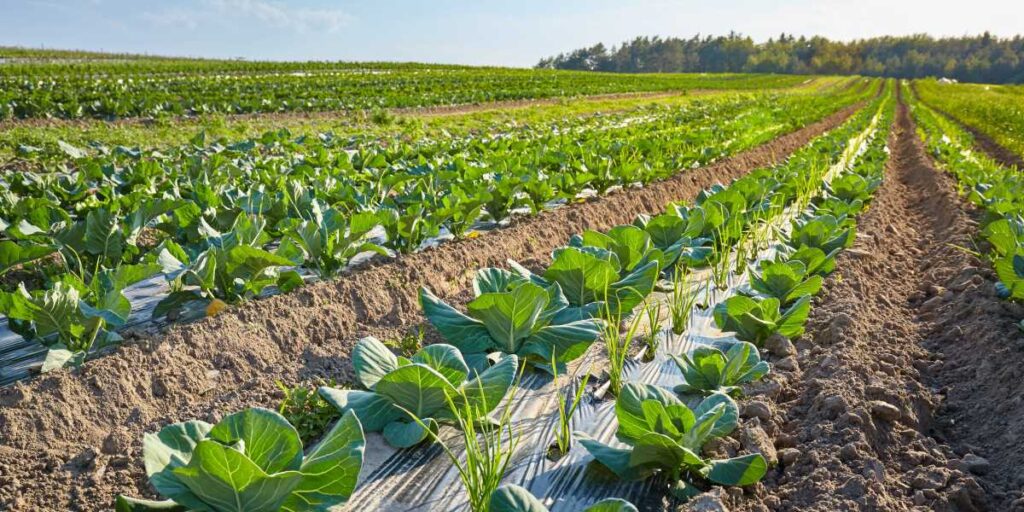
Lehigh University researchers are developing biodegradable mulch films that deliver nutrients to crops, offering an eco-friendly alternative to traditional plastics in agriculture. Invasive weeds are not only a nuisance in […]
Equivalence of Ukrainian Seeds

The country is gaining equivalence of seeds for oil crops, sugar beets and soybeans. Ukraine has been a powerful contributor to the global and European agricultural market for several decades. […]
InnovAction Stage Impact: Key Takeaways, Benefits and Outreach
Join us for an insightful conversation with Erika Maugeri, Manager Communications at Euroseeds, as she discusses the much-anticipated Euroseeds InnovAction Stage. With Euroseeds Congress just around the corner, Erika shares her […]
Agri-food Chain Coalition Responds to Draghi Report on the Future of EU Competitiveness

The Agri-Food Chain Coalition (AFCC) has issued a statement in response to the European Commission’s Draghi Report, emphasizing the need for investment in sustainable innovation backed by outcome-based policy frameworks. The statement […]
Positioning South America as a Sustainable Food Superpower with Global Impact

South America’s unparalleled ability to produce food places it in a global power position, yet it hasn’t taken real advantage of its strengths … yet. At the recent World Agri-Tech Summit […]
Breakthroughs in Crop Breeding That Boost Food Security Likely in Next 20 Years, Says Global Seed Sector
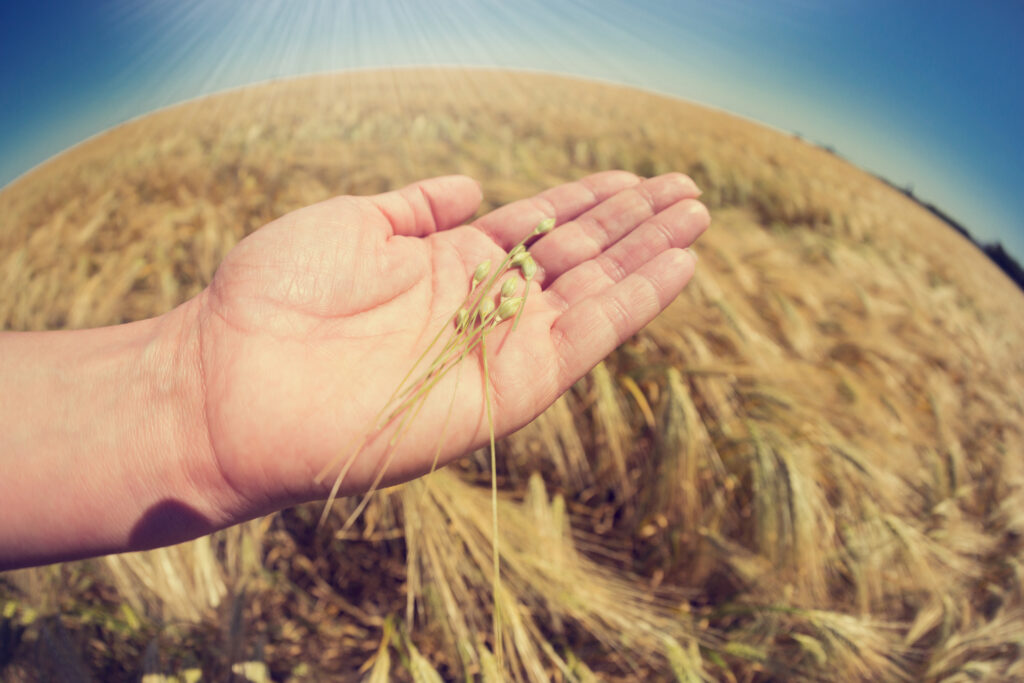
Improved seeds and greater acceptance of crop biotechnology are on the horizon, according to a survey of more than 200 seed sector insiders. New plant breeding breakthroughs to accelerate the […]
Research for Stronger Corn
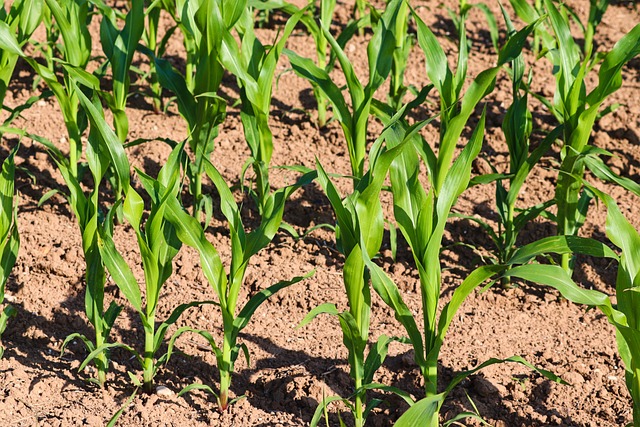
New research uncovers the surprising role of COI1 proteins in maize, offering insights into how this staple crop balances growth and defense. Corn is one of the most globally significant […]
Nominations Still Open for WSA Young Seedsman of the Year Award

Apply by Oct. 1. Every year, the Western Seed Association honors one outstanding individual with the Kurt Austermann Young Seedsman of the Year award—a recognition that goes beyond just industry […]
A Sustainability Paradigm Shift is Happening. Why Selection Indexes are a Big Deal
As farmers face growing pressure to adapt to climate challenges, tools that simplify decision-making around sustainability are becoming essential. Kathryn Grant, who has been at the forefront of developing sustainability […]
Plans of the Hungarian Presidency for Seed Related Legislations

The Hungarian EU Presidency began its work on July 1, 2024, when Hungary took over the baton from Spain. In the past year intensive negotiations took place during two presidential […]
A New Collaboration Aims to Accelerate Advanced Gene Editing Solutions

Corteva and Pairwise want to broaden the use of gene editing. Corteva recently announced a new collaboration with Pairwise, a gene editing company in the food and agriculture sector, in […]
A New Way to Predict Corn Gene Expression
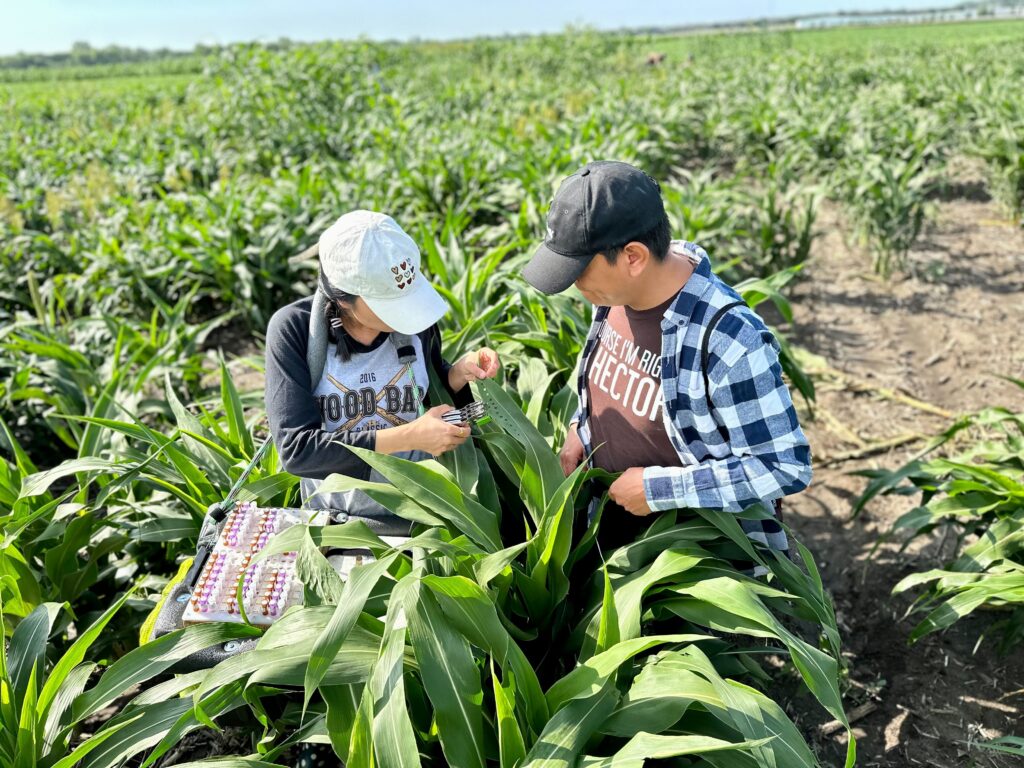
James Schnable, a plant breeding and genetics professor for the UN Department of Agronomy and Horticulture, is conducting research funded by the U.S. Department of Energy. His work focuses on using plant RNA or gene expression to predict differences between corn plants. This unique approach to evaluating corn hybrid performance in varying environmental conditions has the potential to streamline the development of not just corn, but other crop hybrids, drastically changing how hybrids are developed.
Predicting Corn Gene Expression, Part 2
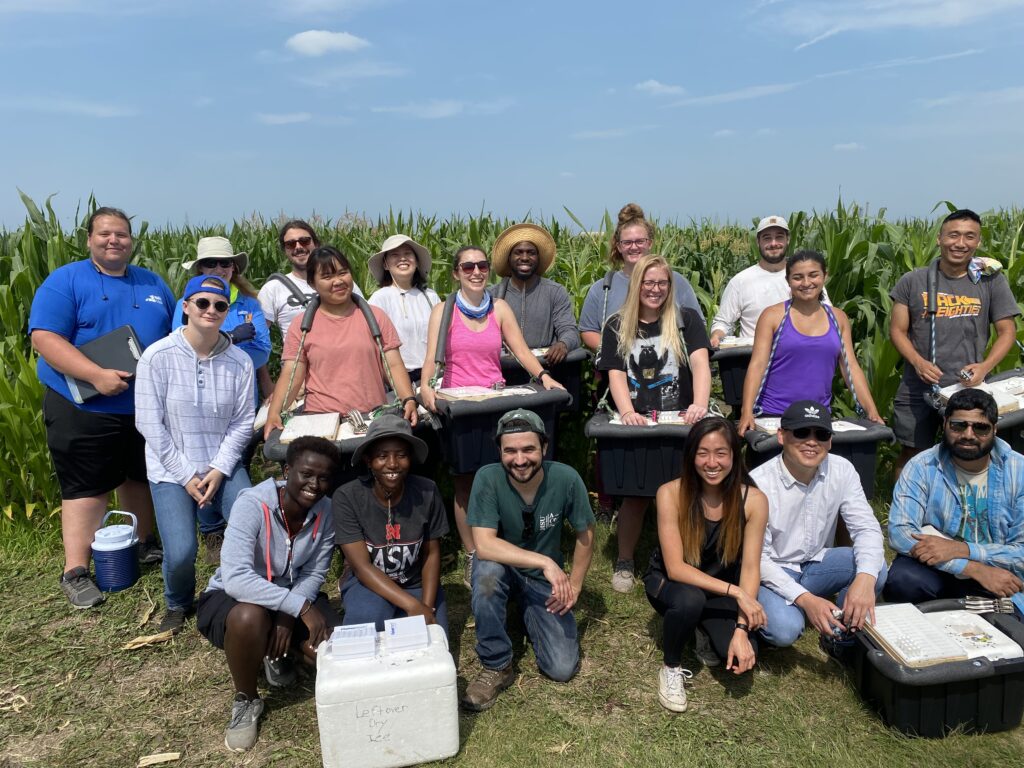
Predicting the Future One of the team’s key findings was the correlation between when the plant starts grain filling and the amount of plant leaf surface. Under current conditions, the […]
Presidential Candidates Harris and Trump Respond to Agricultural Issues

The American Farm Bureau recently published the results of a survey about issues that will likely impact farmers, ranchers and rural communities over the next four years.
Leadership & Innovation in Seed Treatment | Frida Dalemar, Managing Director of Lantmännen BioAgri
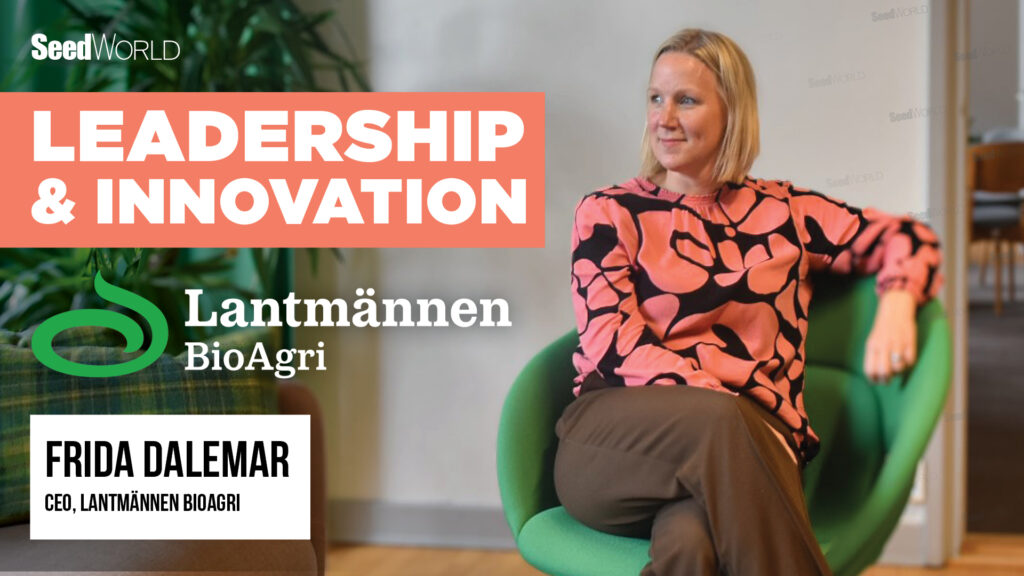
In this insightful interview, Frida Dalemar, Managing Director of Lantmännen BioAgri, offers a deep dive into her journey within the Lantmännen Group and shares her bold vision for the future […]
The Digital and Technological Revolution in LATAM Ag: Are We Villains or Heroes?

Seed World LATAM sat down with Seed Congress of the Americas presenter, Carlos Becco, for a chat about how LATAM’s seed sector is leading the way towards a sustainable future. For […]
Ukraine Simplifies Import Procedures for Seed Samples
Dutch seed companies can now anticipate quicker approvals and less red tape when importing seed samples to Ukraine for research and breeding. The seed industry in Ukraine is primarily regulated […]