

Canada’s Seed Sector This Week: Pressure is Building, but so is Momentum
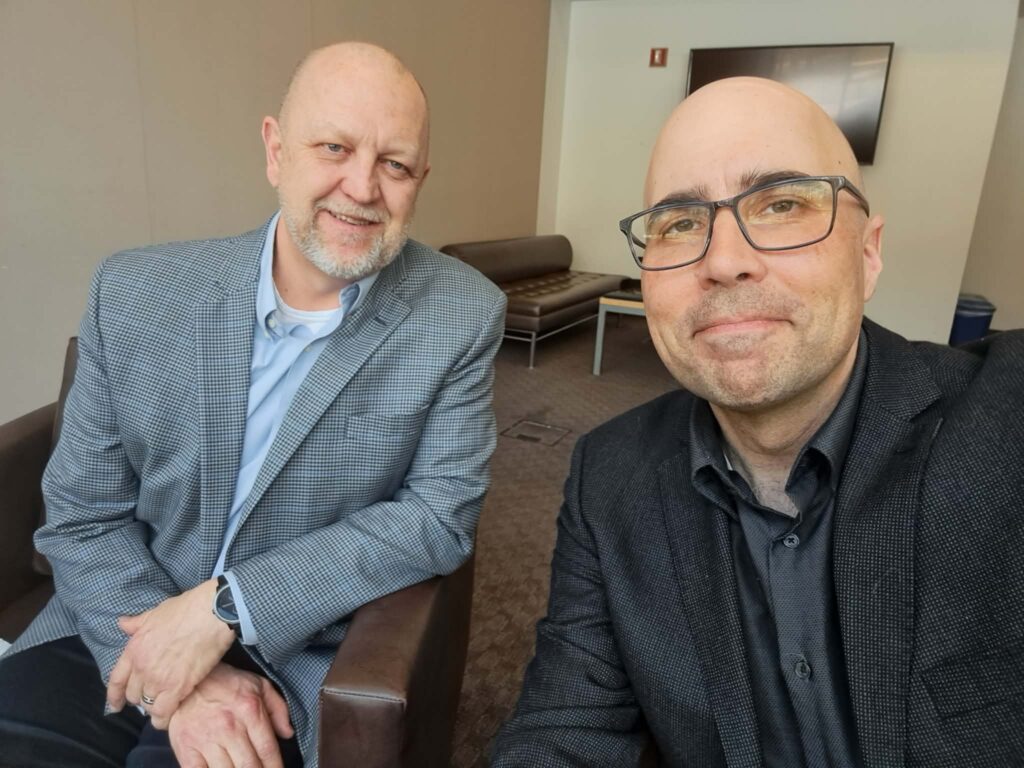
As funding concerns grow and research capacity tightens, tools like the VUA and a reset in Seeds Canada leadership signal a sector starting to respond in real time
Seeds Canada Prepares for 2026 AGM After Successful Seed School
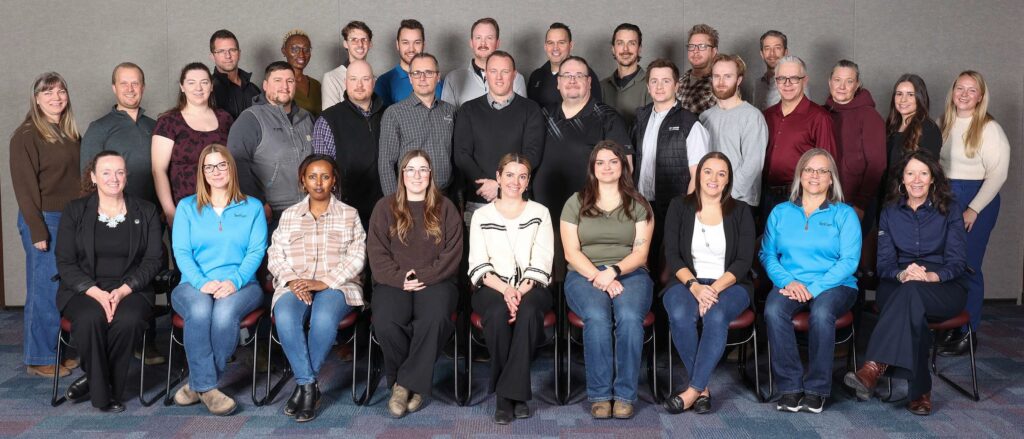
A full-capacity Seed School in Winnipeg set the stage for July’s Annual Meeting in Saskatoon
Seed Innovation in Canada: The Funding Problem No One Can Ignore
Seeds Canada CEO Dan Wright explains why current models are falling short — and how new approaches like the Variety Use Agreement could change the game
Breeders Trust Flags Illegal Seed Potato Sales in Online Marketplaces

Breeders Trust is monitoring online sales of seed potatoes, highlighting growing cases of illegal trade via Facebook groups and webshops. Uncertified seed and misuse of ware potatoes raise plant breeders’ rights concerns and phytosanitary risks. The organisation urges stronger awareness, enforcement, and compliance to protect innovation and ensure fair practices across the potato sector.
New Jalapeño, Murupi and Ornamental Peppers Move to On-Farm Testing in Brazil
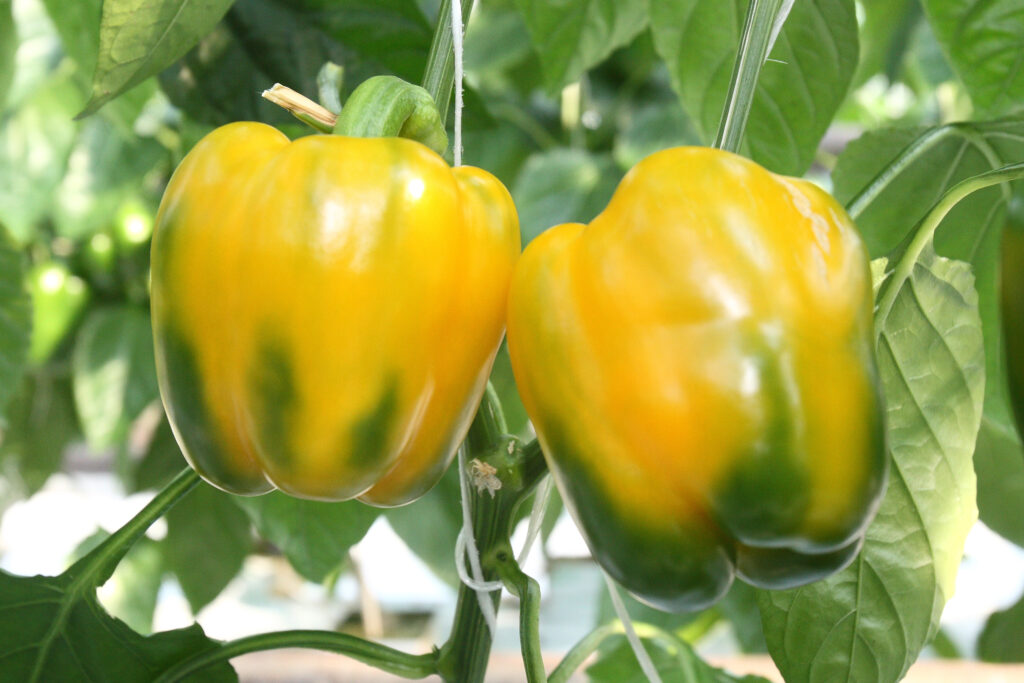
New jalapeño, murupi, fresh-market, and ornamental pepper materials from Embrapa Vegetables are advancing to on-farm testing in Brazil. Developed to meet demands from growers, processors, and ornamental markets, the cultivars aim to improve agronomic, industrial, and functional traits. The program supports sustainable production, organic systems, mechanized harvesting, and greater competitiveness across Brazil’s expanding pepper value chain.
Ukraine’s Seed Sector During the Russian Invasion of Ukraine: Production, Exports and EU Integration
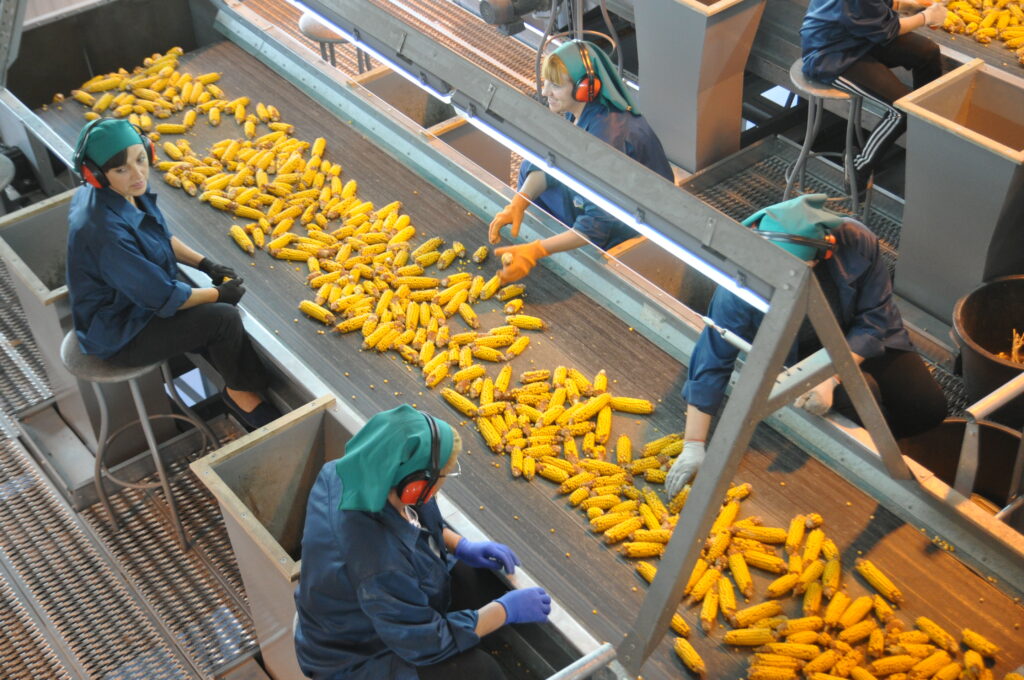
Ukraine’s seed sector faces disruption from the Russian invasion of Ukraine, including energy shortages, mined farmland, logistics barriers, and labour gaps. Despite producers maintain output, invest in infrastructure, adapt operations. Farmers sustain planting levels, while exports to the EU recover. Regulatory alignment and industry partnerships are strengthening competitiveness, positioning Ukraine as a resilient and growing player in global seed markets.
Your Data Doesn’t End at the Lab, It Shows Up in the Field
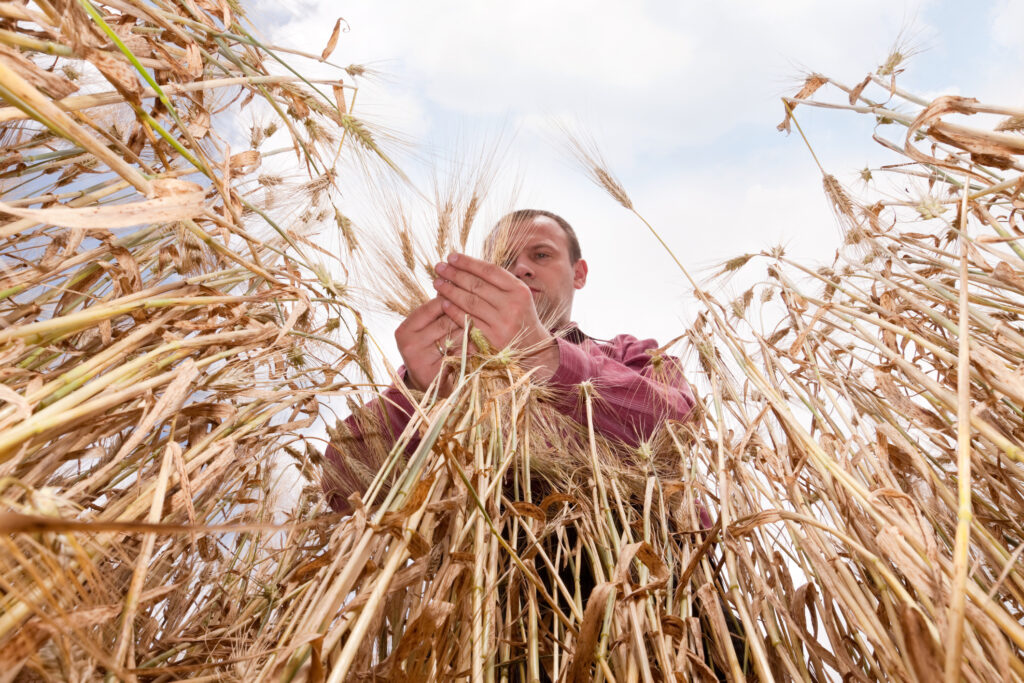
Seed testing decisions often rely on germination percentage alone, but field performance depends on more. This rye case showed how abnormal seedlings, Fusarium pressure, and seed stress can signal hidden risk despite acceptable germination results. Iowa State University Seed Science Center helps growers interpret seed quality data more fully, improving management decisions, stand establishment, and real-world crop performance.
The Final Four? Bioenergy Crops Beyond Corn Competing for the Future of Energy
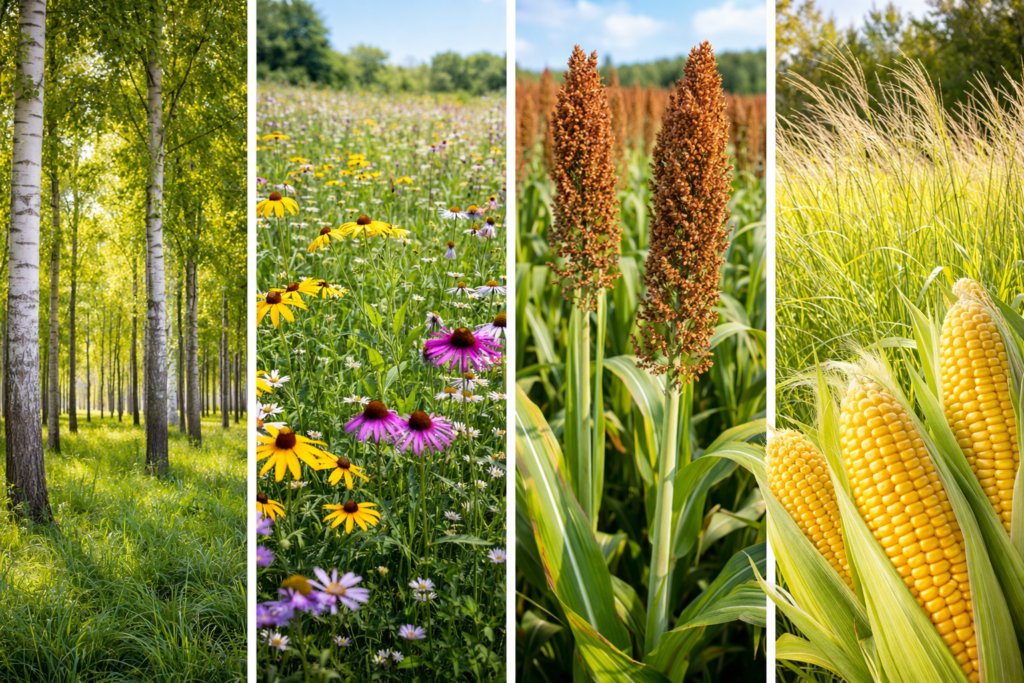
Four bioenergy crops go head-to-head in a March Madness-style showdown, revealing how poplar, sorghum, switchgrass and mixed prairie are competing beyond corn to shape the future of sustainable energy.
The Overlooked Role of Seed Processors in Crop Success
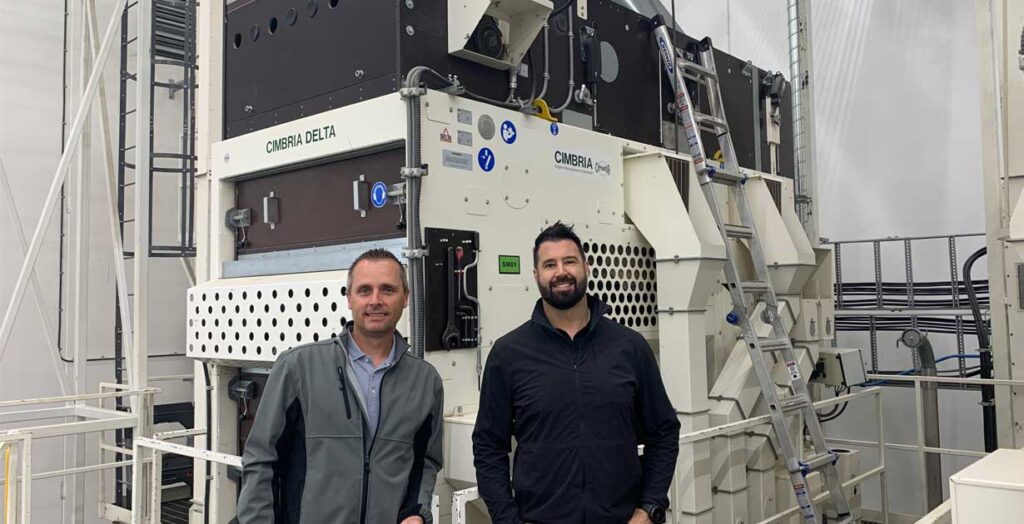
While often behind the scenes, seed processors are essential to delivering the consistency and quality growers rely on every season. I didn’t take a straight path into agriculture, but it’s […]
On the Brink Episode 4: The End of the Status Quo
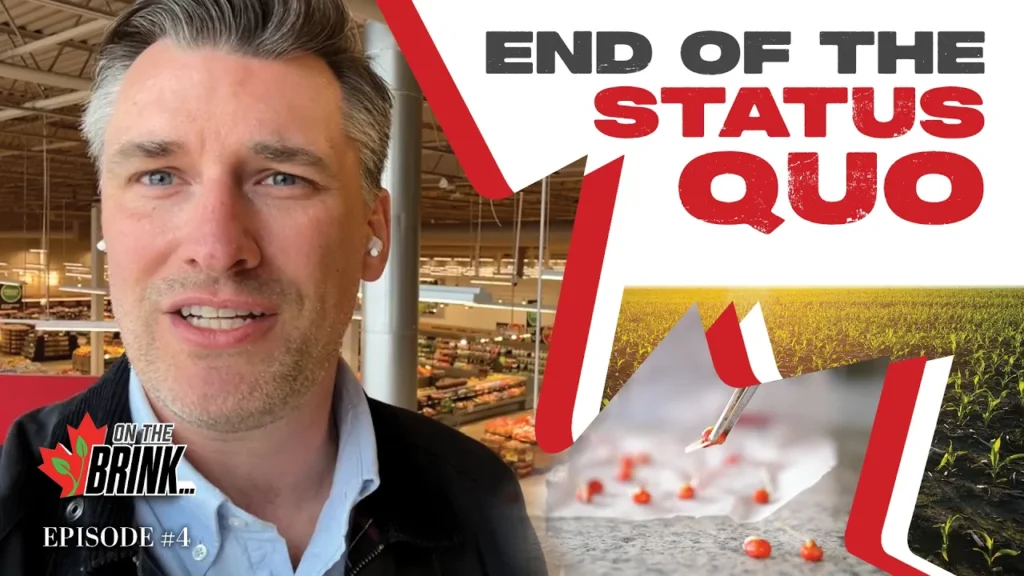
Federal cuts are closing key research facilities across Canada. Doug Miller of the Canadian Seed Growers Association joins On the Brink Episode 4 to ask what comes next for Canadian plant breeding — and who builds the model that replaces what’s being lost.
Nuevos pimientos jalapeños, murupi y ornamentales pasan a la fase de pruebas en fincas en Brasil
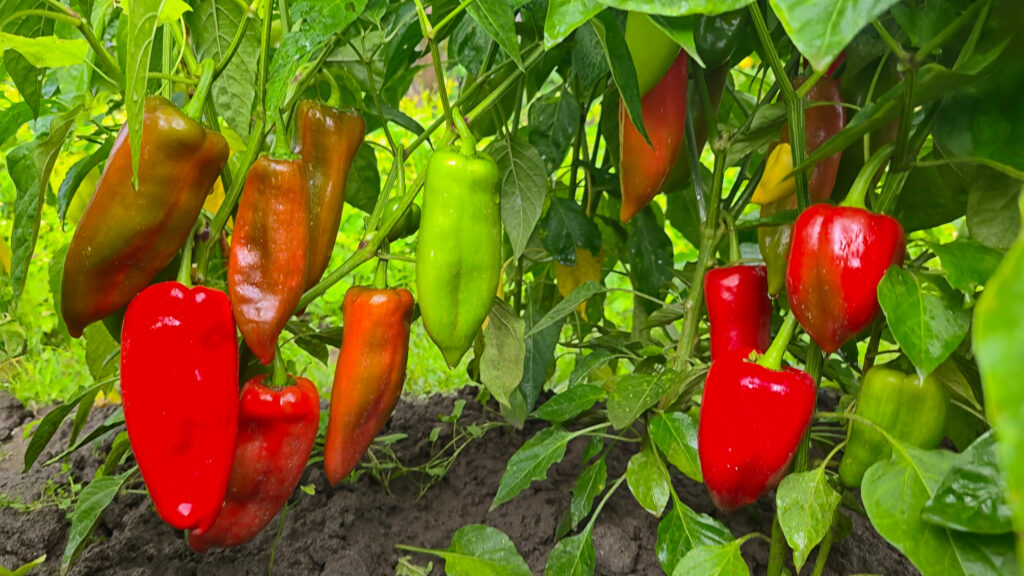
Nuevos materiales de jalapeño, murupi, consumo fresco y pimientos ornamentales de Embrapa Hortalizas avanzan a pruebas en campo en Brasil. Desarrollados para atender a productores, procesadores y mercados ornamentales, buscan mejorar rasgos agronómicos, industriales y funcionales. El programa impulsa producción sostenible, sistemas orgánicos, cosecha mecanizada y mayor competitividad en la creciente cadena de valor del chile en Brasil.
How “Either/Or” Thinking Limits Your Company’s Potential

Leaders often face either-or decisions, from inventory and growth to efficiency and innovation. High-performing companies reject this mindset, managing paradoxes instead. By balancing experience with innovation and growth with focus, organizations unlock stronger strategies. Gro Alliance’s approach shows that designing for both priorities, rather than choosing between them, creates sustainable competitive advantage and long-term success in complex modern markets today.
Let’s Talk: Biologicals Are Gaining Ground

Seed World Europe’s Petar Madjarac, Head of Business Development, EMEA, and Editorial Director Marcel Bruins discuss why the seed sector is paying closer attention now, the industry’s growth trajectory, and what must happen next. Their key takeaway: the biggest unlock is a clear, predictable regulatory pathway. Once that is in place, rapid change could follow, raising the question of where the real tipping point will be.
Global Seed Sector Progress in Focus in ISF Annual Report 2025
The International Seed Federation’s Annual Report 2025 highlights progress across the global seed sector, including milestones in quality seed, innovation, sustainable value chains, policy engagement and member services. The report also marks the close of ISF’s 2021–2025 strategy and outlines priorities for the 2026–2030 cycle, setting the direction for continued global impact.
Why Most Ag Companies Get Executive Leadership Wrong — And How to Fix It

Seed World and Kincannon & Reed are hosting a free executive leadership webinar on April 9. Register to save your seat.
Farm Bill Delays Keep Seed in Holding Pattern
In case you’re wondering, the Farm Bill is still not finished! And for most of agriculture, that’s frustrating. For the seed industry, it’s more of the same hedging. It sure […]
CSGA AGM 2026 Whitehorse: Dates, Travel, Keynote and What to Expect

Everything you need to know about the Canadian Seed Growers’ Association AGM, including keynote speaker Bruce Kirkby, travel discounts, Yukon experiences and conference highlights
Seeds That Fix Themselves — A New Lever for Seed Longevity
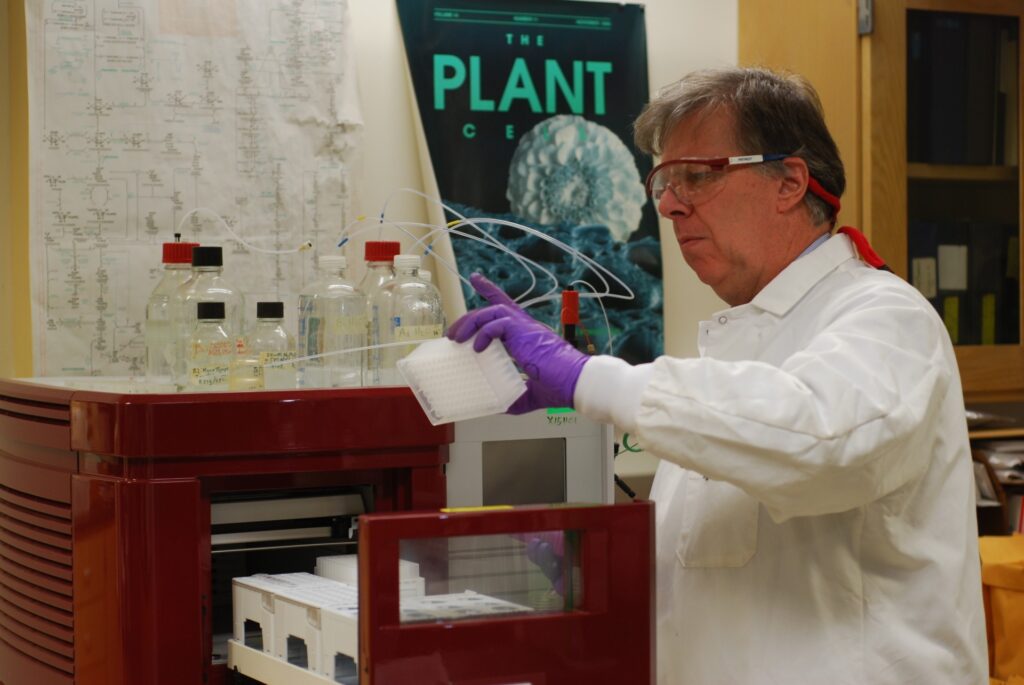
New research from the University of Kentucky shows how a protein repair system helps seeds recover from storage damage and maintain germination, offering breeders a new approach to improving seed longevity and performance.
Rothamsted Barley Becomes First Crop Cleared Under UK Precision-Breeding Rules
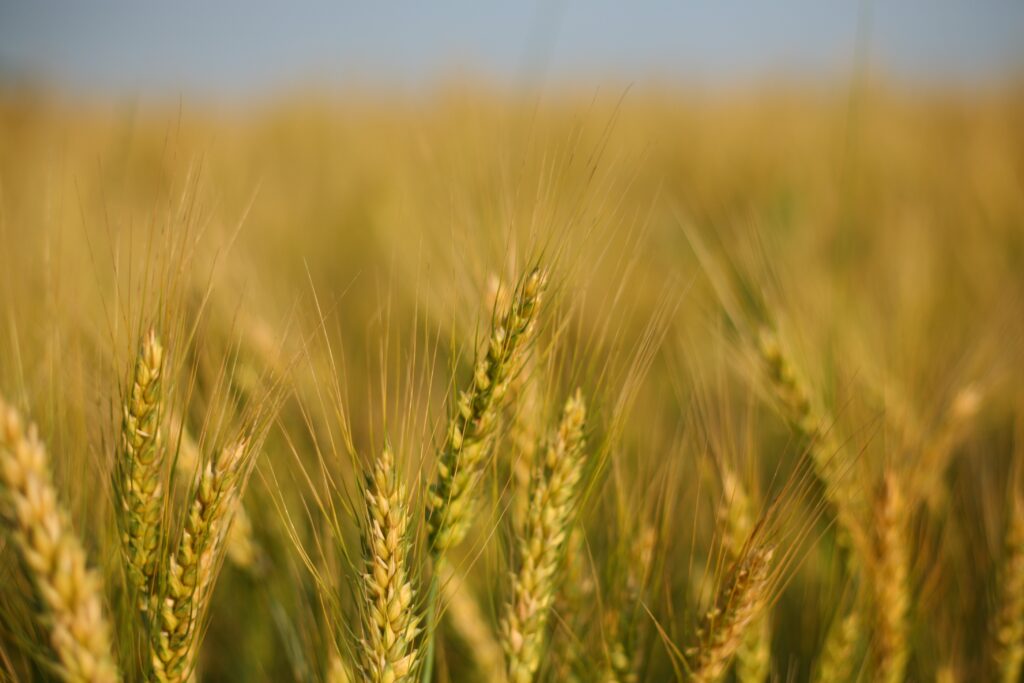
Rothamsted Research has developed the UK’s first gene-edited barley to receive Precision Bred Organism marketing notice confirmation under new precision-breeding rules. Created using CRISPR to boost lipid content, the high-energy forage crop could improve livestock feed efficiency and help cut methane emissions. The barley is now advancing through wider evaluation under the PROBITY initiative.
Study warns Colombia could lose one-fifth of cocoa land by 2050
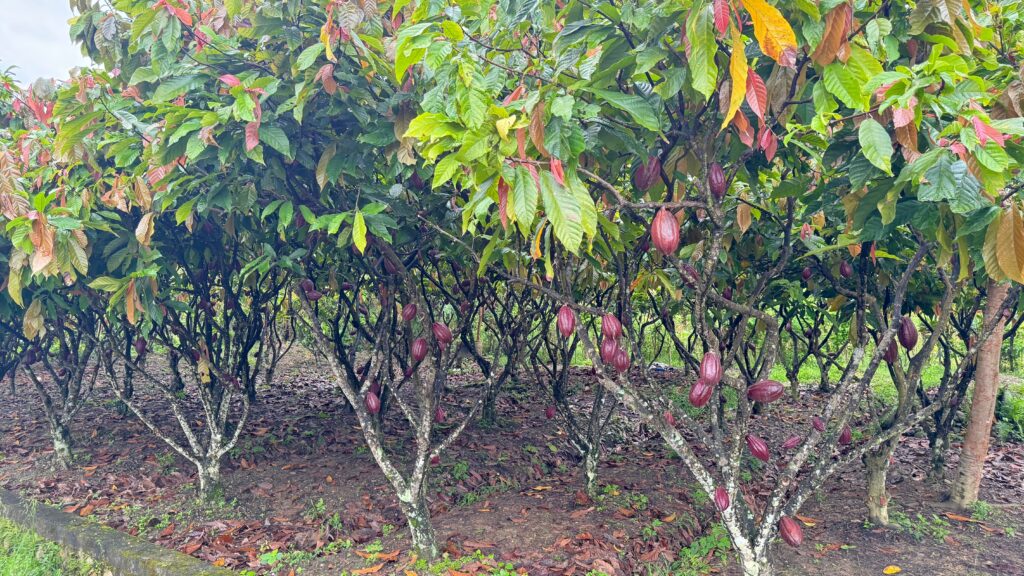
A new study warns Colombia could lose nearly 20% of its cocoa-suitable land by 2050 as climate change alters temperatures and rainfall. The biggest risks are in lowland and northeastern regions, while some higher-altitude areas may become more suitable. Researchers say wild cocoa genetics, agroforestry, irrigation, and climate-smart planning will be crucial to protecting future cocoa production.
World Seed Congress 2026: The Case for Joint Actions to Build Resilient Futures

At the ISF World Seed Congress in Lisbon, global seed leaders are addressing seed resilience, trade, innovation, and food security. Portugal highlights how openness and adaptability strengthen food systems. With climate stress and market volatility rising, the seed sector is advancing science-based cooperation, resilient seed systems, farmer access to quality seed, and trusted innovation to support sustainable global agriculture.
World Seed Congress 2026: The Case for Joint Actions to Build Resilient Futures
At the ISF World Seed Congress in Lisbon, global seed leaders are addressing seed resilience, trade, innovation, and food security. Portugal highlights how openness and adaptability strengthen food systems. With climate stress and market volatility rising, the seed sector is advancing science-based cooperation, resilient seed systems, farmer access to quality seed, and trusted innovation to support sustainable global agriculture.
The Countdown to Euroseeds 2026 in Valencia Has Officially Begun!

Euroseeds Congress 2026 takes place in Valencia, Spain, from 25 to 28 October 2026, bringing together seed sector leaders, policymakers, researchers, entrepreneurs, and students. Set in a leading agricultural region, the event will feature policy updates, plant breeding innovation, the InnovAction Stage, InnovActor Award, NextGen Forum, networking opportunities, and new insights shaping European agriculture’s future.
The Countdown to Euroseeds 2026 in Valencia Has Officially Begun!
Euroseeds Congress 2026 takes place in Valencia, Spain, from 25 to 28 October 2026, bringing together seed sector leaders, policymakers, researchers, entrepreneurs, and students. Set in a leading agricultural region, the event will feature policy updates, plant breeding innovation, the InnovAction Stage, InnovActor Award, NextGen Forum, networking opportunities, and new insights shaping European agriculture’s future.
CPVR Evaluation: A Key Moment for the Future of Plant Variety Protection in Europe
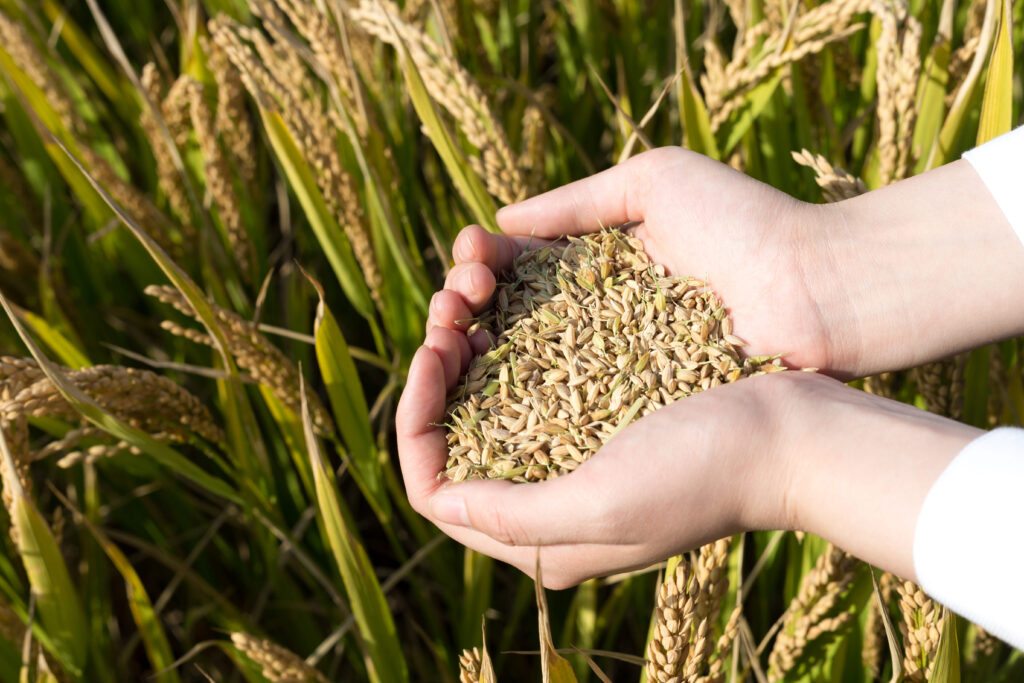
The European Commission’s review of Community Plant Variety Rights (CPVR) legislation offers a key opportunity to strengthen EU plant breeding. Euroseeds says the current system provides reliable, cost-effective protection for new plant varieties, but challenges remain around farm-saved seed, enforcement, provisional protection, EDVs, and breeders’ rights. The evaluation could modernize plant variety protection and support innovation across Europe.
Seeds Canada’s New CEO Isn’t Rushing In — And That’s the Strategy

Dan Wright steps into Seeds Canada’s top role with a listening-first approach and a focus on collaboration, innovation and regulatory modernization
Un estudio advierte que Colombia podría perder una quinta parte de sus tierras cacaoteras para 2050
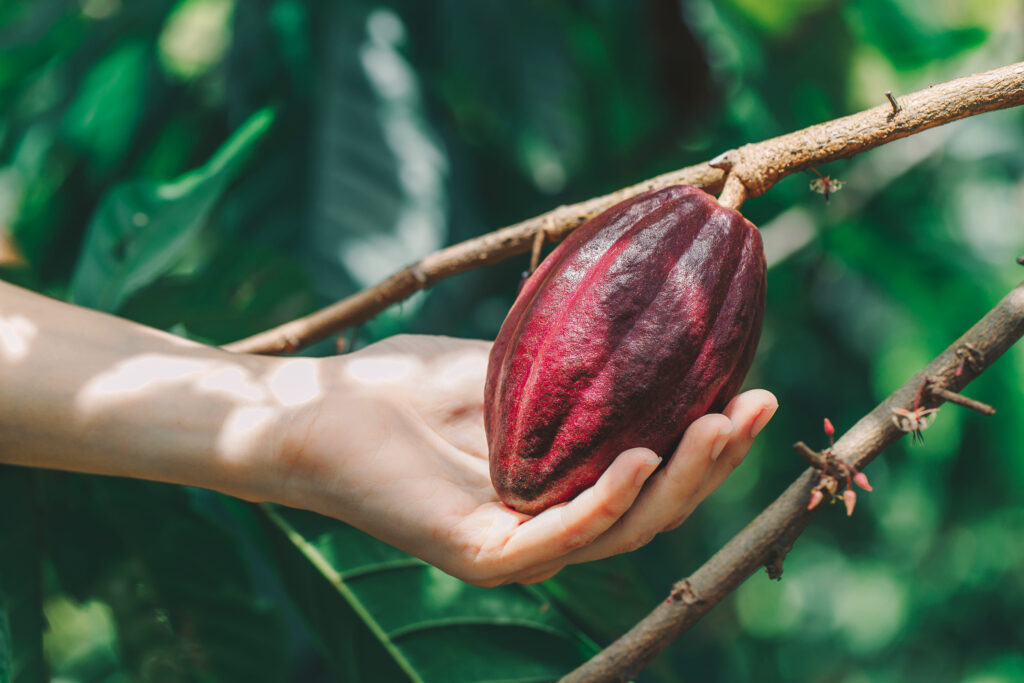
Un nuevo estudio advierte que Colombia podría perder casi 20% de su tierra apta para cacao hacia 2050 por cambios en temperatura y lluvias. Los mayores riesgos están en tierras bajas y regiones del noreste, mientras algunas zonas altas ganarían aptitud. Investigadores señalan que cacao silvestre, agroforestería, riego y planificación climática serán claves para proteger la producción futura.
New Embrapa Programs Aim to Cut Carbon Footprint of Corn and Sorghum
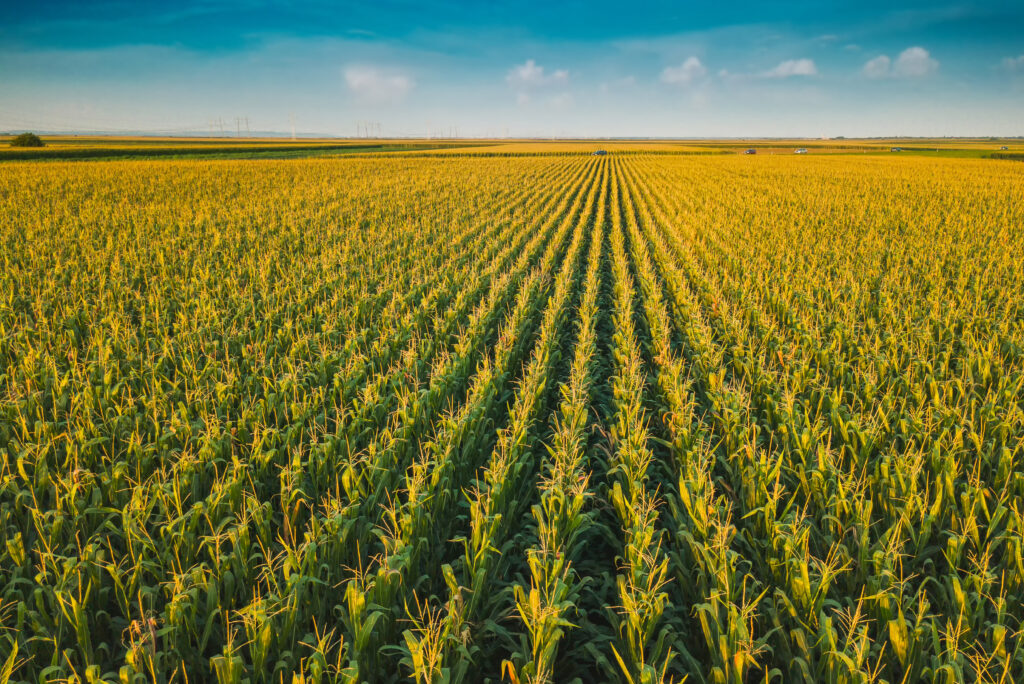
Embrapa’s new Low Carbon Corn and Low Carbon Sorghum programs aim to reduce the carbon footprint of grain production in Brazil through science-based certification protocols. The initiatives will measure greenhouse gas emissions per ton produced, encourage sustainable farming practices, and support climate resilience. The programs could boost market competitiveness as buyers increasingly demand verifiable low-carbon agricultural products.
From Waste to Yield: Biochar Innovation Supports Crop Growth
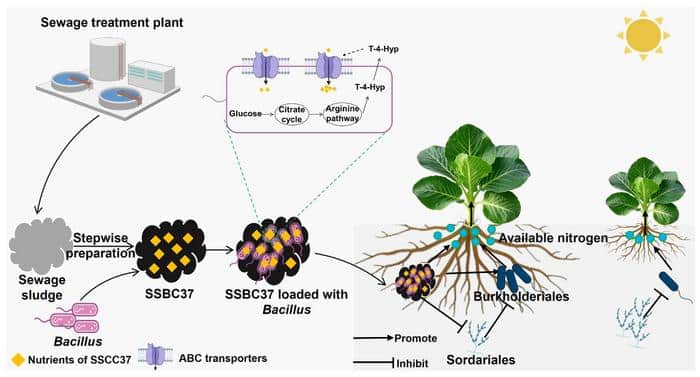
Researchers developed an engineered sewage sludge biochar paired with Bacillus velezensis that boosts cabbage growth by improving nitrogen uptake and soil microbial activity. The biofertilizer increased plant biomass by up to 40%, while enhancing root colonization and soil health. This sustainable approach transforms waste into a valuable agricultural input, reducing dependence on chemical fertilizers and supporting greener crop production.
Nuevos programas de Embrapa buscan reducir la huella de carbono del maíz y el sorgo
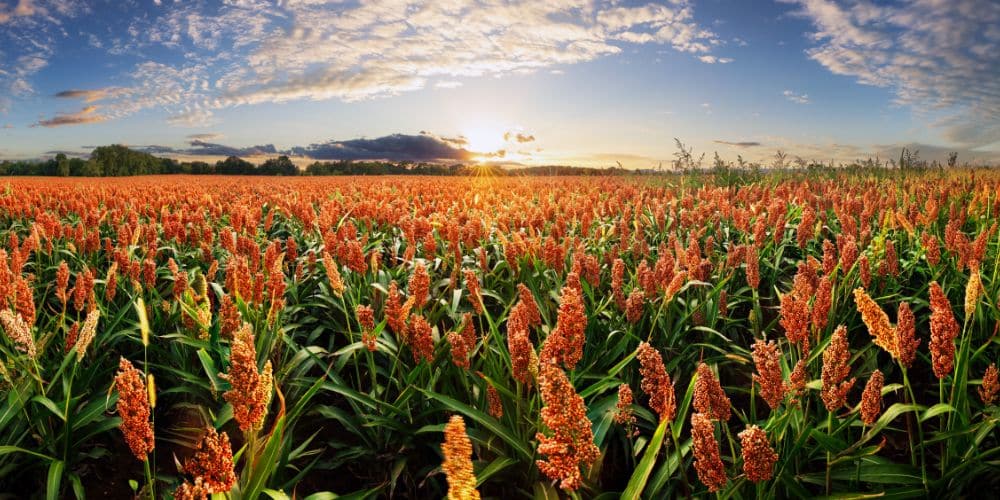
Los nuevos programas de Maíz Bajo en Carbono y Sorgo Bajo en Carbono de Embrapa buscan reducir la huella de carbono de la producción de granos en Brasil mediante protocolos de certificación basados en ciencia. Las iniciativas medirán emisiones por tonelada producida, promoverán prácticas sostenibles y resiliencia climática, y podrían fortalecer la competitividad ante mercados que exigen productos agrícolas verificables.
Climate-Ready Wheat Could Secure Future Pasta Production
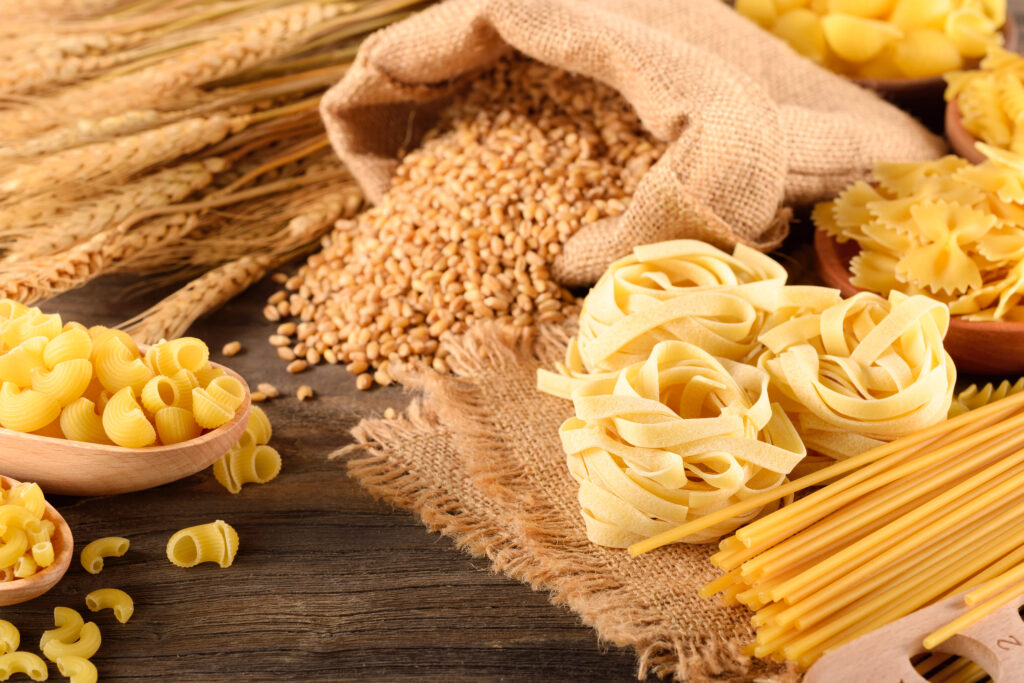
Researchers from Skoltech, CIMMYT, Italy’s Research Center for Cereal and Industrial Crops, and global partners developed new durum wheat lines with improved freezing tolerance and strong gluten quality for premium pasta. Published in Frontiers in Plant Science, the study uses genomic selection and breeding tools to boost climate resilience, helping stabilize durum wheat production under increasingly unpredictable weather conditions.
This Week in Seed: A Global Crisis, Rising Costs — and a Bigger Question No One Can Ignore
As growers face rising costs, initiatives like the Borlaug Scholars program signal how investment in people and innovation will define the next chapter of seed
Plant Pathology, Farmers and 40 Years in Ag: Dr. Kelly Turkington’s Story

As he retires at the end of the month, a leading Canadian plant pathologist shares insights on legacy, mentorship and the real-world impact of crop disease science. Dr. Kelly Turkington […]
Argentina Revises GMO Regulations to Boost Innovation in Agriculture

Argentina’s revised GMO regulations aim to accelerate agricultural innovation by simplifying approval processes for experimental and commercial biotech products. Resolution 255/2026 updates technical criteria, reduces costs, shortens evaluation timelines, and improves regulatory predictability. The reform supports investment, strengthens biosafety oversight, protects export markets, and reinforces Argentina’s leadership in agricultural biotechnology, agri-food development, and value-added production.
How AI Accelerates the Crop Breeding Cycle
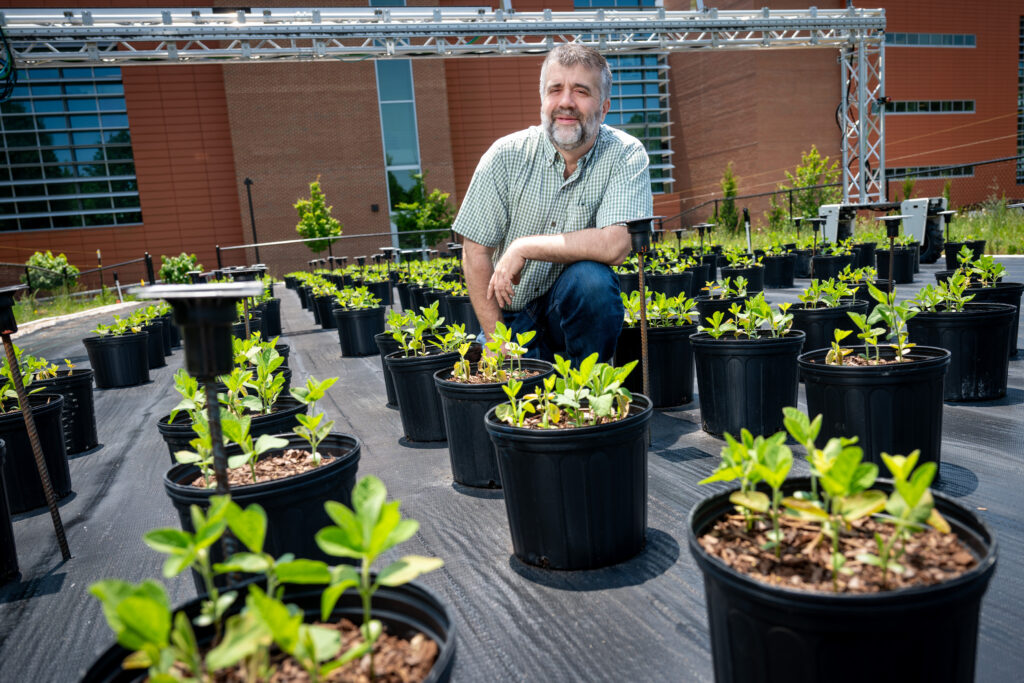
AI-powered imaging and high-throughput phenotyping are changing how crop breeders collect and analyze field data. From drones and robots to massive image datasets, new tools are helping breeders evaluate traits faster, reduce human bias and improve selection accuracy across environments.
On the Brink Episode 3: Why Invest in Canada’s Seed Future?
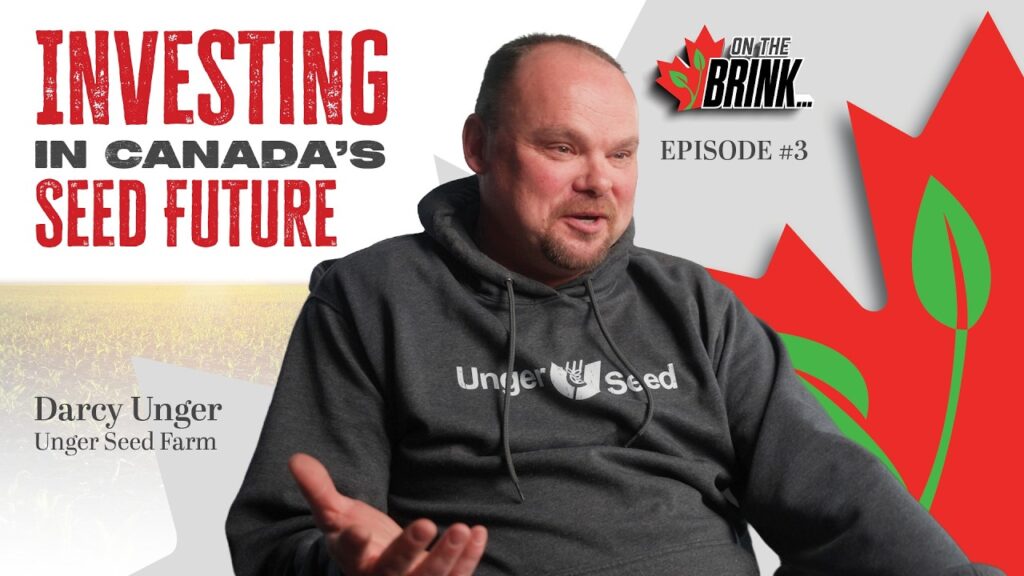
Unger Seed Farm’s major new build is more than a construction project. Darcy Unger explains why investment in Canadian plant breeding isn’t just a farm decision — it’s an industry one. On the Brink, Episode 3.