

Euroseeds, Copa and Cogeca Pushes EU for Science-First NGT Rules
Euroseeds, Copa and Cogeca urge the EU to adopt a science-based, innovation-friendly framework for New Genomic Techniques (NGTs). They stress that NGT 1 plant verification must remain purely technical, with minimal traceability and labelling burdens. A proportionate, globally aligned approach would boost EU competitiveness, support research, and strengthen agriculture’s ability to meet food security and climate challenges.
Chile desarrolla un dispositivo con inteligencia artificial para mejorar la calidad y precisión de las semillas

Chile, principal exportador de semillas del hemisferio sur, exportó casi 400 millones de dólares en 2024. Investigadores de la Universidad de Concepción desarrollan un dispositivo portátil con inteligencia artificial para monitorear la producción de semillas híbridas. Esta innovación reducirá errores, mejorará la precisión y reforzará el liderazgo mundial de Chile en la producción sostenible de semillas.
Chile Develops AI-Powered Device to Improve Seed Quality and Precision

Chile, the Southern Hemisphere’s leading seed exporter, shipped nearly USD 400 million in seeds in 2024. To enhance quality control in hybrid seed production, researchers from the University of Concepción are developing an AI-powered monitoring device using smartphone technology. The innovation aims to reduce errors, boost precision, and strengthen Chile’s global leadership in sustainable seed production.
Haciendo más simple la toma de muestras de ADN para la industria de semillas
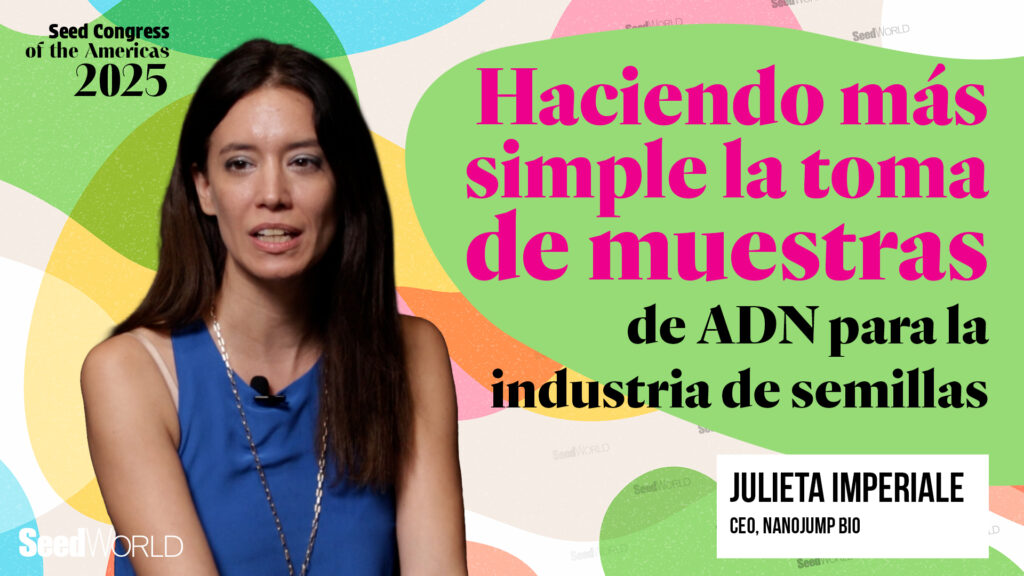
En el 10º Congreso de la SAA en Foz de Iguazú, Julieta Imperiale, CEO de NanoJump Bio, presentó una solución para optimizar la trazabilidad del ADN en muestras agrícolas. Su tecnología permite extraer ADN directamente en el campo, evitando el traslado de muestras físicas y reduciendo costos, tiempos, riesgos de alteración y carga logística en una industria con miles de análisis diarios.
Breakthrough Brings Self-Fertilizing Crops One Step Closer
Researchers at Aarhus University have discovered a molecular mechanism that could enable cereal crops like wheat and maize to fix nitrogen naturally, reducing reliance on synthetic fertilizers. By altering two amino acids in a plant receptor, the team reprogrammed plants to form symbiotic relationships with nitrogen-fixing bacteria—paving the way for greener, climate-friendly, and more sustainable agriculture.
Agriculture’s Best-Kept Climate Secret: The Power of Seeds
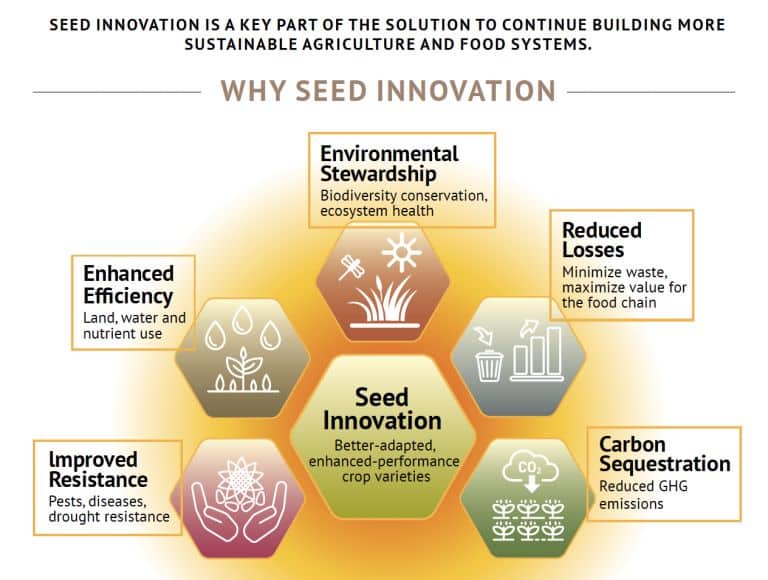
Seed innovation is emerging as a critical climate solution ahead of COP30 in Brazil. The International Seed Federation highlights how climate-ready seeds boost resilience, protect farmer livelihoods, reduce agriculture’s footprint, and strengthen food security. ISF urges smarter policy, stronger supply-chain collaboration, and greater climate finance to scale seed innovations that help farmers adapt to rising heat, drought, and extreme weather.
Seed World INSIGHT: Plant Genetic Resources Treaty at a Crossroads
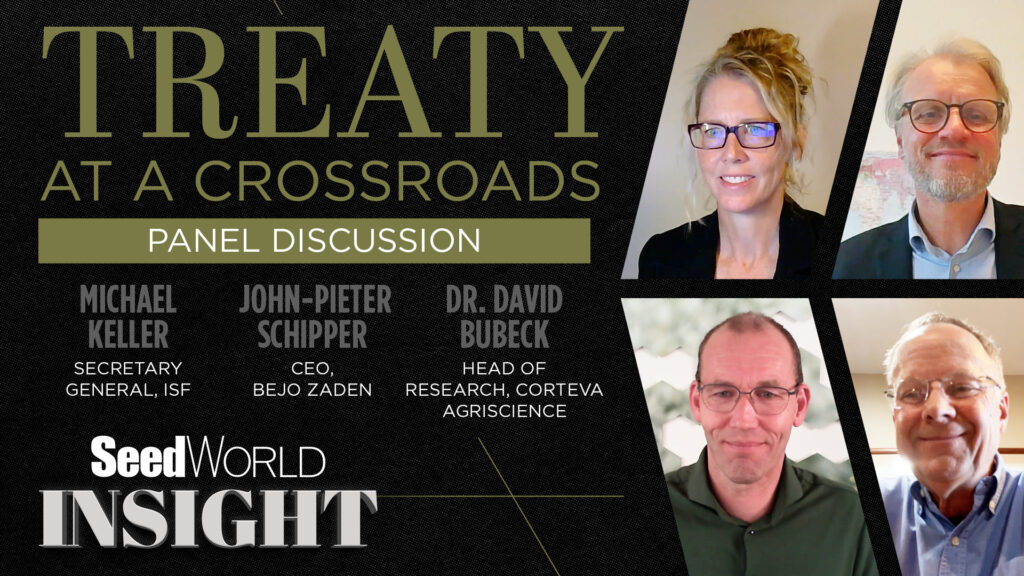
Global negotiations this November in Lima will determine how countries share and benefit from plant genetic resources, shaping the future of crop innovation, biodiversity, and food security. In a Seed World INSIGHT panel, leaders from ISF, Bejo Zaden, and Corteva examine fair ABS systems, DSI governance, and the risks of a flawed Treaty update. Watch the full discussion for key insights.
The International Plant Genetic Resources Treaty, Simplified
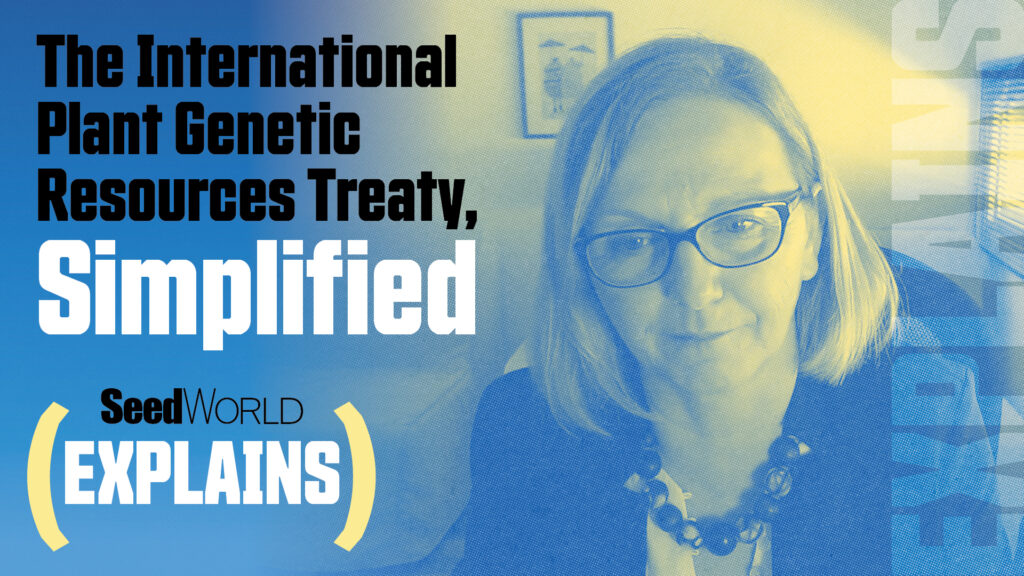
The International Treaty on Plant Genetic Resources is entering major renegotiation in Nov. 2025, where more than 150 countries will decide how to update funding, benefit-sharing, and rules for rapidly evolving genetic technologies. In a Seed World EXPLAINS video, Jasmina Muminović clarifies how global access to plant genetics works and why the Lima decisions will shape biodiversity, breeding, and future innovation.
Grass Seed Market Outlook: Clarity in Turbulence

The turfgrass seed market is finally stabilizing after years of dramatic swings in supply and demand. Mountain View Seeds’ Brett Freeborn offers a rare, global view of emerging opportunities, key demand drivers, and crucial lessons from recent turbulence. His insights help industry leaders better plan inventory, adjust strategy, and understand where real growth potential lies heading into 2025 and beyond.
Beyond Yield: The New Frontier of Sustainable Agricultural Growth

Agriculture is at a critical turning point, says CropLife International CEO Emily Rees. A new report from CropLife International and NTT DATA shows how farmers worldwide are boosting productivity, restoring ecosystems, and building climate resilience. From Brazil’s ILPF systems to Cambodia’s soil regeneration and South Africa’s biotech adoption, real-world case studies demonstrate scalable, sustainable solutions. The guide highlights profitability, soil health, biodiversity, and resilience as core drivers of growth. As COP 30 unfolds, the message is clear: improved seeds and smarter practices can unlock sustainable agricultural transformation and support global climate and food-security goals.
ABCSEM aprueba medida de emergencia para desbloquear las importaciones de semillas y plántulas
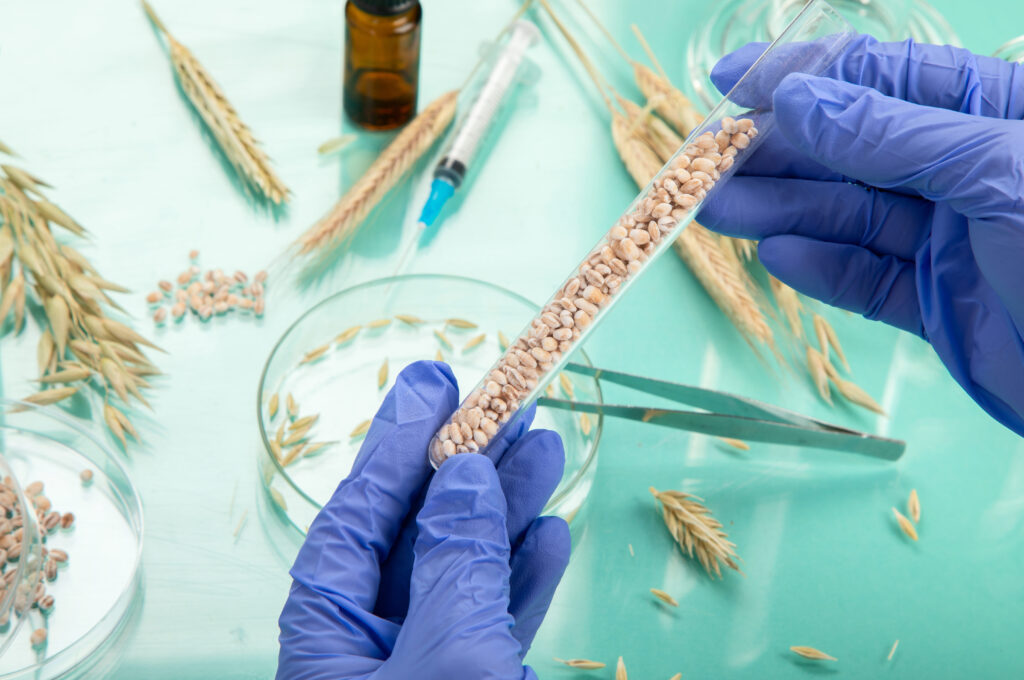
El Ministerio de Agricultura de Brasil (MAPA) emitió la Ordenanza N.º 1.429/2025 tras reuniones con ABCSEM, resolviendo un impasse regulatorio que paralizó las importaciones de semillas y plántulas. La medida autoriza a laboratorios acreditados a realizar análisis fitosanitarios fuera de su alcance actual, garantizando la continuidad comercial, el control de plagas y mayor eficiencia en las operaciones de importación y exportación.
ABCSEM Secures Emergency Measure to Unblock Seed and Seedling Imports
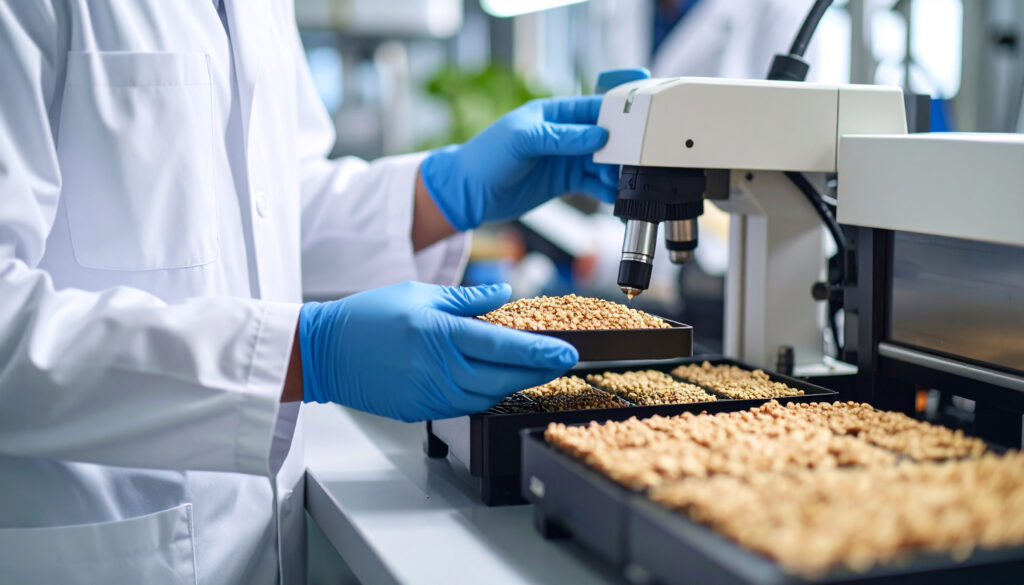
Brazil’s Ministry of Agriculture (MAPA) issued Ordinance No. 1,429/2025 after consultations with ABCSEM, resolving a regulatory impasse that halted seed and seedling imports. The emergency measure authorizes accredited laboratories to perform phytosanitary analyses beyond their current scopes, ensuring trade continuity, pest control, and greater efficiency in Brazil’s seed import and export operations.
Experts Discuss DNA’s Role in the Future of Plant Breeding
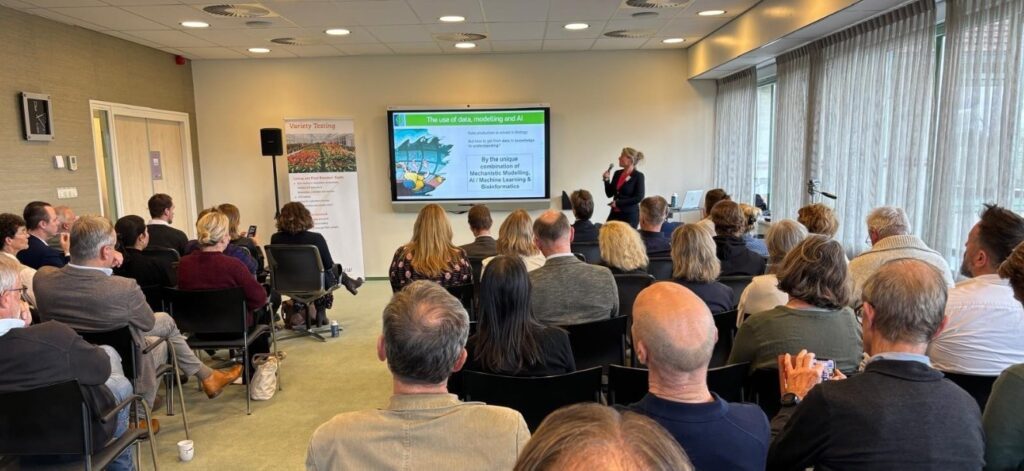
Naktuinbouw’s symposium, “To Divide Is to Multiply,” gathered breeding experts to explore how DNA technologies can enhance DUS testing and breeding efficiency. Speakers from CropXR, Dümmen Orange, CPVO, and Naktuinbouw emphasized collaboration, data sharing, and legal clarity as key to innovation. The event underscored DNA’s growing role in accelerating crop development and strengthening plant variety protection.
Almost Everything You Eat Has Been Modified by Humans
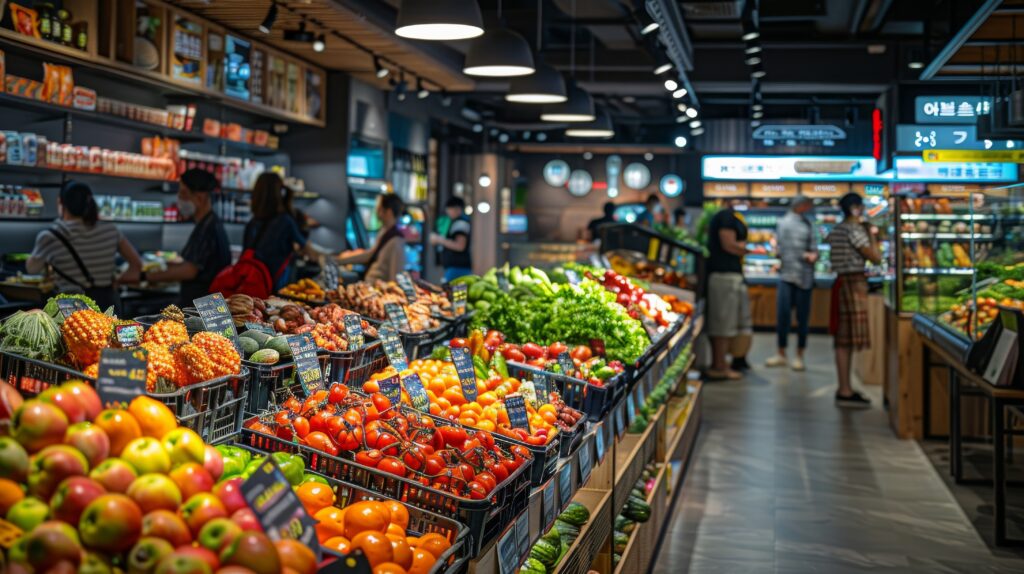
Modern crops aren’t products of nature but of thousands of years of selective breeding.
Farmers Are Ready for Innovation. Why Canada’s Regulations Aren’t

The truth is simple: status quo is not an option if we want a competitive future, says Seeds Canada President Brent Collins
Ancient Pinecone Genes Reveal a Hidden Blueprint for Stronger, Smarter Crops
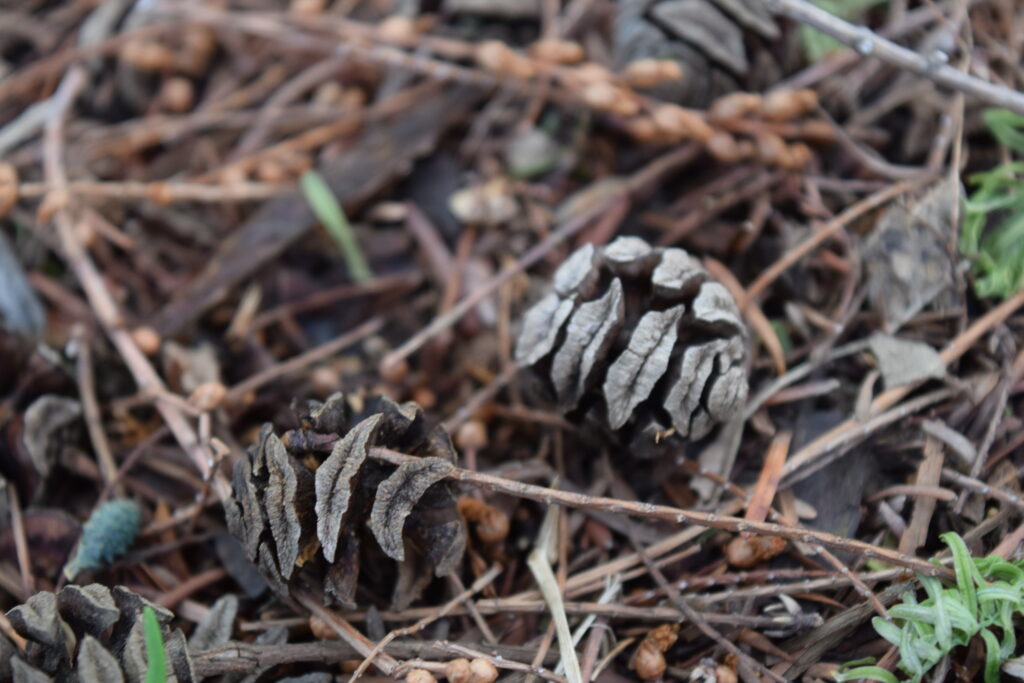
A team from New York University and the New York Botanical Garden decoded the genetic story of seed evolution, uncovering 4,000 ovule genes that link ancient gymnosperms to modern crops. The findings could help seed companies unlock new pathways for stress tolerance, seed vigor and productivity.
Híbridos locales impulsan el cultivo de girasol en San Luis

El cultivo de girasol en San Luis, Argentina, creció un 30% por encima del promedio histórico, alcanzando 100.000 hectáreas en 2023–2024. Ensayos del INTA en Villa Mercedes mostraron rendimientos de hasta 4.927 kg/ha con híbridos adaptados. Con más del 80% superando el 50% de aceite, los resultados refuerzan la rentabilidad y competitividad del girasol en la región.
Local Hybrids Boost Sunflower Growth in San Luis

Sunflower cultivation in San Luis, Argentina, has expanded 30% above the historical average, reaching 100,000 hectares in 2023–2024. INTA trials in Villa Mercedes showed yields up to 4,927 kg/ha using locally adapted hybrids. With over 80% achieving oil content above 50%, these results highlight sunflower’s growing profitability and competitiveness in regional crop rotations.
Project Opportunity Tests CRISPR-Enhanced Potatoes in Sweden and Denmark
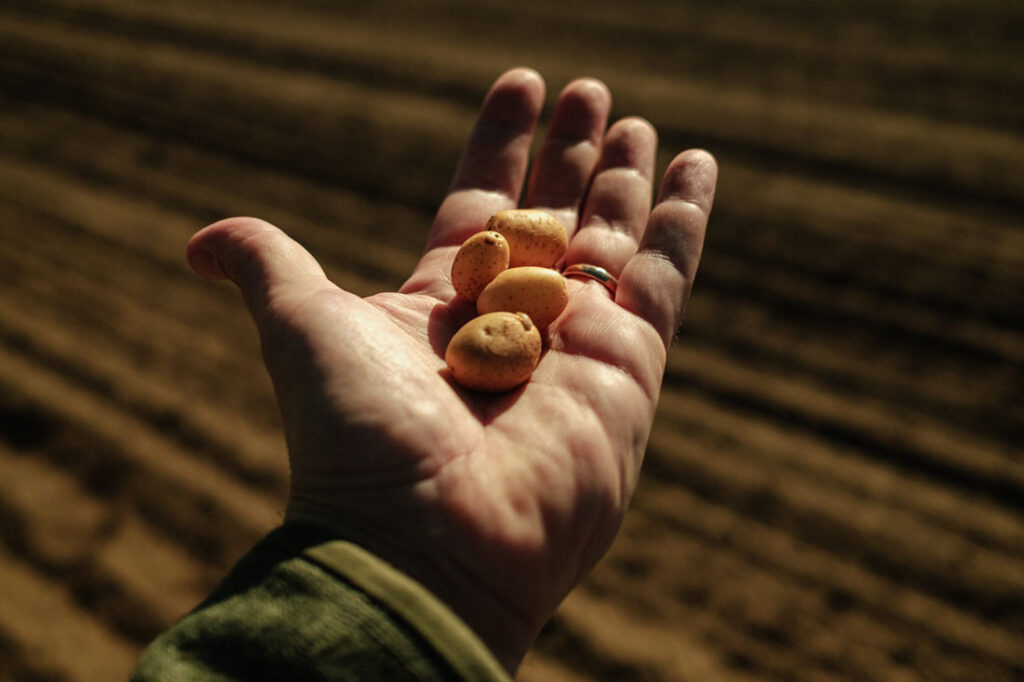
Project Opportunity has completed its first CRISPR-Cas field trials in Sweden and Denmark, developing starch potatoes with improved resistance to late blight. The 12-partner European consortium is advancing sustainable potato breeding and preparing for expanded 2026 trials. The initiative showcases how new genomic techniques (NGTs) can rapidly enhance crop resilience and sustainability across Europe’s potato starch sector.
Peruvian Chili Among New Additions to Svalbard Global Seed Vault

Peru’s National Institute of Agricultural Innovation (INIA) made its first seed deposit at the Svalbard Global Seed Vault in Norway, joining 20 global genebanks in preserving 21,000 samples. Among the deposits were Peruvian chili seeds, marking Peru’s growing role in global biodiversity conservation and food security through collaboration in safeguarding the world’s agricultural genetic heritage.
Rare Lost Allele That Boosts Soybean Seed Protein Identified
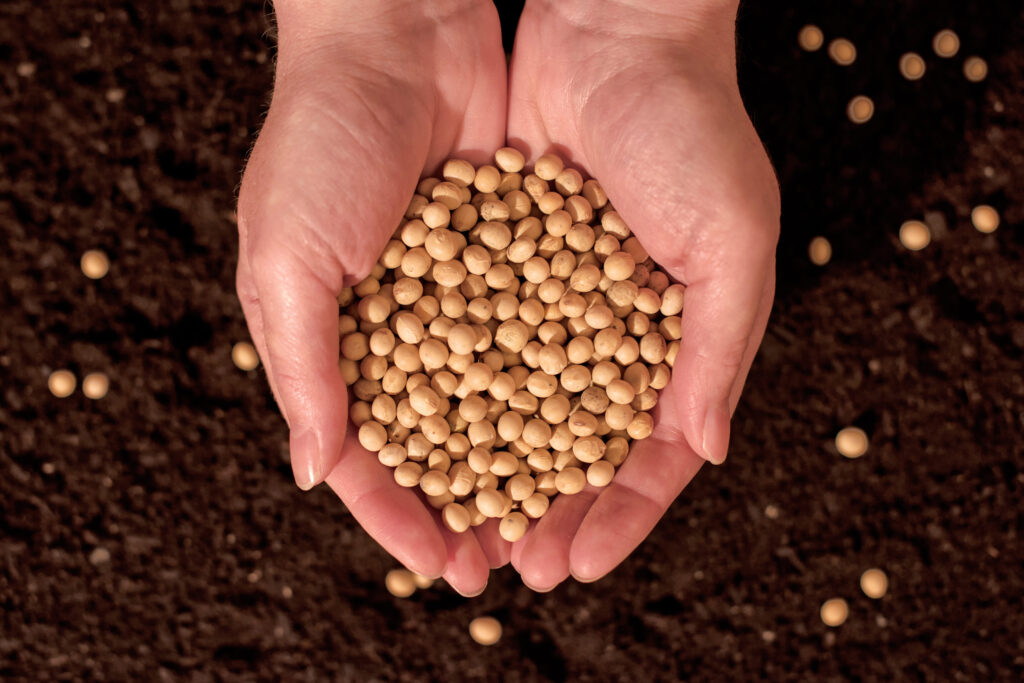
Researchers from the South China Botanical Garden discovered a rare allele, PC08Ins, that boosts soybean seed protein content but was lost during domestication. Found through GWAS and published in PNAS, the gene enhances abscisic acid levels, increasing storage proteins. Reintroducing PC08Ins into modern soybeans could significantly improve nutritional quality and support future breeding programs.
El chile peruano, entre las nuevas incorporaciones a la Bóveda Global de Semillas de Svalbard
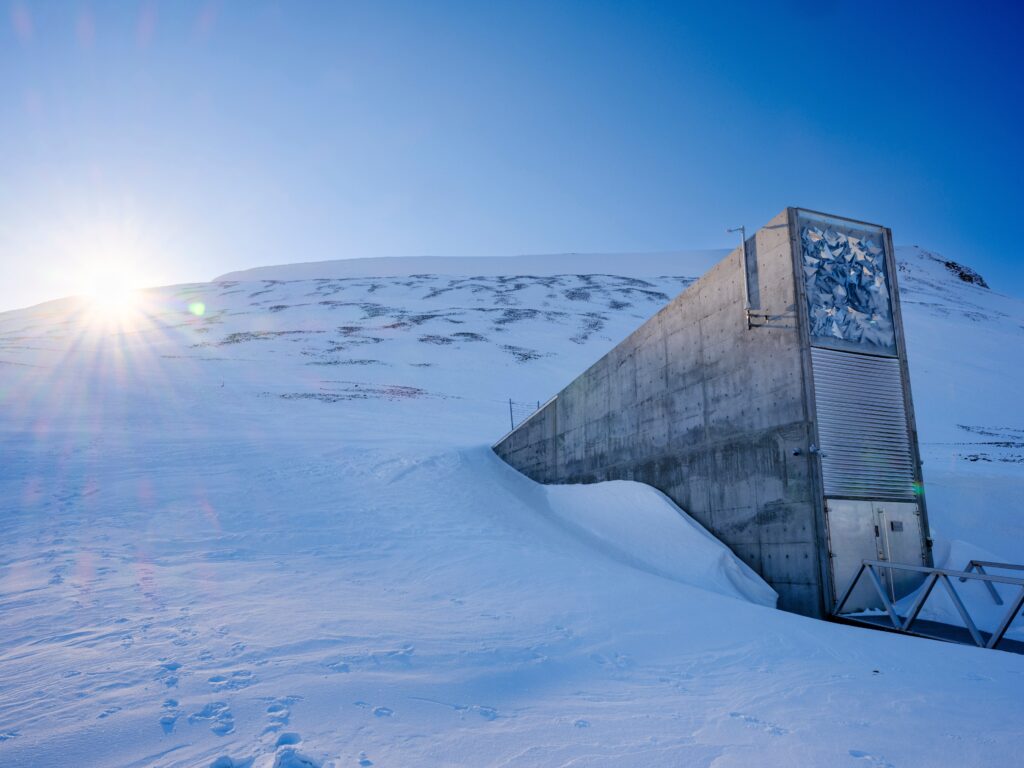
El Instituto Nacional de Innovación Agraria (INIA) de Perú realizó su primer depósito de semillas en el Banco Mundial de Semillas de Svalbard, en Noruega, junto a 20 bancos genéticos de todo el mundo. Entre las muestras se incluyeron variedades peruanas de ají, destacando el compromiso de Perú con la conservación de la biodiversidad y la seguridad alimentaria global.
Staphyt Expands Seed Services in Europe

Staphyt has integrated the three subsidiaries of the Héliantis Group, expanding its seed research and production capabilities in Europe. The addition of new French sites increases Staphyt’s network to 25 seed stations in 12 countries and over 300,000 microplots. The group now offers extended seed services, including production, varietal trials, stress testing, and multiplication.
Desert Survivor Offers Clues to Growing Crops in Extreme Heat
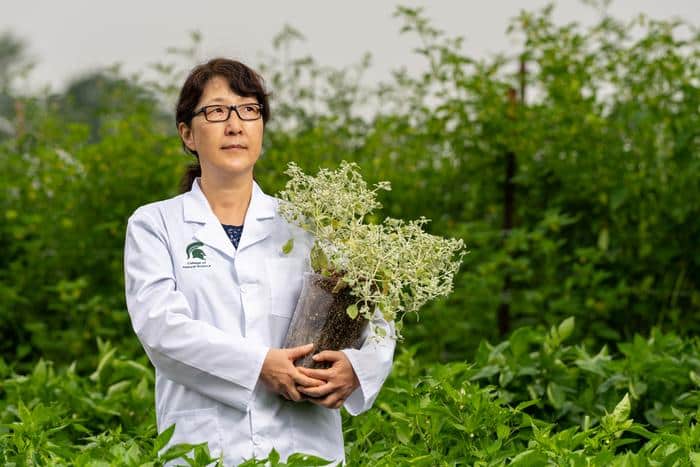
In one of the hottest places on Earth, a resilient desert plant is helping scientists unlock how crops could adapt to rising global temperatures. Michigan State University researchers studying Tidestromia oblongifolia in Death Valley discovered genetic and physiological traits that allow it to thrive above 120°F — insights that could guide the development of heat-tolerant crops for a changing climate.
Why the U.S. is Looking North for Seed Certification Solutions

AOSCA’s message to seed growers is blunt: we ignore the quiet crisis in seed certification at our peril
COP30: La FAO advierte que la falta de financiación climática amenaza la transformación de los sistemas agroalimentarios
En la Cumbre Climática de Belém, la FAO instó a aumentar la financiación climática para los sistemas agroalimentarios, calificando la brecha actual como una “oportunidad perdida” para un sector capaz de reducir un tercio de las emisiones globales. De cara a la COP30, la FAO promovió la gestión integrada de incendios, sistemas alimentarios resilientes y soluciones agroalimentarias basadas en la ciencia.
COP30: FAO Warns Climate Funding Gap Threatens Agrifood Systems Transformation

At the Belém Climate Summit, FAO urged greater climate finance for agrifood systems, calling the current funding gap a “lost opportunity” for a sector that can cut one-third of global emissions. Ahead of COP30, FAO promoted integrated fire management, resilient food systems, and science-based agrifood solutions to drive low-emission, sustainable growth and strengthen food security.
Gates Foundation Champions Farmer Innovation at COP30

The Gates Foundation launched a $1.4 billion, four-year initiative at COP30 in Belém, Brazil, to boost climate adaptation for smallholder farmers in sub-Saharan Africa and South Asia. The program expands access to climate-smart innovations—digital tools, resilient crops, and soil health solutions—to strengthen food security, fight poverty, and protect vulnerable communities from worsening climate impacts.
AI Cameras Take on One of UK Farming’s Toughest Weeds
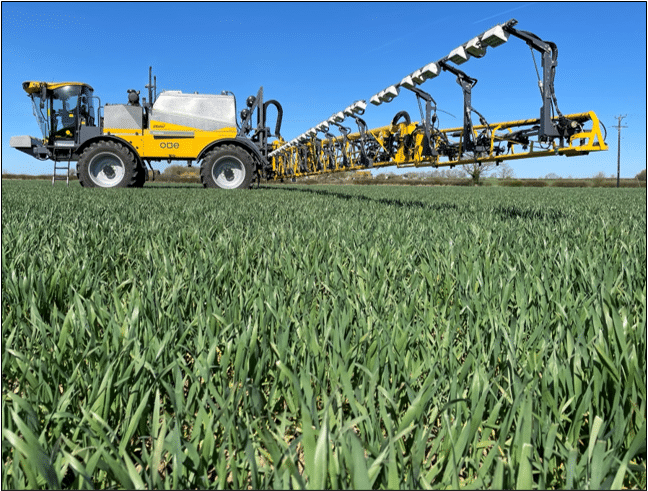
A collaboration between Rothamsted Research, Bosch, Chafer Machinery, and Xarvio has developed an AI-powered precision spraying system to combat black-grass in UK farms. Using camera-equipped sprayers, it identifies and targets weed-infested zones, cutting herbicide use and costs. Funded by DEFRA and UKRI, the technology boosts sustainability while maintaining effective black-grass control.
Thinking Outside The Box

Efficient seed treatment decisions start with strong data management. Many in the seed industry struggle to analyze scattered data effectively. Genovix software centralizes research data, enabling faster, more accurate analysis and decision-making. Originally designed for plant breeding, its powerful statistical tools also enhance fertilizer, pesticide, and seed treatment research across agriculture, boosting productivity and innovation.
Plants Under Stress: How Rye Rearranges Its Genes
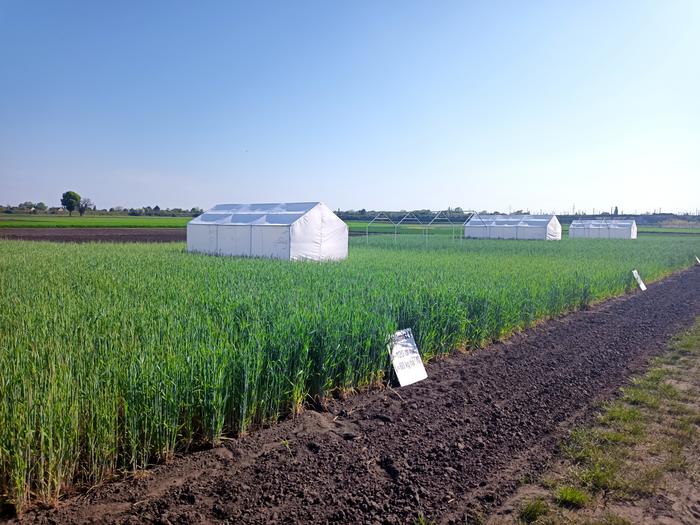
A large-scale study of over 500 rye plants reveals that nutrient deficiency reduces genetic recombination during meiosis. Conducted at Martin Luther University’s “Eternal Rye Cultivation” site, researchers found recombination is governed by many small genetic regions, not one master switch. These insights could accelerate breeding of resilient crops adapted to environmental stress.
Unlocking the Full Potential of the MLS

As governments prepare for GB11 of the International Treaty on Plant Genetic Resources for Food and Agriculture (ITPGRFA), Euroseeds is calling for a more inclusive, flexible, and practical Multilateral System (MLS). The organization proposes multiple payment options, clearer alignment with the Convention on Biological Diversity (CBD), and an expanded Annex I to cover all PGRFA. These reforms aim to reduce administrative burdens, improve legal clarity on Digital Sequence Information (DSI), and increase participation across diverse seed companies. A modernized MLS, Euroseeds argues, will strengthen innovation, benefit-sharing, and global food security for farmers and breeders worldwide.
Meet Crystal Rose-Fricker, Award Winning Turfgrass Scientist | Seed World Center Stage

Crystal Rose-Fricker recently received two of the most prestigious honors in the turfgrass world.
Tecnología chilena busca revolucionar el control de calidad en la producción de semillas
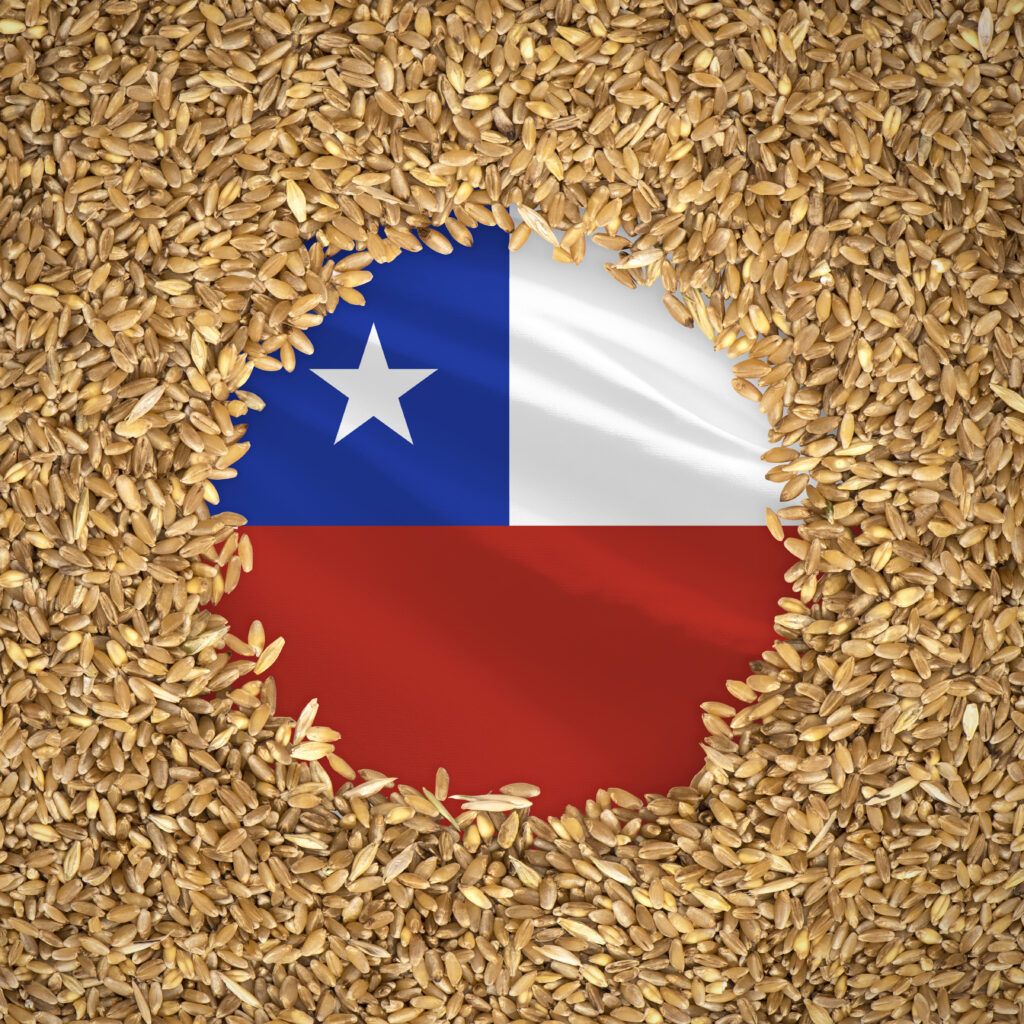
Chile lidera las exportaciones de semillas en el hemisferio sur, alcanzando casi USD 400 millones en 2024. Investigadores de la Universidad de Concepción desarrollan un dispositivo inteligente con aprendizaje automático para mejorar el control de calidad y trazabilidad de semillas. Esta innovación refuerza el liderazgo agrícola de Chile al reducir errores y promover una producción sostenible y precisa.
Chilean Technology Seeks to Revolutionize Quality Control in Seed Production
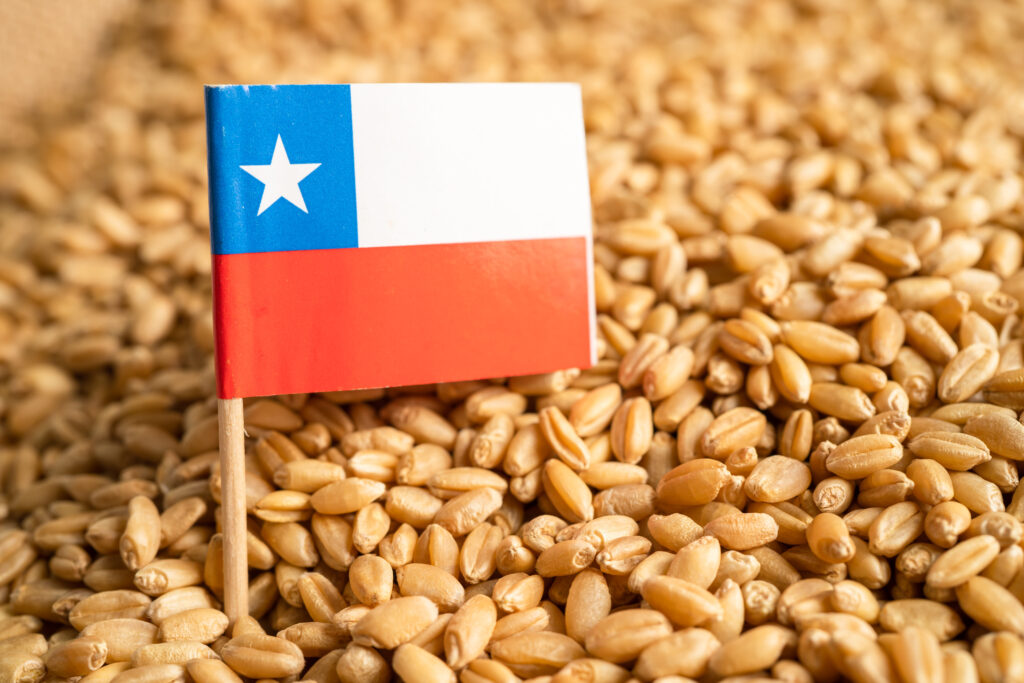
Chile leads seed exports in the Southern Hemisphere, producing nearly USD 400 million in 2024. Researchers from the University of Concepción are developing a smart device using machine learning to improve seed quality control and traceability. This innovation enhances Chile’s global agricultural leadership by reducing errors in hybridization and supporting sustainable, high-precision crop production.
Russian Deputy Agriculture Minister Accused of War Crime Over Stolen Ukrainian Grain
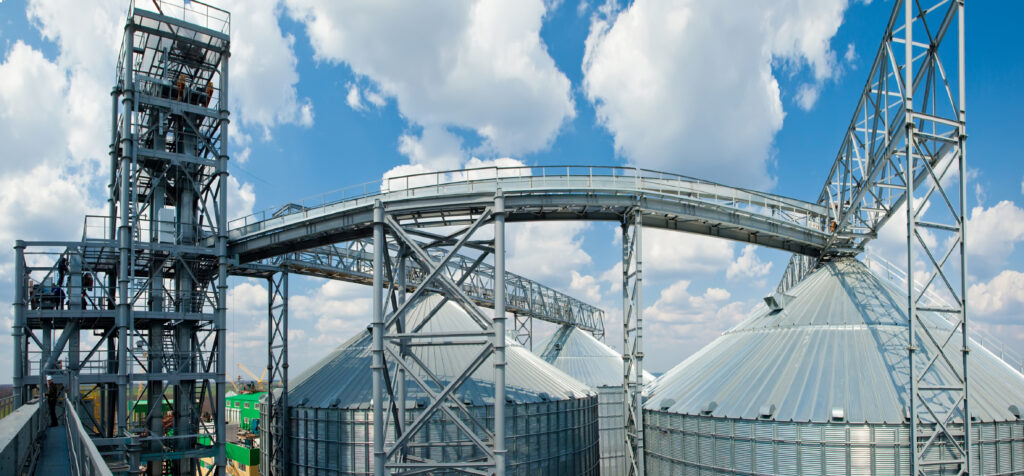
Ukraine’s Security Service (SSU) has charged Russia’s Deputy Minister of Agriculture with war crimes for orchestrating the theft of over 4 million tons of Ukrainian grain worth 23 billion UAH. The SSU alleges the stolen grain was exported via Crimea to countries including Syria and Turkey, violating international law during Russia’s invasion of Ukraine.