

KWS Cereals Launches Soil Protection Program
Soil protection program aimed at improving cover crops and sustainable soil management practices.
Building Food Security One Gene at a Time
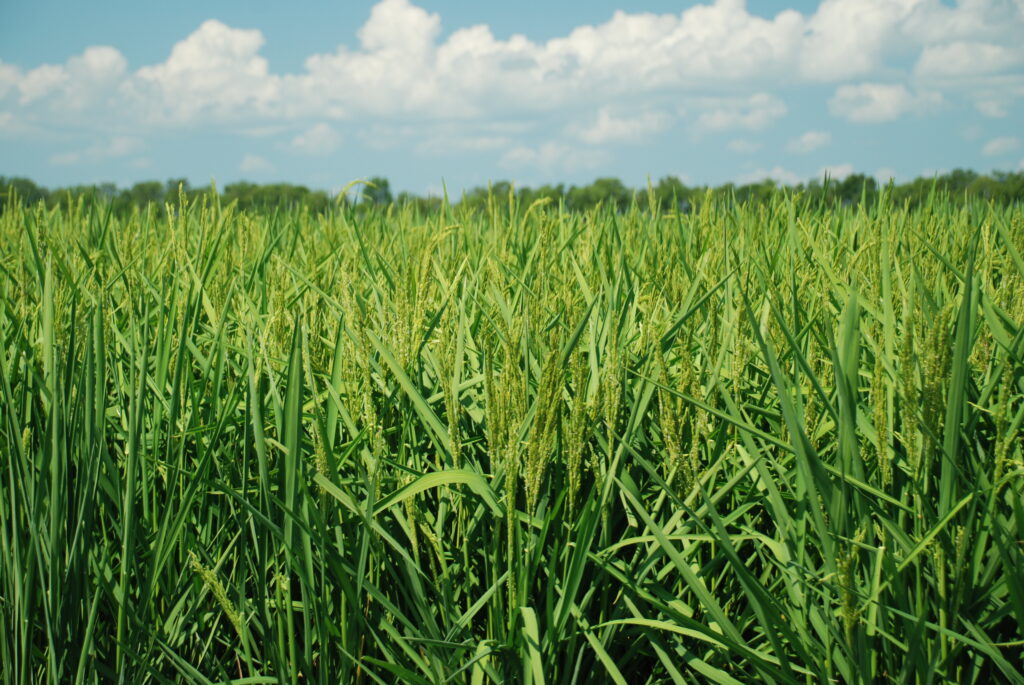
Many rice and wheat producers dread blast disease. Blast disease, caused by the fungus Magnaporthe oryzae, not only destroys rice, a food staple of 60 per cent of the world, it began attacking wheat in the 1980s. The disease has spread rapidly in Asia and carries a high risk of emergence in Europe.
New Alliance Champions Intermediate Oilseed Crops for U.S. Biofuel Boom
In response to the growing global and U.S. demand for significantly higher biofuel volume, a new U.S. industry initiative called the Intermediate Oilseed Crop Alliance (IOCA) was created in 2023. Current IOCA members include CoverCress Inc., Nuseed, Global Clean Energy, Vision Bioenergy Oilseeds and Yield10 Bioscience.
USDA Calling Plant Health Champions
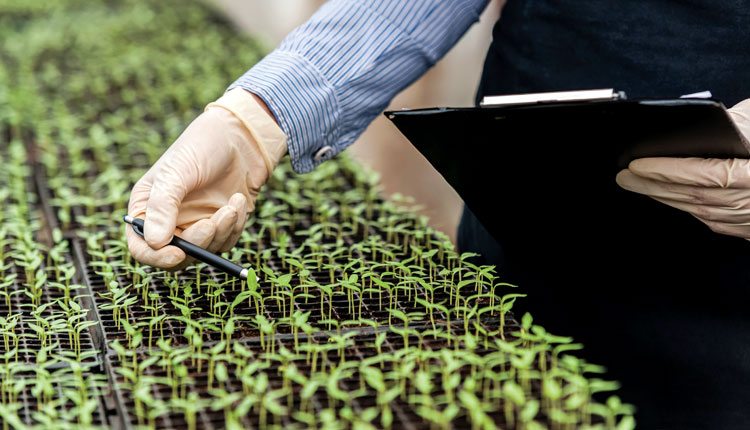
The U.S. Department of Agriculture’s (USDA) Animal and Plant Health Inspection Service (APHIS) is urging stakeholders to tap into their creativity and submit innovative proposals for fiscal year (FY) 2025 Plant Protection Act Section 7721 (PPA 7721) funding. An APHIS news release stated the agency is funding projects that protect American agriculture and natural resources.
AI Will Unravel Secrets of Non-Coding Genes

From smart chatbots to apps that can write entire articles, artificial intelligence (AI) is becoming an increasingly ubiquitous part of our lives. Michael Schon, a research associate at Wageningen University & Research, is designing an AI tool that can perform comparisons of non-coding RNA on plant genomes, according to a press release. The tool is expected to accelerate and simplify the future development of new plant varieties with greater resistance to drought or diseases, for example. Schon has received a Veni grant to support his research.
Hutton Confirms Extension of ‘Fight Against Blight’ Funding for 2024 Season
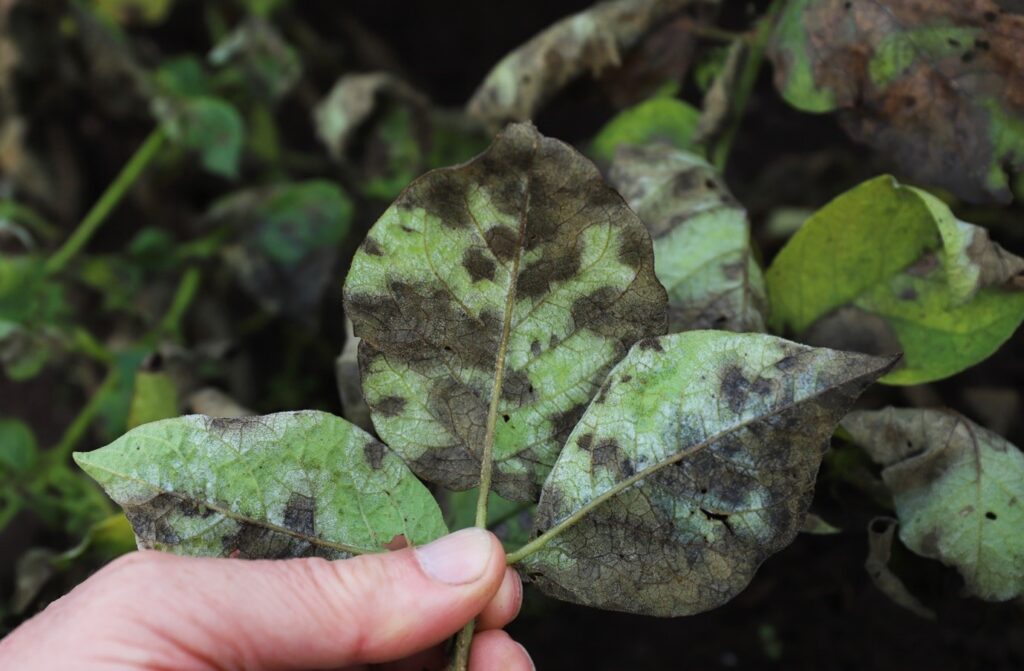
The FAB scheme, initiated in 2006, leverages a nationwide network of agronomists, growers, and industry representatives known as the FAB Scouts to monitor Phytophthora infestans populations. Each year, this network submits up to 1,500 field samples from suspected late blight outbreaks across Britain. Under the leadership of Dr. David Cooke and Dr. Alison Lees from The James Hutton Institute, the initiative encompasses annual sampling of late blight outbreaks, characterization of pathogen populations, and fungicide sensitivity testing on industry-prioritized active ingredients.
Farmers Drive Everything We Do
Whenever I’m asked what is at the heart of Limagrain, I am incredibly proud to be able to give one clear answer: we are farmer-owned and farmer-led.
Farmers Drive Everything We Do
Whenever I’m asked what is at the heart of Limagrain, I am incredibly proud to be able to give one clear answer: we are farmer-owned and farmer-led.
Farmers Drive Everything We Do
Whenever I’m asked what is at the heart of Limagrain, I am incredibly proud to be able to give one clear answer: we are farmer-owned and farmer-led.
Cressing the Threshold
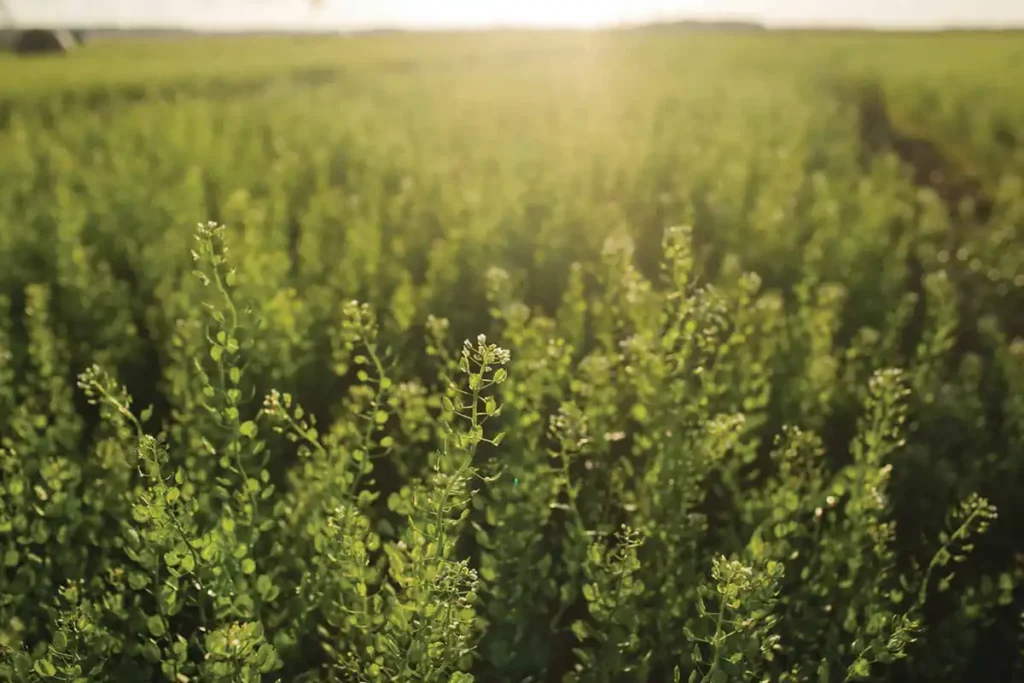
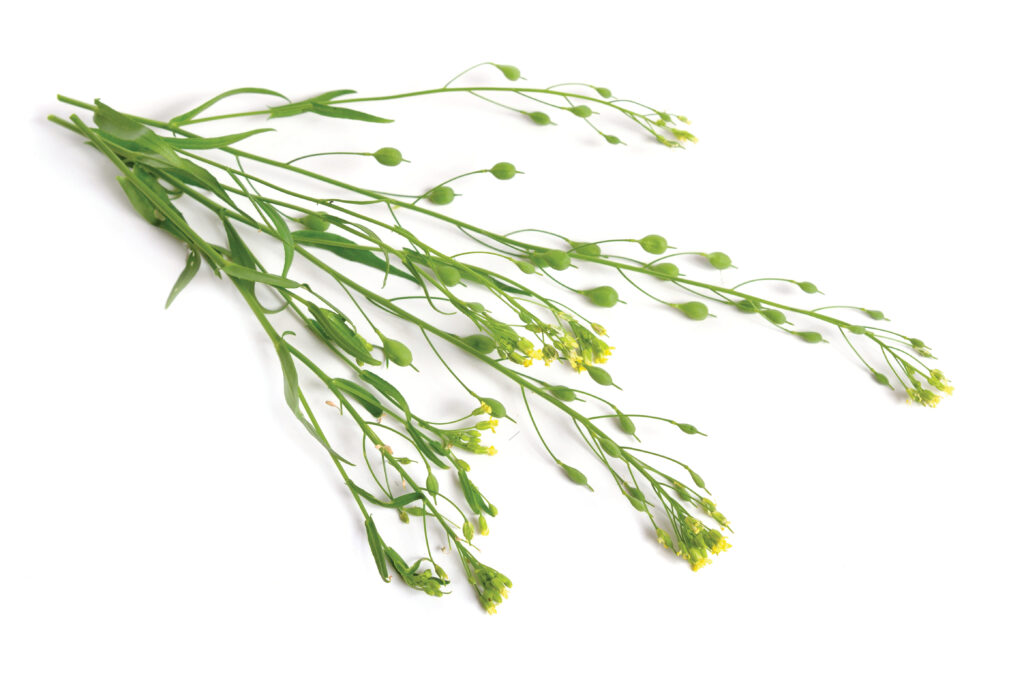
The speed at which Pennycress has moved from weed to commercial crop is unprecedented — perhaps the fastest completion of this process in history.
Fewer Pesticides Please

Florida strawberry growers can reduce pesticide usage and save money while controlling the significant pest known as chilli thrips, according to research from the University of Florida.
First New SCN Trait in 60 Years
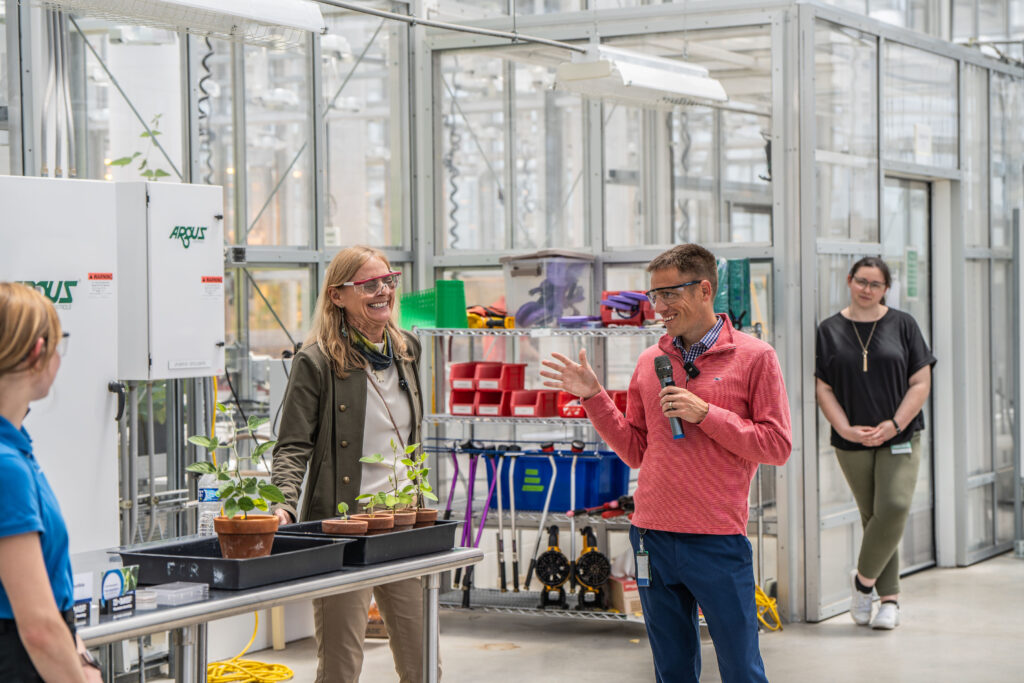
It’s been 60 years since the seed industry saw a new trait to fight the pathogen. BASF officials unveiled a new SCN trait they’ve named Nemasphere™.
Euroseeds Adopts its New Position Paper on IP
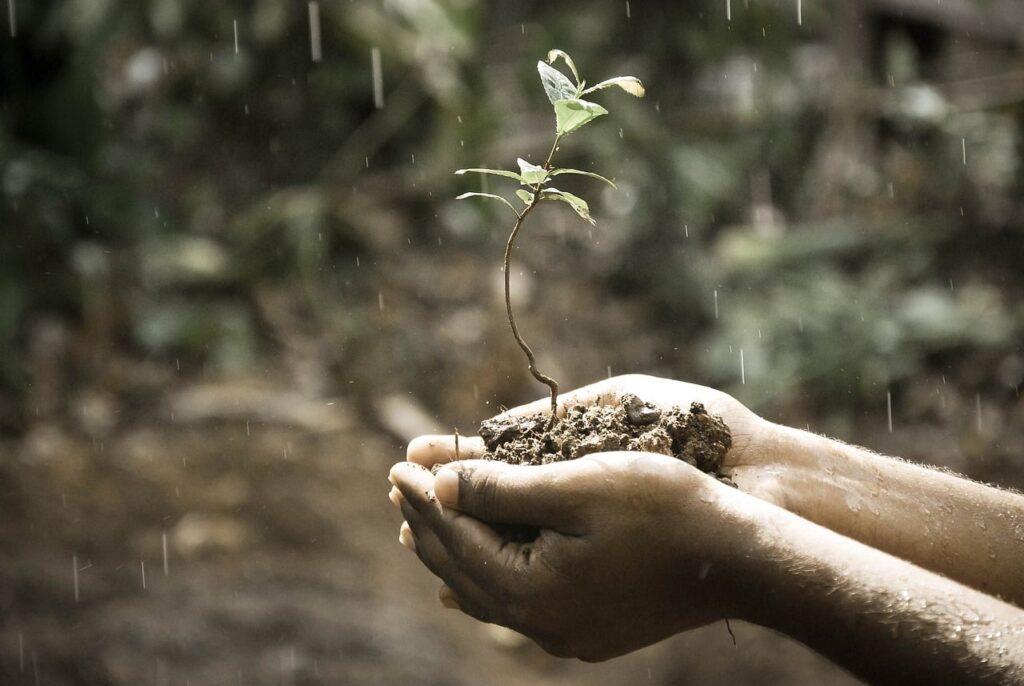
On June 4, the Euroseeds Board of Directors unanimously adopted the association’s new “View on Intellectual Property”.
Independence and Collaboration are the Hallmarks of a Healthy Vegetable Seed Sector
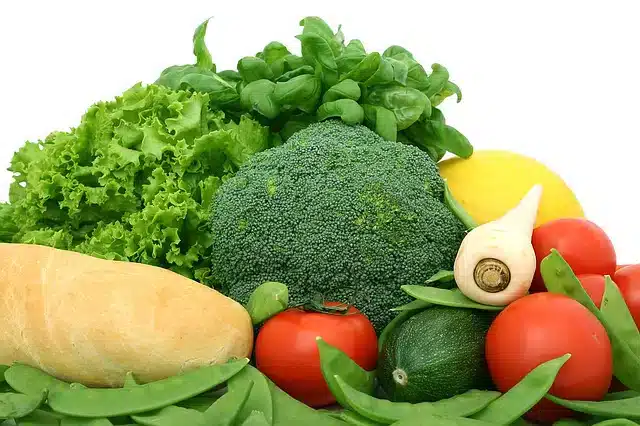
In March 2023, USDA published a report titled More and Better Choices for the Farmer: Promoting Fair Competition and Innovation in Seeds and Other Agricultural Inputs. In this report the authors acknowledged the vegetable seed breeding market has seen some consolidation but, for the most part, the specialty crop sector is diverse and fragmented with acceptable levels of competition. Will this be the case in the future and what trends will we see?
Nanotechnology Could Transform Global Food Production
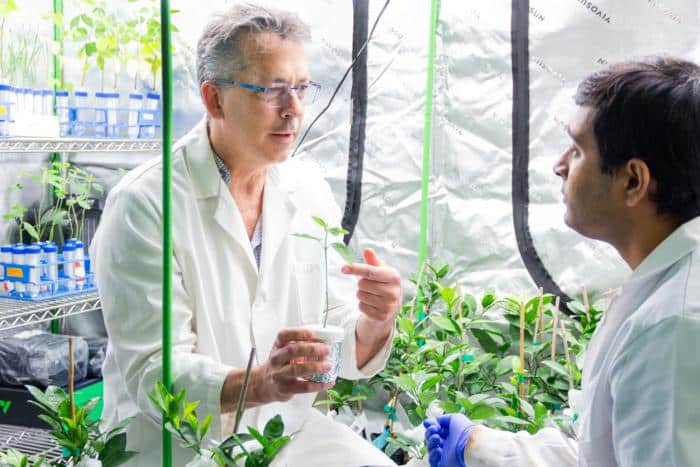
Carnegie Mellon University researchers are using nanomedicine and digital twin technologies to tackle climate change, improve crop yields and ensure food security for the future.
Uruguay Advances Plant Breeding Innovation with Gene Editing Decree
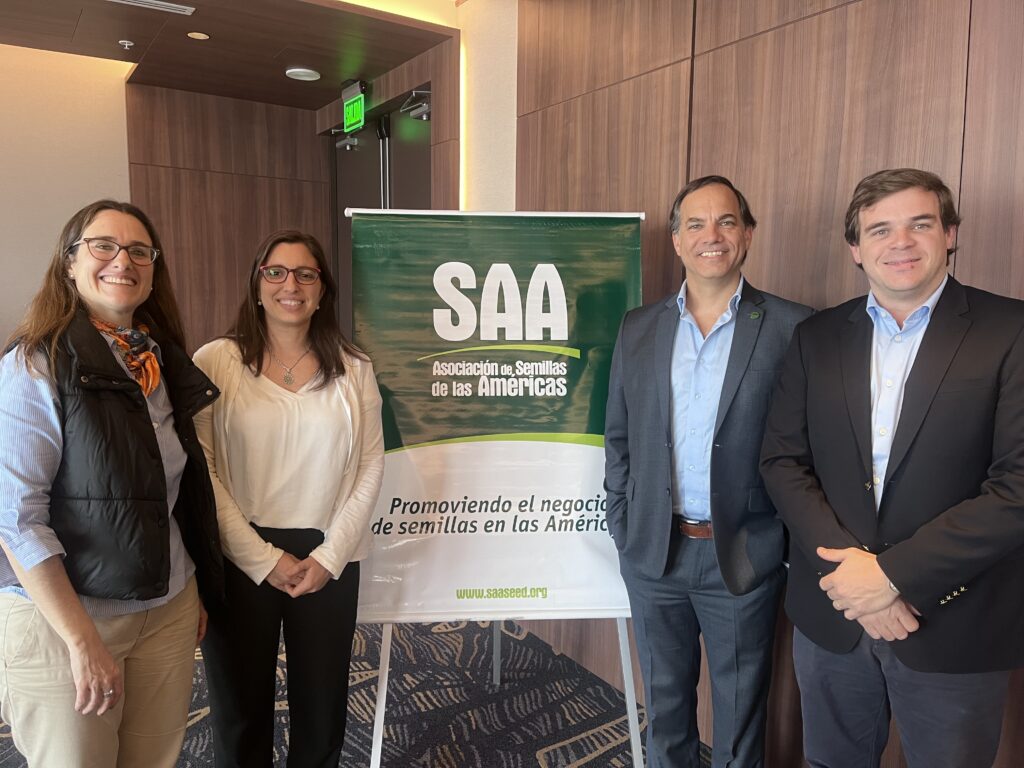
In March, Uruguay underscored its commitment to technological innovation when the country’s legislative bodies approved a decree on gene editing, marking a significant milestone for the country’s seed sector. This regulatory breakthrough, which has been the result of several years of work, seeks to promote innovation and provide a clear framework for the development of new technologies in agriculture.
Uruguay Avanza en la Innovación del Fitomejoramiento con el Decreto de Edición Genética
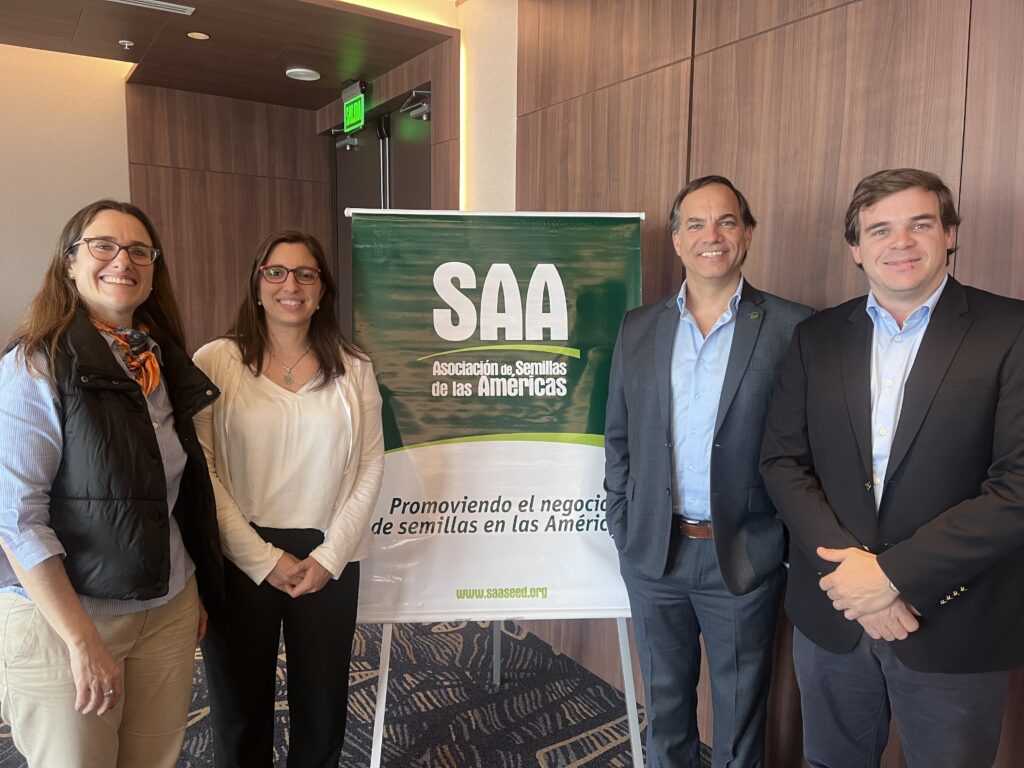
En marzo, Uruguay demostró su compromiso con la innovación tecnológica cuando los órganos legislativos del país aprobaron un decreto sobre la edición de genes, marcando un hito importante para el sector de las semillas del país. Este avance normativo, fruto de varios años de trabajo, busca promover la innovación y proporcionar un marco claro para el desarrollo de nuevas tecnologías en la agricultura.
Eye in the Sky: New Tech Brings Incredible Opportunities to Field Trialling

I’m Bayer’s corn seed treatment technical and market development manager. I manage all the corn seed treatment work right across North America, which includes all of the product trialing. I’ve […]
Hybrid Wheat Opportunities and Challenges

Despite decades of research and development, hybrid wheat has not yet made significant inroads into North American fields. While some companies are pushing forward on efforts to make hybrid wheat a reality, others are stepping back from hybrid wheat research programs, citing challenges with the crop’s economic viability.
Scientists Make Stunning Corn Gene Discovery
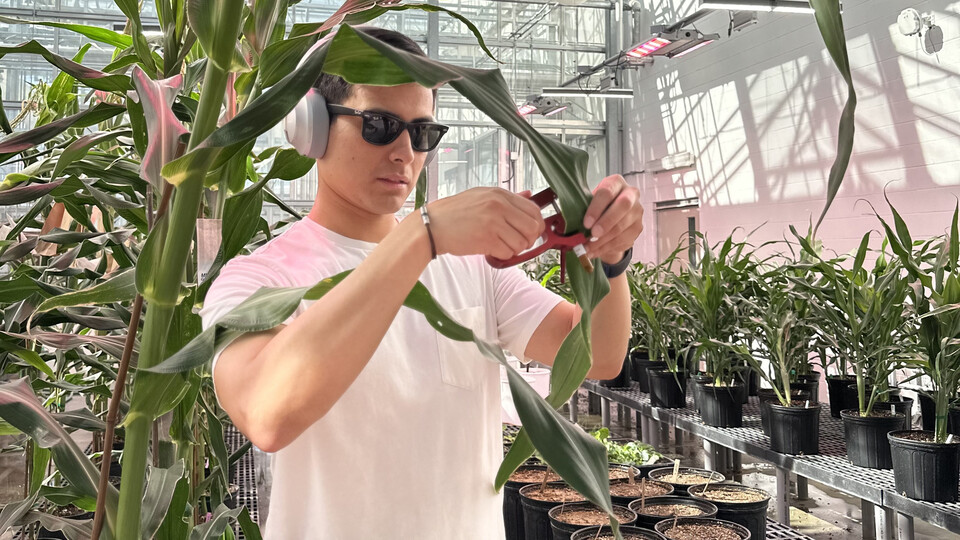
The genome of a corn plant contains almost 40,000 genes, thousands more than the human genome. But 15 years after the publication of the first draft of the corn genome, the roles 98% of those genes play in making a corn plant or determining how corn will respond to different growing conditions remain unknown.
It’s Time to Check Your Processing Line for Problems

A few years ago, I got a call to visit a plant because their machine was making a strange noise. As soon as I arrived, I could hear the machine […]
Western Crop Innovations Strikes Partnership with SeedNet

Western Crop Innovations (WCI) has marked an important first step in building new partnerships to invest in the future of crop research in Canada. The newly incorporated not-for-profit organization that assumed […]
13 organizaciones internacionales firman un acuerdo histórico para combatir las prácticas ilegales con semillas
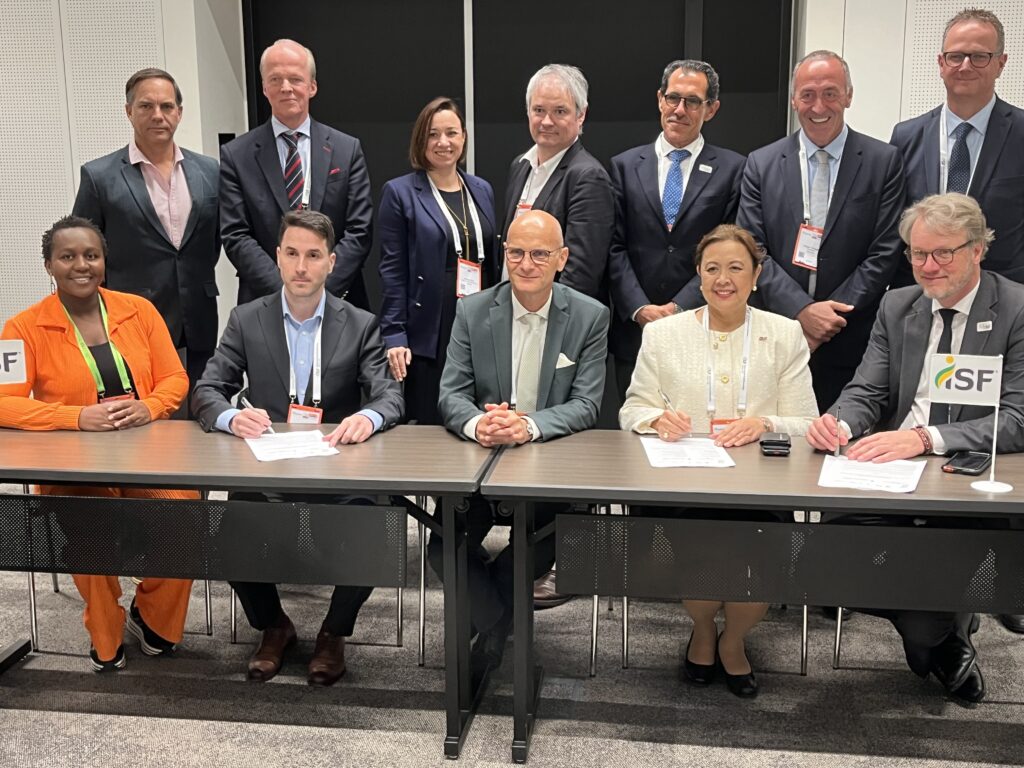
La International Seed Federation (IFS – Federación Internacional de Semillas) ha unido fuerzas con 12 organizaciones que representan y defienden los intereses de los fitomejoradores a nivel global. Juntas, colaborarán en la lucha contra las prácticas ilegales con semillas, a través de un histórico memorando de entendimiento firmado el recientemente en el Congreso Mundial de Semillas ISF 2024.
Move over Tubers!
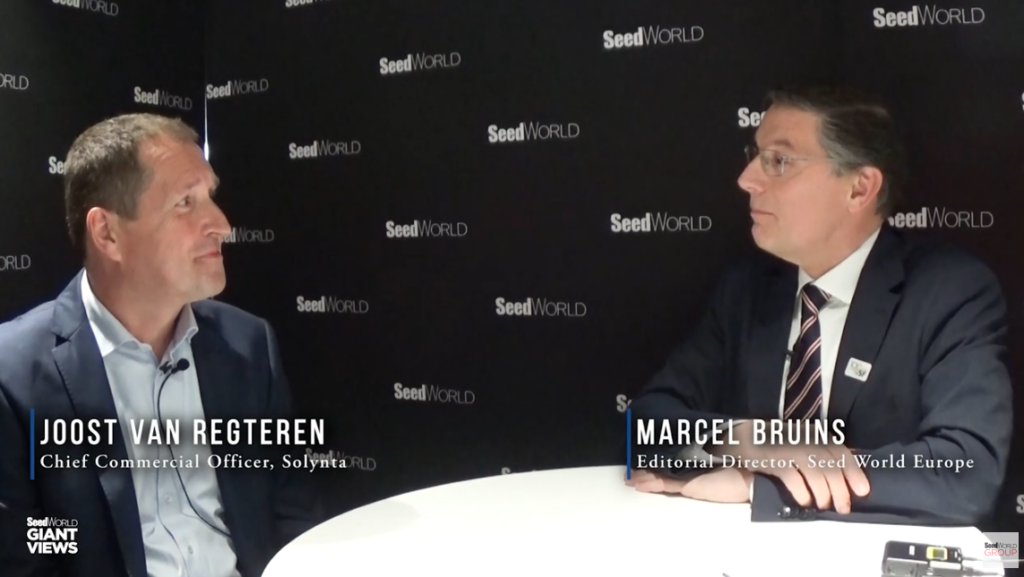
Seed World Europe Editorial Director Marcel Bruins interviewed Solynta chief commercial officer Joost Van Regteren at the ISF World Seed Congress in Rotterdam. Van Regteren has been in the vegetable seed industry for 30 years, starting as a crop consultant. He wants Solynta to be seen as a seed company and not just a breeding company.
Bayer Achieves Breakthrough in Tar Spot Management
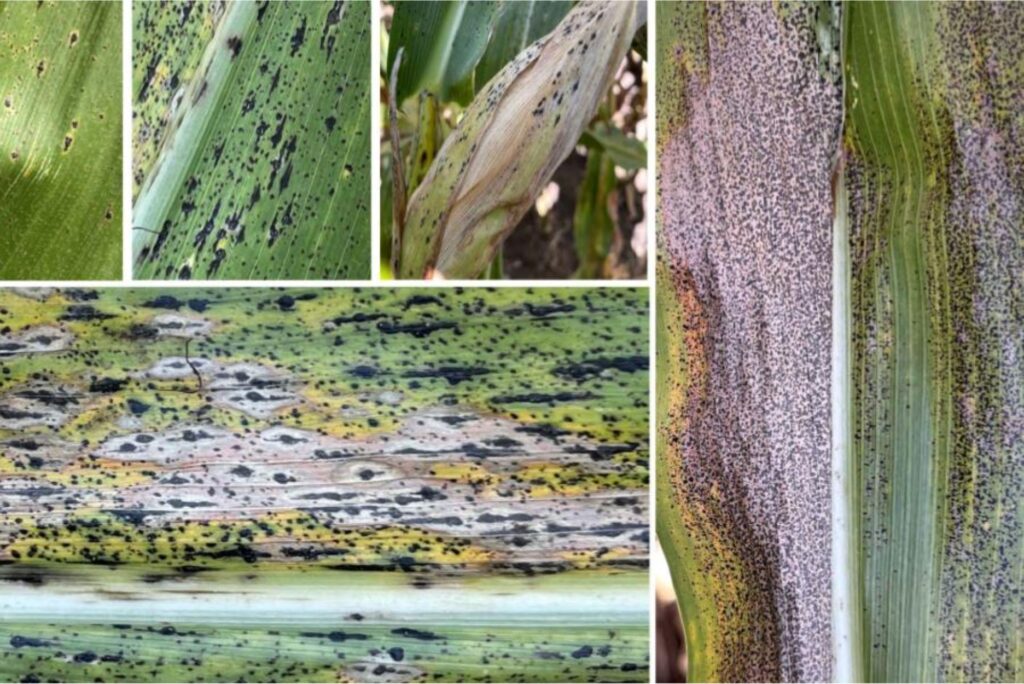
Bayer Crop Science announced in a news release that researchers have been able to artificially inoculate tar spot in field test plots, a key step in helping to gain a deeper understanding of how to manage the disease. This development shows promise for advancing both genetic and crop protection research on the pathogen that can severely impact yield.
Syngenta Group Opening Genome-Editing Tools to the World
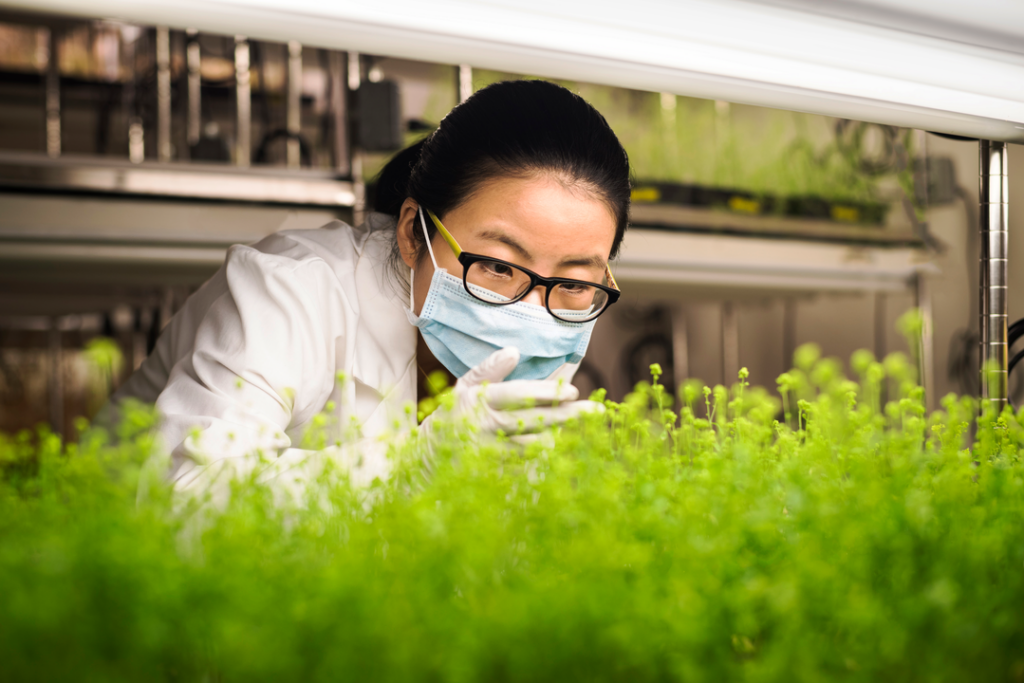
Syngenta Group announced in a news release that it will provide rights to selected genome-editing and breeding technologies for academic research globally as part of its commitment to foster innovation and drive sustainability in agriculture. These rights are accessible through its innovation collaboration platform Shoots by Syngenta.
Trading with Europe: Q&A with Petra Jorasch

Petra Jorasch is the manager of plant breeding innovation advocacy at Euroseeds. She plays a crucial role in advocacy and regulatory affairs. She works with stakeholders, policy makers, industry representatives and the broader scientific community to promote a better understanding of plant breeding innovations and to ensure that the regulatory environment supports scientific advancement and agricultural productivity.
“Superpowers” Keep Broccoli Fresh Longer
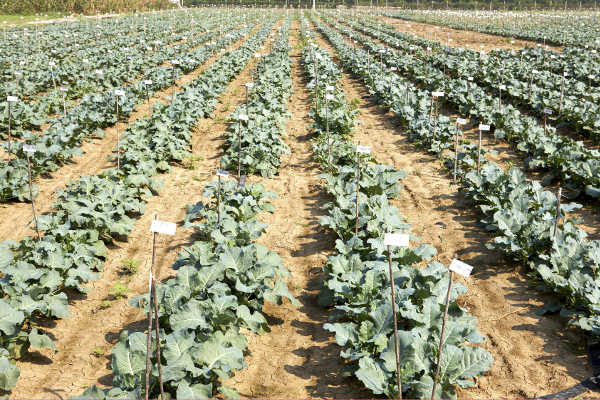
Consumers want to buy produce that looks, feel and tastes fresh when they go to the grocery store. University of Florida scientist Tie Liu is studying ways to keep vegetables fresh longer.
Trading with Europe: Q&A with David Zaruk
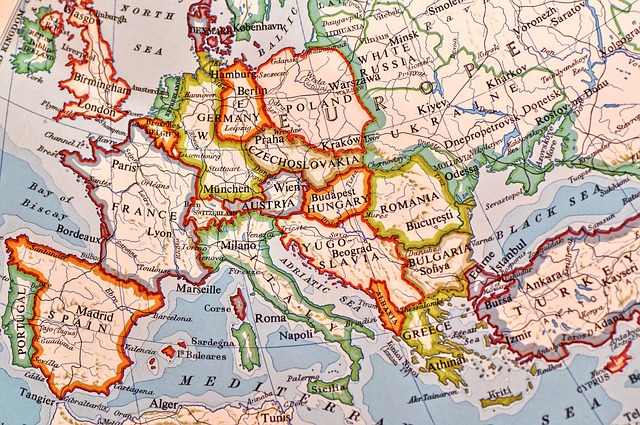
David Zaruk is an expert on risk. As a regulatory policy analyst, also known at The Risk Monger, he is particularly knowledgeable about the seed industry’s interaction with Europe’s complex regulatory framework. He’s also a regular columnist for Seed World Europe.
CropLife Canada says New Guidance on Livestock Feed Offers the Clarity our Industry Needs

The seed industry is applauding the Canadian Food Inspection Agency (CFIA) for issuing its recent guidance that confirms that gene edited plants are safe for use in livestock feed. The […]
UEFA EURO 2024: Pitches Prepared to Perfection Using Quality Standards
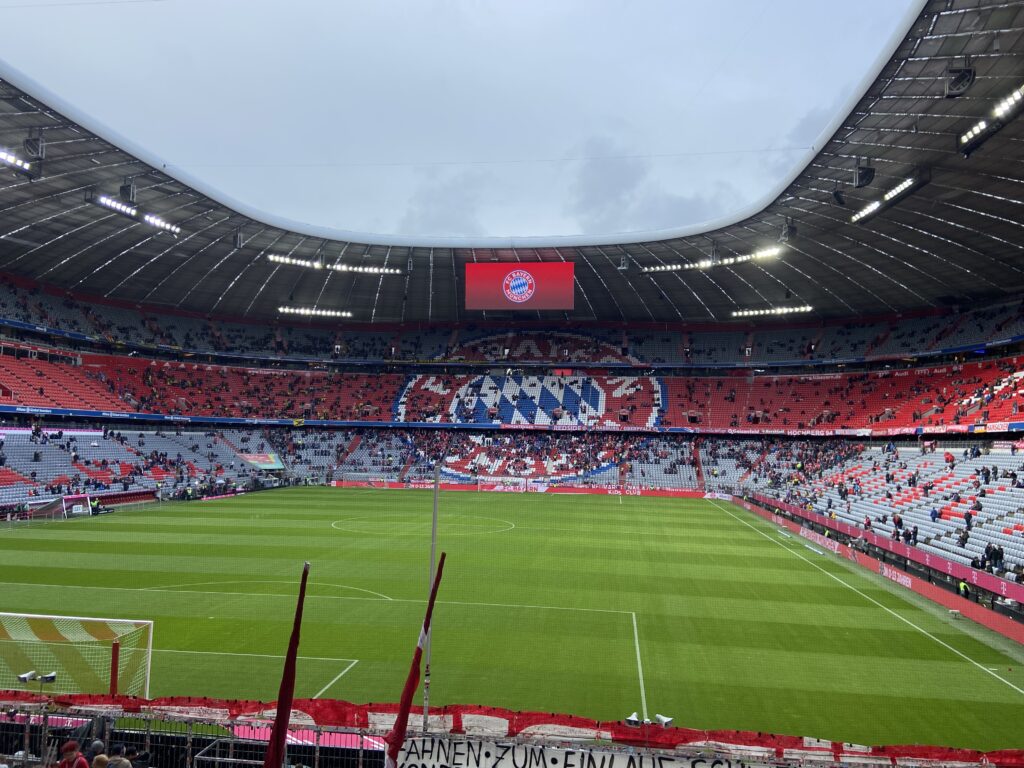
The countdown to UEFA EURO 2024 has begun, and football fans across Europe and the world are eagerly anticipating a month of thrilling matches. The tournament kicks off at the Allianz Arena in Munich and concludes with the final at Berlin’s iconic Olympic Stadium. As preparations intensify, ensuring the quality and performance of the football pitches is paramount. Pitch standardization and quality measurement begins long before the tournament and continues throughout, guaranteeing consistent high standards across all venues, from the training pitches in each country, the training facilities in Germany to the 10 match stadiums.
Future of Agriculture: Wayne Sanders, Agricultural University Student
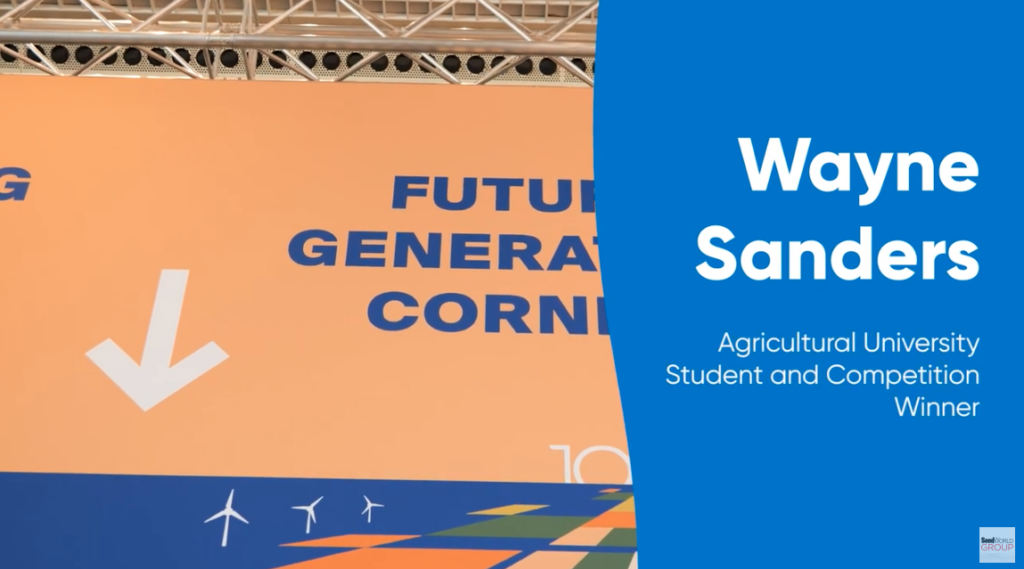
Join us for an inspiring conversation with Wayne Sanders, an Agricultural University student and (which competition?) competition winner, as he shares his journey and insights into the future of agriculture. In this interview, Sanders reflects on his experiences, aspirations and the role of young professionals in shaping the agricultural landscape in South Africa. Tune in to hear Sanders’ perspective on the future of agriculture and the innovations driving the industry forward.
ISF Centennial Congress: That’s a Wrap!
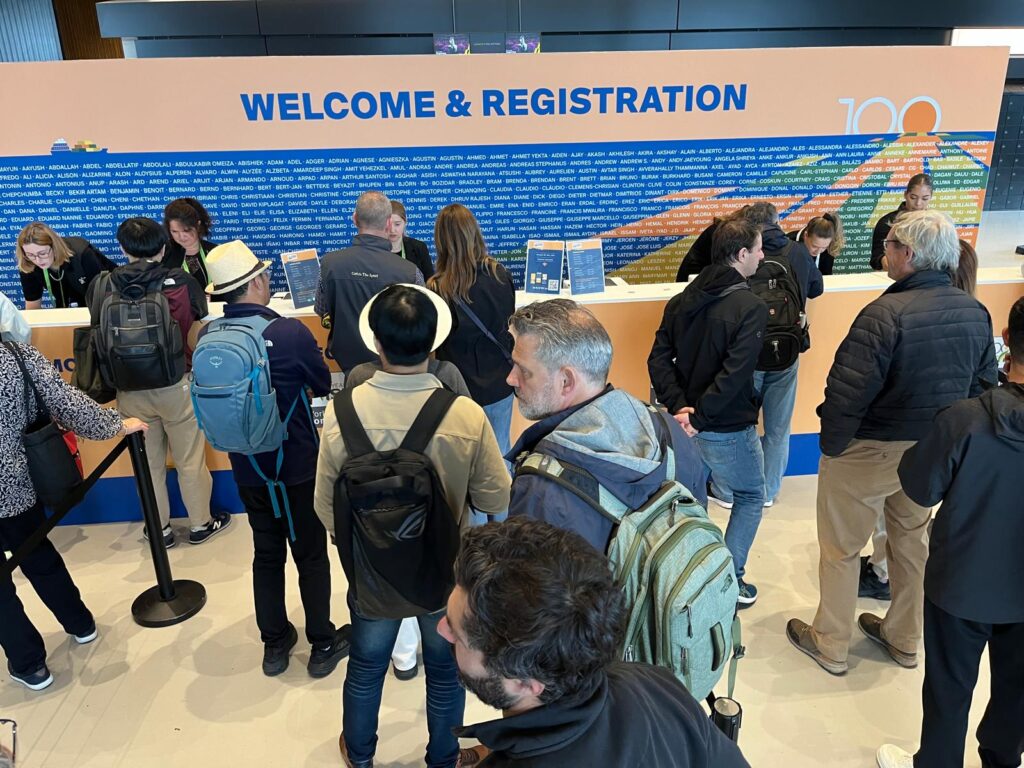
Seed World Europe editorial director Marcel Bruins was on the ground in Rotterdam May 27-29, covering every angle of the International Seed Federation (ISF) World Seed Congress, the global seed sector’s key annual international seed event since 1924.
We Need a Strong Public System to Ensure the Future of Cover Crops

For many years governments made it a priority to fund public plant breeding systems. Regionally, there were either plant breeders scattered across the country, or there was a satellite station […]
Former FCDC Staff Receive New Employment Contracts From Western Crop Innovations as Transition Plan Moves Forward
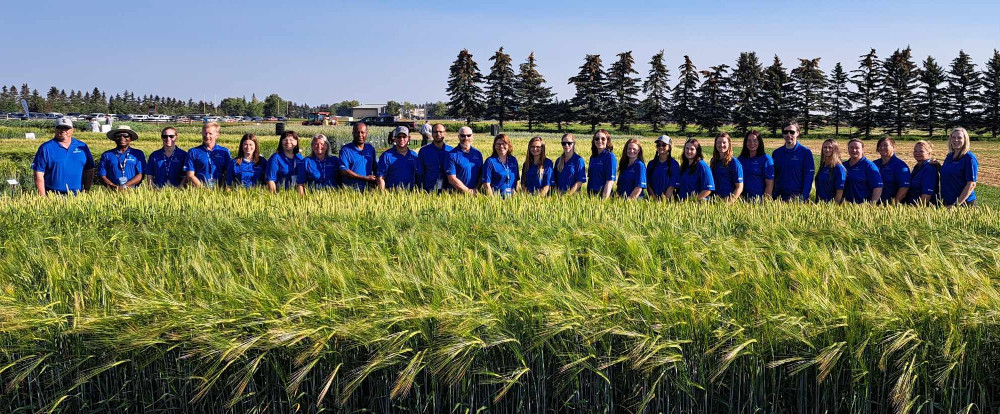
Western Crop Innovations (WCI) has announced that its employees will receive new employment contracts from WCI as it further implements its transition plan. Interim board chair Jason Lenz said WCI […]
Agricultural Policy and Innovation: An Interview with Marc Cool from Corteva Agriscience
Explore the intersection of policy, innovation, and global trends in agriculture with Marc Cool, Global Seed Advocacy Lead at Corteva Agriscience. In this enlightening interview, Cool delves into Corteva’s advocacy efforts, regulatory challenges and collaborative initiatives driving agricultural advancements, sharing.