

Embrapa’s New Sorghum Hybrid Targets Silage, Biogas, and Energy Production
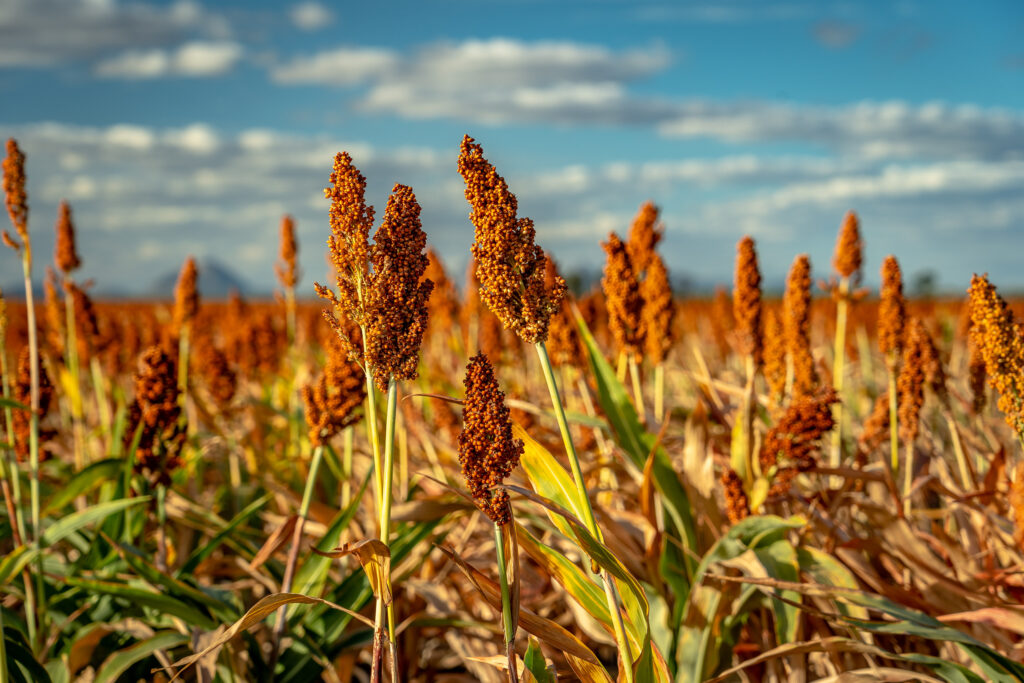
Embrapa and Latina Seeds launched the giant forage sorghum hybrid BRS 662 (LAS6002F), designed for silage, biogas, and energy production. The early-cycle cultivar can yield over 80 tons per hectare with strong regrowth and resistance to key fungal diseases. Suitable for Brazil’s main production regions, it offers high-quality biomass and supports livestock feed and renewable energy systems.
El nuevo híbrido de sorgo de Embrapa se centra en la producción de ensilado, biogás y energía
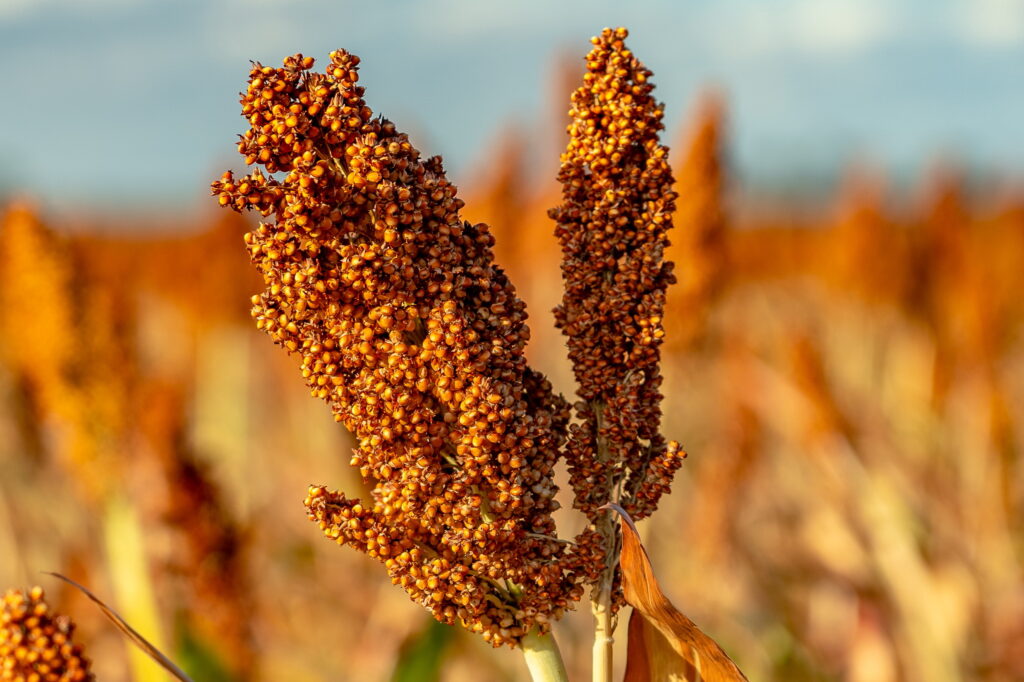
Embrapa y Latina Seeds lanzaron el híbrido de sorgo forrajero gigante BRS 662 (LAS6002F), orientado a ensilaje, biogás y producción de energía. El cultivar de ciclo temprano puede superar 80 toneladas por hectárea, con fuerte rebrote y resistencia a enfermedades fúngicas clave. Adaptado a las principales regiones productoras de Brasil, ofrece biomasa de alta calidad para alimentación animal y bioenergía.
How Biotechnology Could Save the Banana

Banana Xanthomonas Wilt (BXW) is devastating banana crops across Africa, threatening food security for over 70 million people. With no cure and limited breeding options, scientists are turning to biotechnology. Genetic engineering and genome editing have produced resistant bananas, offering hope. However, regulatory barriers and public skepticism may delay adoption of these solutions.
Why the 2026 NAPB Annual Meeting at Texas A&M is a Must-Attend

Attendees in College Station will explore AI-driven phenotyping, high-throughput data systems, and cutting-edge breeding programs
Argentina’s RECSO Sets the Standard for Unified Regional Soybean Trials in 2026
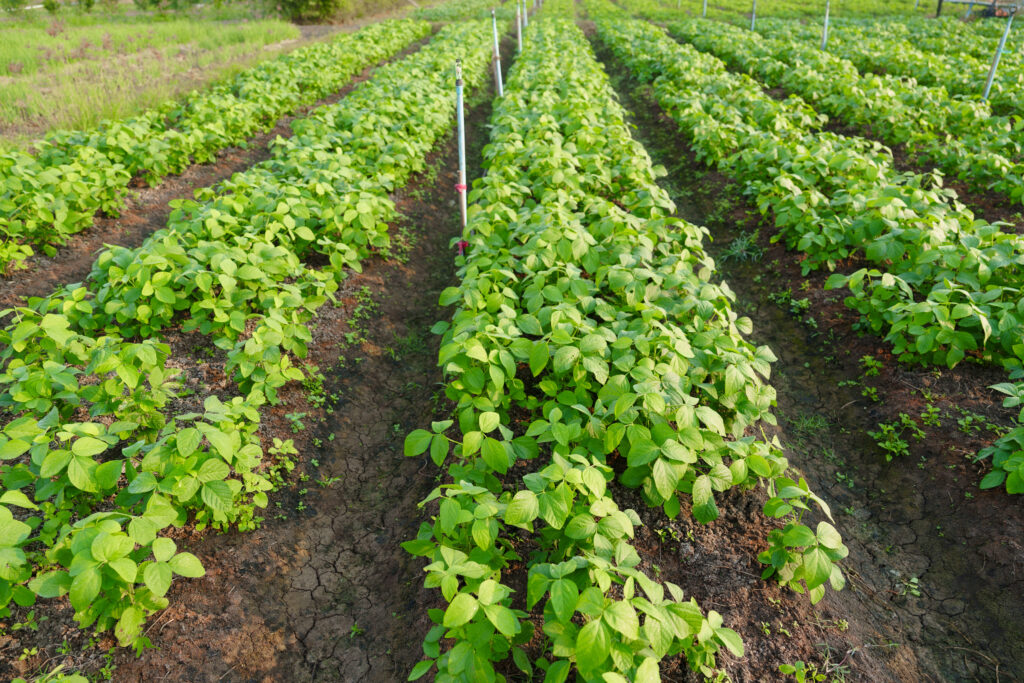
With more than four decades of experience in Argentina, the National Soybean Cultivar Evaluation Network (RECSO) will expand to a regional scale in 2026. This transition will establish a network […]
Why the VUA Matters for Farmers — and the Future of Seed Innovation

Seeds Canada’s Lauren Comin explains how agreements like the VUA help sustain plant breeding while adding one more step for growers
Soil Microbes Help Suppress Crop Diseases, Global Study Finds
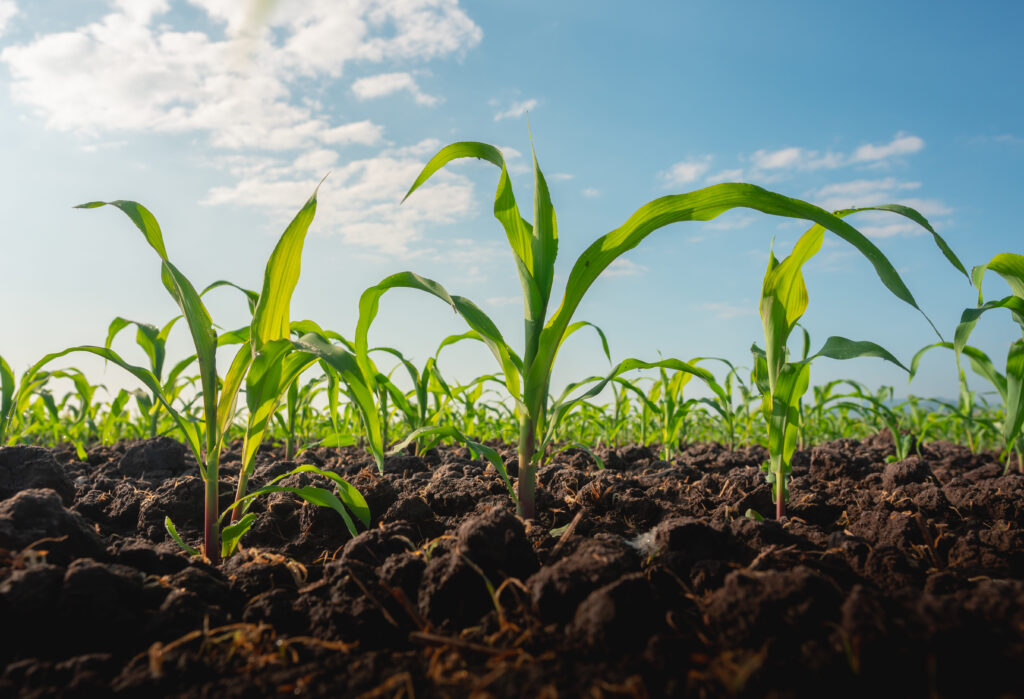
A global study has mapped plant pathogen hotspots and found that healthier, more diverse soils can naturally suppress disease. Published in Nature Communications, the research also warns that climate change could expand the range of major bacterial plant pathogens. The findings offer a foundation for improved surveillance and microbiome-based strategies to protect crops, food security, and ecosystem health worldwide.
OP-ED: No Investment, No Innovation — What’s at Stake for Canadian Farmers

Failing to fund crop genetics today could limit farm productivity and profitability tomorrow, as momentum builds behind new value capture tools. Innovation is undeniably important to Canadian agriculture. To remain […]
Corn’s Margin Crisis Deepens as Fertilizer Shock Collides With Planting Season

U.S. corn growers face rising fertilizer costs and tighter margins as global disruptions tied to the Strait of Hormuz add pressure during planting season, shaping decisions on inputs, yield and seed strategy.
On the Brink Episode 2: Canadian Conditions Need Made-for-Canada Solutions
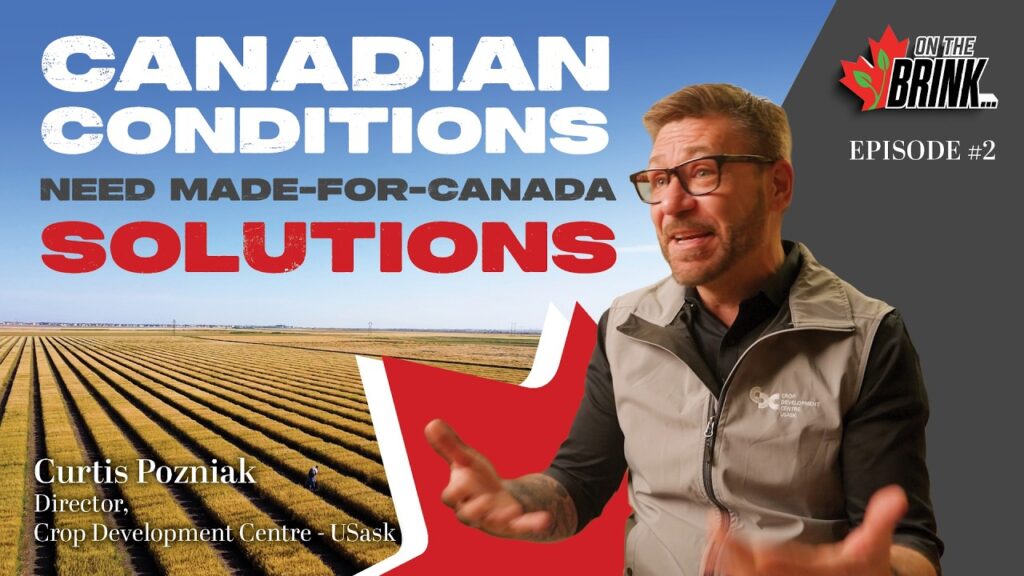
How will decisions made today shape what agriculture looks like into the future? That’s what Episode 2 of On the Brink explores
La RECSO de Argentina establece el estándar para ensayos regionales unificados de soja en 2026
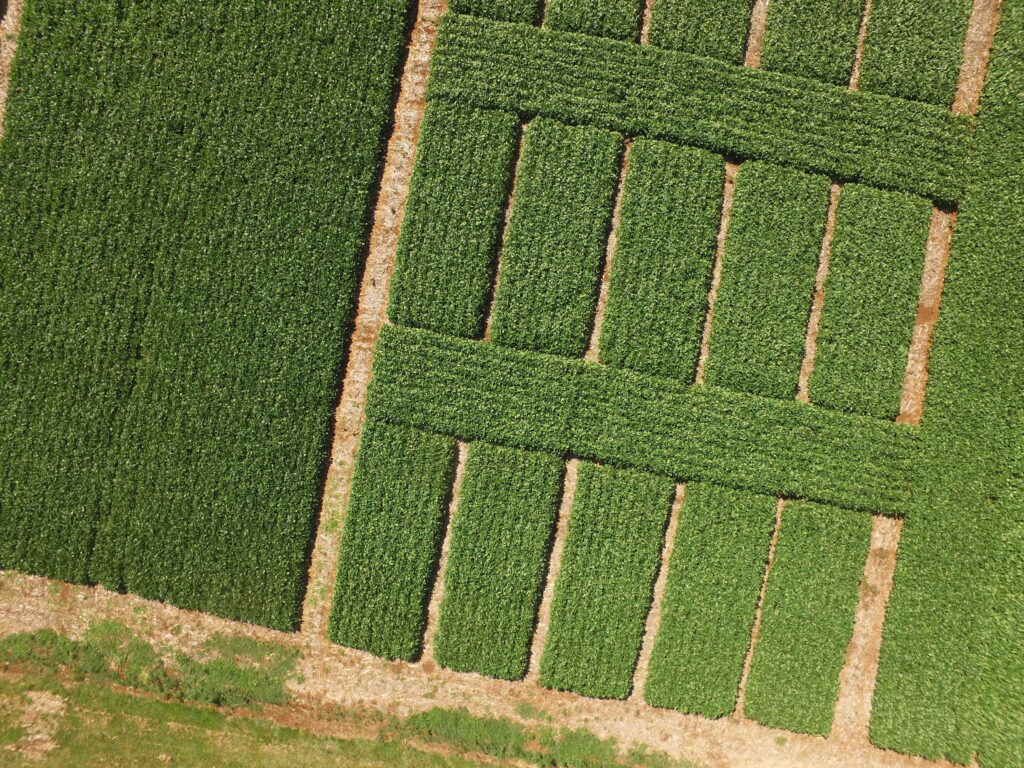
La red argentina de evaluación de cultivares de soja RECSO se ampliará en 2026 a escala regional como RRECSO-Américas, integrando a Argentina, Uruguay, Paraguay, Colombia y Perú con protocolos unificados. El objetivo es cerrar brechas de rendimiento, especialmente por limitaciones hídricas, optimizando la elección de cultivares y el manejo. Con gobernanza compartida y apoyo de la Universidad de Florida en modelos predictivos, beneficiará a productores, semilleras, asesores e institutos públicos.
Keeping Seed Cleaning Plants Moving: 13 Years in Parts & Service
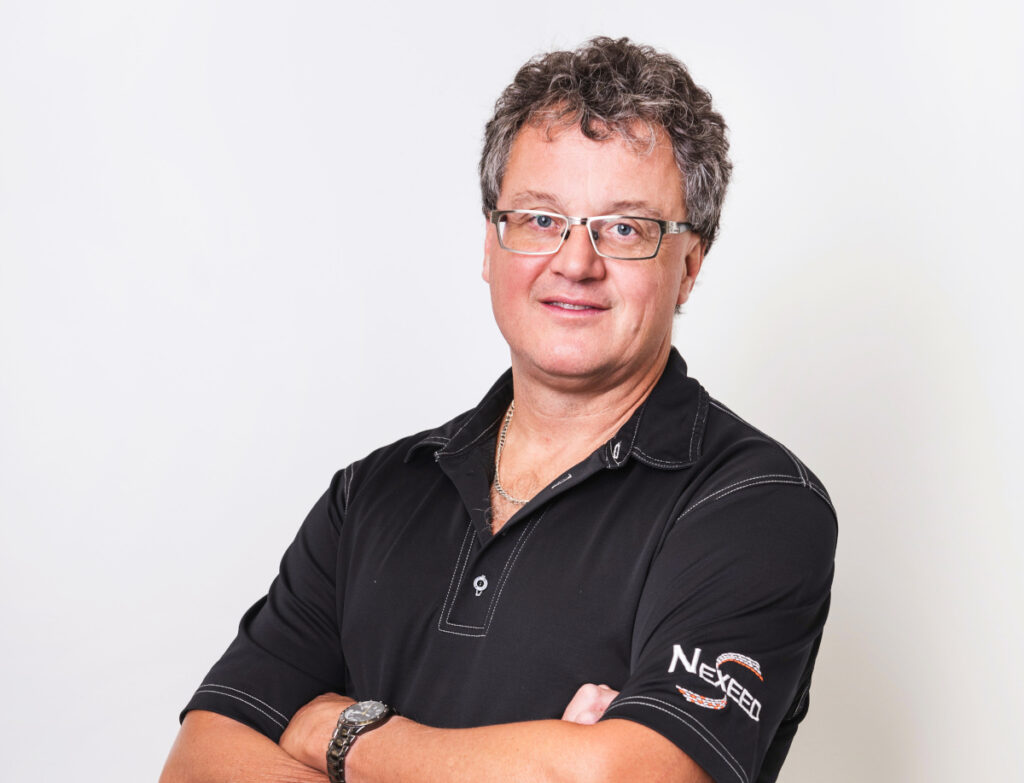
Whether it’s a mechanical issue or a technology challenge, customers want one thing: reliable answers and reliable service
AOSCA Names New Leadership

AOSCA names Michael Bouck president and Matthew Young vice president following its latest board meeting, marking a leadership transition focused on strengthening seed certification systems across North America.
The Breeder’s Blind Spot: What Your Genotyping Panel Isn’t Telling You

Computomics’ AI-driven platform pairs predictive breeding with pangenome visualization, giving you the architecture behind every crossing decision
Study Finds No Clear Link Between GMOs and Health Risks
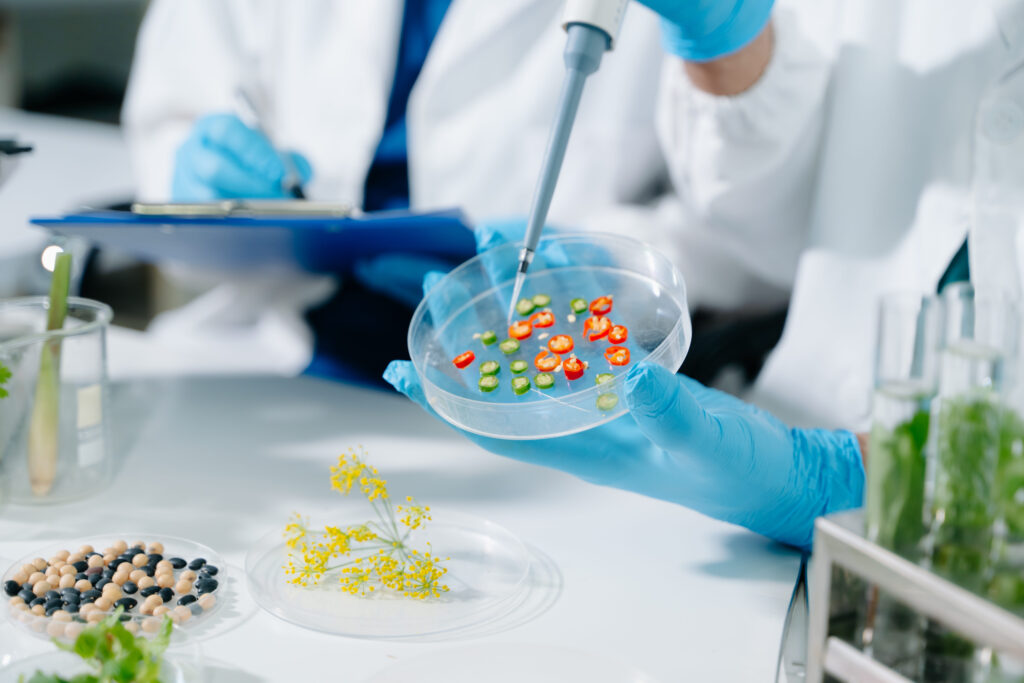
A new review of global health data and decades of scientific research found no consistent evidence that GMO consumption is linked to major human health problems. Researchers in South Korea found no causal association between GMOs and cancer, allergies, reproductive disorders, or chronic disease, concluding that current epidemiological evidence does not support claims of significant health risks from GMO foods.
Embrapa Introduces New Bean Cultivars Focused on Productivity, Risk Reduction, and Market Quality
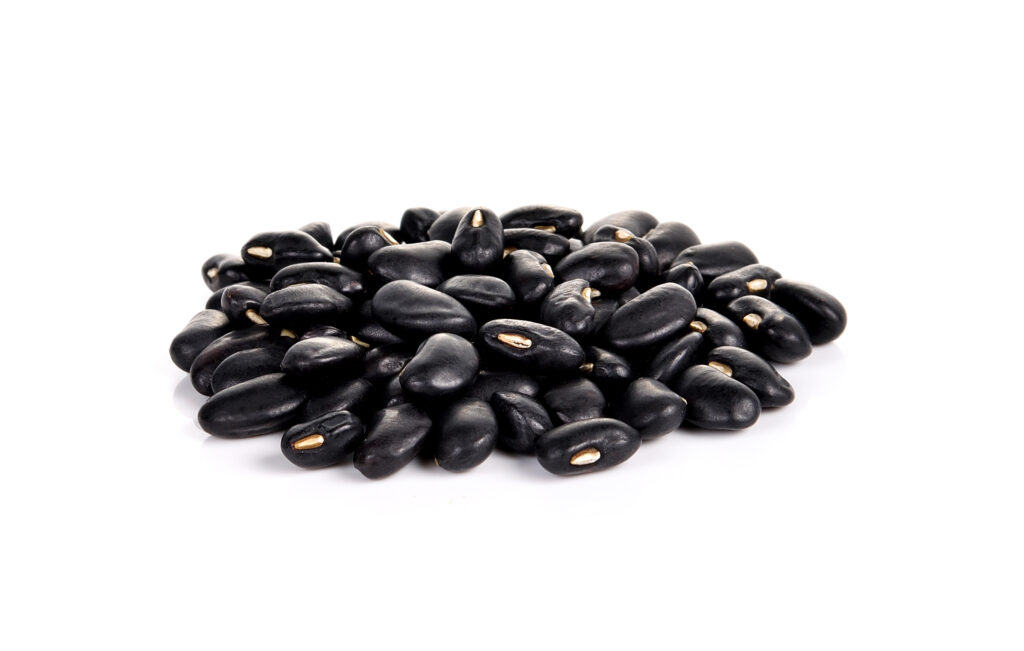
Embrapa Arroz e Feijão, based in Santo Antônio de Goiás (GO), has introduced a new group of bean cultivars designed to address practical demands across the production chain — from […]
How Disconnected Systems Increase Risk in Seed Companies

Disconnected spreadsheets and siloed systems make seed businesses harder to run, limiting visibility across production, sales, contracts, and inventory. As volume grows, outdated information increases risk, inefficiency, and margin pressure. A connected, industry-specific system gives teams one real-time view of the business, improving planning, reducing errors, and helping seed companies make faster, more confident operational decisions.
Active Collaboration Will Drive Biologicals Adoption
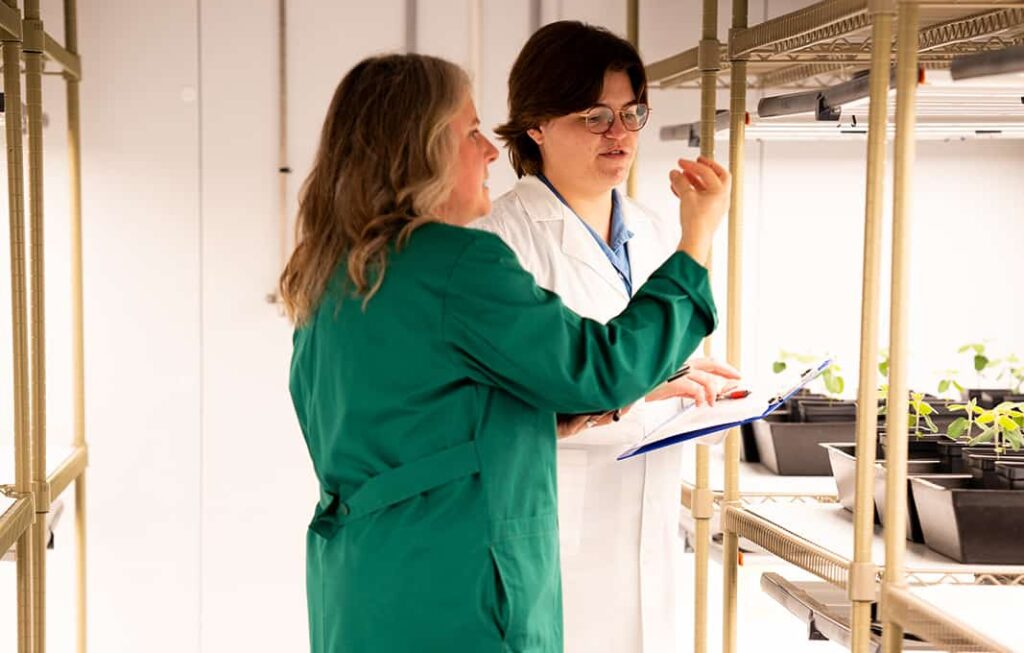
Agriculture innovation now depends on collaboration, not silos. Jord BioScience highlights how integrated biologicals, chemistry, seed technologies, and microbial solutions can deliver consistent, repeatable farmer results. Backed by multi-state field data, strong win rates, and ROI gains in corn and soy, Jord’s partnership-driven model is accelerating agricultural biological innovation, product commercialization, and sustainable crop performance for 2026.
Canada’s Wheat Breeding System Cannot Stay Status Quo, Leaders Warn in New Webinar
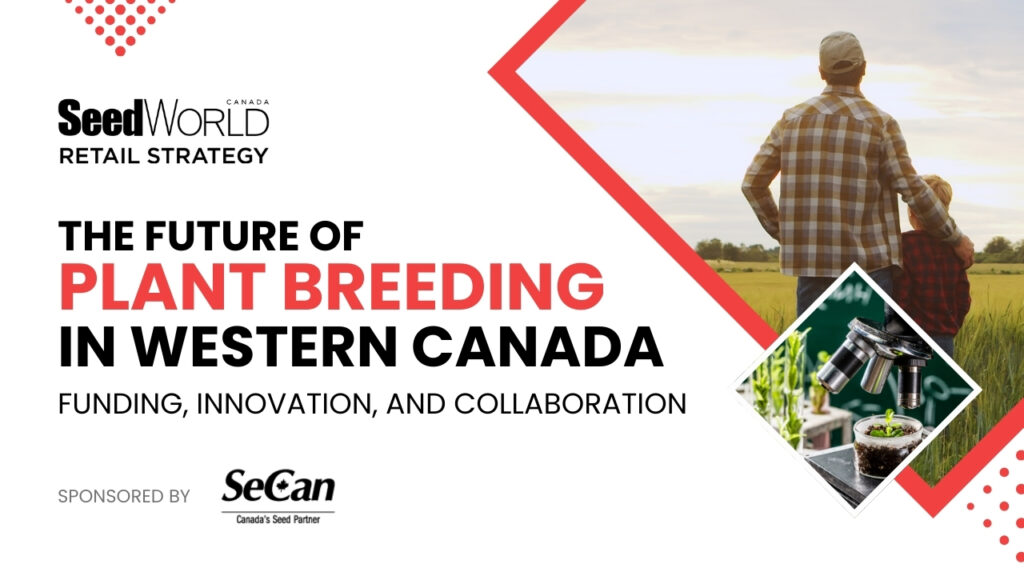
Watch our discussion around AAFC cuts and farmer-funded research, which points to the need for structural change in Western Canada’s breeding ecosystem
The Show Me State is Ground Zero in the Fight Against Soybean Cyst Nematode
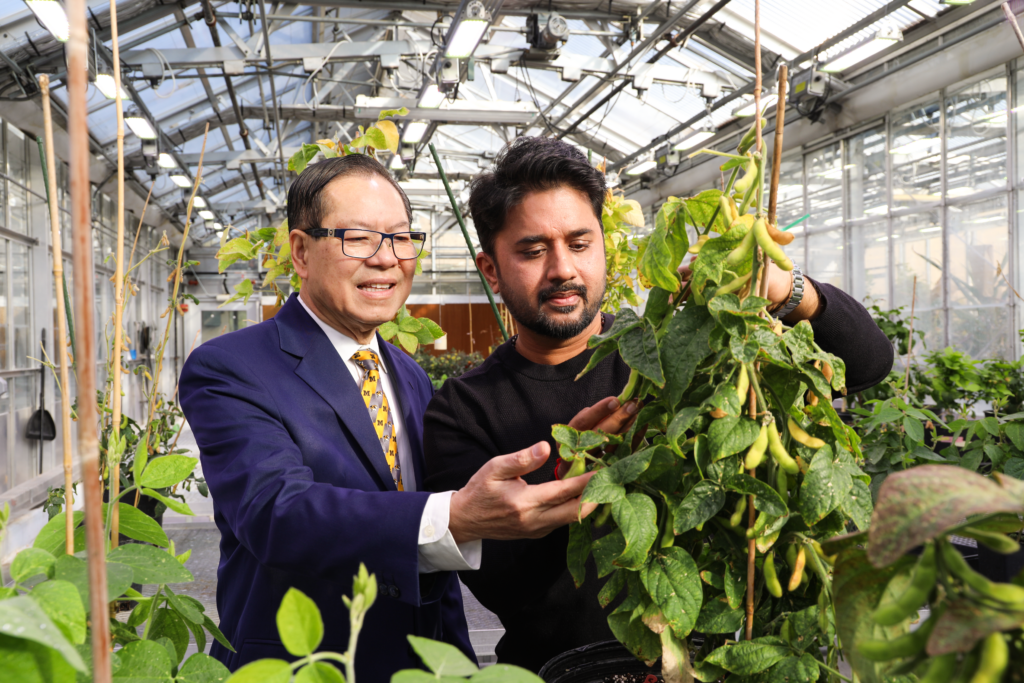
By analyzing over 1,100 soybean genomes, scientists uncovered new sources of SCN resistance that could help breeders build more durable protection for future varieties.
Embrapa presenta nuevos cultivares de frijol enfocados en la productividad, la reducción de riesgos y la calidad del mercado
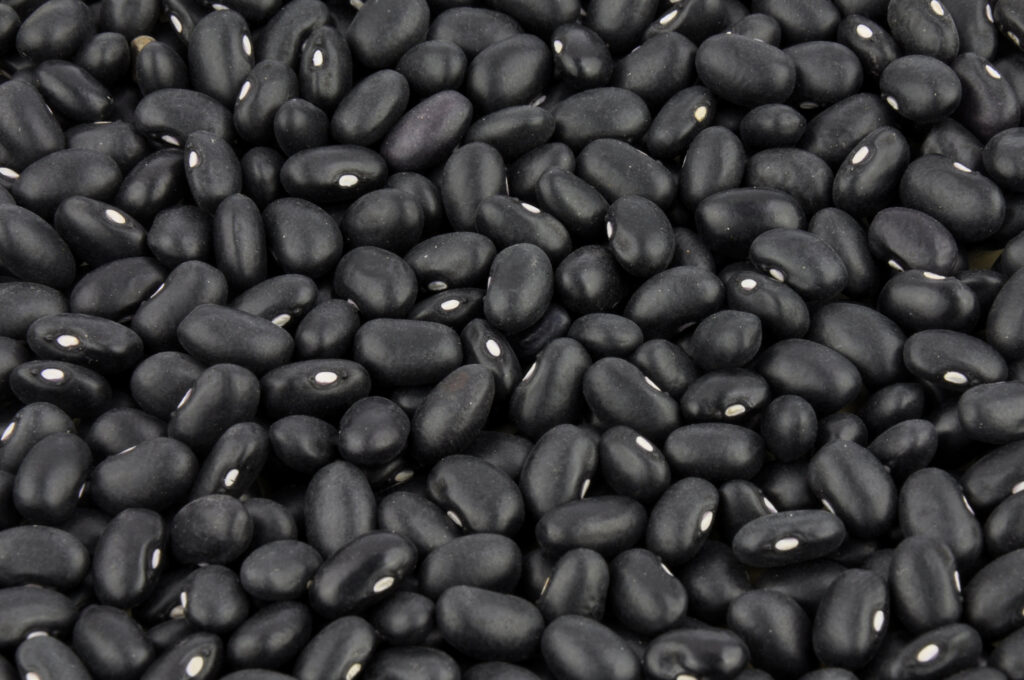
Embrapa Arroz e Feijão lanzó a inicios de 2026 cuatro nuevos cultivares de frijol para aumentar productividad, reducir riesgos agronómicos y mejorar la calidad comercial. En carioca, BRS ELO FC424 destaca por alto rendimiento y BRS ELO FC429 por oscurecimiento lento, con mayor vida útil y mejor venta. En frijol negro, BRS FP426 aporta estabilidad en ambientes de riesgo y BRS FP327 combina precocidad con altos rendimientos.
New Gene Discovery Could Help Breed Hardier, Higher-yielding Faba Beans

Faba bean, an ancient high-protein crop and sustainable European soy alternative, may soon become more frost-resilient. Researchers improved the faba bean reference genome and identified a single gene locus linked to winter hardiness, frost tolerance, and yield stability. The discovery could speed breeding of robust winter field beans, boosting yields by up to 50% and reducing protein import dependence.
Brazilian Scientists Develop AI Platform to Predict Asian Soybean Rust
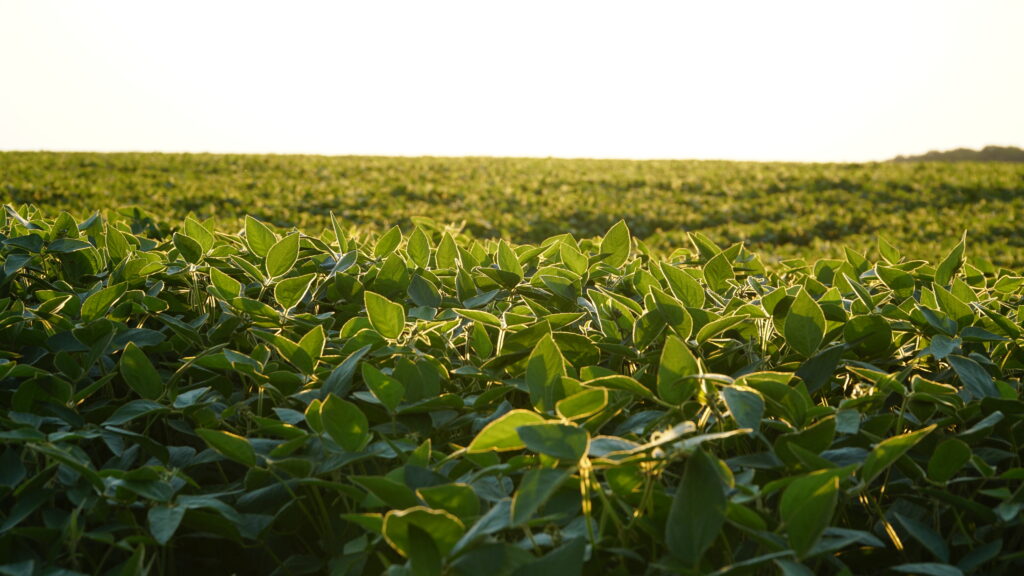
Brazilian researchers created a cloud-based AI platform to predict Asian soybean rust risk by fusing climate sensor data, agronomic factors, and leaf images. The dashboard classifies risk as low, medium, or high and generates management recommendations to improve on-farm decisions. Developed with Fapesp support by UFSCar and Embrapa, the system uses Hidden Markov Chains and helps prevent disease while reducing fungicide use.
Square Wheels and Round Thinking: Why AI in Agribusiness Starts with First Principles

AI consultant Robert Newcombe urges farmers to challenge tradition and use artificial intelligence to rethink farm operations. Drawing on his dairy farm background, he says AI works best for reducing administrative drudgery, improving efficiency, and freeing staff for higher-value tasks. While cautioning about errors and privacy, Newcombe argues the biggest barrier to AI adoption is mindset.
SGS Canada Crop Science Now Authorized for Bayer Corn Trait Testing in Canada
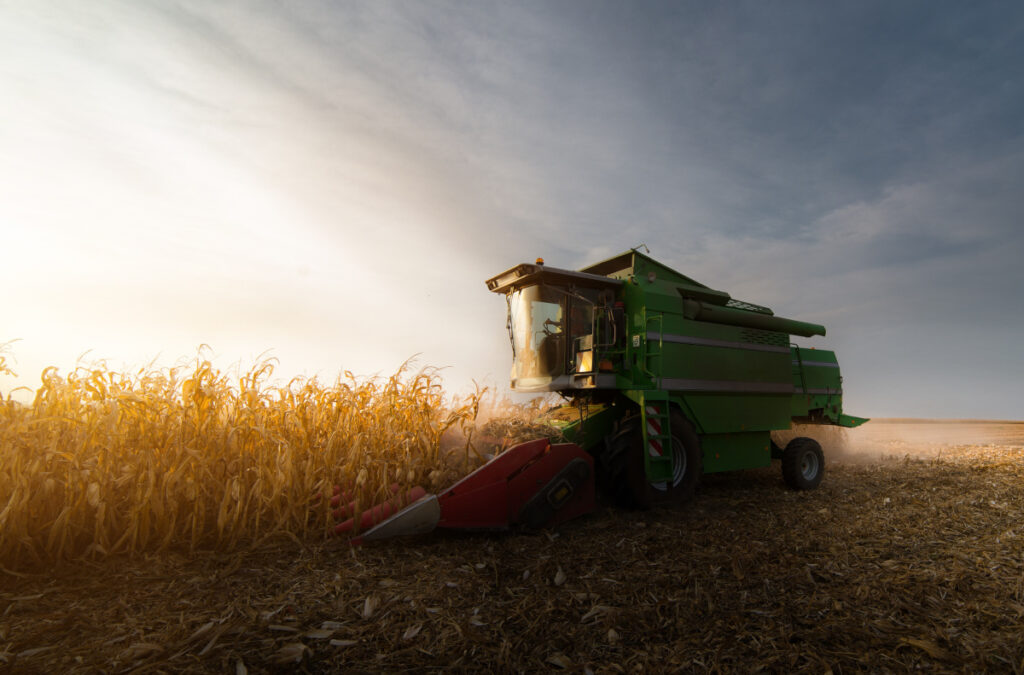
New Canadian-based corn trait testing includes herbicide bioassays and ELISA trait testing, helping seed corn companies avoid cross-border delays and improve turnaround time. In seed production, where timing and certainty […]
Canada is On the Brink. Let’s Talk About It
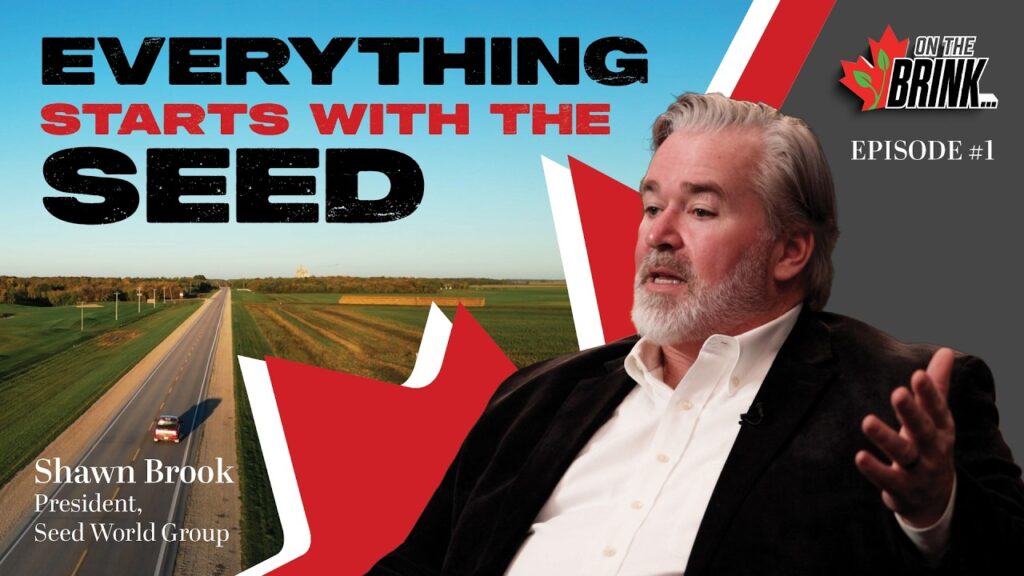
Explore Seed World’s cross-Canada journey into the future of plant breeding, crop innovation, and the decisions shaping Canadian agriculture.
Científicos Brasileños desarrollan una plataforma de IA para predecir la roya asiática de la soja
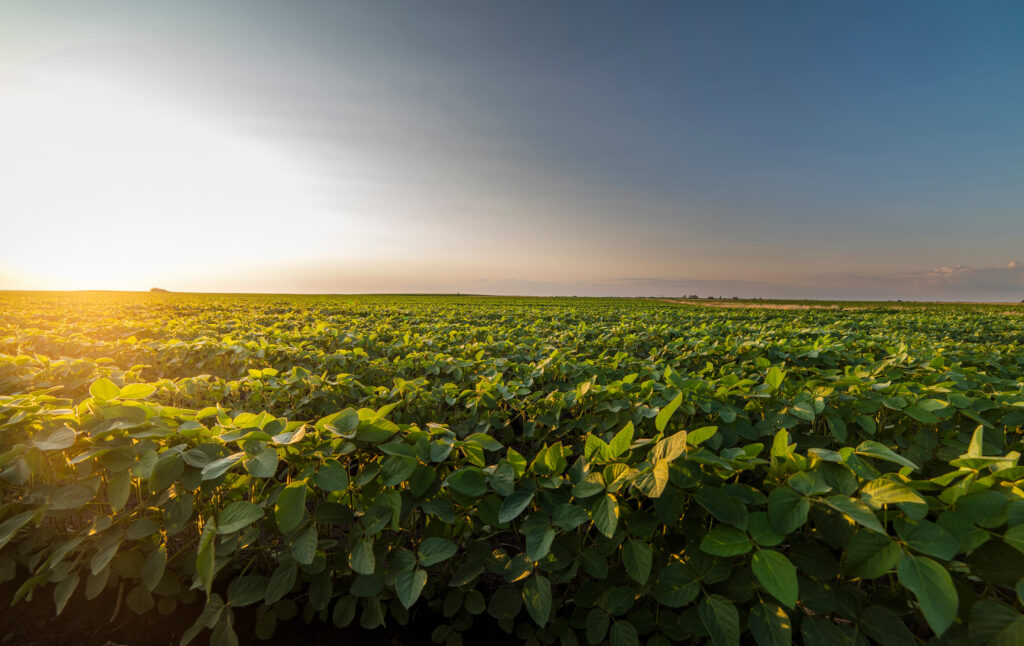
Científicos brasileños desarrollaron una plataforma en la nube con IA para predecir el riesgo de roya asiática de la soja, integrando datos climáticos, parámetros agronómicos e imágenes de hojas. El panel clasifica el riesgo en bajo, medio o alto y emite recomendaciones de manejo para decisiones más precisas. Impulsada por Fapesp, UFSCar y Embrapa, emplea cadenas de Markov ocultas, mejora la prevención y reduce el uso de fungicidas.
Coated Seeds Changed Alfalfa Forever. Who’s Next?
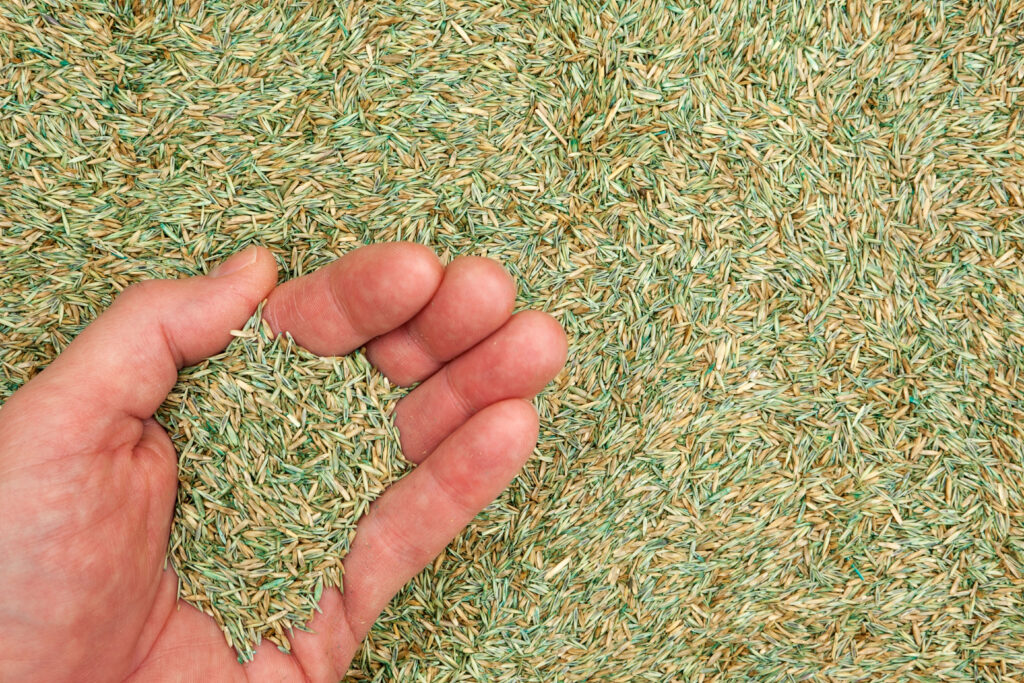
Coated seed was once seen by alfalfa growers as unnecessary cost and weight. Over time, growers recognized clear agronomic benefits: coatings create a protective micro-environment with fungicides, inoculants, and nutrients that improve emergence and survival. Adoption surged as results showed stronger stands and higher plant counts per bag. Today, coated seed dominates alfalfa. Turf grass may represent the next opportunity.
Svalbard Global Seed Vault Nominated for Nobel Peace Prize
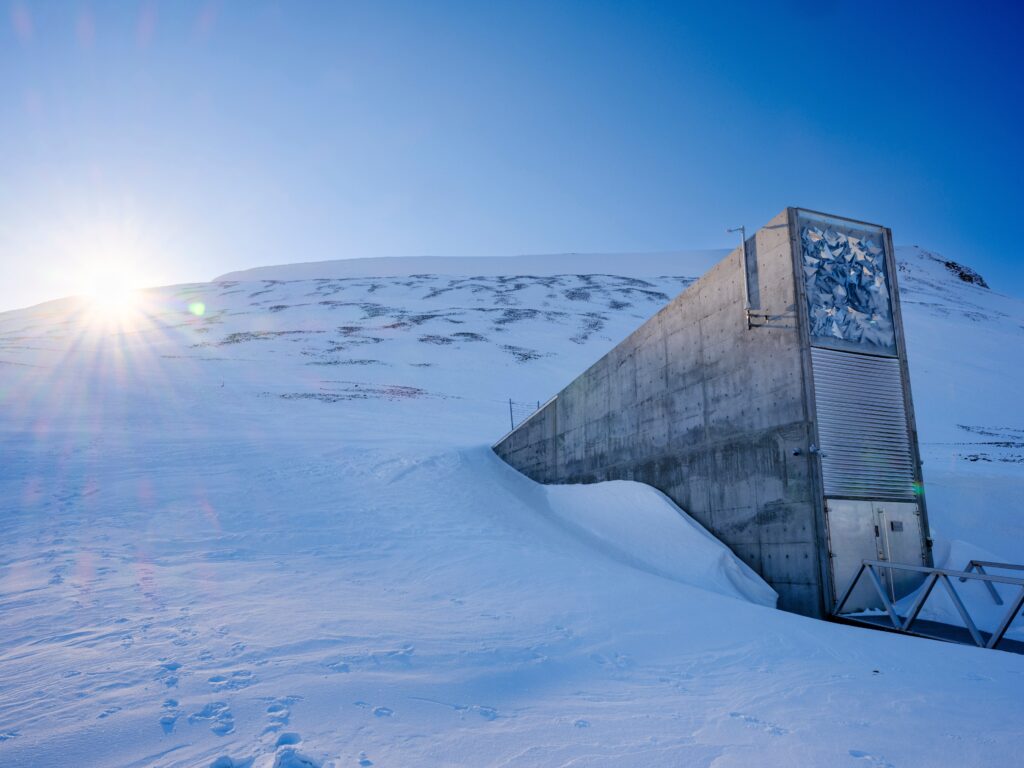
Geir Pollestad, Norwegian MP and former agriculture minister, has nominated the Svalbard Global Seed Vault for the Nobel Peace Prize, together with NordGen, FAO, Crop Trust, and CGIAR. He argued that food security is essential for peace amid climate change and conflict. The nomination highlights seed conservation, genetic diversity, and the role of resilient agriculture in global peacebuilding.
Advances in Genome Biology & Technology Agriculture Conference Discounted for Seed World Friends
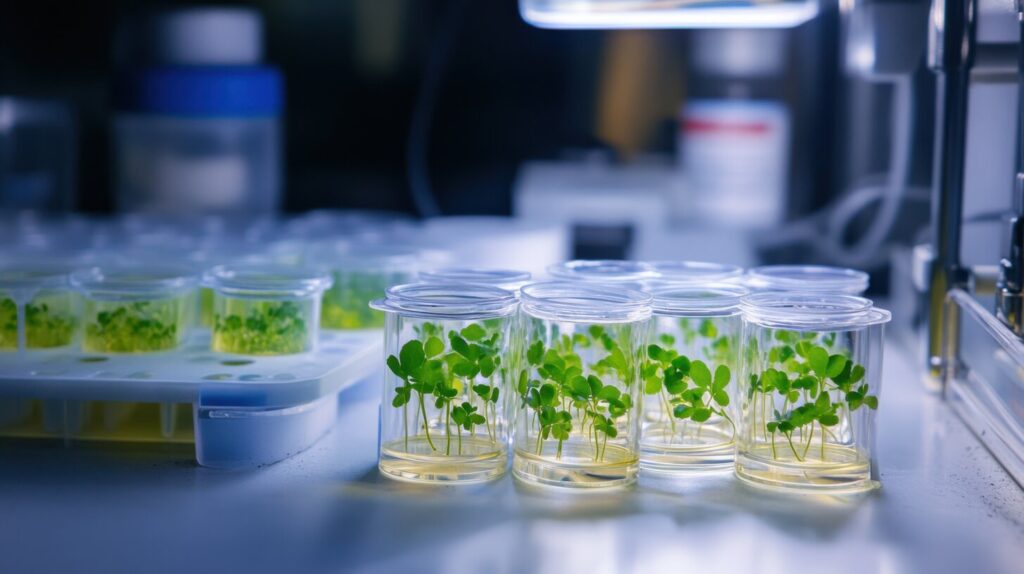
Seed World readers can receive $250 off registration for the AGBT Agriculture meeting April 12–15, 2026 in Phoenix, where plant, animal and industry scientists gather to explore how genomics is advancing agriculture.
Argentine Seed Association Supports UPOV 91 as a Strategic Step for Competitiveness

The Argentine Seed Association (ASA) backs President Javier Milei’s push to modernize plant intellectual property and advance Argentina’s accession to UPOV 1991. ASA says stronger breeders’ rights, including protection for essentially derived varieties, would deliver legal certainty, incentivize innovation, attract investment, and boost yields and export competitiveness. The reform would balance farmers’ own use while aligning regulations with technological progress.
The Invisible Leak in the Seed Sector
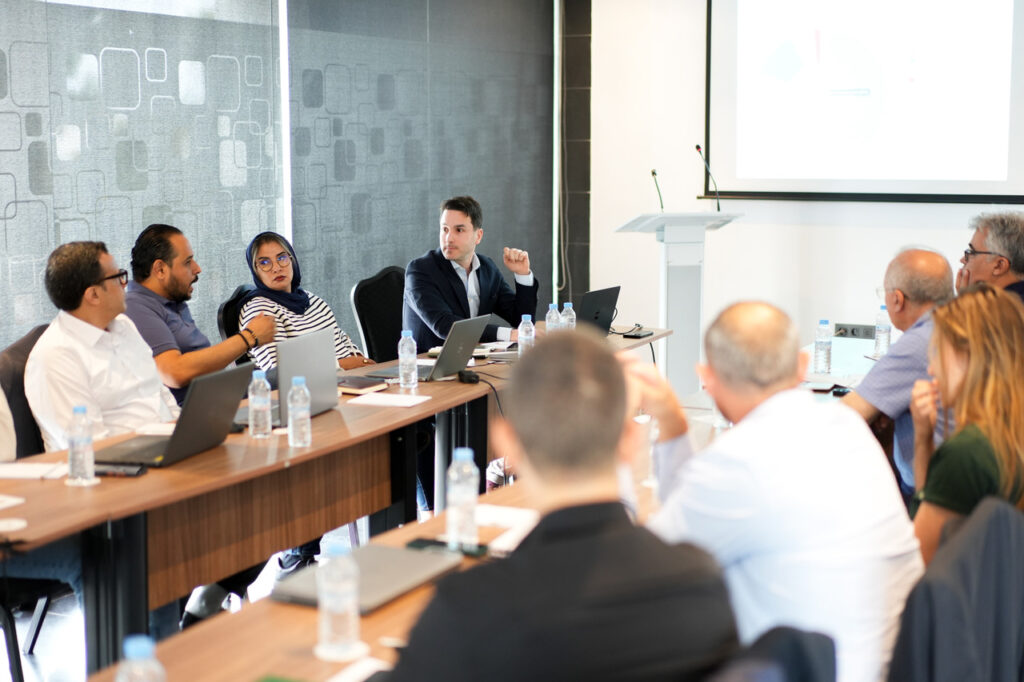
Illegal seed reproduction is quietly distorting Europe’s vegetable seed markets. New data from the Anti-Infringement Bureau (AIB) reveals where infringement occurs, why reporting has risen 86%, and how training and intelligence are improving detection. By targeting high-risk crops and markets, collective enforcement is helping seed companies protect innovation, strengthen compliance, and safeguard millions in seed sector revenue.
The Talent We Lose Along The Way

Enid Perez-Lara recounts her journey restarting a PhD after emigrating to Canada and reflects on how women scientists from outside Western countries often must repeatedly prove their credentials. Her story highlights bias in academia and the seed industry, the loss of global talent, and the resilience of women in STEM determined to advance despite systemic barriers in science and agriculture.
El talento que se pierde en el camino

Enid Perez-Lara relata cómo tuvo que reiniciar su doctorado tras emigrar a Canadá y reflexiona sobre cómo muchas científicas inmigrantes deben volver a demostrar su credibilidad. Su experiencia expone sesgos en la academia y la industria de semillas, la pérdida de talento global y la resiliencia de las mujeres en STEM frente a barreras persistentes en ciencia y agricultura global.
Scientists Map the Genetic Diversity of Soybean’s Most Damaging Pest
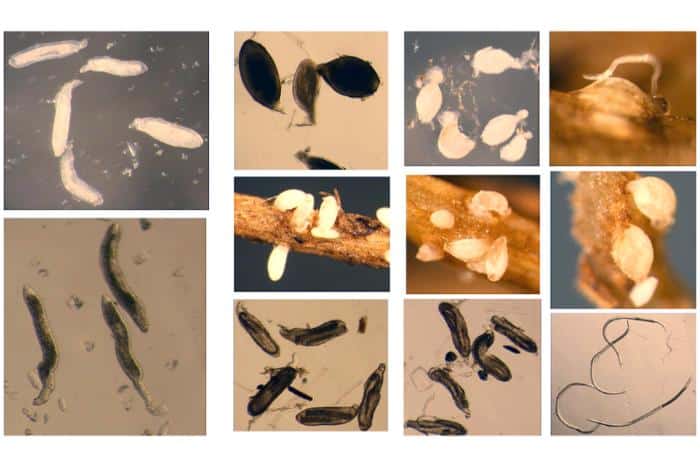
Scientists at the University of Illinois have developed the first soybean cyst nematode pangenome, revealing the pest’s genetic diversity and helping researchers understand how SCN overcomes soybean resistance.
Take 3: ASTA Vegetable and Flower Seed Conference
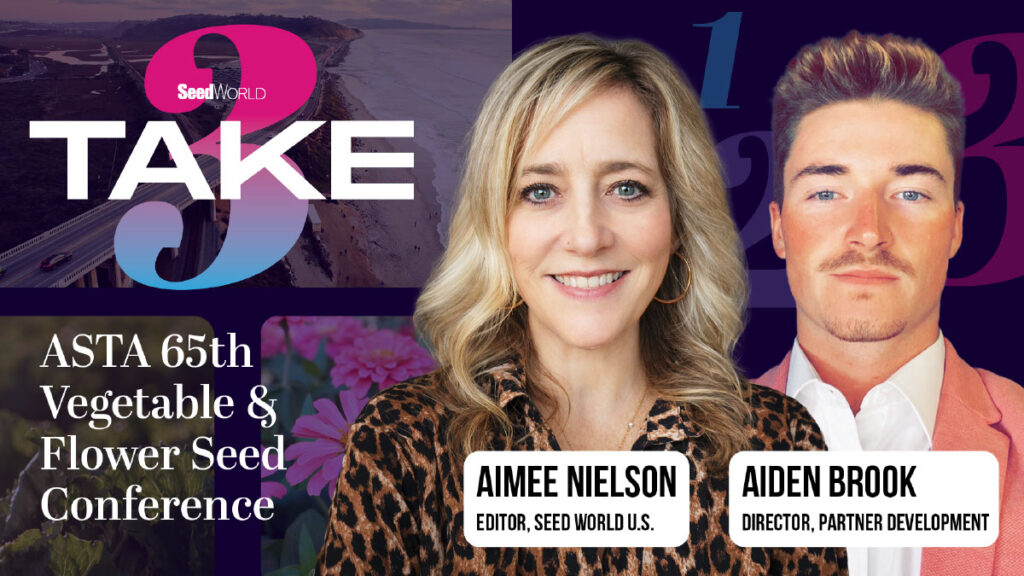
Seed World launches a new video series called Take 3, where editors share three takeaways from major seed industry events. In the first episode, Aimee Nielson and Aiden Brook reflect on insights from the ASTA Vegetable and Flower Conference, highlight Lisa Branco of Radicle Seed as Seed World’s inaugural Connector of the Year, and share a few lighter moments from the trip.