
Better Genetics Are Running Into an Infrastructure Problem
As breeding tools become more powerful, Canada’s testing, delivery and funding systems are becoming just as important as the science itself
Canola Breeding Has Changed. So Has the Meaning of a Better Hybrid
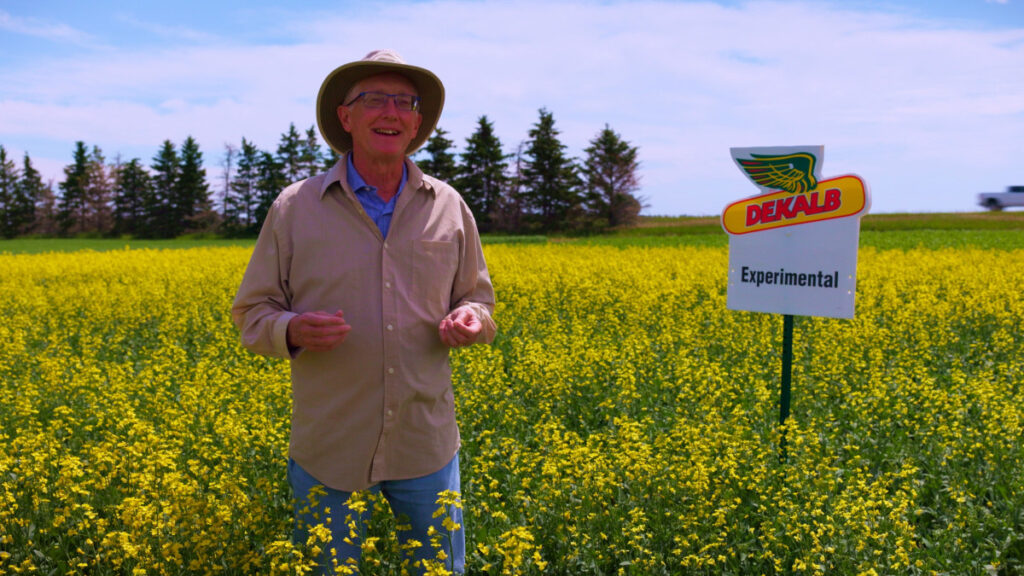
Yield remains critical, but modern canola breeding is increasingly focused on harvestability, disease resistance and getting valuable traits to growers faster. Canola has changed significantly in the 40 years since […]
The Most Important Innovation in Pulse Breeding May Be the Network
Genomics gets the attention, but collaboration among breeders, researchers, producers and seed companies could determine how quickly the technology delivers
Alberta Seed Growers Push to Protect Variety Testing as Research Capacity Shrinks
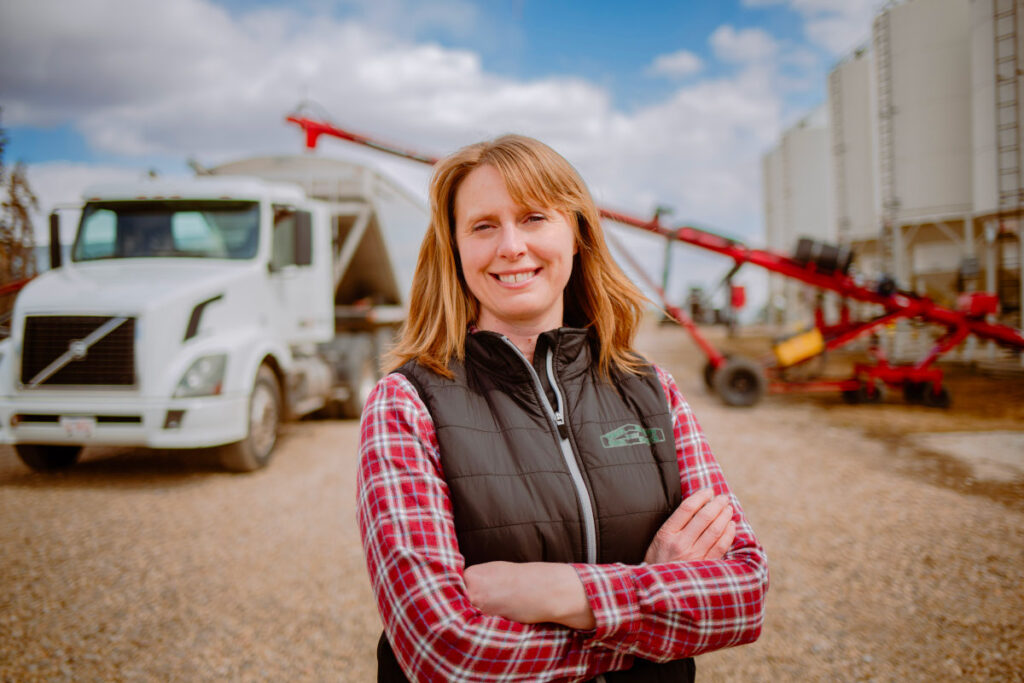
President Sarah Weigum says reliable regional trials and seed purity testing are essential to reducing risk and getting improved genetics into farmers’ fields faster
The Best Seed Coating Service is the One You Don’t Have to Worry About
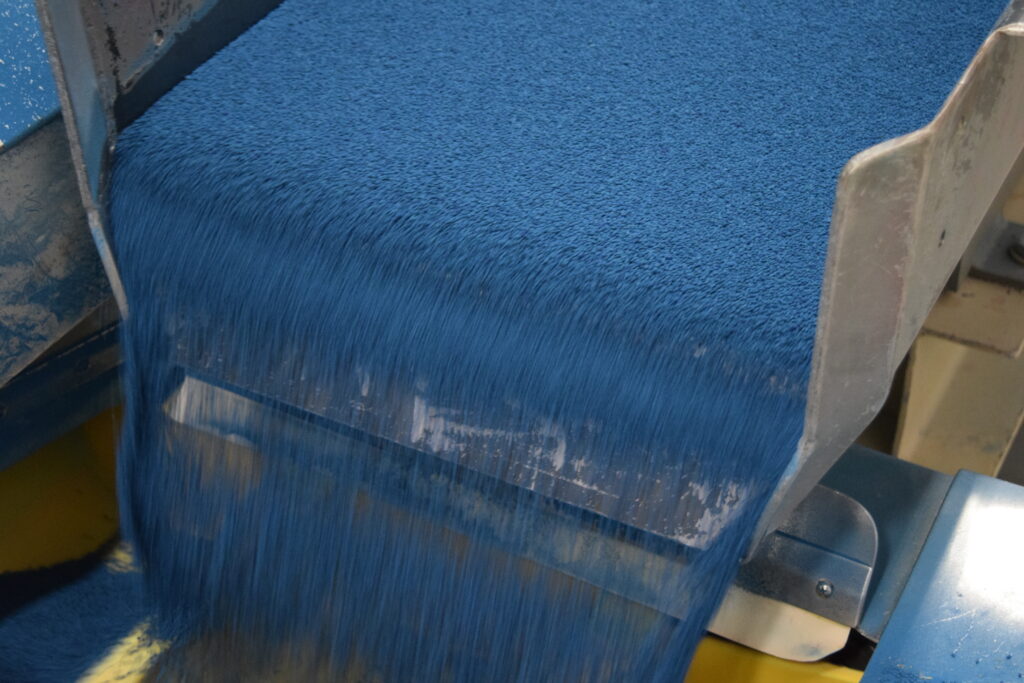
A dependable seed coating service can help seed companies manage tight timelines, custom coating needs and consistent product quality. Ryan Schrock of Seed Coating Solutions explains why communication, flexibility and reliability matter when customers count on every batch.
What Seed Companies Really Need Biologicals to Do
Seed companies need biologicals that move quickly from discovery to field proof, fit existing seed treatment systems and deliver consistent grower value. Jord Bioscience says the standard is not just strong science, but performance that earns a place on the seed.
Leonardo Costa on Corteva’s Seed Applied Technologies (SAT) Next Chapter in EMEA

Leonardo Costa outlines Corteva SAT priorities in EMEA, including new seed treatment products, customer partnerships, sustainability, resistance management and the team behind the business during a period of major company change.
Plant and Bacterial Genetics: The Two Parts of Europe’s Soybean Story
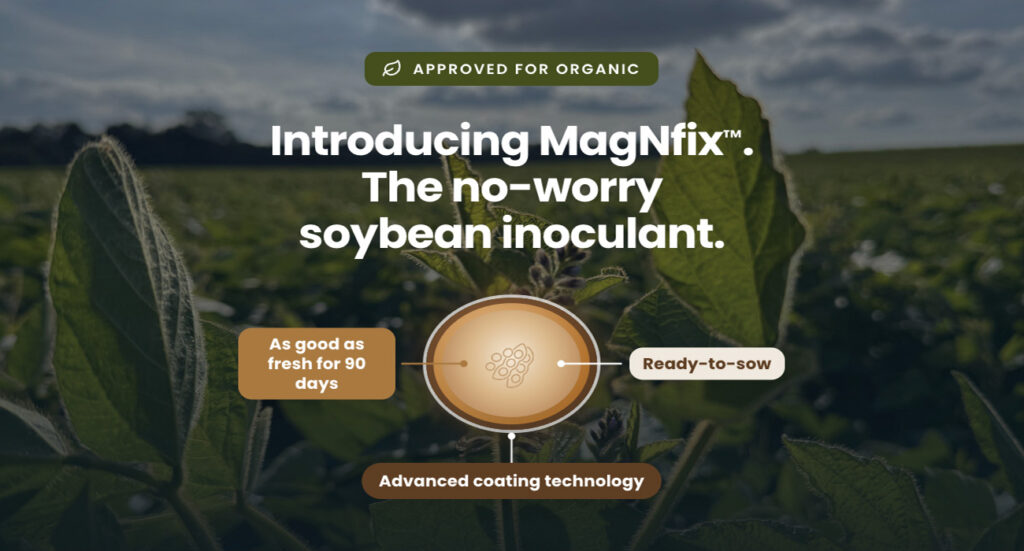
Protealis is pairing plant breeding with a soybean inoculant designed for European conditions. Its MagNfix technology aims to make pre-inoculated seed practical by maintaining bacterial viability for up to 90 days before planting.
Europe’s Embrace of Next Generation Technology a Huge Step Forward
Europe’s New Genomic Techniques framework opens new opportunities for plant breeders to develop improved crop varieties faster. Enid Perez-Lara argues that clear science communication will be essential as these technologies move forward.
From Data to the Field: How Innovation Becomes Performance
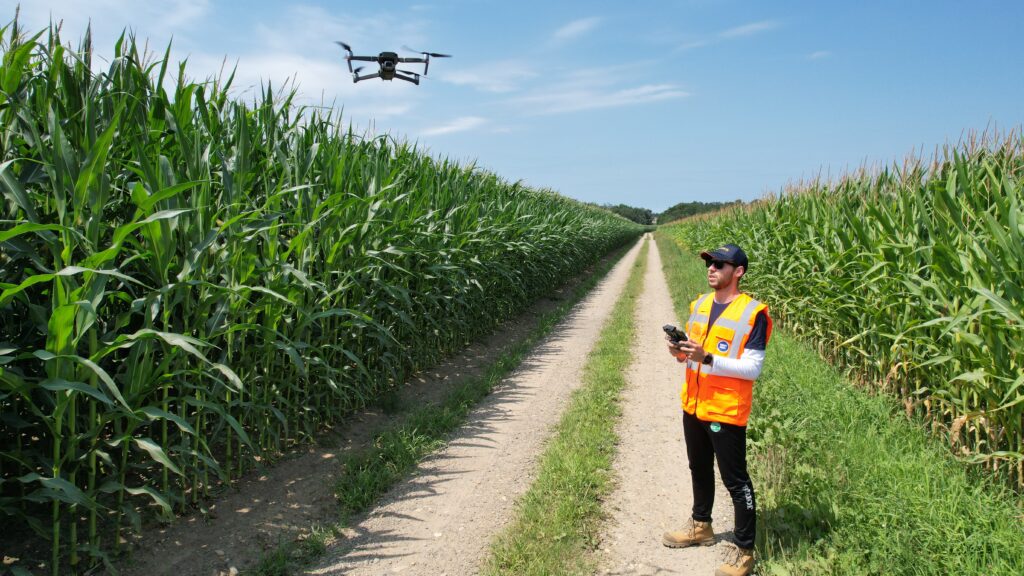
MAS Seeds breeding combines climate modelling, genomics, advanced phenotyping and field testing to anticipate future growing conditions. The approach aims to deliver maize and sunflower hybrids with more reliable performance across changing environments.
Where Should We Place Our Bets? Breeding for the Bottom Line | On The Brink: Season 3, Episode 4

Seed grower and RDAR director Kelly Barany calls for breeding priorities shaped by farm needs, shorter timelines, and funding that sustains useful varieties.
Vegetable Trials Target Organic Seed Production Yield Gaps
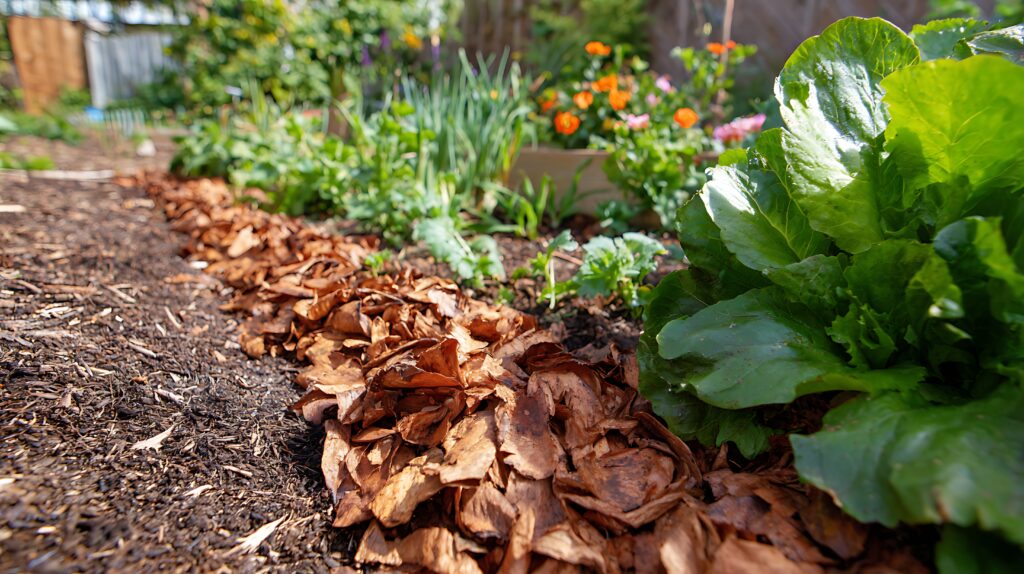
Broccoli, lettuce, squash and tomato trials are helping researchers fill data gaps in organic seed production. The OSPREY project is studying irrigation, crop management and grower records to improve seed yield estimates and production decisions.
The Value of a Relationship That Goes Beyond Business
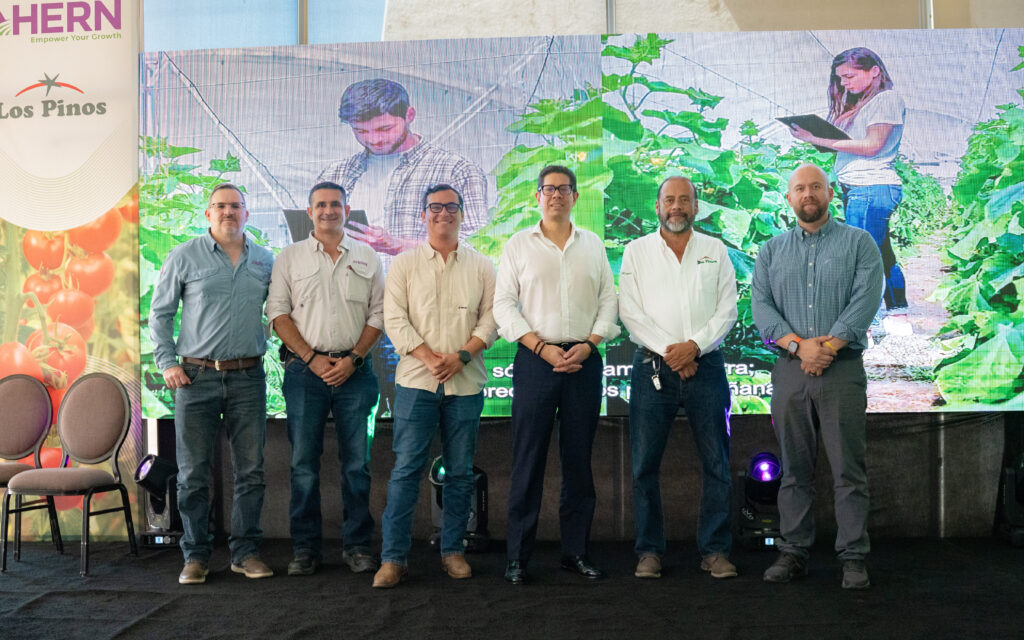
In the seed industry, the value of customer relationships extends beyond sales. Ahern’s four-decade partnership with Rancho Los Pinos shows how trust, candid feedback and shared learning can help both businesses make better decisions.
Bluemuda Turfgrass Could Reduce Sports Field Irrigation
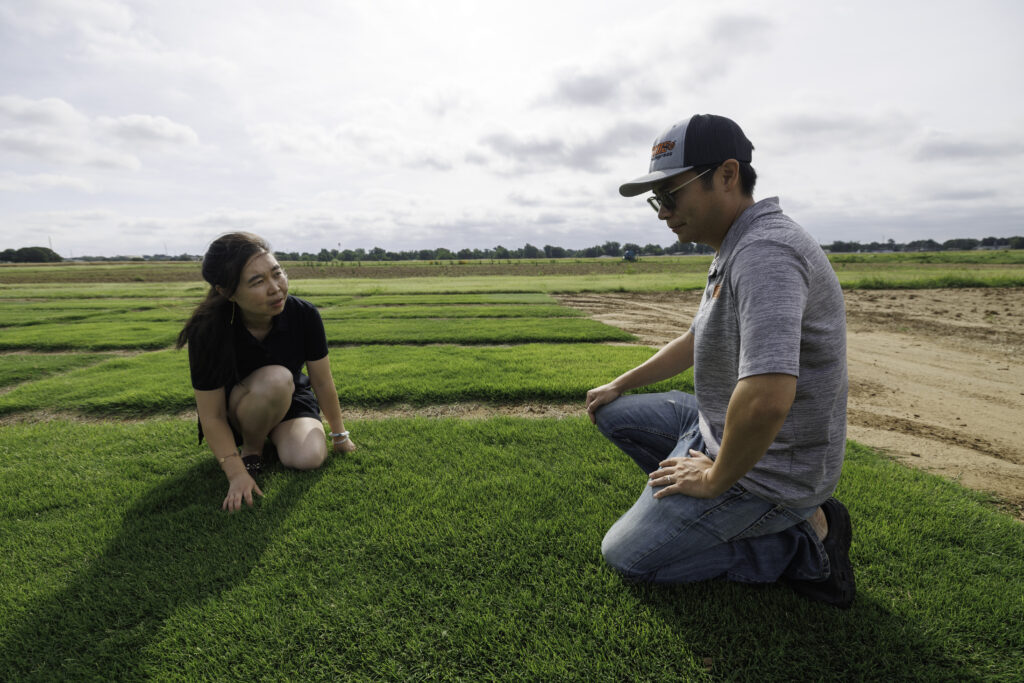
Researchers at Oklahoma State University and Mississippi State University are testing 60 bluemuda turfgrass combinations to determine whether pairing bermudagrass and Kentucky bluegrass can maintain year-round playing surfaces while reducing irrigation and overseeding costs.
8 AI Players to Watch in Crop Breeding
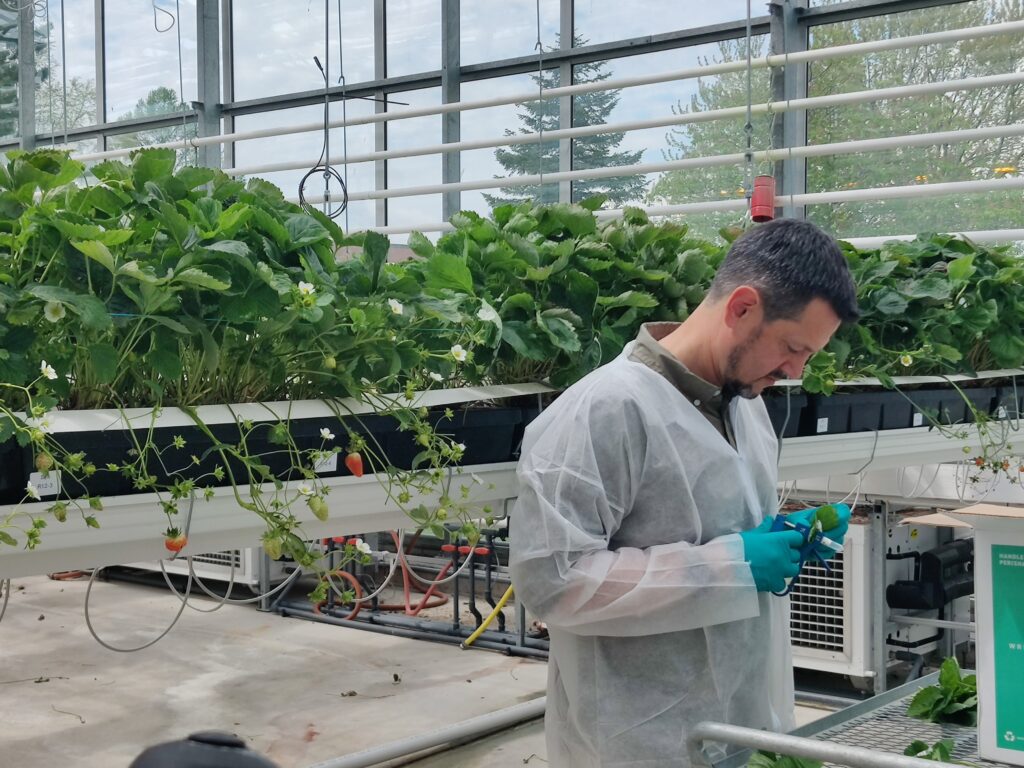
Eight companies and research organizations are advancing AI crop breeding through predictive genomics, crop modeling, gene editing and automated marker analysis. Public researchers are also testing approaches that could shape the next generation of breeding programs.
Could 240 Million Smallholders Feed the World’s Next 1.5 Billion People?
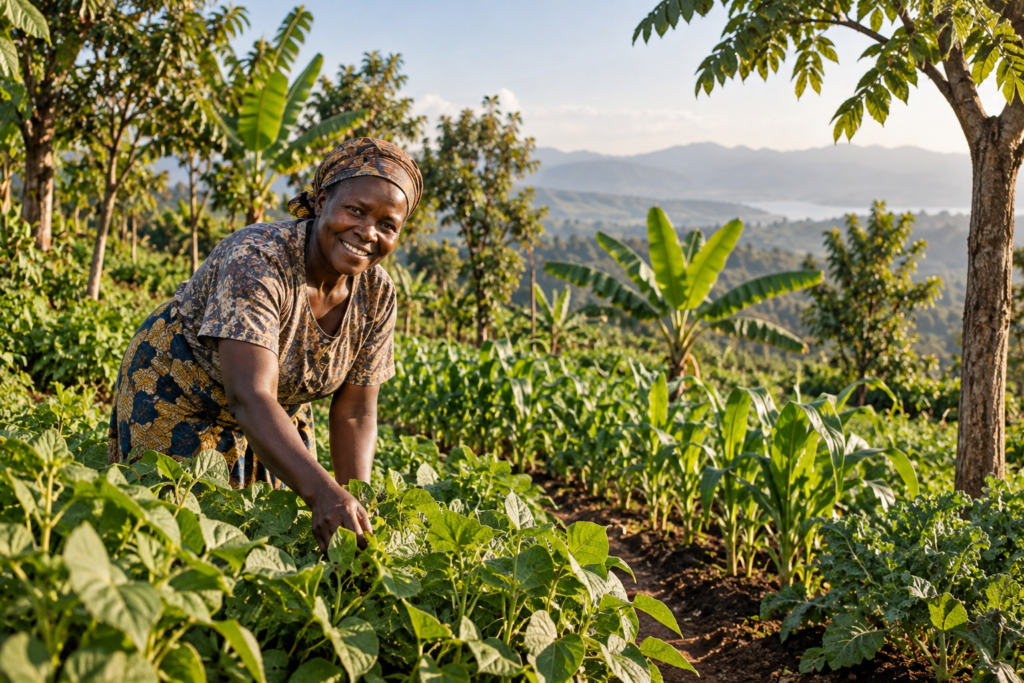
Smallholder farmers could help meet rising global food demand while restoring soils and strengthening rural livelihoods, a new book argues. Whole Earth Farming proposes helping 240 million farming families adopt regenerative agriculture and agroforestry.
What Could Slow the Next Great Seed Variety?
From variety trials to seed increase, four industry leaders identify the weak points between a breeding breakthrough and the farm gate
From Treatment to Planting: Protecting Rhizobium Viability in Pulses
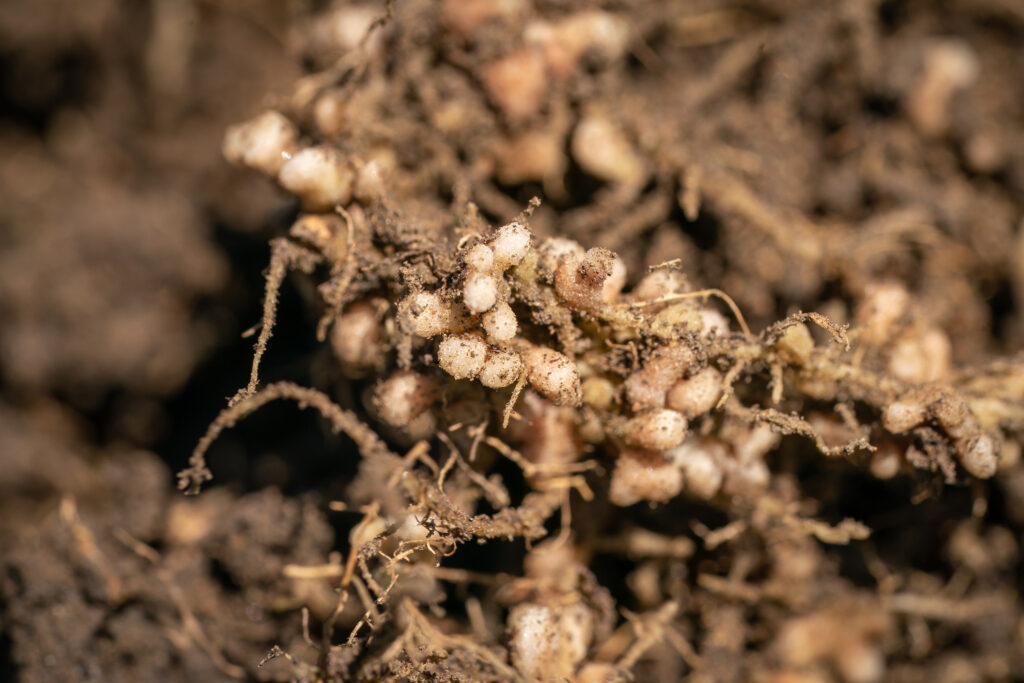
On-seed viability is an important consideration for pea and lentil seed treaters using rhizobium inoculants. Treatment timing, storage temperature, product compatibility and planting schedules all affect whether viable bacteria reach the soil.
Early Heat Hurts Wheat Most but Could Build Resilience
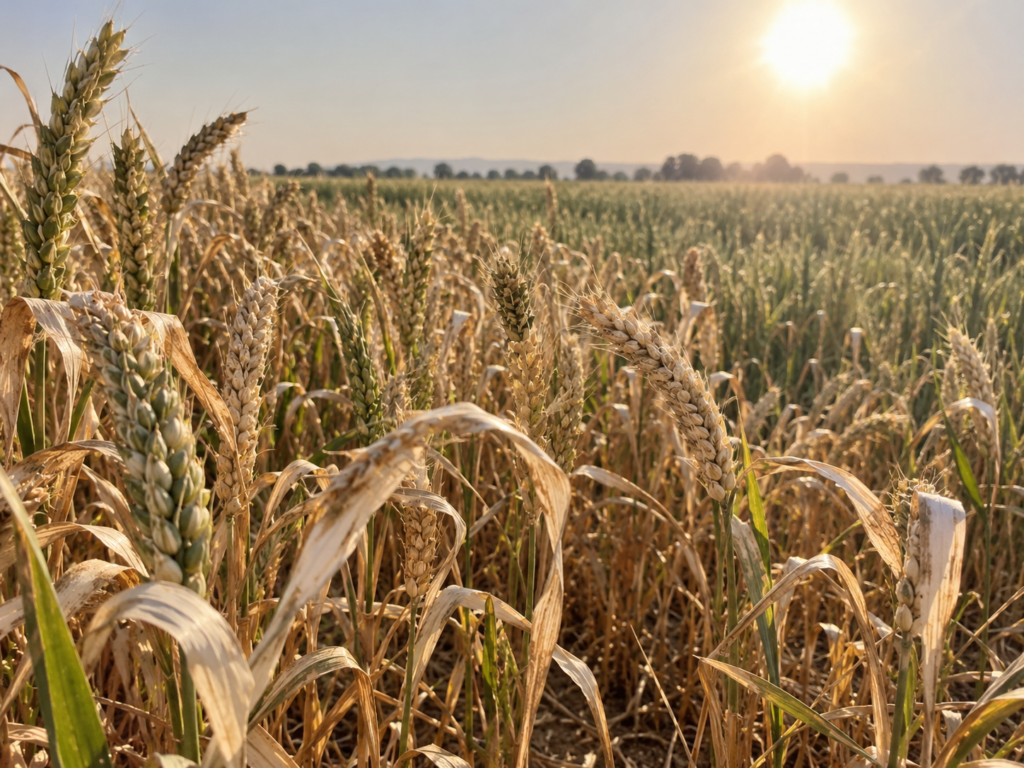
Wheat heat stress causes the greatest yield losses when heat waves strike before flowering, field experiments show. However, early exposure may also prime wheat to better withstand a second heat wave later in the growing season.
The Next Great Crop May Begin as an Uncertain Bet
Breeders, researchers and farmers have to make decisions years before they know which ideas will succeed
Can Gene Editing Give Seeds a Stronger Start?

At UC Davis, Reagan Reed is testing how genes work together to influence germination and seed quality
Why Is Europe Still Importing So Much of Its Livestock Protein?
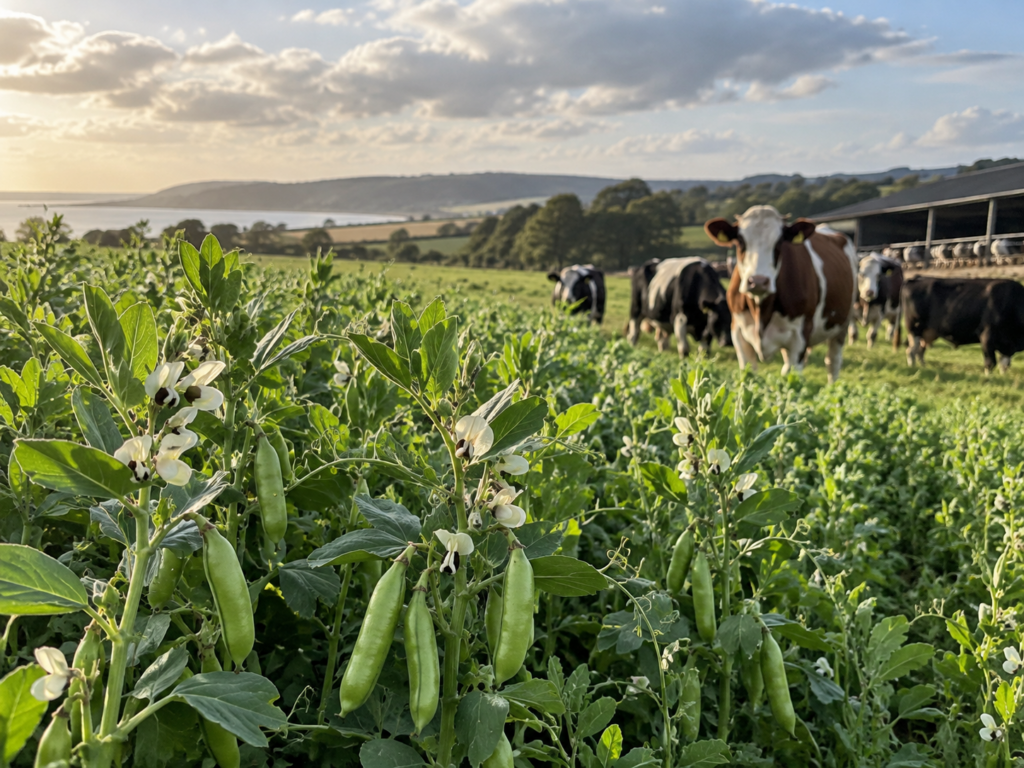
European protein crops are the focus of a new €5.5 million Horizon Europe project aimed at reducing reliance on imported livestock feed. PROCEED will connect growers, processors and livestock farmers to develop viable local routes from grain and forage legumes to feed.
Albaugh Seed Treatments: Right from the Start.
Albaugh seed treatment solutions reflect the company’s farmer-founded approach to crop protection, offering traditional chemistries, newer active ingredients and biological options. Its portfolio is designed to give customers flexibility, dependable performance and competitive value.
What Got Us Here Won’t Get Us There | On The Brink: Season 3, Episode 3
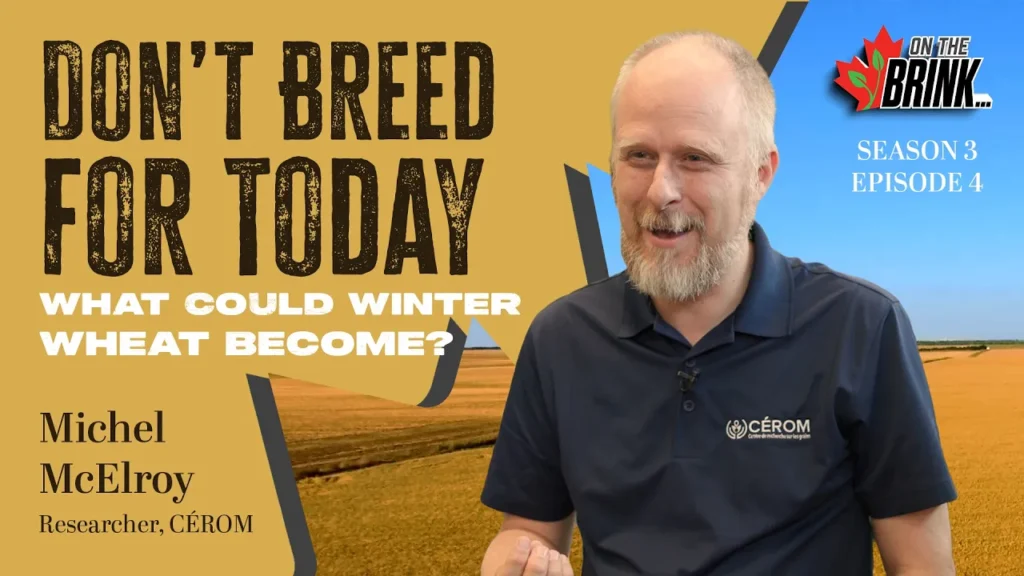
Michel McElroy of CÉROM explains how genomics is accelerating winter wheat breeding in Quebec, why growers want another crop in the rotation and why sustained public investment remains essential to variety development.
How Saskatchewan Can Grow Canada’s Bioeconomy

Darcy Pawlik sees a way to connect farmers and researchers with the investment, expertise and customers needed to commercialize new ideas
Can Cabbage Genetics Help Breeders Develop Better Canola Hybrids?
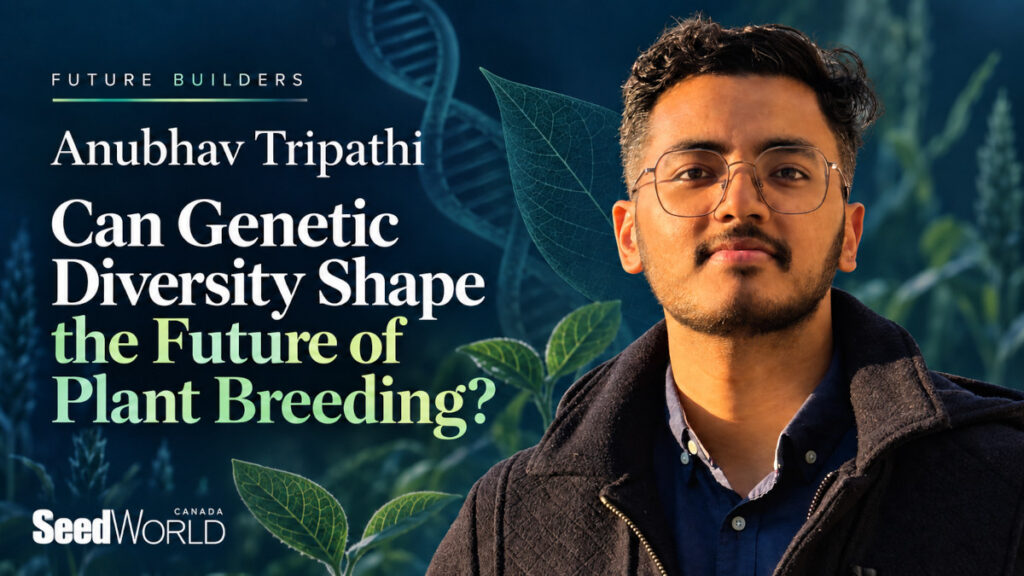
Farmers need more resilient and productive crops, and genetic diversity may hold some of the answers
The Next Soybean Breakthrough May Be Underground
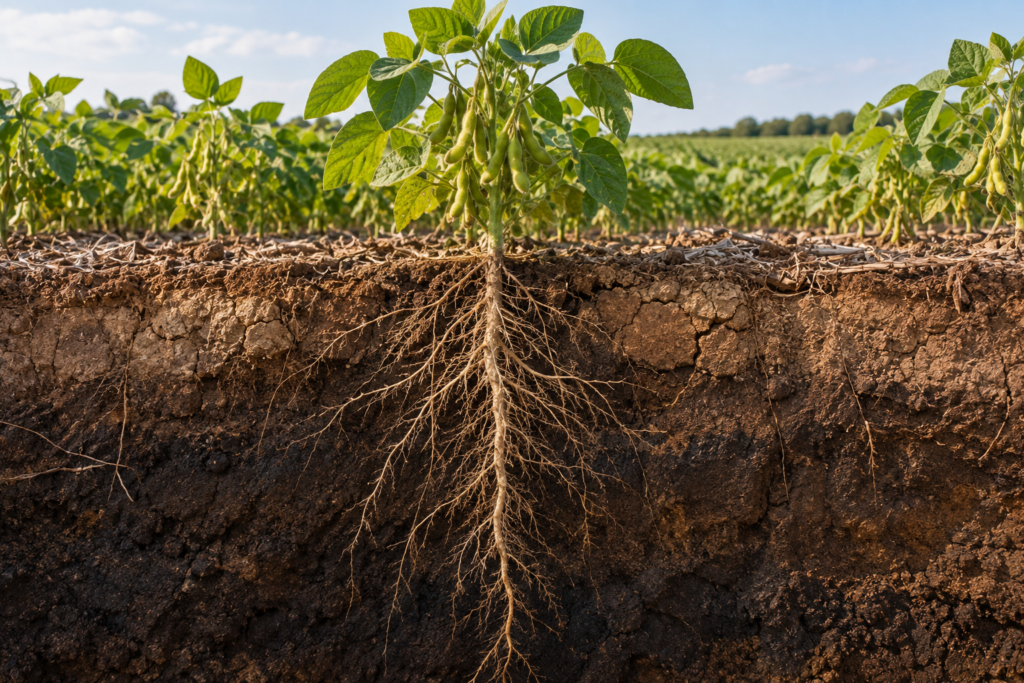
Deeper-rooted soybeans are being tested to determine whether they can improve drought resilience and store more carbon underground. Field trials will also examine yields, nutrient capture and the potential trade-offs of changing soybean root systems.
What Global Fertilizer Data Could Mean for U.S. Crops
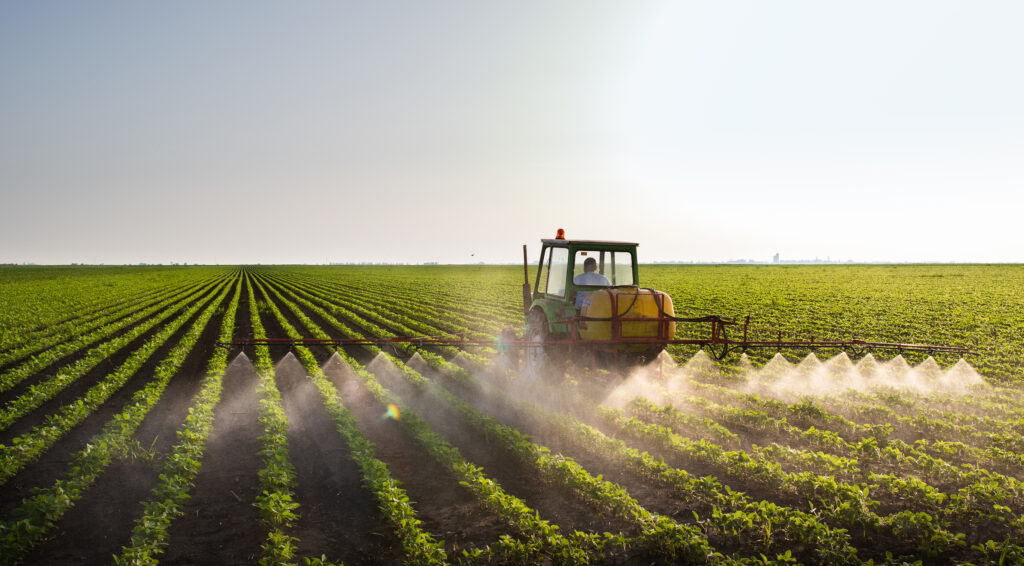
A new global fertilizer dataset covering 156 crops provides a detailed look at how nutrient applications have changed since 1980. For U.S. crop production, the data could support more targeted fertilizer use to improve yields while reducing unnecessary costs and environmental impacts.
How Biotechnology Could Protect the Crops We Depend On

Crop biotechnology could help protect essential food crops from disease, pests and climate stress. Efforts to combat Banana Xanthomonas Wilt show how genetic engineering and genome editing may help safeguard crops and food security.
Precision Pollination Could Improve Fruit Crops
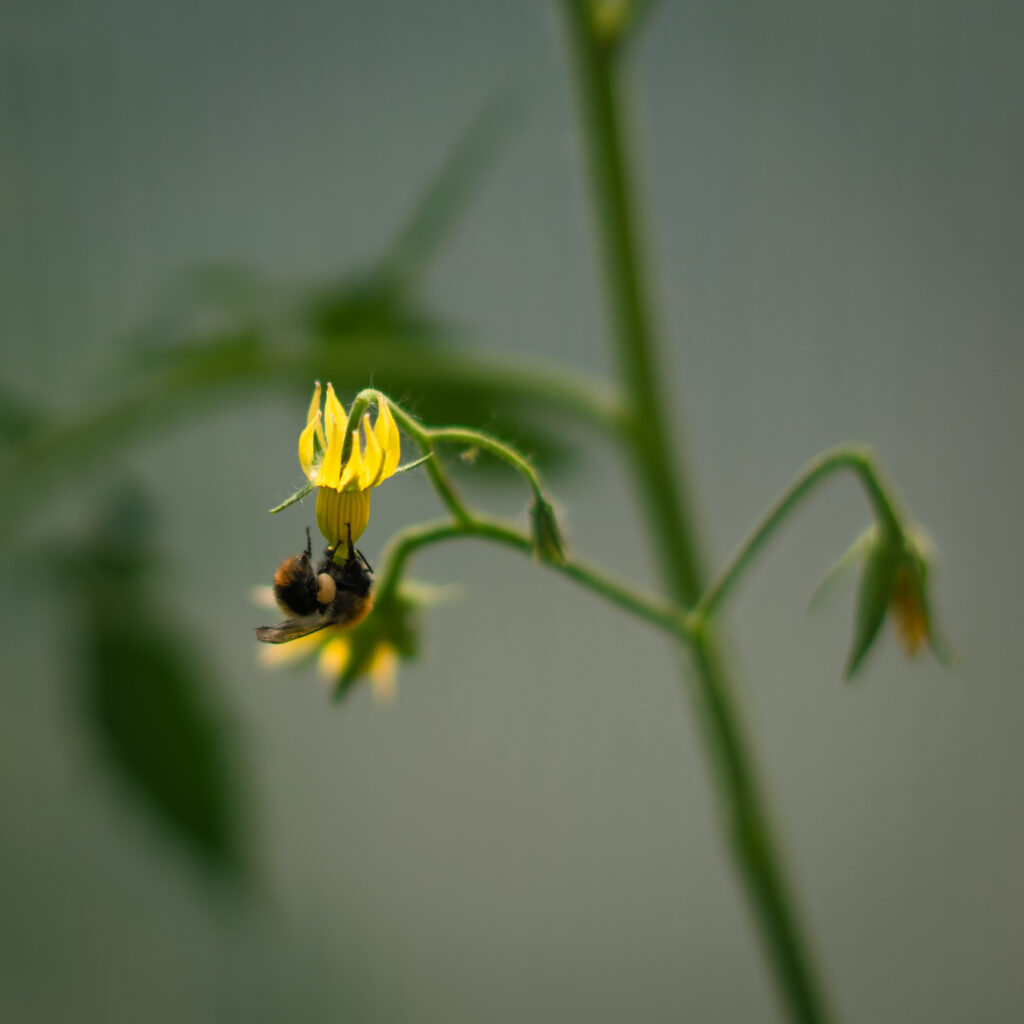
Precision pollination research led by the James Hutton Institute and AgriSound will use in-field sensors and artificial intelligence to monitor pollinator activity across fruit crops. The project aims to help growers identify pollination gaps and support fruit breeding for improved yield and quality.
SCN Continues to Overcome Widely Used Soybean Resistance
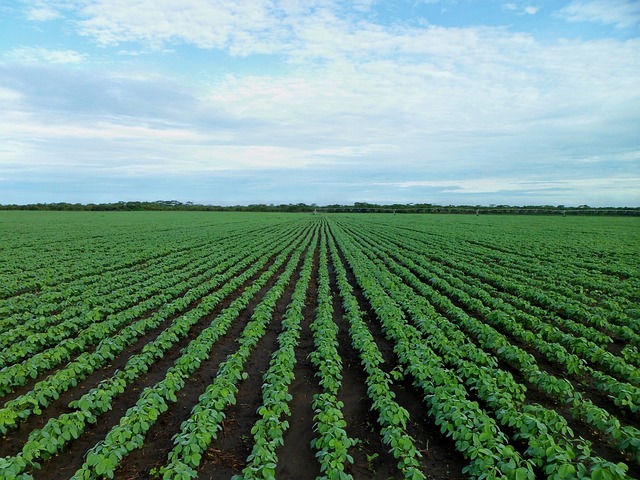
SCN resistance from PI 88788 is becoming less effective as soybean cyst nematode populations adapt, according to an Iowa State University analysis. Researchers say diversifying resistance sources and management strategies will be critical to protecting soybean yields.
Seed Size Signal Could Support Bigger Crop Seeds
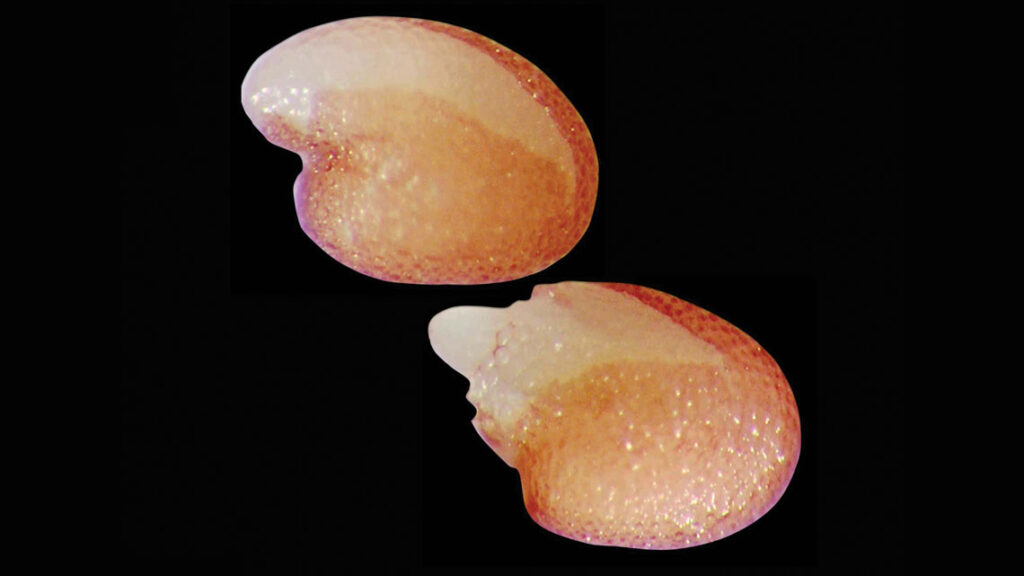
Seed size research has identified a peptide signal that helps coordinate communication between the embryo and endosperm during seed development. Early crop proof-of-concept work suggests boosting the pathway could support larger seeds.
A Farmer’s Most Important Assets Don’t Appear on a Yield Map
Living soils, the best genetics and capable plant scientists quietly determine the future of Canadian crop production
The Case for One Digital Platform for Seed Retailers and Farmers

Canada has spent two decades building stewardship agreements, variety use agreements and royalty programs. What if managing them was as seamless
Could Research Cuts Push Canada’s Young Plant Breeders Elsewhere?
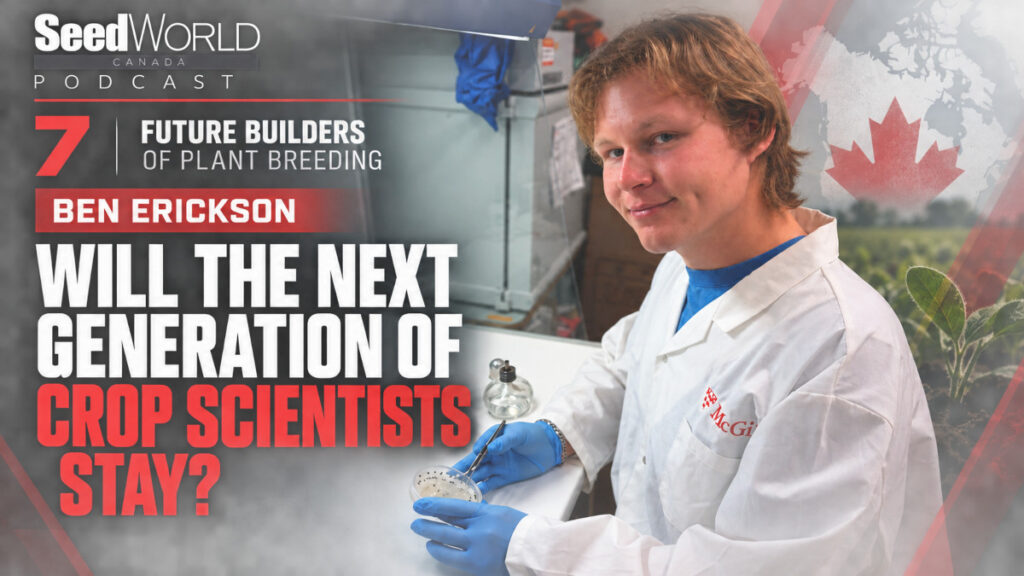
With public research under pressure, emerging scientist Ben Erickson explains what Canada must do to keep young plant breeders at home
Crop Side Streams Could Become Consumer Foods
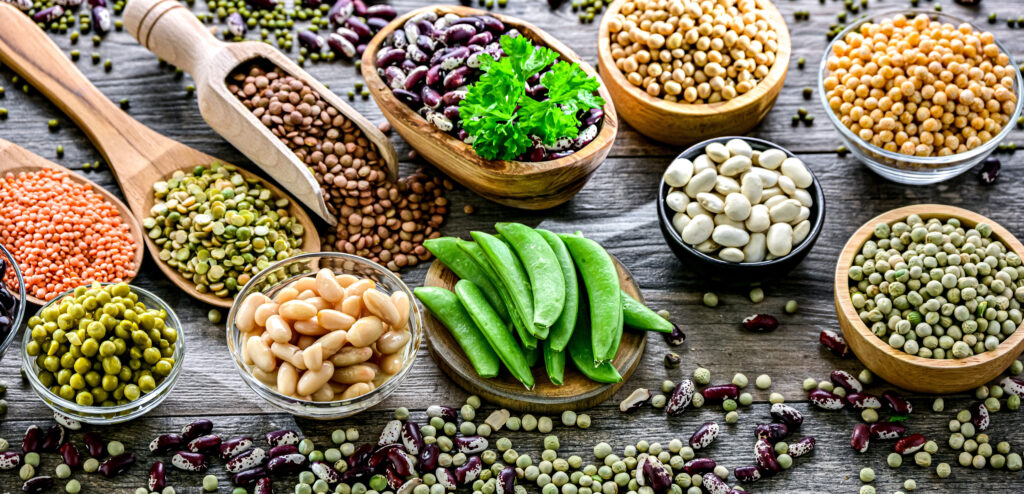
Crop side streams from rapeseed, legumes and potatoes could become new foods for human consumption through the VASCO research project. Wageningen researchers will explore protein extraction, fermentation and supply chain barriers to bring products closer to market.