

Consistent Policy, Not “Patchwork” Regulations, Recommended for the Coexistence of Crops
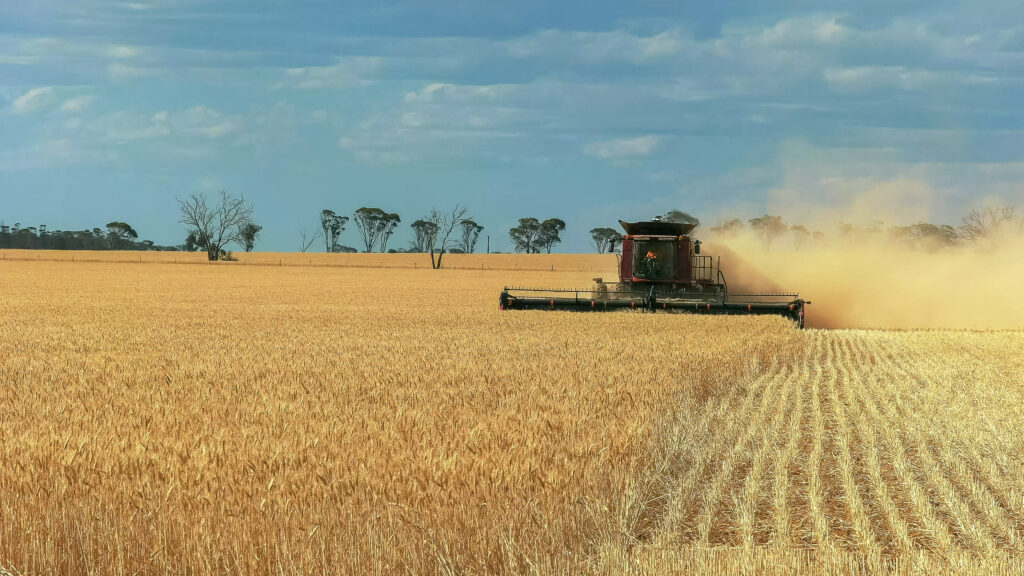
Australian farmers face inconsistent rules on GM, organic, and conventional crops. A new study urges clearer coexistence standards across sectors.
Why Red Tape is the Biggest Roadblock for Plant Breeding in the Americas
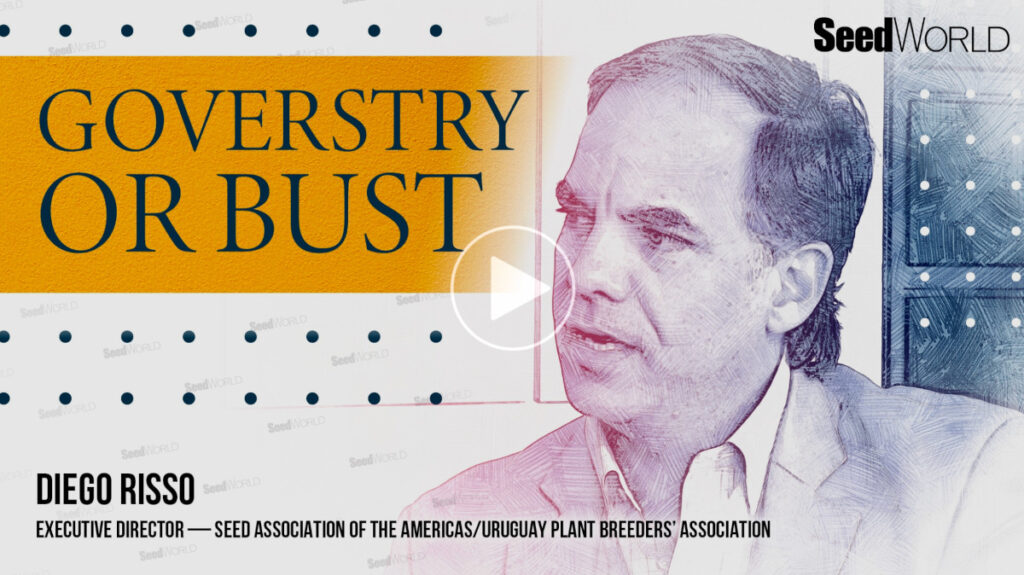
Only government and industry together can write the next chapter of seed rules, Diego Risso says in this Seed World 360 interview
The ISTA AGM is Coming to Canada – Here is Why Industry Leaders Are Excited

As a company deeply invested in the future of seed science and trade, SGS has long been a committed participant in the International Seed Testing Association (ISTA). Our involvement spans […]
Stop Penalizing Breeders for Their Own Success
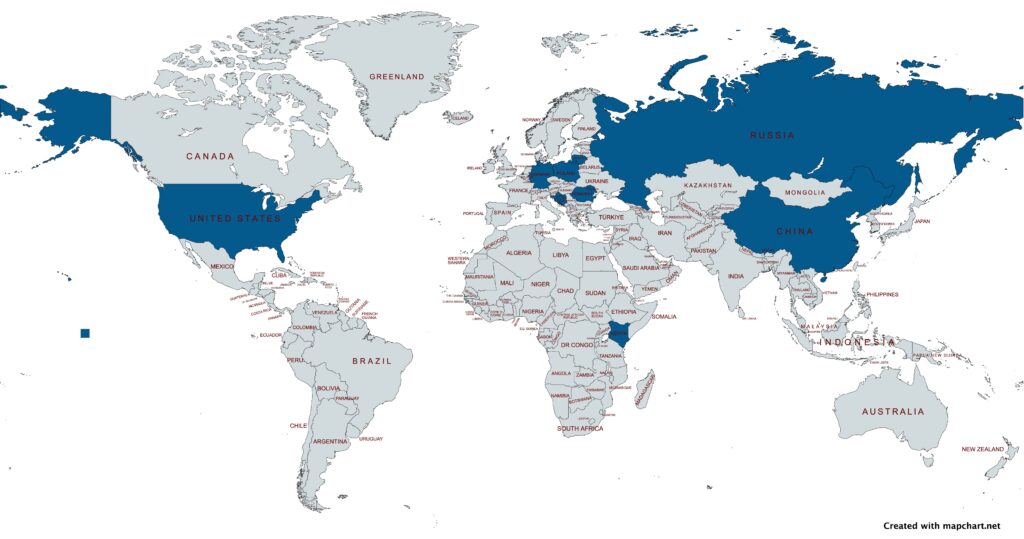
In a number of UPOV member countries, outdated interpretations of the novelty requirement mean that commercializing a hybrid variety may invalidate novelty for its parent lines — even if those lines were never sold. This misinterpretation undermines breeders’ rights, discourages innovation, and is out of step with global practice. It’s time for legal clarity and alignment.
UK Vertical Farms Boost Yields but Raise Carbon Footprint
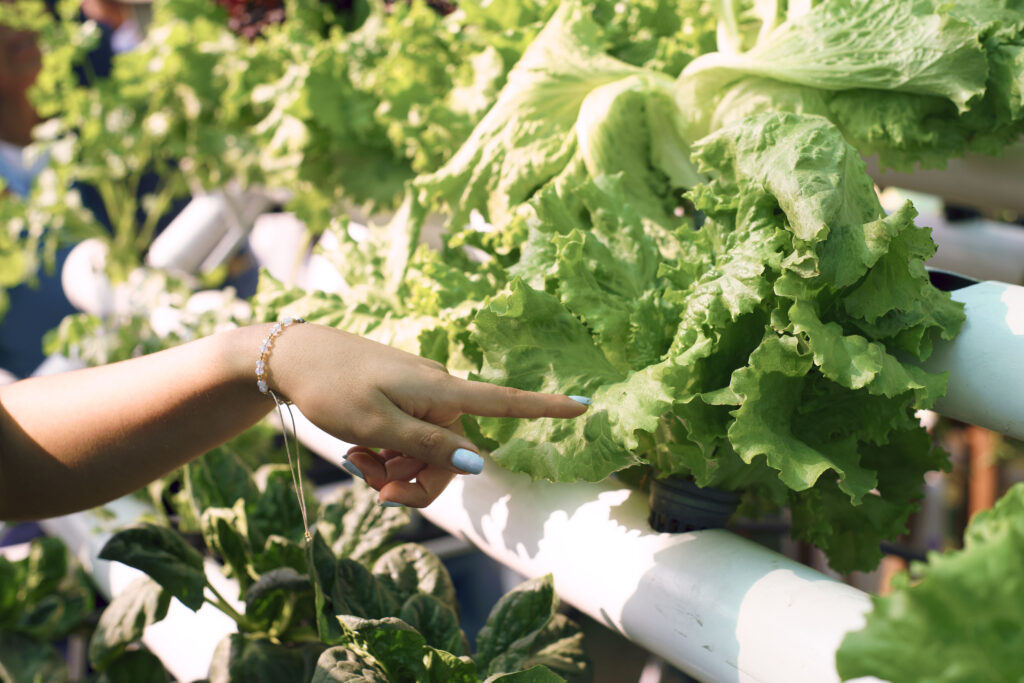
Vertical farming can greatly boost lettuce yields and cut water use but currently has a higher carbon footprint than field-grown UK lettuce. Energy demands and materials like jute plugs drive much of its emissions, though alternatives could reduce impact. Researchers say innovations in efficiency and materials are key to making vertical farming a sustainable year-round solution.
CBRC Commits $1.8 Million to CDC Barley Breeding Activities

The Canadian Barley Research Coalition (CBRC) announced today it will provide $1.8 million in funding over three years to the University of Saskatchewan’s Crop Development Centre (CDC), to extend the […]
Plant Breeders Exist — But Does Canada Even Care?
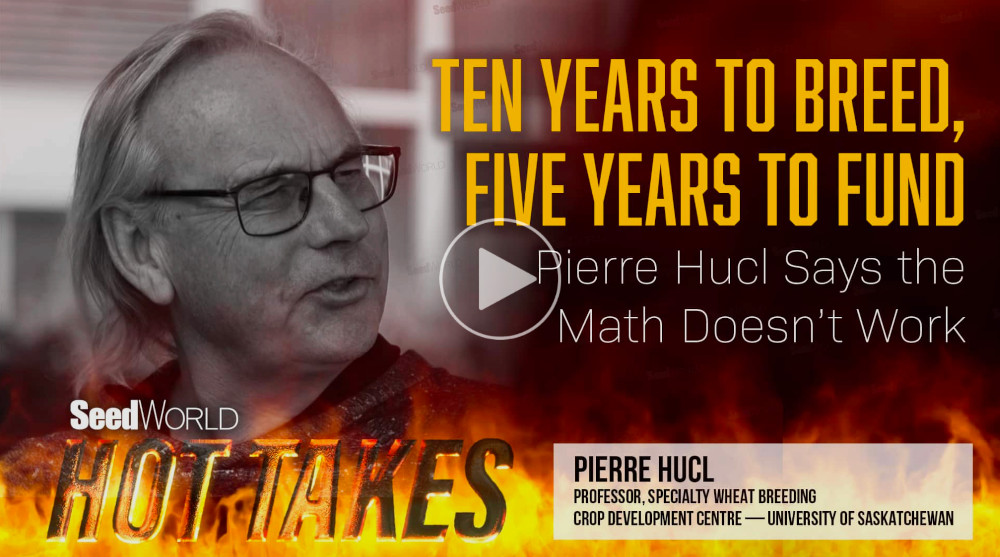
A Canadian breeder who saw Soviet agriculture collapse says we’re making the same mistake
La Deficiencia de Zinc Podría Limitar el Rendimiento de Trigo y Cebada, Advierten Expertos
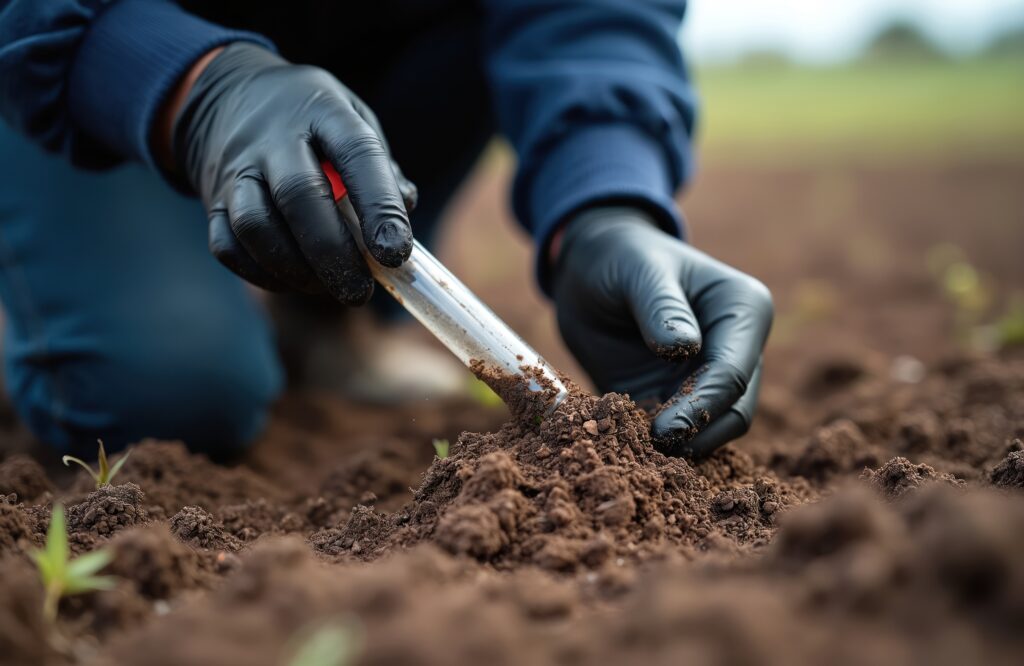
La deficiencia de zinc amenaza los rendimientos de trigo y cebada en la Pampa argentina. Los especialistas recomiendan análisis de suelo y fertilización dirigida con zinc para aumentar la productividad, mejorar la eficiencia de nutrientes y fortalecer la fertilidad del suelo a largo plazo.
Zinc Deficiency Could Limit Wheat and Barley Yields, Experts Warn

Zinc deficiency threatens wheat and barley yields in Argentina’s Pampas. Experts recommend soil testing and targeted zinc fertilization to boost crop productivity, improve nutrient efficiency, and enhance long-term soil fertility.
Climate, Crisis, and Crops: Why Gene and Seed Banks are More Essential Than Ever

Deep in the Arctic, the Svalbard Global Seed Vault safeguards over a million seeds, symbolizing global efforts to preserve plant biodiversity. Plant researcher Fiona Hay has dedicated her career to improving seed storage, longevity, and accessibility across international seed and gene banks. These banks are critical for food security, breeding innovation, and climate resilience, especially as crop diversity declines worldwide. New technologies and optimized storage methods, combined with trained conservationists, are helping ensure seeds remain viable for future generations.
Plants Just Flipped the Light Script
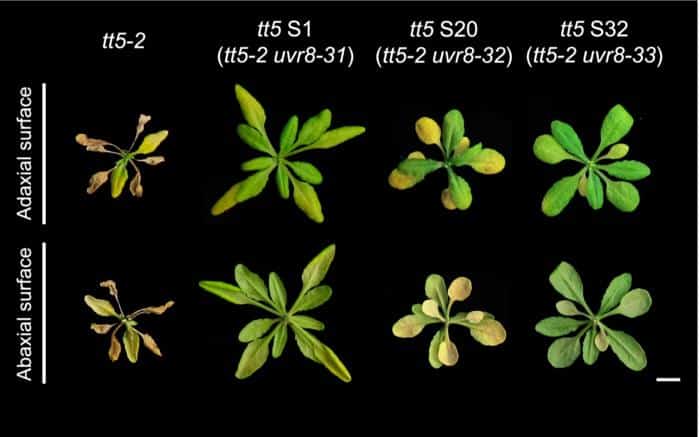
Researchers uncovered a new way plants regulate growth by reprogramming light-sensing proteins, a breakthrough that could help seed companies develop crops with greater resilience and efficiency.
She’s in a League of Her Own
We’re announcing women 30 game changers in U.S. Seed. These honorees were nominated by their peers. Each one is truly in a league of her own.
She’s in A League of Her Own – Part 2

Profiles 11-20 of Seed World U.S. 30 High-Impact Women feature.
She’s in a League of Her Own – Part 3

Profiles 21-30 of Seed World’s 30 High-Impact Women in U.S. Seed.
The Ancient Crop Getting a Modern Makeover
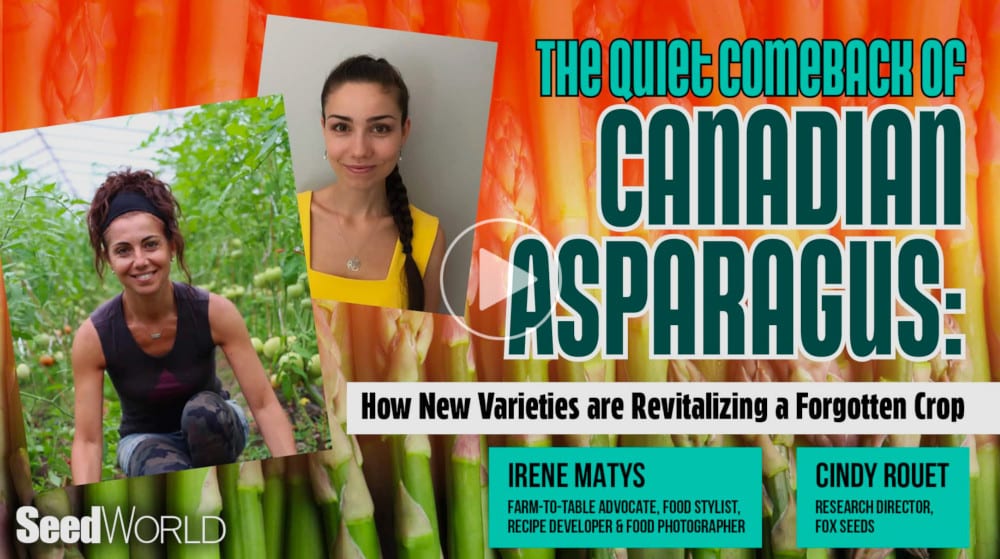
In this Seed World 360 exclusive, we find out why this green spear deserves a place at every table
Swedish Consumers More Positive About Crop Crossbreeding Than Expected

Most Swedish consumers view crops developed through crossbreeding positively, according to a new SLU survey. The study of 999 participants on ancient and modern wheat found 88% saw at least one positive trait, including taste, health, or safety. Awareness of cereal varieties increased with age and education, while negative attitudes were more common among women and less-educated respondents. Researchers say the results suggest consumer acceptance is not a barrier to using breeding to improve both food quality and security.
Innovación en el Tomate: Afrontando los Desafíos del Siglo XXI
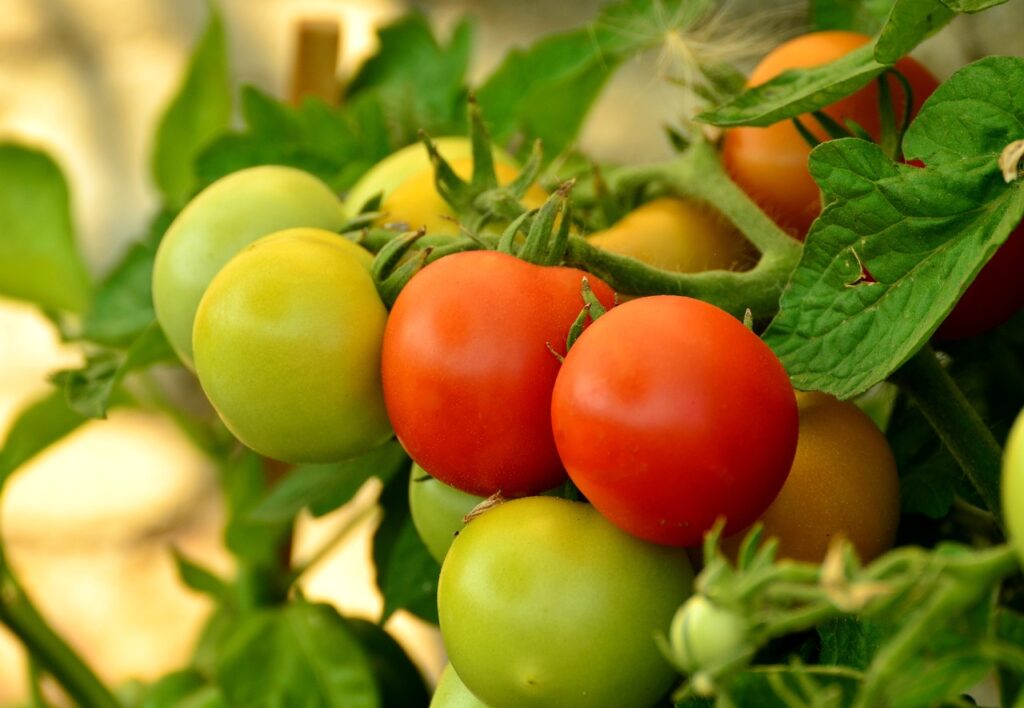
El tomate, piedra angular de la gastronomía chilena y protagonista de las Fiestas Patrias, se enfrenta a desafíos cada vez más complejos. La sequía prolongada, las malezas parásitas, el aumento […]
Tomato Innovation: Meeting the Challenges of the 21st Century
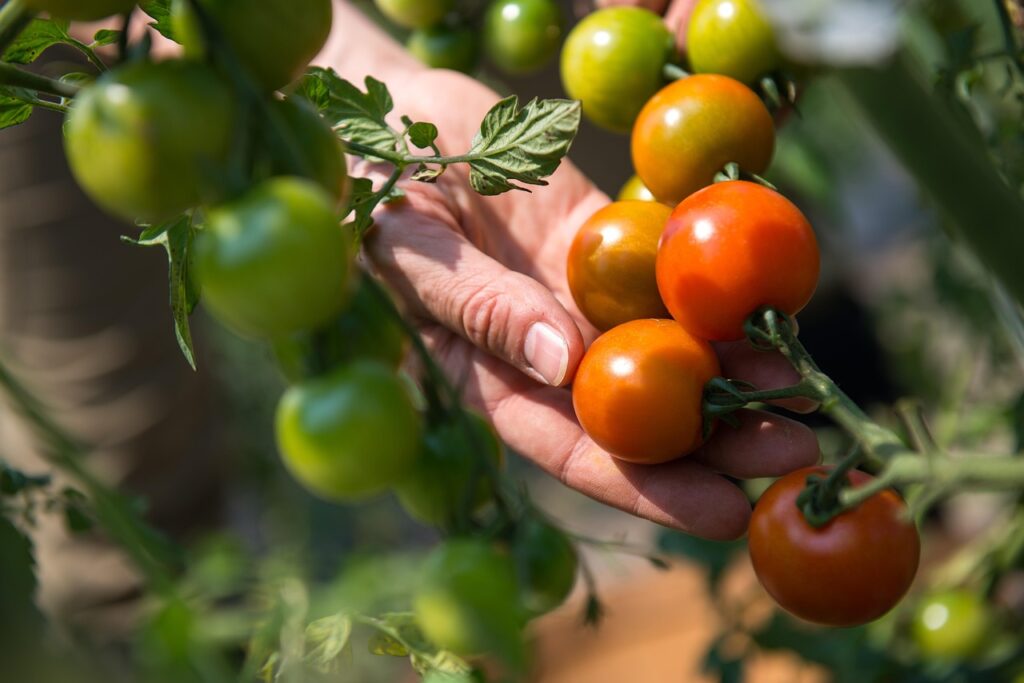
Biotechnology is transforming Chilean tomatoes, helping them withstand drought, parasitic weeds, and soil salinity while enhancing nutrition. Innovations include antioxidant-rich, vitamin D-fortified, and urban-friendly varieties, offering solutions for sustainable agriculture, food security, and healthier diets.
Data Science, Supporting Tomorrow’s Hybrid Varieties
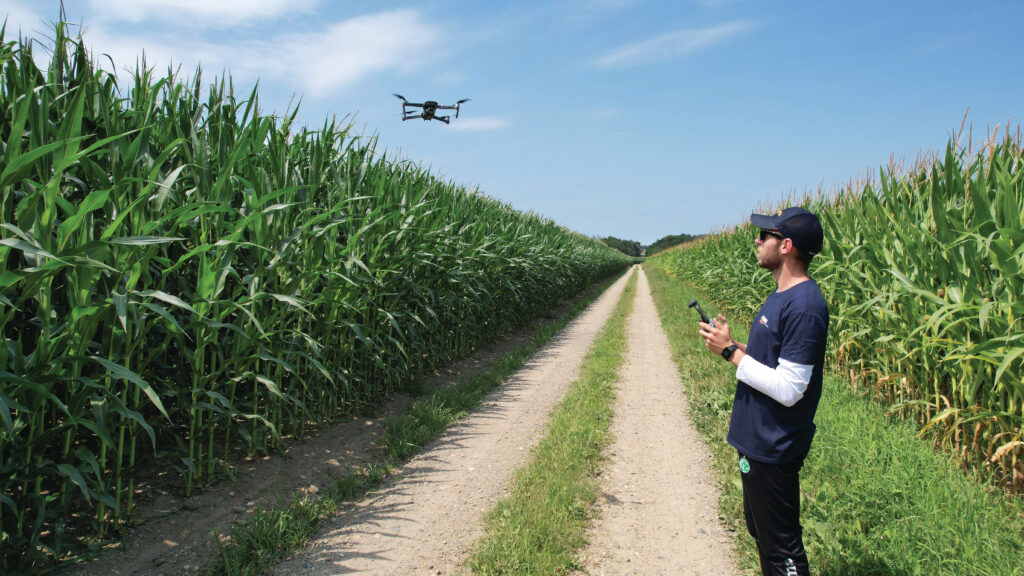
At MAS Seeds, variety innovation is made possible thanks to top of the range R&D, where data science and plant selection combine their strengths to keep up with the challenges of sustainable agriculture.
At the centre of this strategy, a dedicated Data science team works with the selection teams and combines agroclimatic modelling, artificial intelligence and genetic statistics to speed up genetic gain.
Innovation is Stuck in the Waiting Room — Can Policy Set it Free?
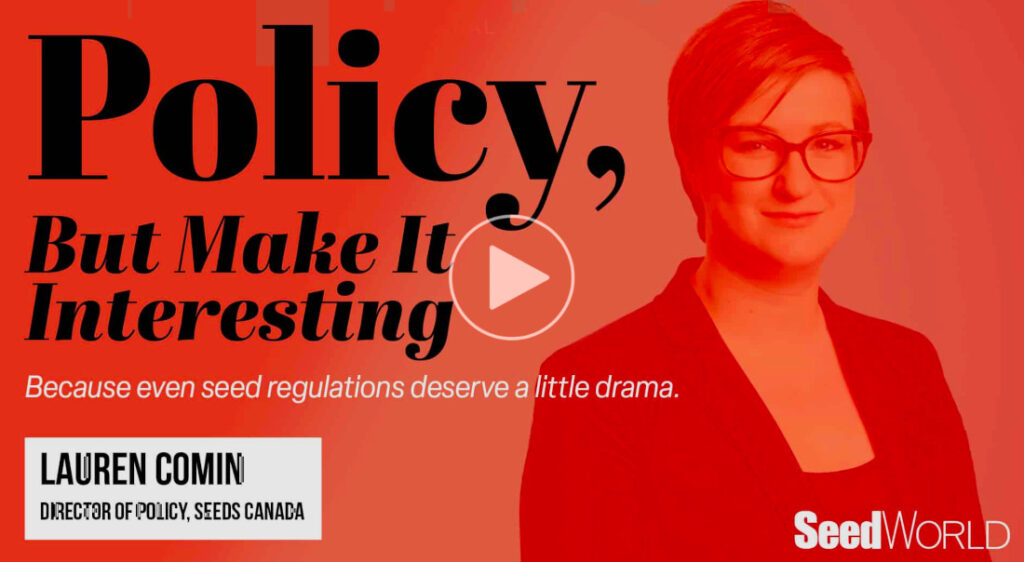
In this Seed World 360 interview, Lauren Comin warns that we need to get moving on modernizing our seedscape
El 10.º Congreso de Semillas de las Américas se celebra en Foz do Iguazú, Brasil

La Asociación de Semillas de las Américas (SAA) le invita a participar en el 10.º Congreso de Semillas de las Américas, que se celebrará del 29 de septiembre al 1 de octubre de 2025 en Foz do Iguazú, Brasil.
The Value Chain Begins With The Seed
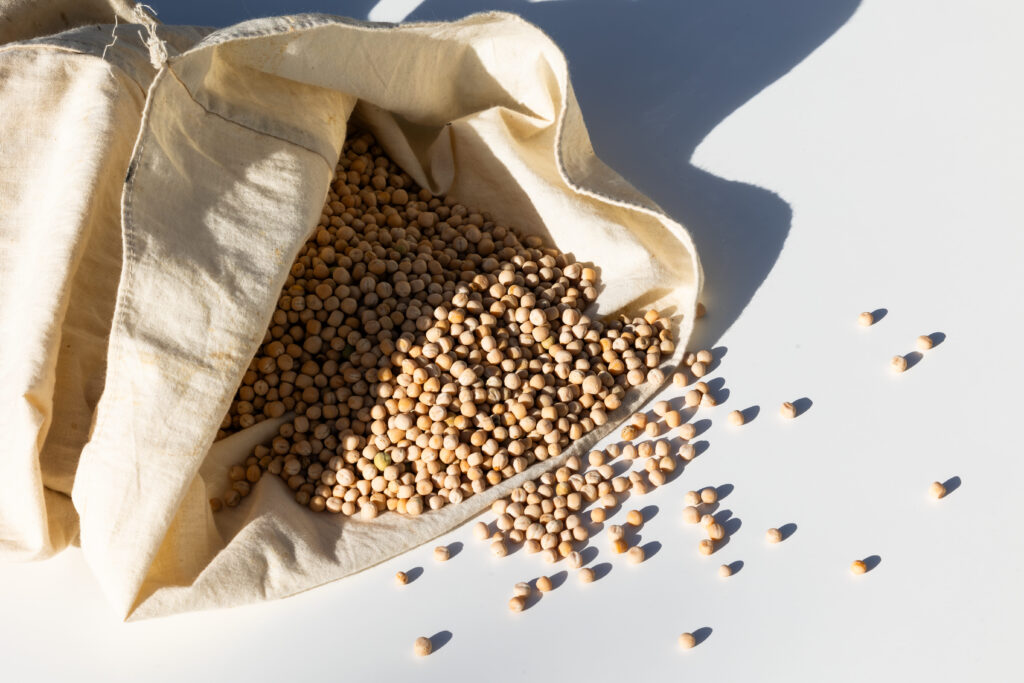
Plant breeding supports the shift to plant-based diets by improving protein crops for taste, texture, nutrition, and sustainable food production.
We Asked Some Hard Questions About Seed Treatment. Here’s What we Found
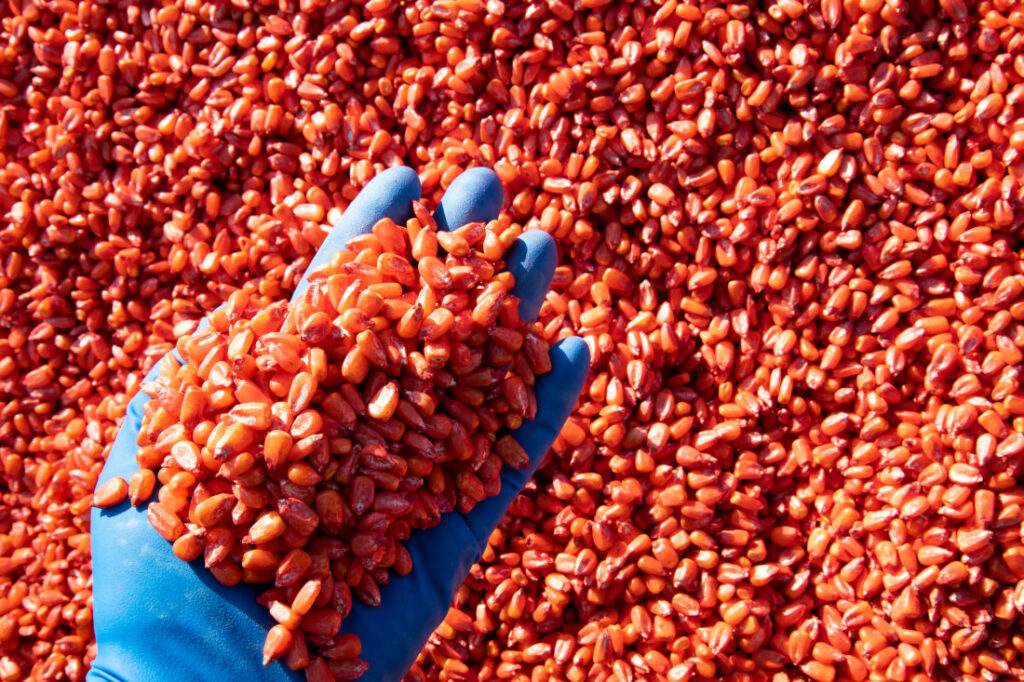
For as long as I’ve been advising farmers, the question has come up a lot: do we really need to treat this seed? Partnering with 20/20 Seed Labs has given […]
Public? Private? Wrong Question. Jeff Reid Sees the Future of Plant Breeding

SeCan’s general manager thinks there’s a smarter way to breed success in this Seed World 360 exclusive
CIHEAM Zaragoza Explores Future of Agri-Food Cooperation

CIHEAM Zaragoza will host an international symposium on 11–12 November to discuss agri-food development cooperation amid geopolitical crises. Experts from European agencies, NGOs, multilateral organizations, and academia will explore innovative strategies to shape the future of sustainable development in the region.
Boosting European Legume Breeding for Protein and Market Growth
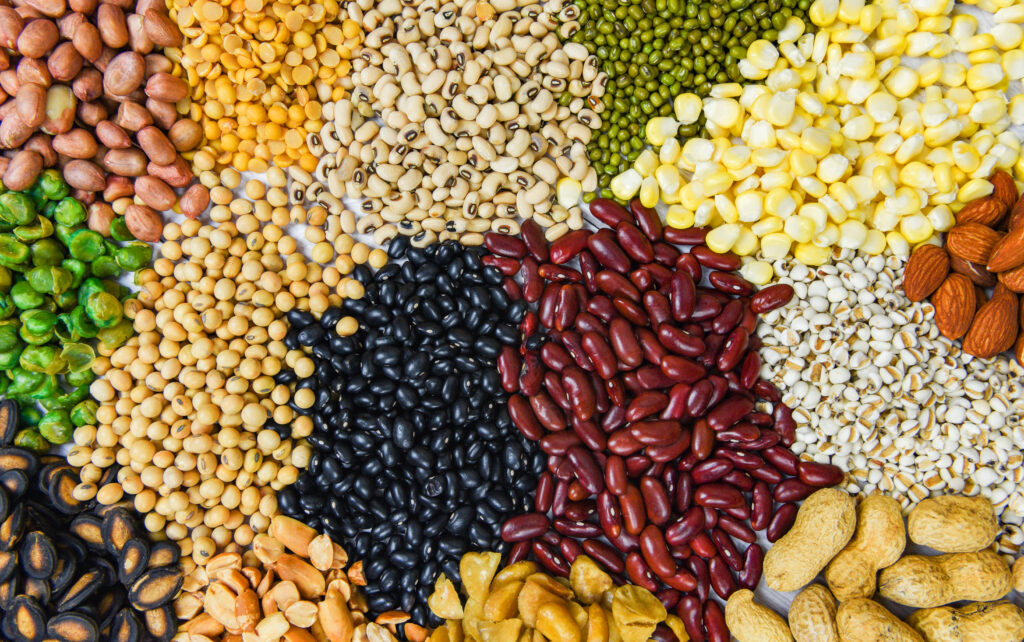
The BELIS project, launched under EU Horizon Europe, aims to boost European legume cultivation by developing high-yielding, resilient varieties. Focusing on 14 key grain and forage legumes, the initiative seeks to reduce imports, enhance sustainability, and strengthen collaboration between research and industry across 18 countries.
The 10th Seed Congress of the Americas Heads to Foz do Iguaçu, Brazil

The Seed Association of the Americas (SAA) invites you to join the 10th Seed Congress of the Americas, taking place from Sept. 29 to Oct. 1, 2025, in Foz do […]
Farmers Who do This One Thing in Fall See Better Crops in Spring

Innovation in seed care isn’t just defense — it’s growth insurance. As harvest winds down and bins fill up, the thoughtful farmer’s mind naturally turns to spring. What worked this […]
Doug Miller Drops the Case for a Farmer-First Seed System
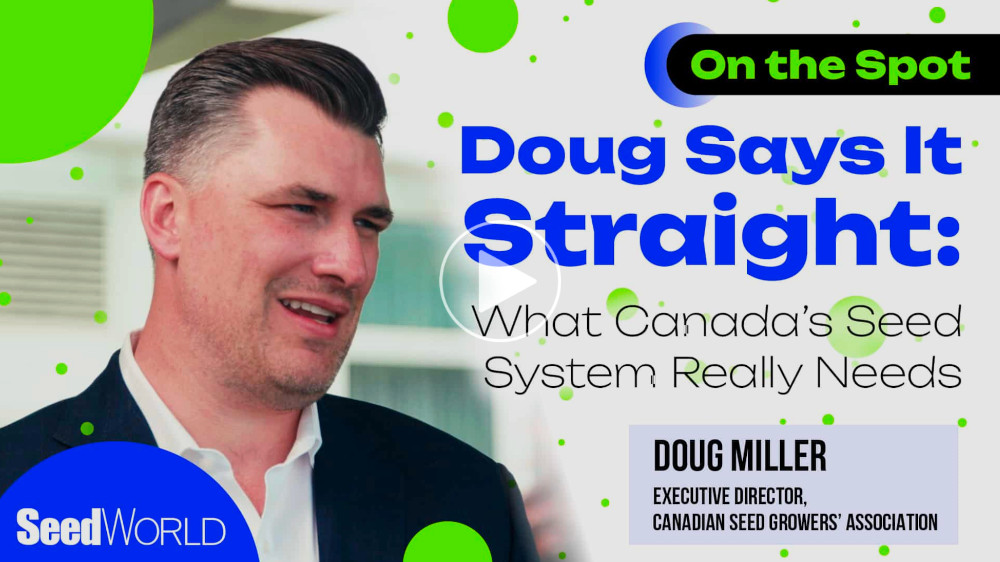
In this rapid-fire Seed World 360 interview, CSGA’s executive director makes the case for change
Transformando Subproductos Cerveceros en Bioestimulantes de Semillas de Próxima Generación
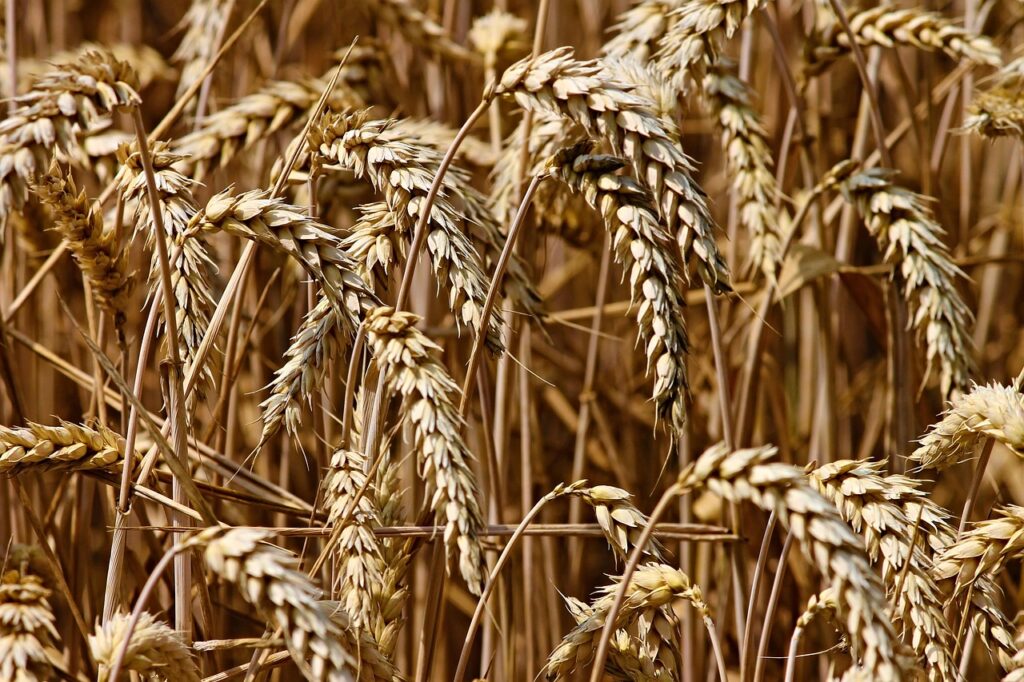
María Gabriela Guevara lidera BrewSelBar, un proyecto financiado por la UE que transforma el bagazo de cerveza en un bioestimulante para semillas enriquecido con selenio. La iniciativa aumenta la tolerancia del cebada al estrés, promueve la agricultura sostenible y permite la producción de cervezas funcionales enriquecidas con selenio.
Turning Brewing By-Products into Next-Gen Seed Biostimulants
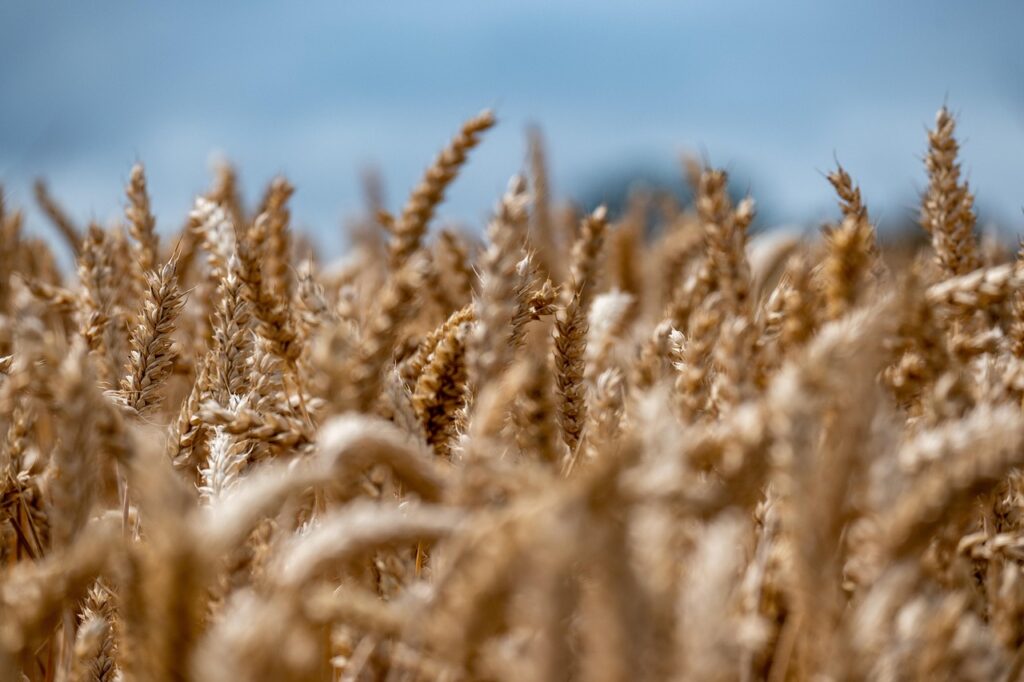
María Gabriela Guevara leads BrewSelBar, an EU-funded project turning beer bagasse into a selenium-enriched seed biostimulant. The initiative boosts barley’s stress tolerance, promotes sustainable agriculture, and enables production of functional, selenium-fortified beers.
Report: Cultivation and Chain Development Of Novel Crops in Ukraine
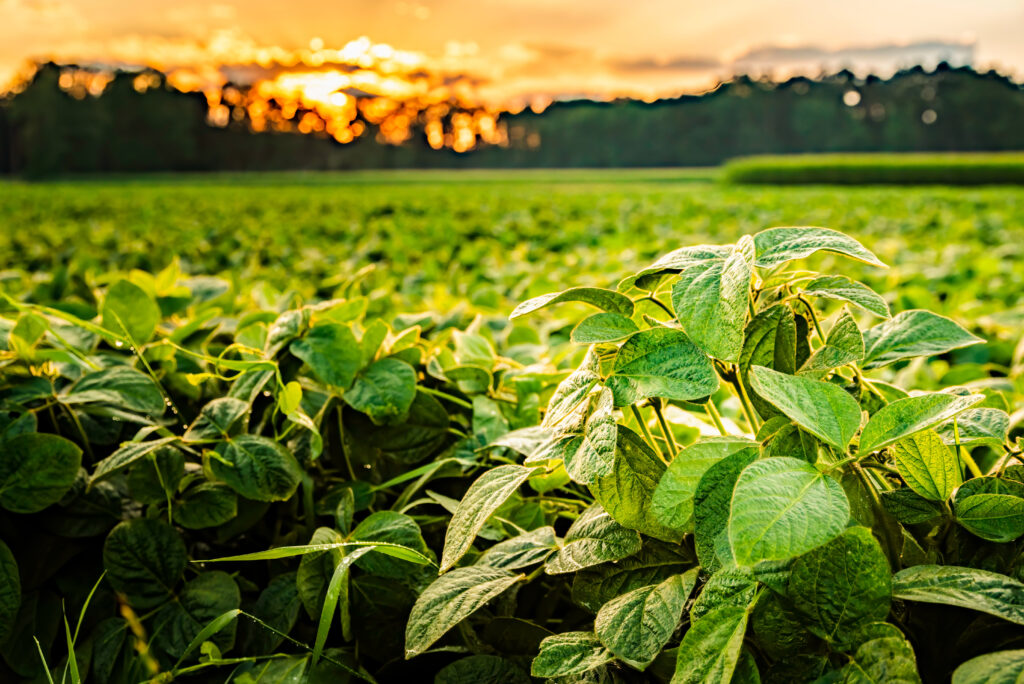
A new report highlights opportunities for Dutch-Ukrainian collaboration in agriculture, focusing on novel crop cultivation and supply chain development. Dutch expertise in precision farming, soil analysis, and post-harvest solutions could help modernize Ukrainian agriculture despite challenges from the ongoing conflict.
Game-changing Biotech for Engineering Pathogen-Resistant Crops
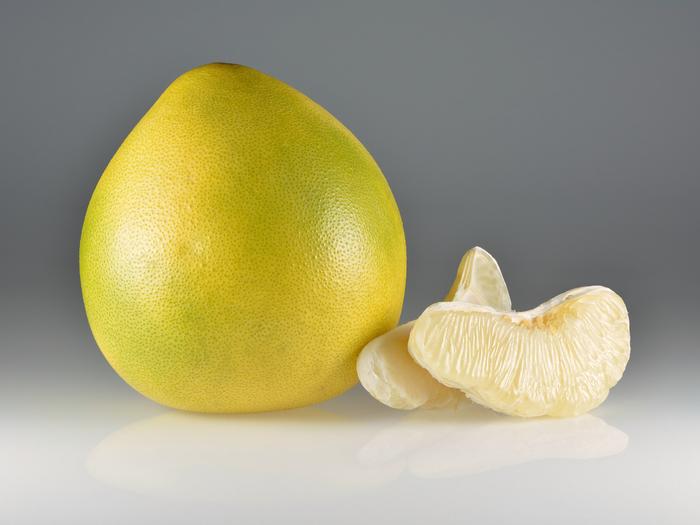
Researchers at Japan’s RIKEN CSRS discovered SCORE, an ancient plant immune receptor that detects cold-shock proteins in bacteria, fungi, and insects. The study reveals potential to engineer crops and trees with enhanced disease resistance using synthetic SCORE receptors.
ASTA Adds Washington Insider to Government Affairs Team

The American Seed Trade Association has hired Brandon Pachman as director of government affairs to strengthen its federal policy advocacy for the seed industry.
The Secret Ingredient on Your Plate? Plant Breeders
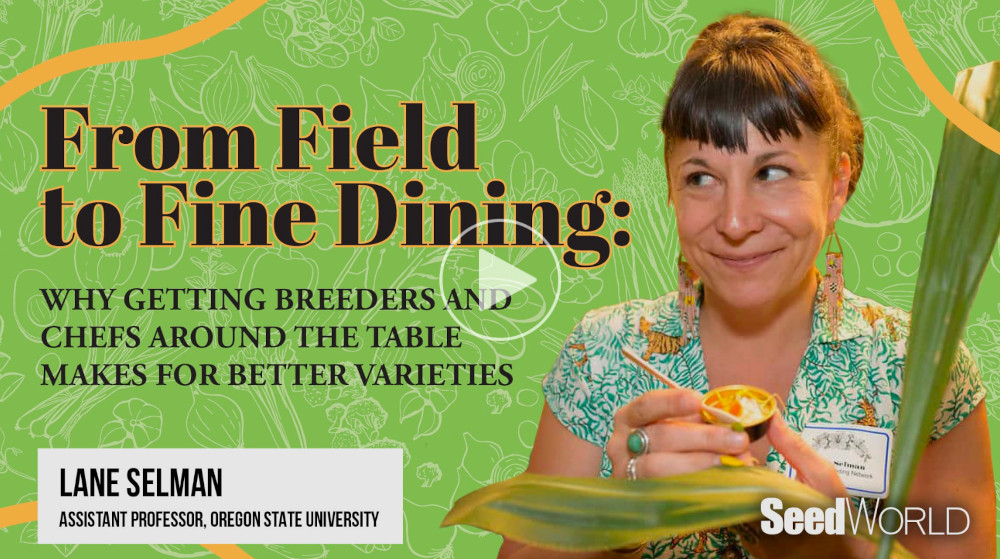
It’s not just chefs who make your meal into a magical experience. Seed World 360 takes you inside the world of the Variety Showcase
Scorching Summer Shows Urgent Action is Needed for Potatoes
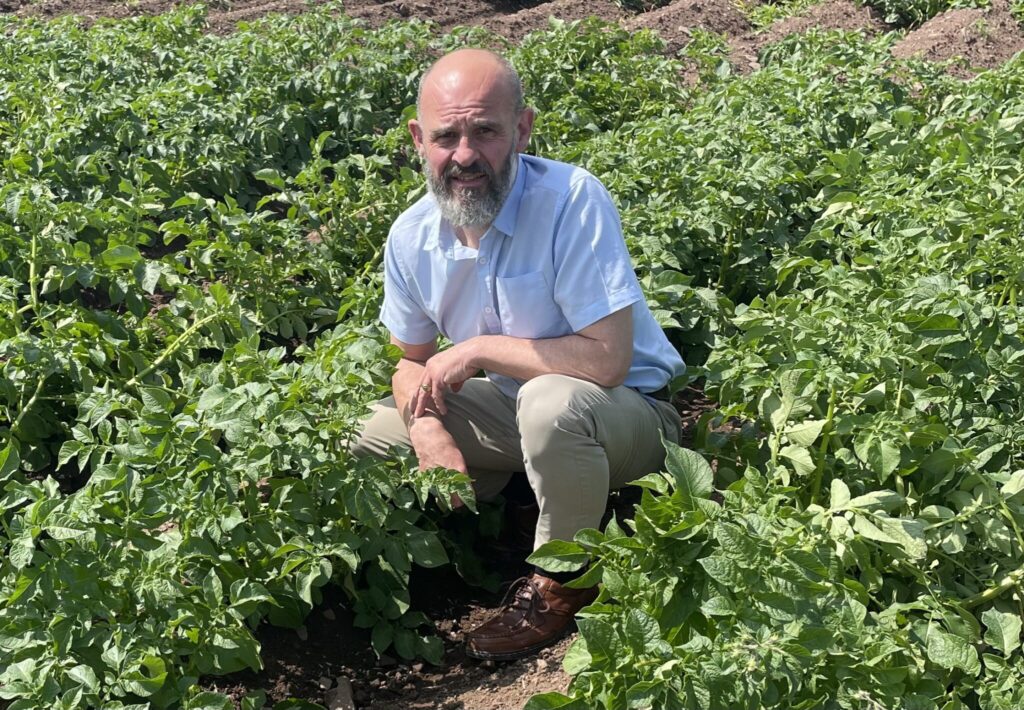
A UK research project emphasizes the need for climate-resilient potato varieties to protect Britain’s staple crop. Professor Ian Toth of the National Potato Innovation Centre warns that urgent action is required as rising temperatures threaten yields, despite ongoing development of heat- and drought-tolerant potatoes.