

All DRII-ed Up: How Plants Bounce Back After Drought
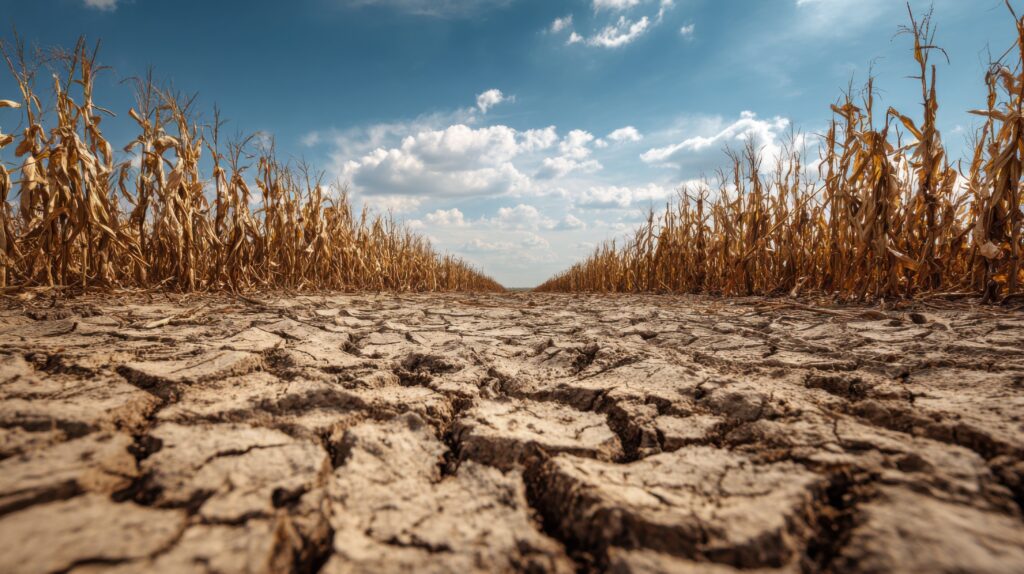
Salk Institute researchers have discovered that plants boost their immune systems after experiencing drought, revealing genetic strategies to develop hardier, more resilient crops. This finding highlights how plants prioritize survival over growth when recovering from water stress.
Concepts for Your Seeds
For more than 40 years, SATEC® has offered you the perfect combination of technique, chemicals and experience to treat your seeds, ensuring their high quality. You get specific and individual […]
AI is Improving Your Competitors’ Seed: Here’s How You Can Catch Up

AI is reshaping work, but many businesses limit it to simple tasks like note-taking and document summaries. Forward-thinking competitors are already using AI for higher-value work—are you keeping up?
You’ve Never Seen Corn Like This Before
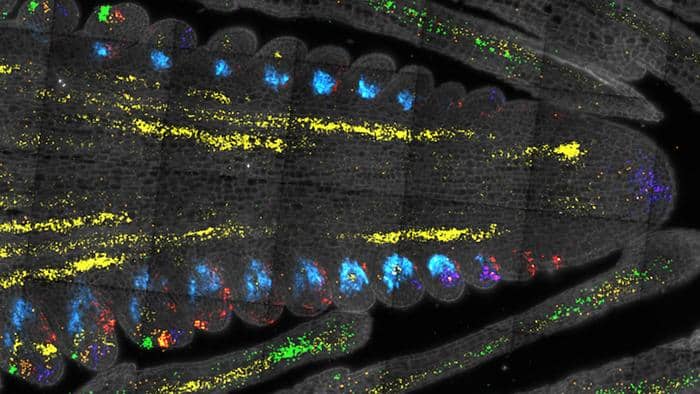
Scientists at Cold Spring Harbor Laboratory mapped key stem cell regulators in maize and Arabidopsis thaliana, uncovering genes tied to plant growth and productivity. The findings could help breeders develop more resilient and high-yield crops for food, feed, and fuel.
As Parliament Resumes, Canada’s Seed Industry Faces its Defining Test

SeCan urges a co-investment model to keep new varieties flowing to farmers across the country. As Parliament resumes today, Canada’s seed industry is at a crossroads. After more than a […]
Cologne Scientist Receives ERC Grant to Develop Disease-Resistant Cereals
The European Research Council (ERC) awarded Starting Grants to three University of Cologne researchers—Dr. Sabina Hillebrandt, Dr. Isabel Saur, and Prof. Dr. Johannes Wohlfart—providing up to €1.5 million each over five years to support innovative early-career research in humanities, life sciences, and natural sciences.
Federico Vittorio Pisani Joins Euroseeds as Manager Development Cooperation and Genetic Resources

Federico Vittorio Pisani has joined Euroseeds as Manager of Development Cooperation and Genetic Resources, bringing extensive experience in bridging policy, innovation, and international collaboration.
Farming Strategies to Protect Biodiversity
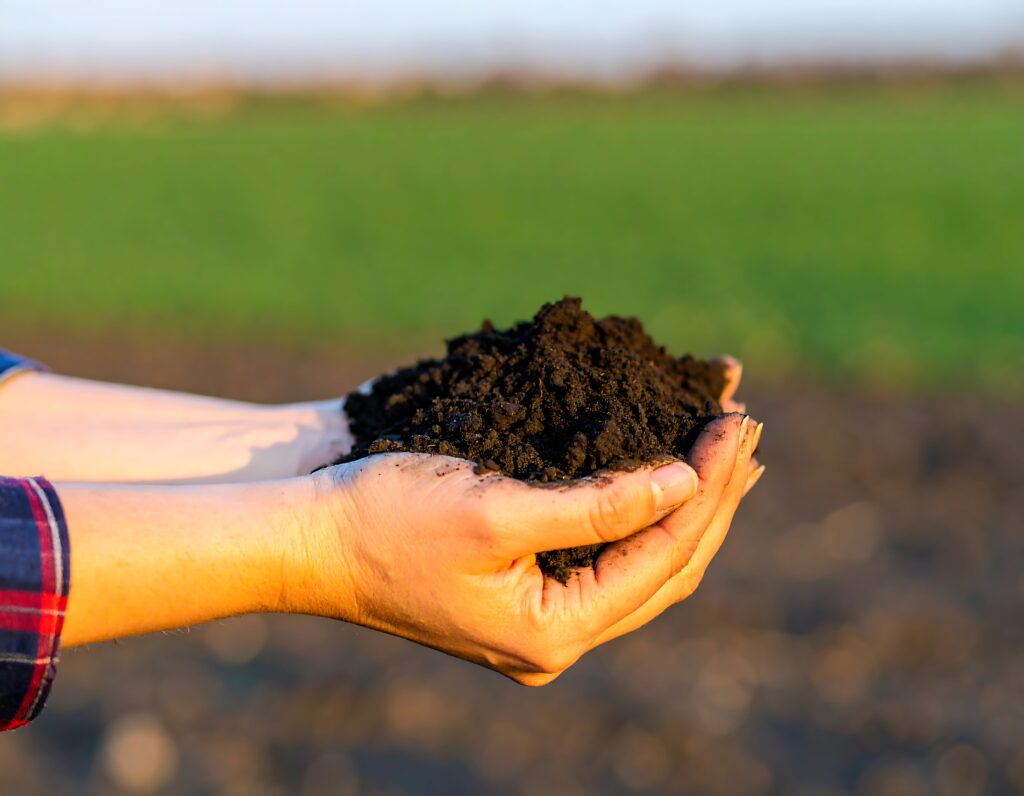
A meta-analysis shows that protecting biodiversity in agriculture works best when land-sharing and land-sparing strategies are combined. Context-specific, integrated approaches outperform one-size-fits-all methods, balancing food production with conservation
European Parliament Moves Towards Full Legalisation of All Hemp Plant Parts

The European Parliament’s COMAGRI committee voted to define hemp to include flowers, supporting the EU’s first “whole-plant” approach for production and marketing. This move, backed by the European Industrial Hemp Association, advances sustainable hemp farming within EU regulations.
Smarter Robots, Stronger Crops: A Breakthrough in High-Throughput Phenotyping
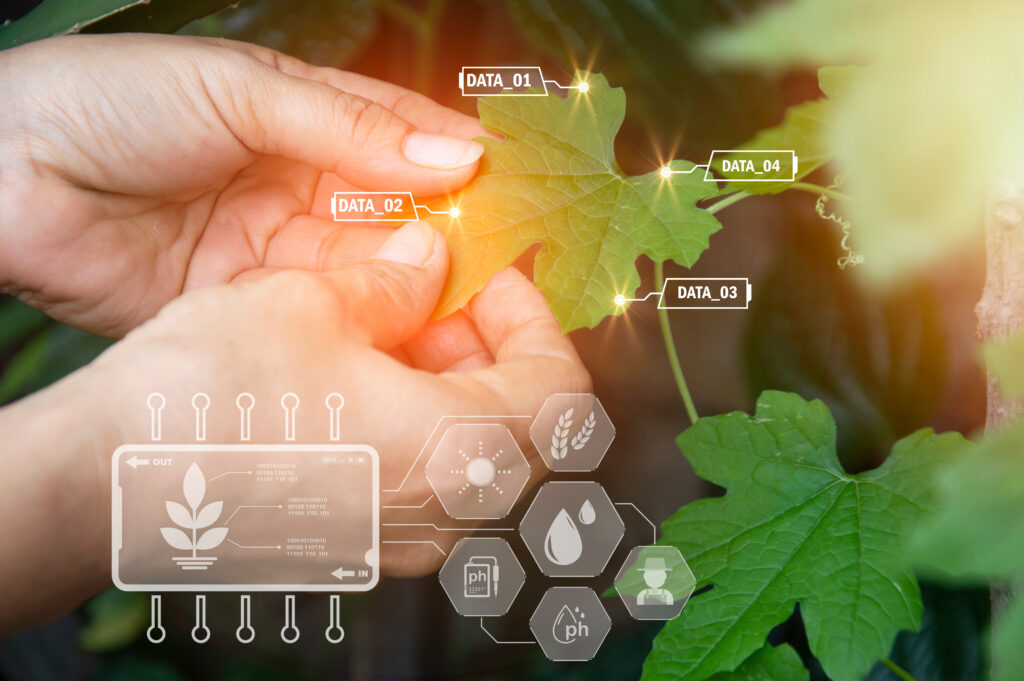
A new phenotyping robot is transforming plant science with its adjustable wheel track, precision sensor gimbal, and advanced multi-sensor fusion. It allows faster, more accurate measurement of plant traits, supporting breakthroughs in crop improvement and sustainable agriculture.
Tools for Smarter Breeding – Making Genomic Selection Practical
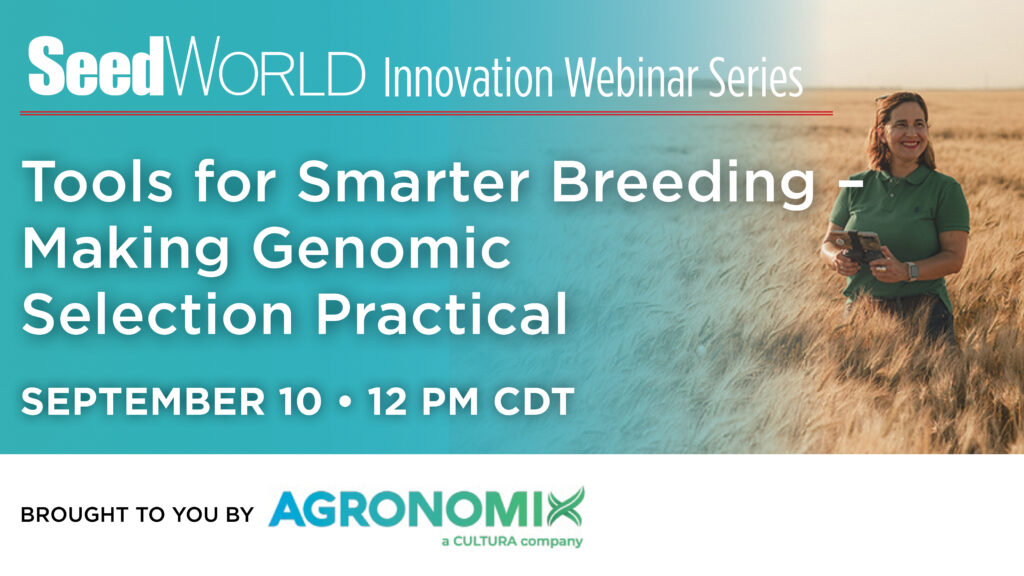
Breeding decisions are becoming smarter, faster, and more data-driven. In our Tools for Smarter Breeding – Making Genomic Selection Practical webinar, three leading experts — Dr. Diego Jarquin, Dr. Caio Canella Vieira, and Dr. Enid Pérez-Lara — showed how genomic selection is making that transformation possible.
Seed World 360 Redefines How Your Stories Are Shared — Check it Out Now
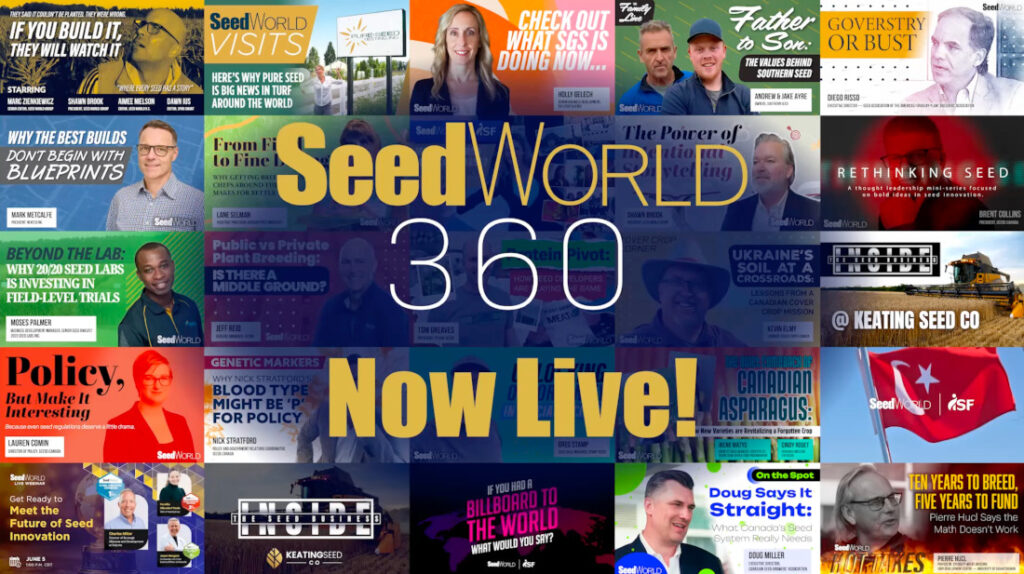
Launching today, Seed World 360 brings you closer than ever to the ideas and people driving our sector forward
To Eat or To Breathe; That is the Question
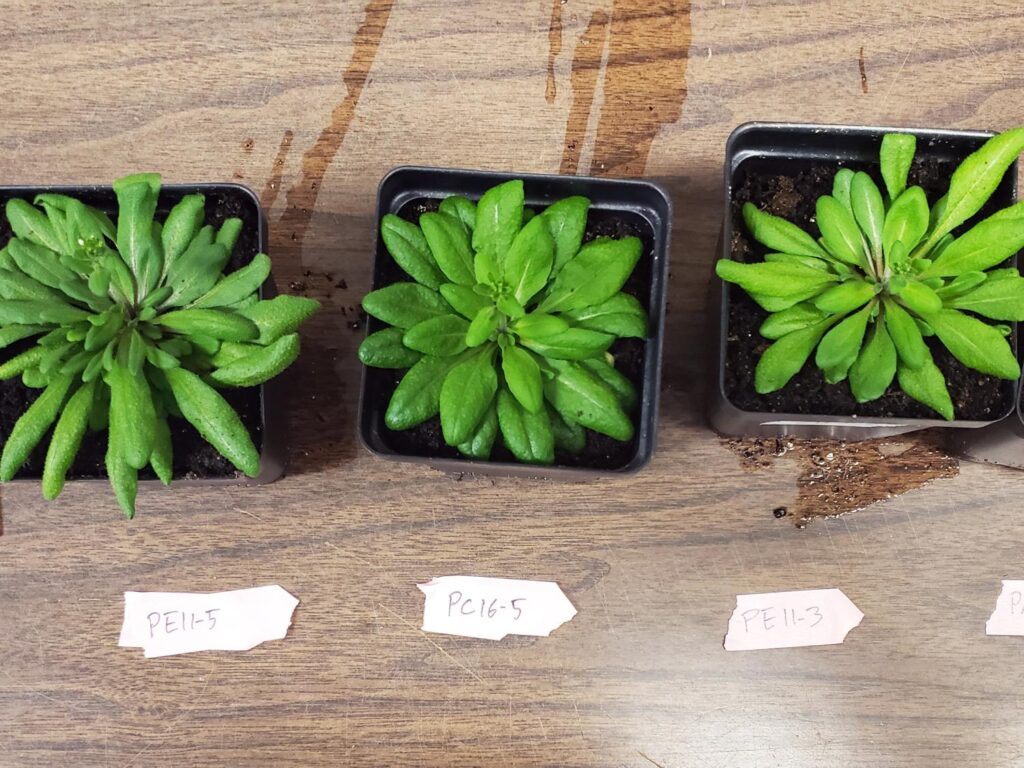
New research uncovers the molecular messengers that control stomatal opening in plants — a breakthrough that could lead to more drought-resilient crops and smarter seed trait development.
Los Cultivos de Frijol Pequeño Predominan en Brasil, Pero las Grandes Plantaciones Producen la Mayor Parte
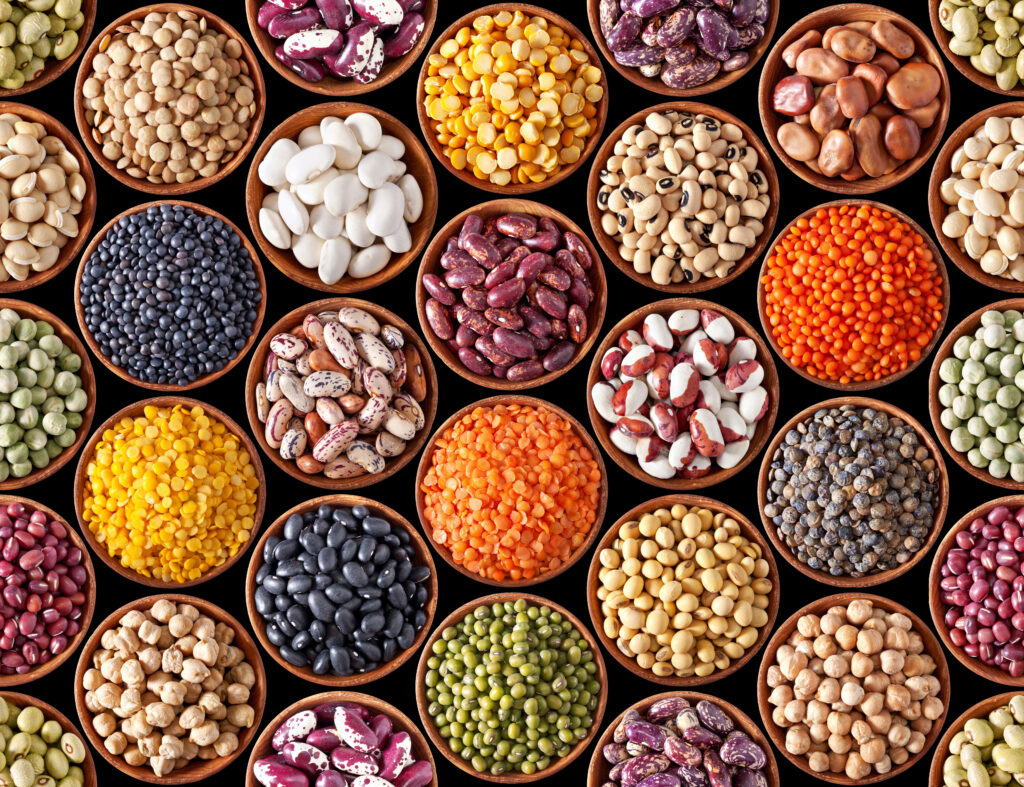
En Brasil, la mayoría de los productores de frijol cultivan áreas menores a cinco hectáreas, lo que representa aproximadamente el 97% de las unidades productoras de granos en 533.500 propiedades rurales. Sin embargo, la mayor parte de la producción proviene de grandes plantaciones, una pequeña fracción del total de fincas, según una investigación de Embrapa Arroz e Feijão (GO).
Small Bean Crops Dominate in Brazil, but Large Plantations Produce Most
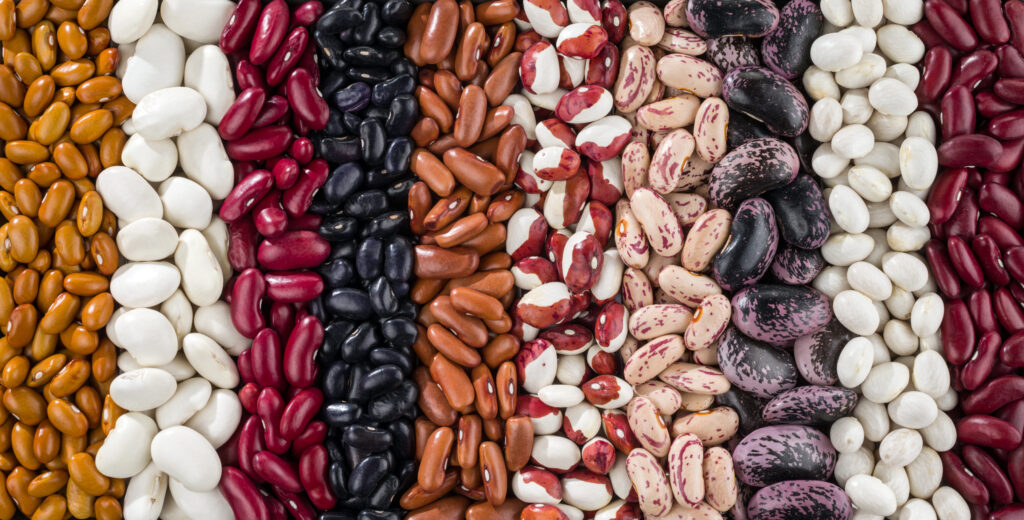
In Brazil, most bean producers cultivate areas smaller than five hectares — making up about 97% of grain-producing units across 533.5 thousand rural properties. However, the majority of production comes from large plantations, a small fraction of total farms, according to research by Embrapa Arroz e Feijão (GO).
New Study Charts Path for Low-Emission Corn Farming Across the Globe
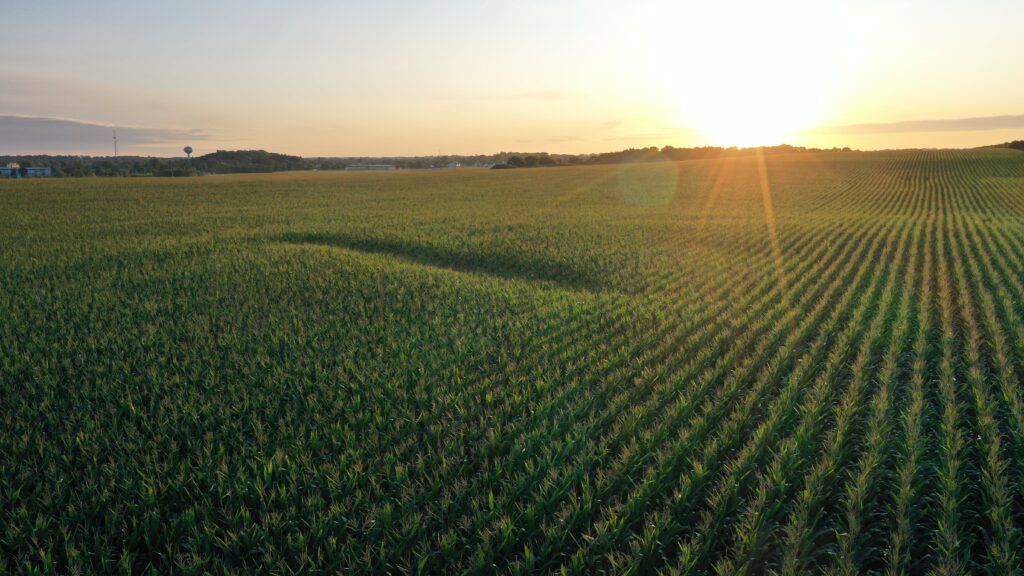
An international team led by the Institute of Atmospheric Physics at the Chinese Academy of Sciences has identified sustainable farming practices for maize (corn) that maintain high yields while reducing greenhouse gas emissions. The study offers strategies to lower environmental impact and promote sustainable global agriculture.
Quinoa Research Project Aims to Bring Superfood to German Fields
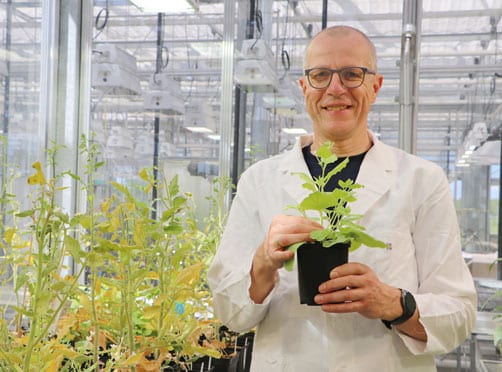
Rich in protein, vitamins and minerals, quinoa is valued worldwide as a healthy food. Its greatest strength lies in its adaptability: the crop tolerates cold, heat and drought, making it […]
Fescue to the Rescue
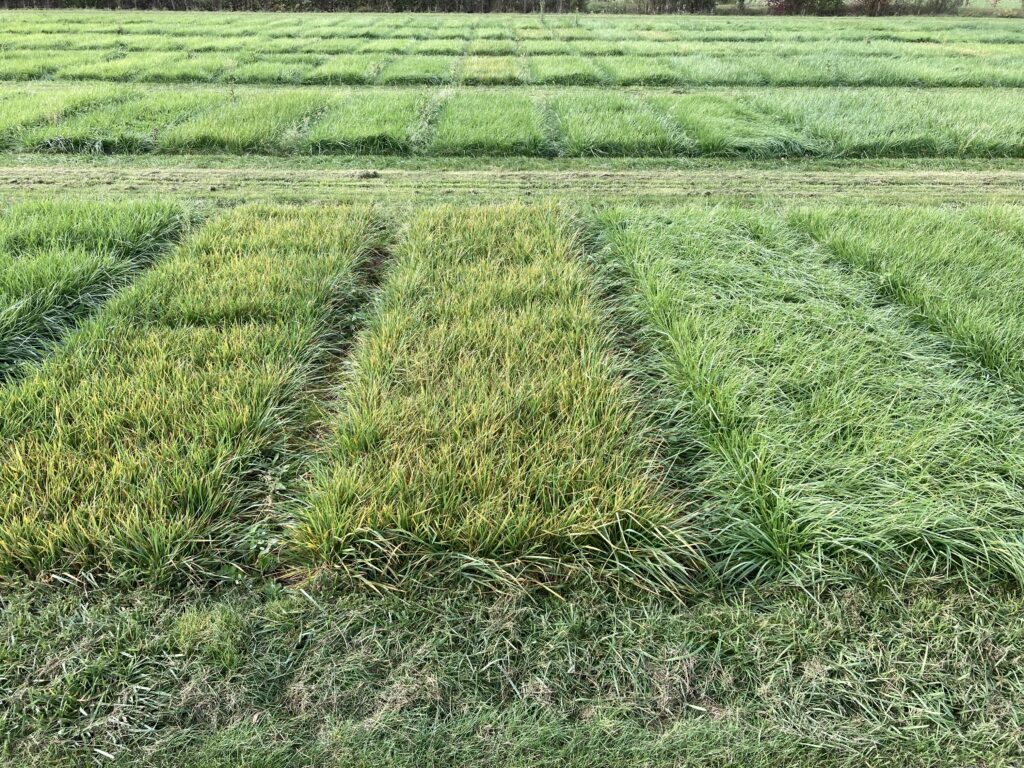
Fescue is a versatile grass valued for livestock grazing and increasingly used on professional sports fields, where it’s starting to replace ryegrass. Modern breeding has produced varieties that are durable, drought-tolerant, and resistant to disease—while also improving yield, digestibility, and palatability for livestock systems worldwide.
Genetic Markers – Why Nick Stratford’s Blood Type Might be ‘P’ For Policy
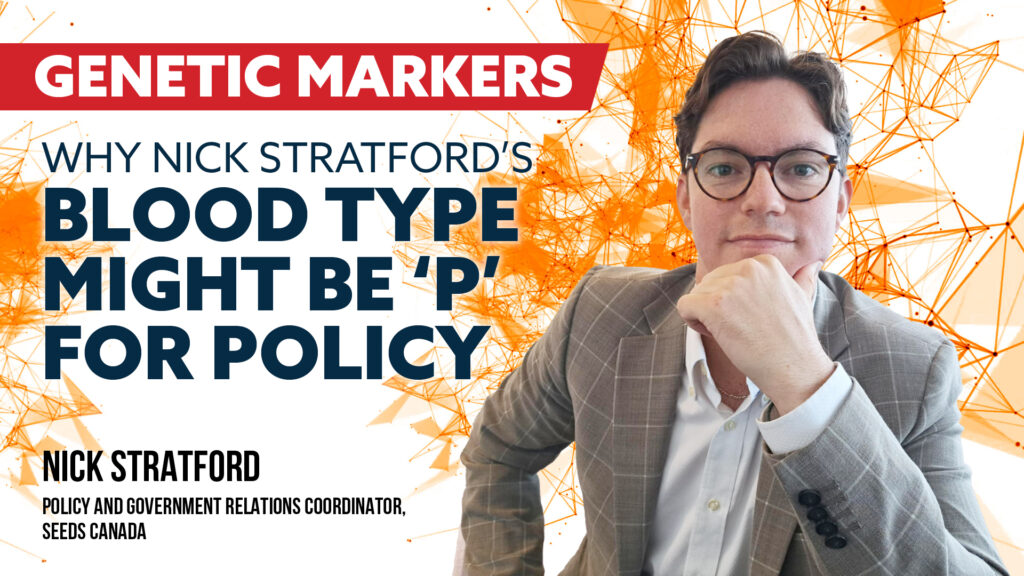
Nicholas Stratford reveals how philosophy, science and strategy shape trust, innovation and the future of sustainable seed leadership.
On the Spot – Doug Says It Straight: What Canada’s Seed System Really Needs
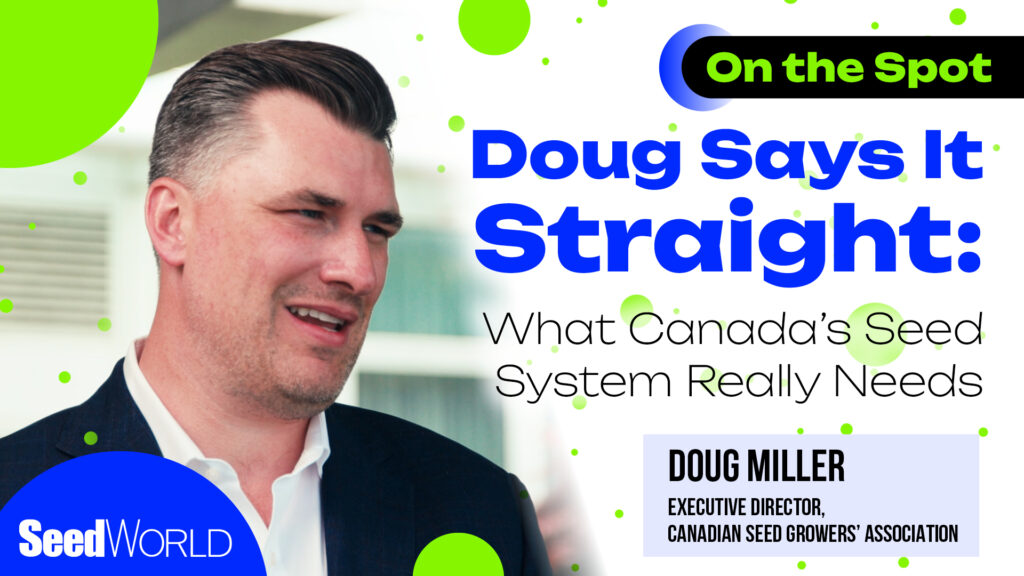
Doug Miller shares CSGA’s Next Generation Seed System to create a faster, fairer and more innovative future for Canadian agriculture.
Rethinking Seed: In Conversation with Brent Collins

Brent Collins on bold action, breeder payments, AI and digital tools as Canada’s seed industry hits a turning point.
Goverstry or Bust
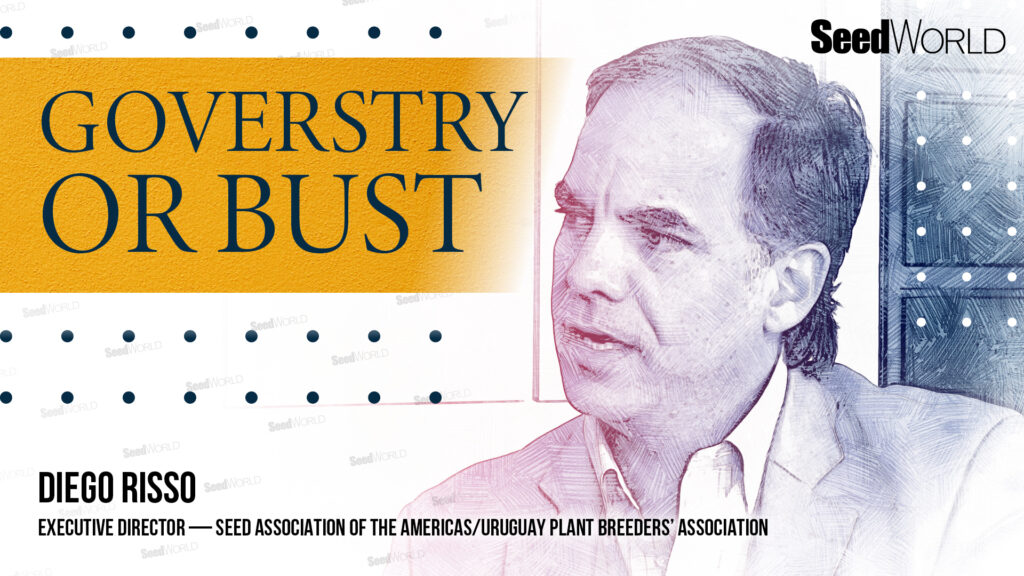
Diego Risso explains why outdated regulations block innovation and how science-based rules can drive the next generation of crop solutions.
Hot Takes: 10 Years to Breed, Five Years to Fund
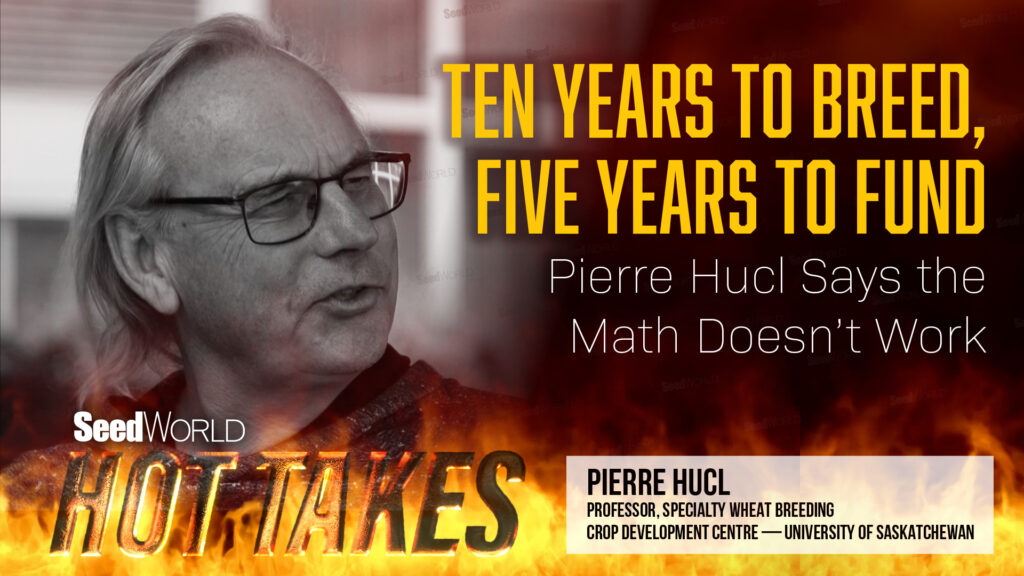
Pierre Hucl warns chronic underfunding and rigid five-year cycles cripple public wheat breeding and calls for freedom to truly innovate.
Policy, But Make It Interesting: Lauren Comin Rises to the Challenge
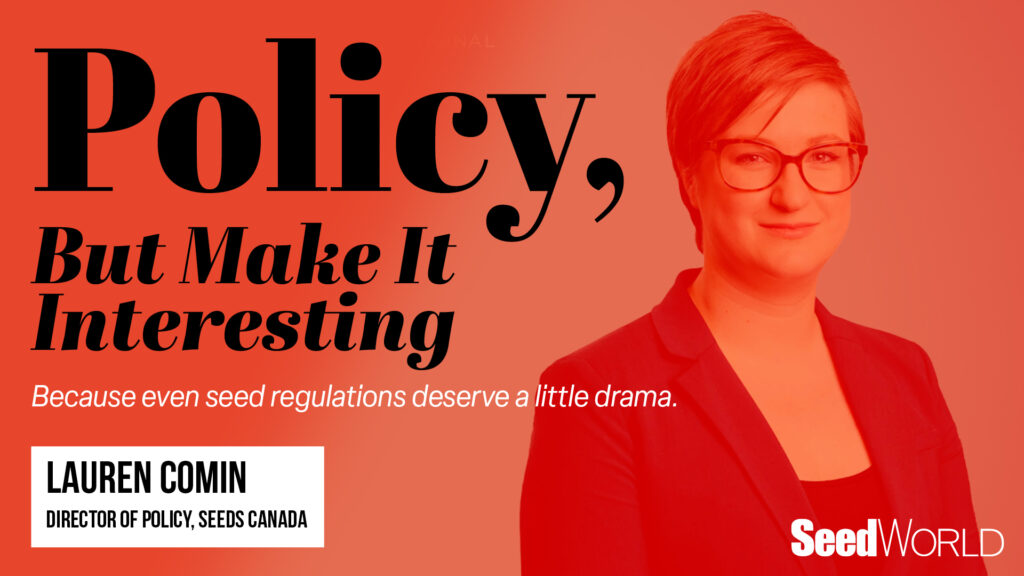
Lauren Comin urges bold seed sector reforms and stronger IP protections to give farmers faster, cheaper access to innovation.
Protein Pivot: How Seed Developers are Playing the Game
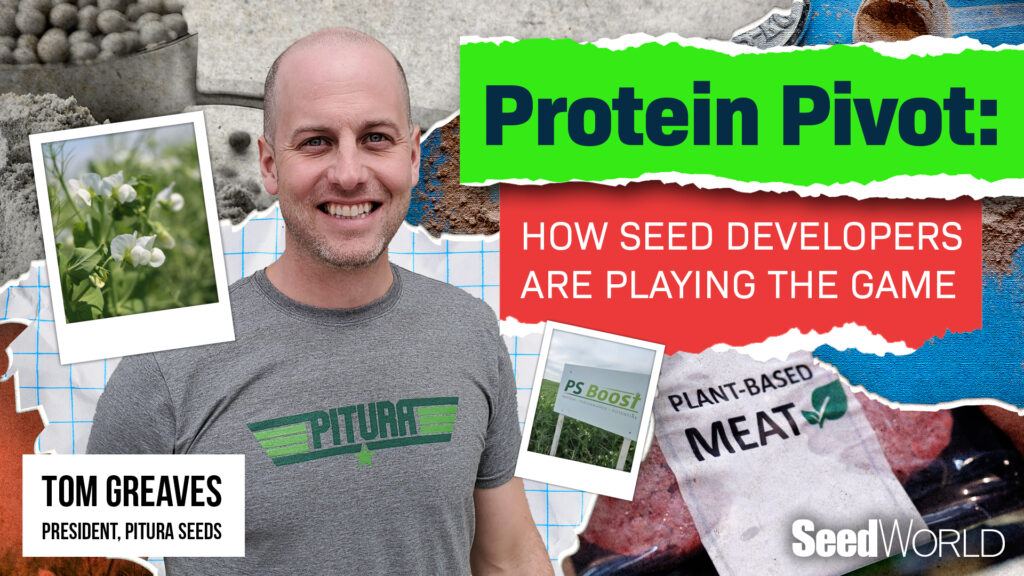
Pitura Seeds’ PS Boost links Prairie farm productivity with rising global protein demand, showcasing plant-based protein’s staying power.
The Quiet Comeback of Canadian Asparagus: How New Varieties are Revitalizing a Forgotten Crop
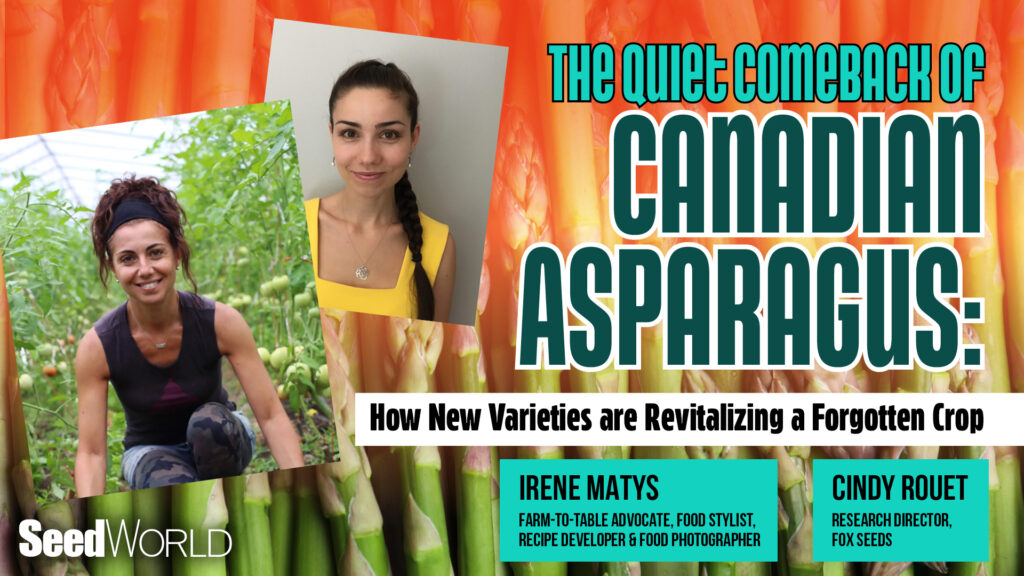
Cindy Rouet and Irene Matys reveal the decades of breeding behind asparagus and the push for flavour, nutrition, resilience and future-ready traits.
Get Ready to Meet the Future of Seed Innovation

Meet the winners of the 2025 Seed World Global Innovation Showdown in an exclusive webinar showcasing standout innovations from around the world.
One-Word Answers That Define 60 Years of Chin Ridge Seeds

Kelly Barany and Don Hubble of Chin Ridge Seeds share the words that define their success and how tradition, tech and customer focus deliver quality seed.
One Voice, One Future: How the Seed Sector Can Shape Ottawa’s Agenda
Industry leaders in a Seed World webinar outline how looming budget cuts and advocacy shifts could reshape public breeding, CFIA and the seed system.
Father to Son: The Values Behind Southern Seed
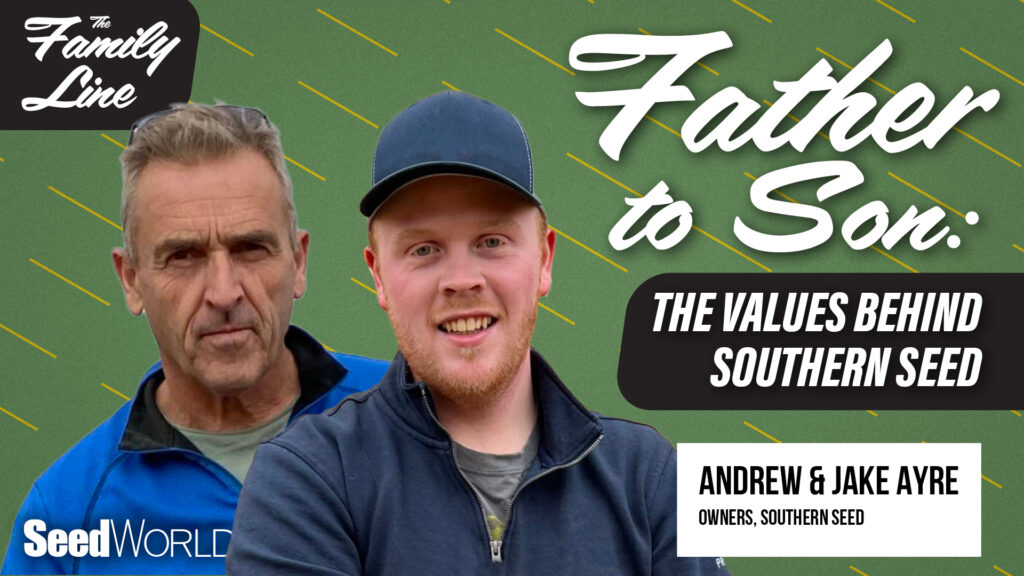
Andrew and Jake of Southern Seed share how tradition and innovation shape their family seed business, from old-school values to QR-code traceability.
Missed World Seed Congress? Here’s What Everyone’s Still Talking About.

Inside the World Seed Congress in Istanbul: 1,800+ professionals, 70+ countries, bold ideas and breakthroughs shaping the future of seed.
Ukraine’s Soil at a Crossroads: Lessons from a Canadian Cover Crop Mission
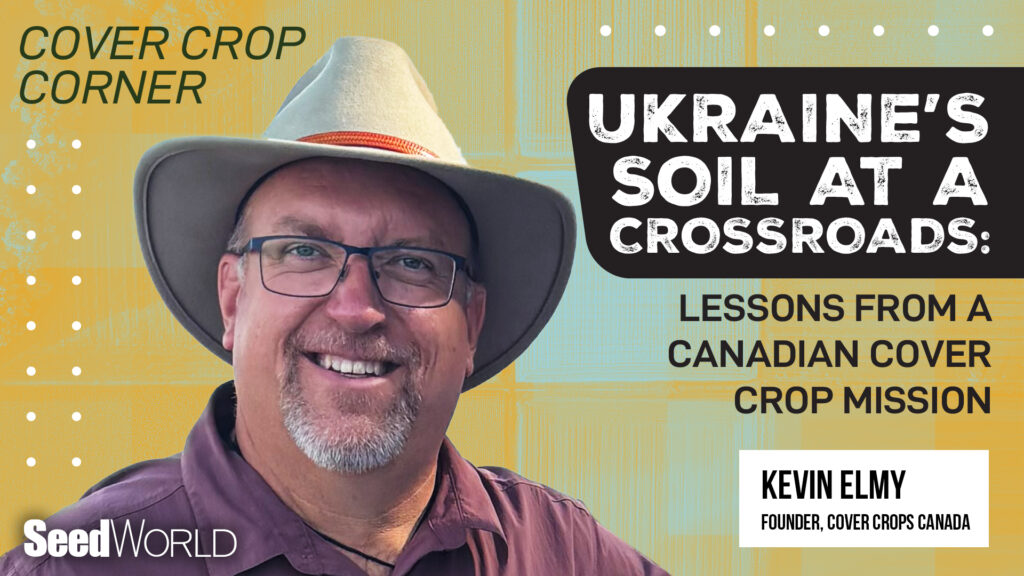
Kevin Elmy shows how over-tilled, nitrogen-dependent soils weaken crops worldwide and why cover crops and soil health principles offer a way forward.
From Field to Fine Dining: Why Getting Breeders and Chefs Around the Table Makes for Better Varieties
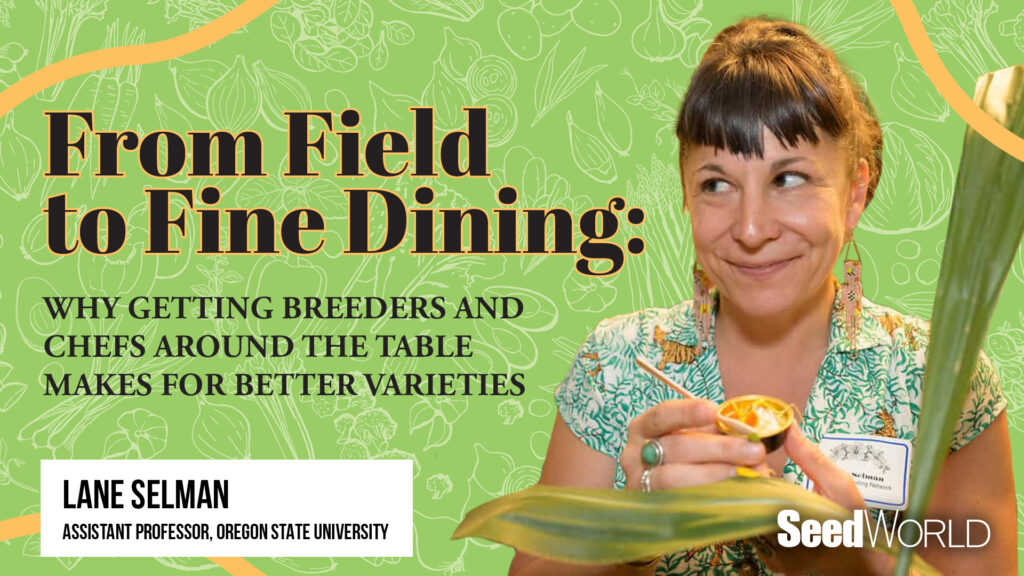
Lane Selman’s Variety Showcase brings chefs into crop breeding, reviving flavour and connecting breeders, farmers and the public to shape future foods.
Beyond the Lab: Why 20/20 Seed Labs is Investing in Field-Level Trials

20/20 Seed Labs delivers the deeper insights and data today’s precision farmers need to make decisions that help farms — and agriculture — thrive.
The Power of Intentional Storytelling
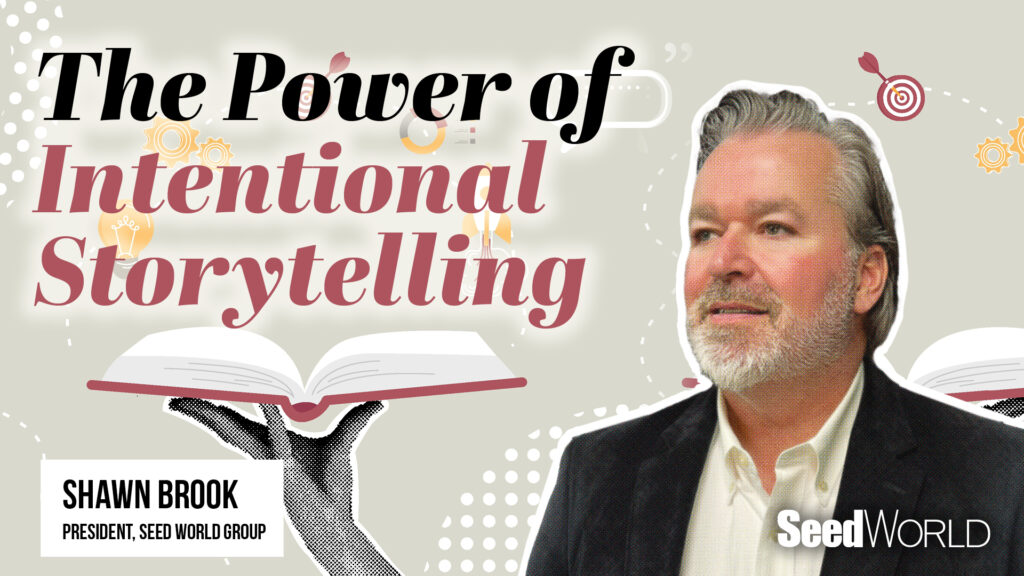
Shawn Brook highlights barriers slowing seed industry progress and applauds efforts to remove them, urging collaboration to open channels for innovation.
Why the Best Builds Don’t Begin with Blueprints

Nexeed shows how real-world experience, planning and collaboration drive better seed processing — and a stronger, thriving seed industry.