

Beyond ChatGPT: Why AI for Plant Breeding Requires a Different Approach

AI is all the rage and might seem new, but the experts at Computomics have spent over a decade perfecting it for use in plant breeding. AI is everywhere, and […]
Breakthrough in Sorghum Science: Advancing Drought-Resilience and Breeding for a Sustainable Future
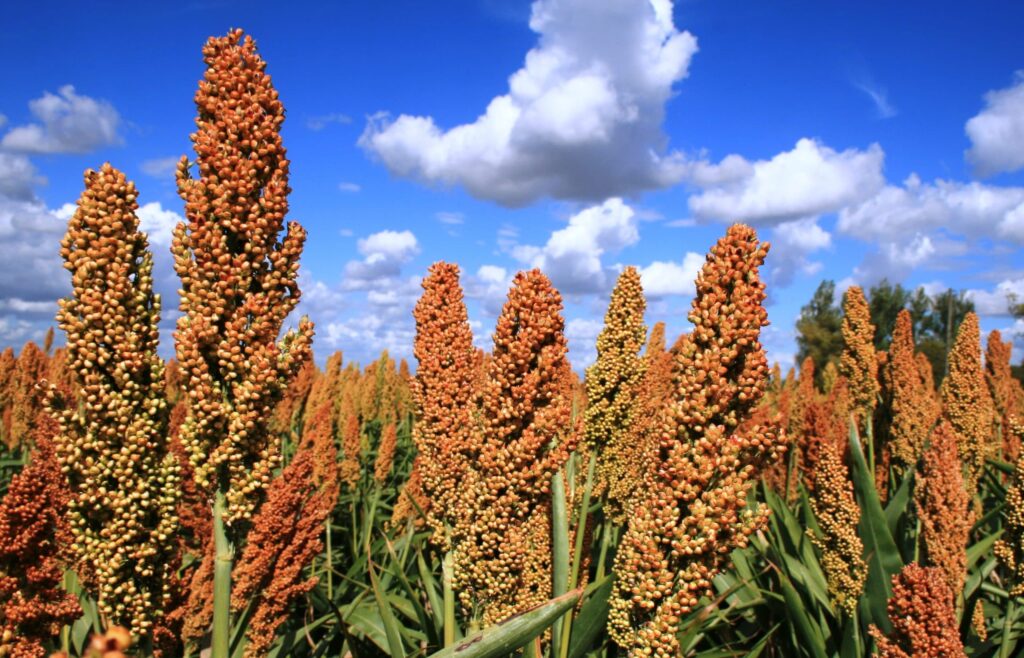
In a recent trio of studies, a team led by CSIC researcher Ana I. Caño-Delgado at CRAG has made remarkable strides in understanding the molecular mechanisms behind sorghum’s resilience and […]
Is Contract Research a Solution or a Stopgap? Ken Coles Weighs In
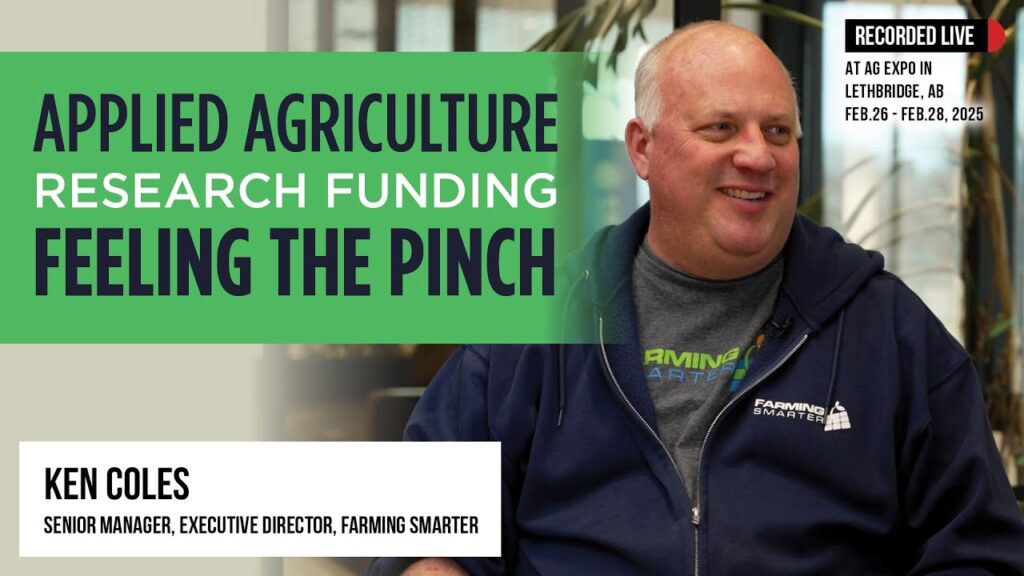
Applied research in agriculture has long been a cornerstone of progress on Canadian farms. But with government funding cuts and a shifting industry landscape, the sector is facing significant challenges. […]
Performance Reviews Worth Having

Most performance reviews tend to revolve around whether goals were met or why an “exceeds expectations” rating wasn’t achieved. Such meetings rarely leave us feeling invigorated. In essence, the most […]
That’s Where Women Belong

Seed World continues a month-long celebration of women with our own Madeleine Baerg, Seed World Group EVP of Operations. Madeleine Baerg is a seasoned agriculture expert with more than 15 […]
Newly Discovered Pathway Helps Plants Precisely Control Seed Germination
A team of plant physiologists, led by Dr. Guillaume Née and Prof. Iris Finkemeier at the University of Münster, has uncovered the molecular basis behind the balance between seed dormancy […]
La Tecnología Satelital de la NASA Mejora la Recopilación de Datos Agrícolas para el NASS

El director ejecutivo de la Asociación Nacional de Departamentos Estatales de Agricultura (NASDA), Ted McKinney, y el personal de la NASDA se reunieron recientemente con la Administración Nacional de Aeronáutica […]
Have We Been Looking at Soil Health Through the Wrong Microscope?
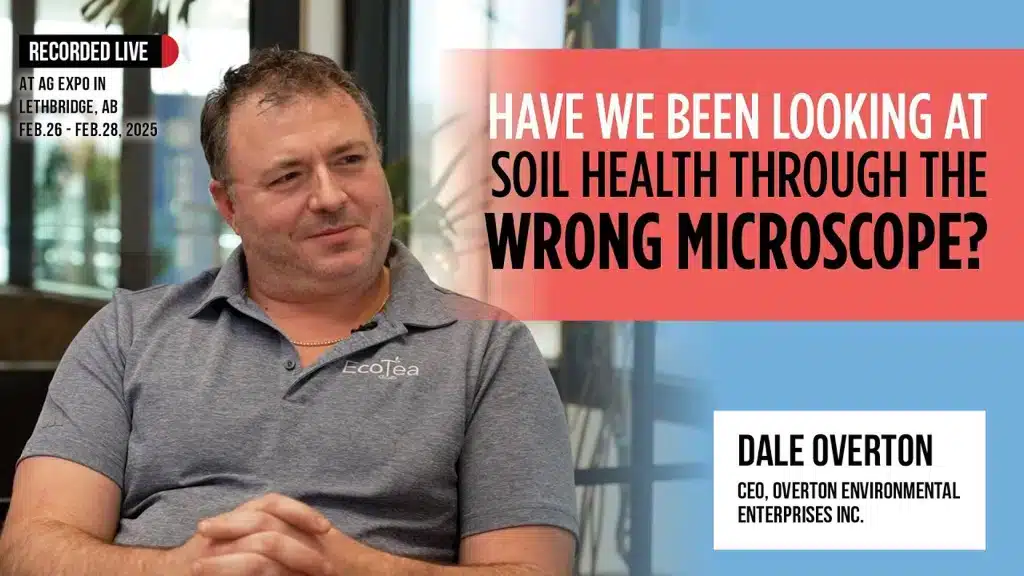
Throughout history, the industry has often looked at soil health from a chemistry perspective — but if we’re going to facilitate true impact, Dale Overton says it’s actually biology that […]
Patrick Fabian Details His Journey into Biological Seed Treatment
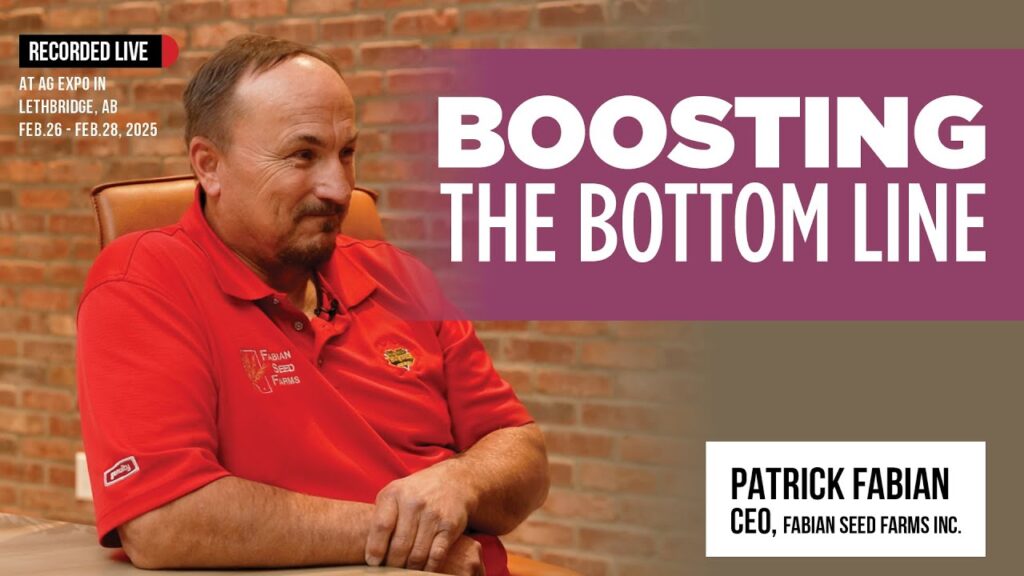
When Alberta seed grower and retailer Patrick Fabian first tried a biological seed treatment, he wasn’t expecting the results to be so dramatic. “We were approached to try this biological […]
Beyond Detection: How Seed Testing is Evolving to Solve Real-World Challenges
As a disease diagnostician, I’m always looking ahead — anticipating the next big challenge, refining our tools, and ensuring growers have the insights they need to make informed decisions. The […]
Corn Growers Push for Higher Ethanol Blends Amid Economic Challenges

Inflation, tariffs, and economic uncertainty continue to dominate conversations in Washington, but corn growers across the country see an opportunity amid the challenges. Advocates at both state and national levels […]
Hutton Researchers Discover Key Ingredient in Eco-Friendly Spray to Fight Cereal Disease
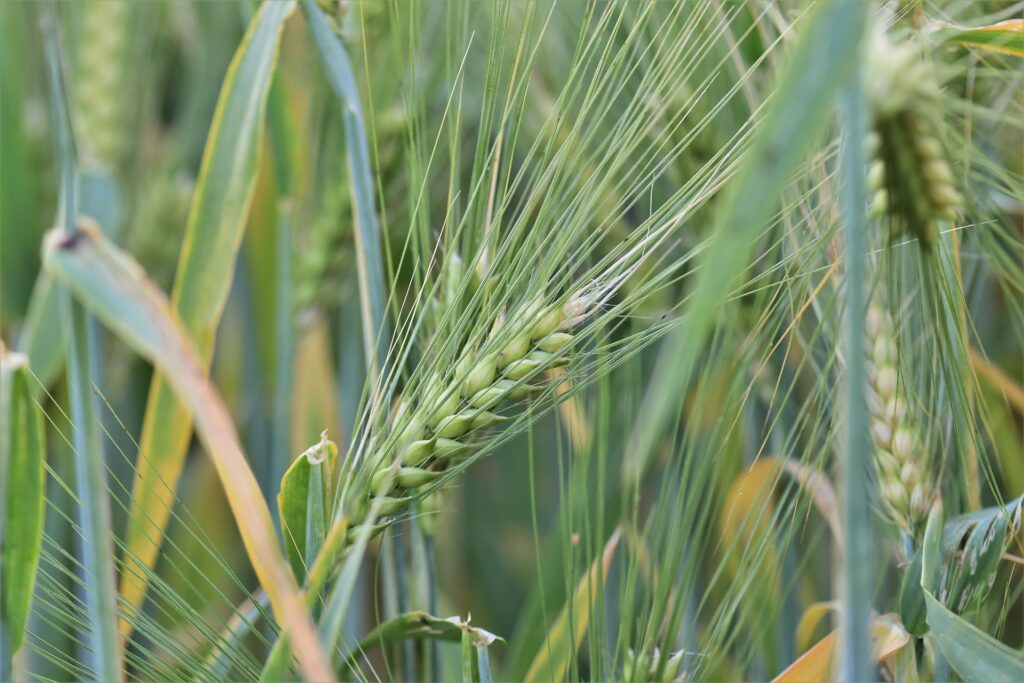
Scientists at The James Hutton Institute are making significant progress toward developing a spray that could “silence” genes responsible for Fusarium head blight, a disease affecting various cereal crops. This […]
In Fifty Years … Seed World Celebrates Women
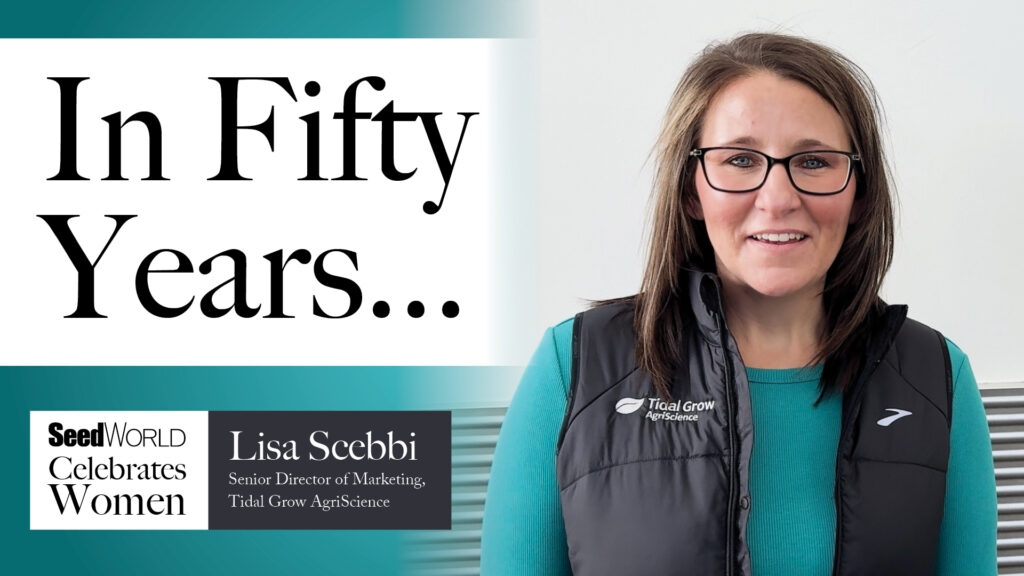
Lisa Scebbi is a seasoned global food and agricultural marketer with a fervent commitment to sustainable, nutrient-dense food production. In September 2024, she embraced the role of Senior Director of Marketing at Tidal Grow AgriScience, where she leverages her extensive expertise to drive innovative marketing strategies in the agricultural sector. Her passion for soil health and regenerative farming practices underscores her dedication to advancing sustainable agriculture.
Peruvian Native Potatoes Gain Global Recognition and Secure Major Market Deal
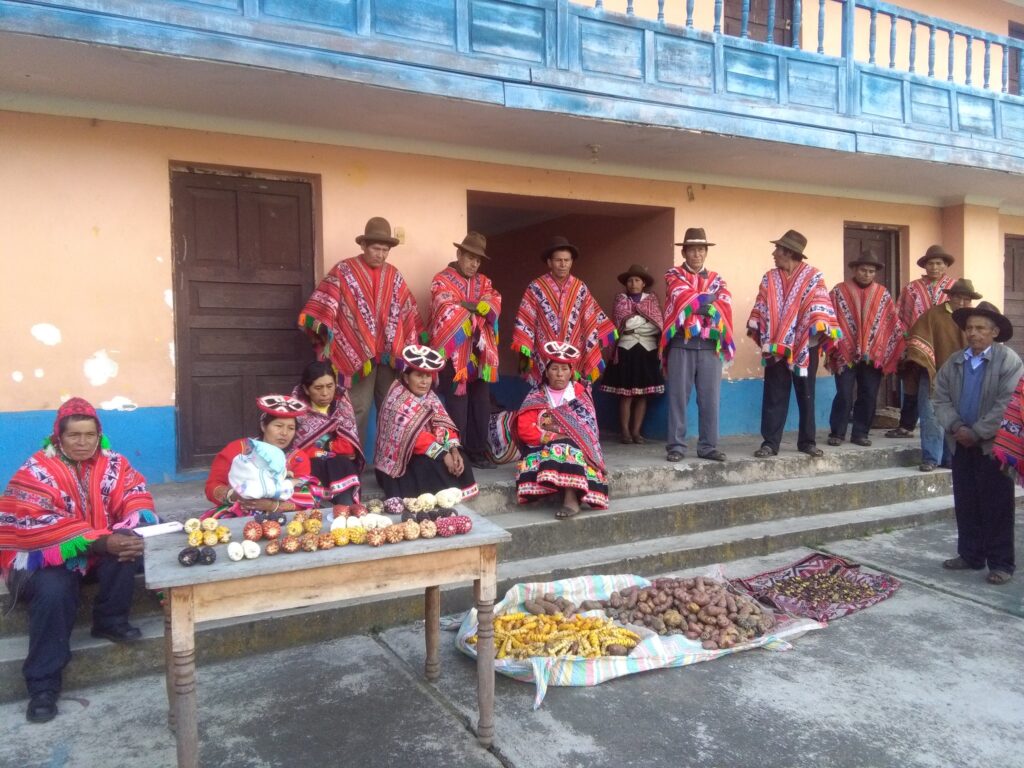
Peruvian native potatoes are earning international acclaim for their exceptional diversity, nutritional value, and increasing market demand. With over 4,000 varieties cultivated in the Andean highlands, they stand among the […]
New Geospatial Intelligence Methodology Enhances Land Use Management with Greater Accuracy and Speed

Researchers from São Paulo State University (UNESP) at its Tupã campus in Brazil have developed and tested a new geospatial intelligence methodology that significantly enhances the speed and accuracy of […]
Meet 9 Plant Science Polymaths Shaping a Sustainable World

University plant breeding programs are the epicentre of seed innovation and education. Universities are home to cutting-edge facilities and academic programs dedicated to plant science, highlighting the pivotal role seeds […]
Double-Digit Yield Gains? How New Mustard Lines are Changing the Game
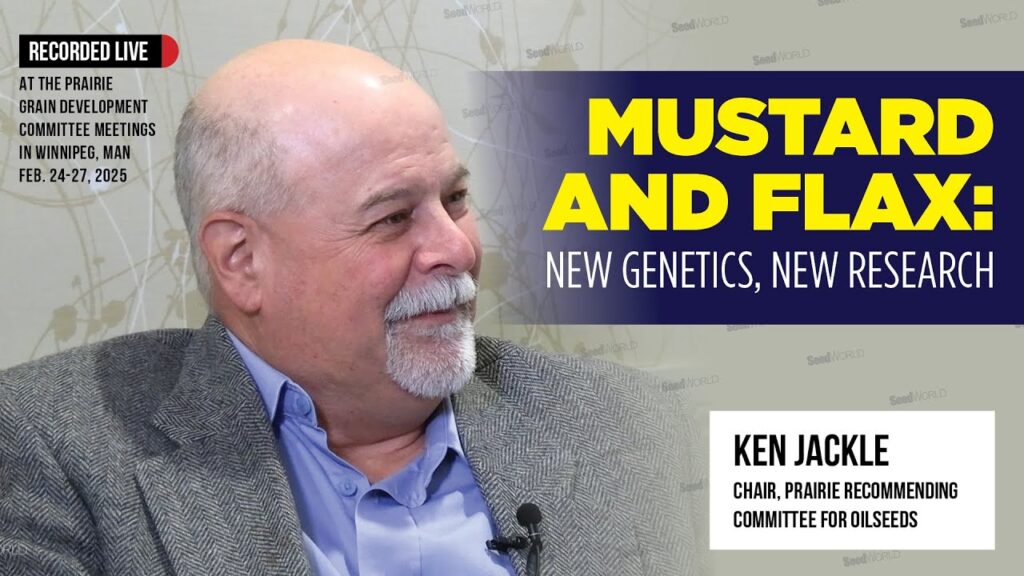
At the recent Prairie Grain Development Committee (PGDC) meetings in Winnipeg, Ken Jackle, chair of the Prairie Recommending Committee for Oilseeds (PRCO), shared insights on exciting developments in mustard and […]
Seed Innovation is Fighting Back a Growing Threat in Corn
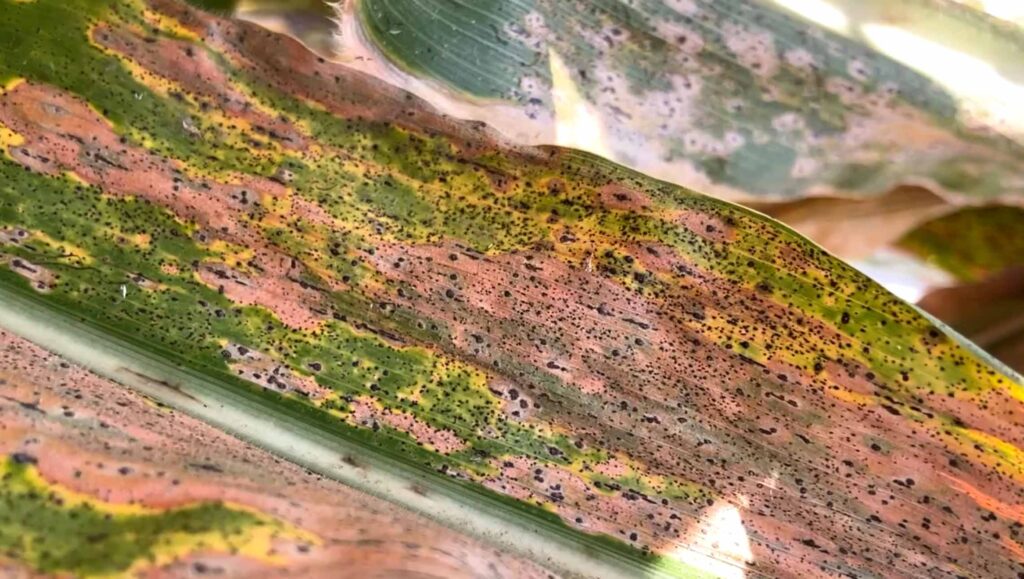
For nearly a decade, corn seed developers have been addressing the rise of a new disease threatening the Midwest’s corn yields. Tar spot, a fungal disease caused by Phyllachora maydis, has emerged as one of the most significant challenges for corn production, presenting both risks and opportunities for seed companies to innovate and provide solutions.
AGRI4POL: Advancing Sustainable Agriculture for Pollinators
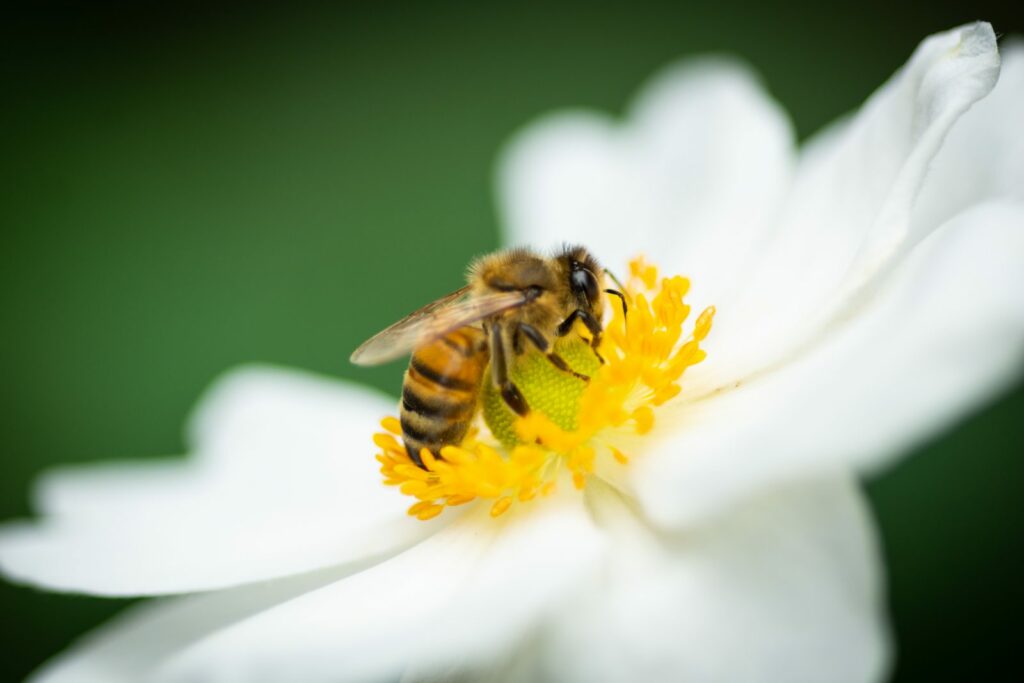
The AGRI4POL project, part of Horizon Europe, seeks to transform agriculture from a threat to pollinators into a driver of biodiversity, ecosystem health, and crop pollination services. Pollinators and the […]
Las Papas Nativas Peruanas Ganan Reconocimiento Mundial y Logran un Importante Acuerdo Comercial
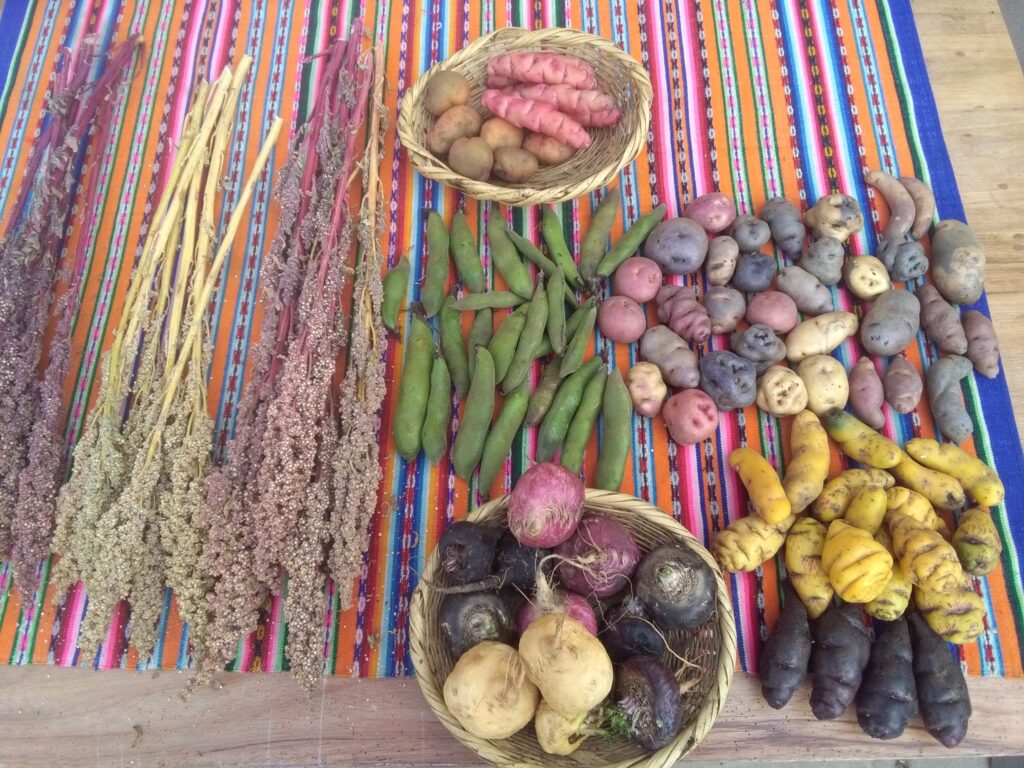
Las papas nativas peruanas están ganando reconocimiento internacional por su excepcional diversidad, valor nutricional y creciente demanda en el mercado. Con más de 4000 variedades cultivadas en las tierras altas […]
Diversity Ensures a Bright Future

As the global seed industry increasingly evolves to embrace international collaboration to develop varieties adapted to diverse climates, consumer needs and agricultural practices, Agronomix has experienced an evolution of its […]
Scientists Identify Genes That Could Grow Bigger Tomatoes and Eggplants
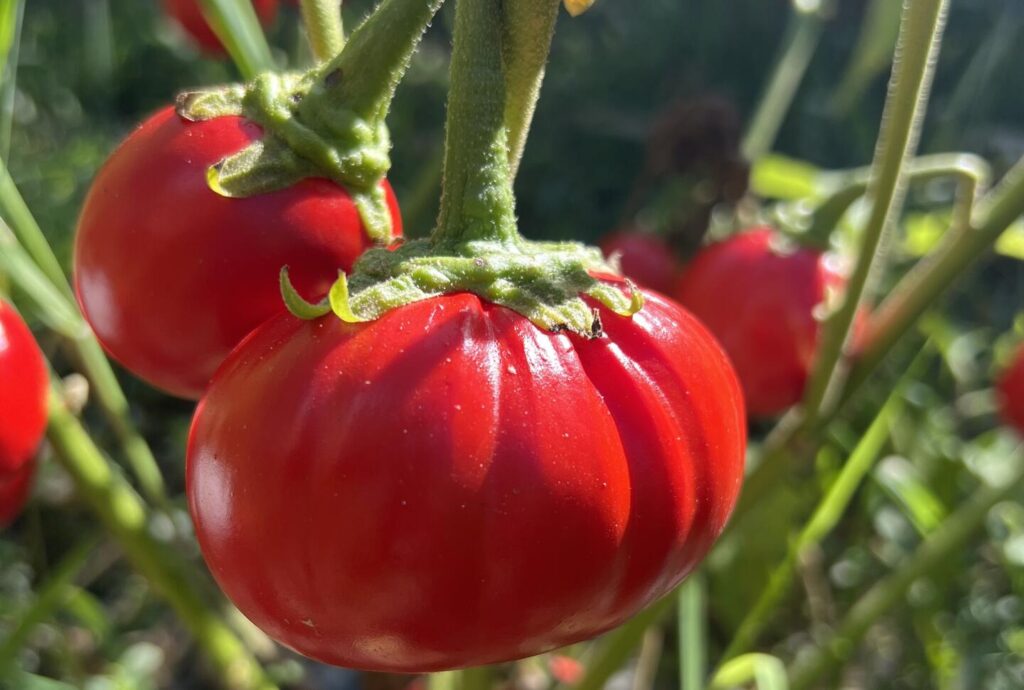
“Having full genome sequences for these species is like having a new treasure map,” said Katharine Jenike, a researcher who helped assemble the genome sequences. “They allowed us to find size-related genes in a really unexpected place.”
By leveraging knowledge from tomato genetics, the team was able to accelerate research on African eggplants. This approach, known as pan-genetics, offers a way to enhance a wide range of crops and introduce new varieties to global markets.
Euroseeds Welcomes Coreper Outcome and Calls for a Forward-looking Approach on NGTs
Euroseeds applauds the outcome of the March 14 Coreper meeting, a significant milestone for the future of plant breeding innovation in Europe. The Council’s decision to begin trilogue negotiations with […]
ANPROS Engages in Key Discussions on Chilean Agricultural Exports to the U.S.
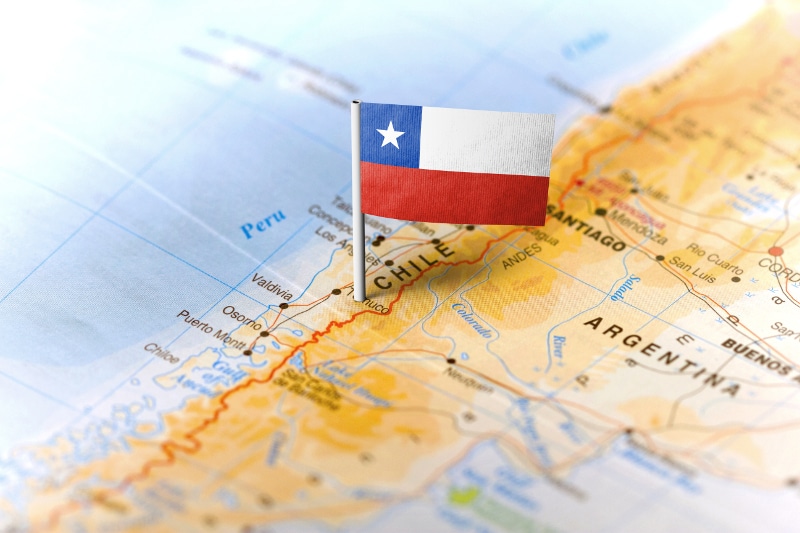
On March 7, Mario Schindler, executive director of ANPROS, participated in a high-level meeting led by Minister of Agriculture Esteban Valenzuela to address the impact of recent U.S. tariff measures […]
Dar Forma al Futuro del Maíz y el Trigo: Innovación, Políticas y Colaboración
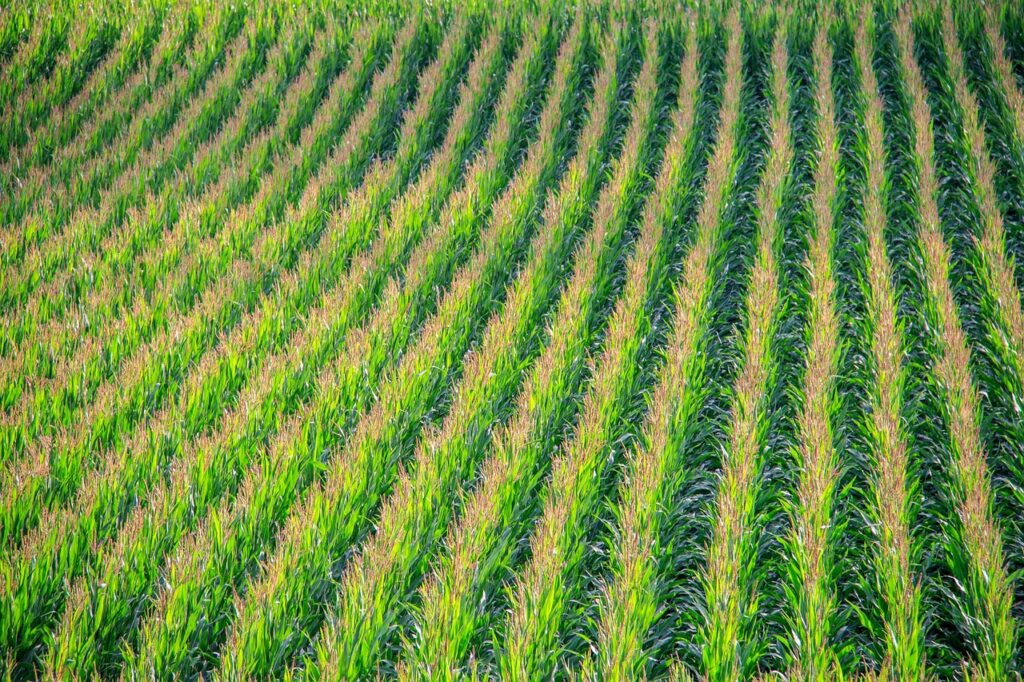
El trigo, el maíz y el arroz son cultivos alimentarios vitales que sustentan la seguridad alimentaria mundial y proporcionan el 50% de la energía alimentaria mundial. Si bien el maíz […]
Field Margins Shift: Agricultural Biodiversity & Climate Change in 10 Years

Scientists from INRAE and ANSES have studied vegetation changes in the margins of 500 agricultural plots across mainland France to assess the impact of climate change and farming practices. Their […]
A Place in the Industry: Victoria Buxton

Victoria Buxton is a seasoned communications professional with 19 years of experience shaping corporate messaging and brand strategy. She currently serves as the Global Corporate Communications Manager at Agrality, where she leads strategic communication efforts across key markets, including Argentina, Brazil, and the United States. Based in Pergamino, Buenos Aires, she is responsible for building and maintaining Agrality’s global presence, managing media relations, and ensuring consistent messaging that aligns with corporate objectives. Her expertise in strategic planning, crisis communication, and stakeholder engagement has been instrumental in strengthening Agrality’s reputation within the agricultural sector. Notably, she played a key role in Agrality’s expansion into Brazil, supporting the company’s acquisition of a new processing plant and enhancing its international visibility.
ANPROS Participa en Debates Clave Sobre las Exportaciones Agrícolas Chilenas a EE. UU.

El 7 de marzo, Mario Schindler, director ejecutivo de ANPROS, participó en una reunión de alto nivel liderada por el ministro de Agricultura, Esteban Valenzuela, para abordar el impacto de […]
USDA Layoffs Disrupt Seed Research and Regulations — Is a Temporary Reinstatement Enough to Keep us Going?

In mid-February 2025, approximately 6,000 probationary employees were dismissed, affecting key research units. For instance, Farm Progress reported that the Forage Seed and Cereal Research Unit in Corvallis, Oregon, lost three of its eight scientists, including experts in research genetics and molecular biology. These layoffs disrupted ongoing projects aimed at improving crop resilience and productivity.
Is the Winter Triticale Train Coming to a Stop? WCI’s Erin Collier Offers Some Insights
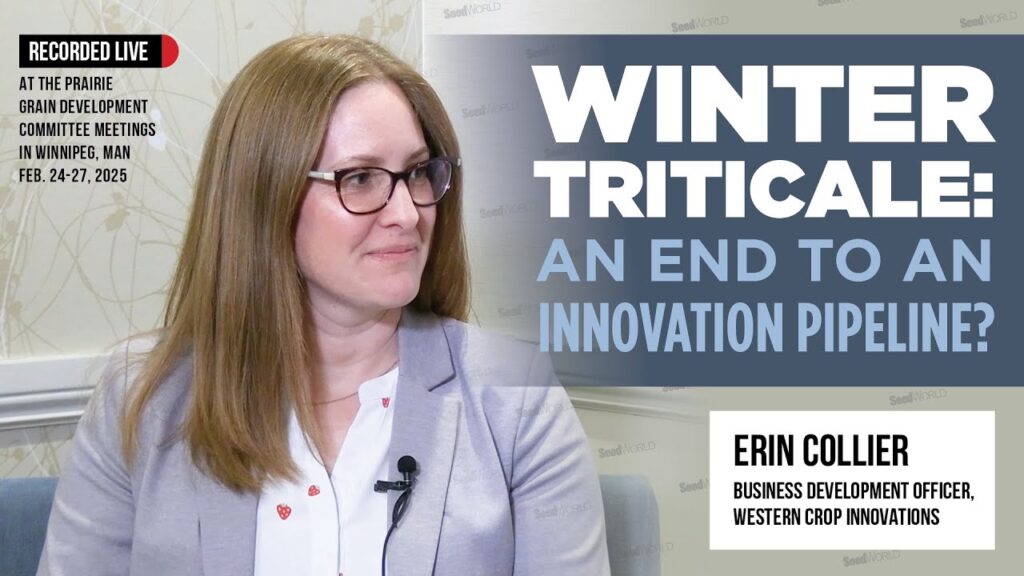
Alberta’s Western Crop Innovations (WCI) is making waves in Canada’s plant breeding sector, marking a year of transformation and growth. As the organization approaches its first anniversary on April 1, […]
Jeff Fletcher Joins Germains Seed Technology as Head of Commercial for North America

Germains Seed Technology has appointed Jeff Fletcher as Head of Commercial, North America. With more than 15 years of sales leadership experience in the agriculture industry, Fletcher brings expertise in […]
Seed World Visits: Sneak a Peek Inside DLF’s Game-Changing New Facility

DLF’s primary production and wholesale distribution site for North America has got the seed industry talking. If you’re curious to see what’s inside, come on in…
ANPROS and INIA Expand Partnership to Advance Agricultural Development

On March 5, ANPROS and the Institute of Agricultural Research (INIA) held a meeting to enhance their collaboration in key areas essential for the country’s agricultural development. Representing INIA were […]
Pioneering Change: Microplastic-free Products for Sustainable Agriculture
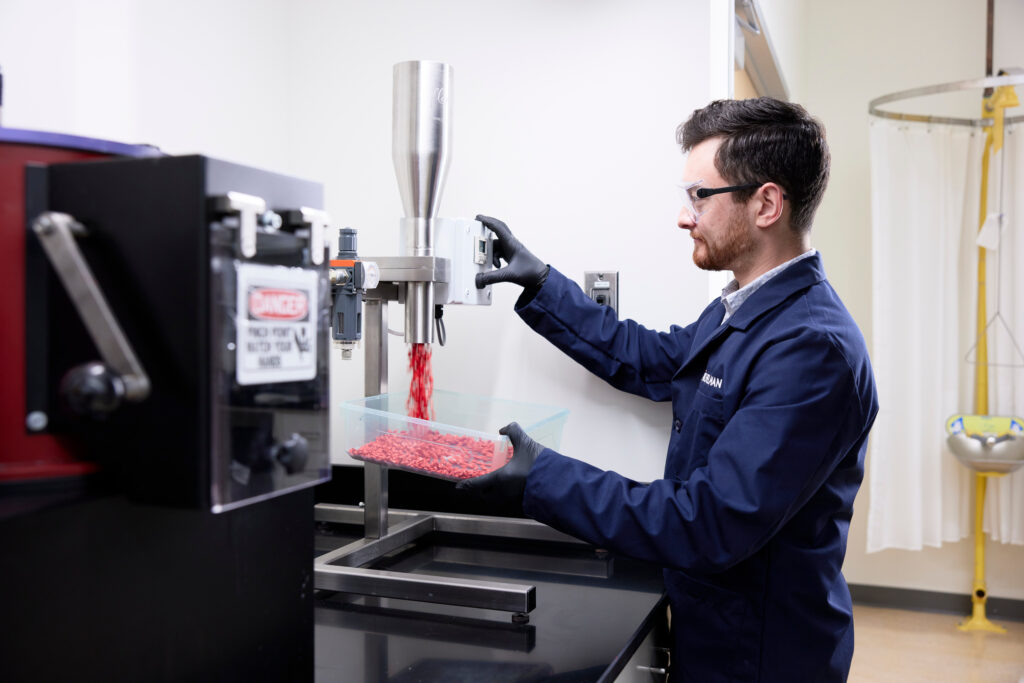
In recent years, the agricultural sector has faced increasing regulatory pressures, particularly in Europe, where microplastics are under scrutiny. The European Chemicals Agency (ECHA) has introduced restrictions through the REACH […]
Launch of the First CPVO Molecular Markers Project for Lettuce

The kick-off meeting for the “International Harmonization and Validation of a SNP Set for Managing the Lettuce Reference Collection” project was held on Feb. 17 and 18. Validated in late […]
Reputation Matters: We Can’t Fake What we do With an Email

I can’t tell you how many times I’d driven past a seed processing facility in Manitoba and thought, I should really stop in there one day. For years, they’d been running […]