

Researchers Develop Soybean Line with Stronger Resistance to Aphids and Mosaic Virus
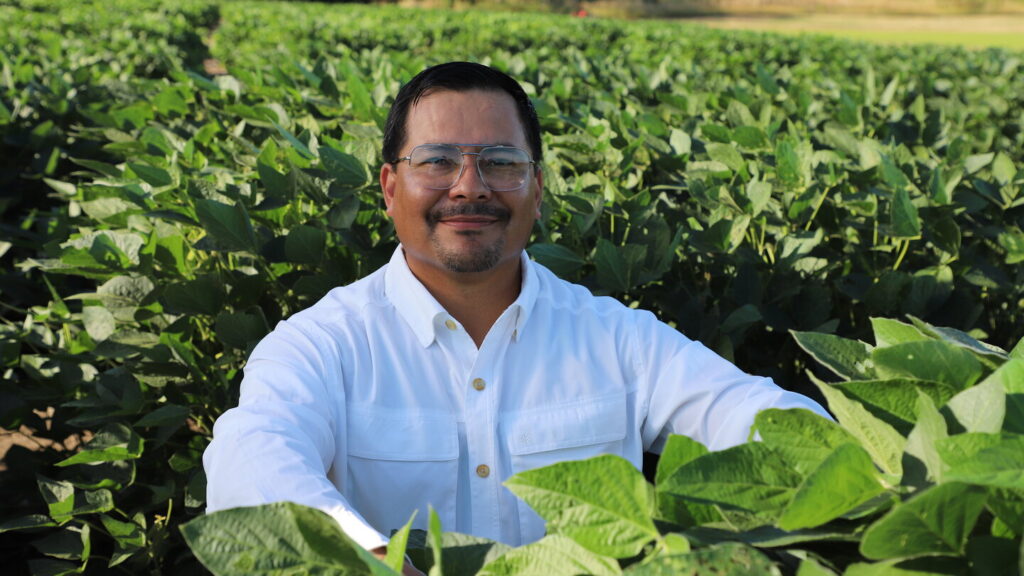
University of Nebraska–Lincoln researchers developed a new soybean line with improved resistance to soybean aphids and soybean mosaic virus, combining Rag2 and Rsv1-h traits to support future breeding and pest management efforts.
Myth vs. Reality: The Cold Truth About the AIM Act
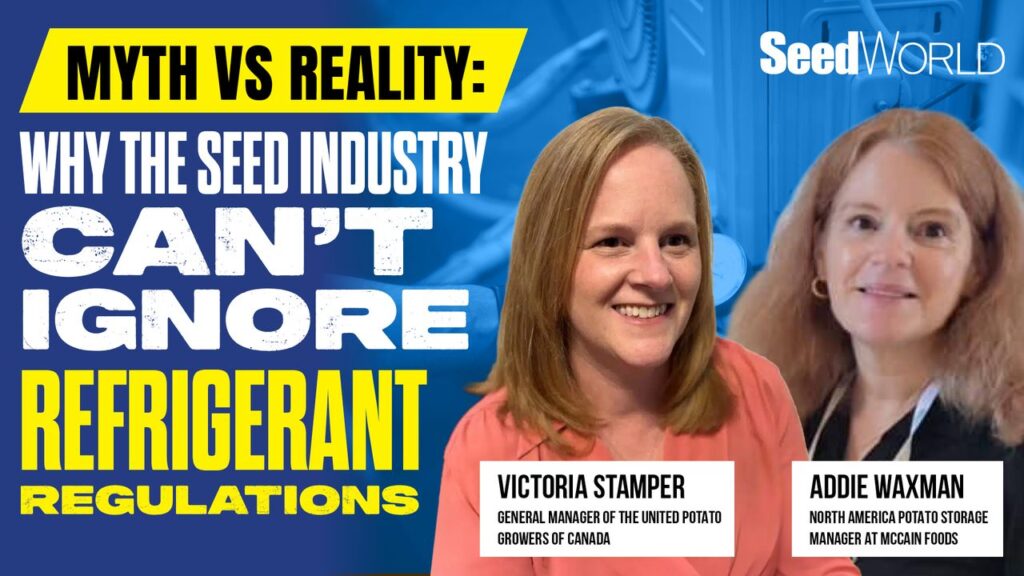
The AIM Act may feel like a 2035 issue, but refrigerant supply, equipment decisions and cold storage planning are already shifting. In this video, Addie Waxman of McCain Foods and Victoria Stamper of United Potato Growers of Canada explain why the seed industry should pay attention now.
La plataforma TomViz abre el acceso a las redes reguladoras de genes del tomate

Un estudio en Plant Communications mapeó la regulación génica del tomate en raíz, hoja, flor, fruto y semilla usando más de 10.000 datasets y aprendizaje automático. Se construyeron redes reguladoras específicas por órgano, confirmando vías de maduración y ABA e identificando nuevos reguladores, como SlGBF3 para estrés hídrico. Las redes están en TomViz, acelerando la mejora de tomates resilientes.
ISF Papers Outline a Roadmap for Climate-Resilient, High-Yield Agriculture

Sustainability in agriculture starts with seed, argue Ben Rivoire and Khaoula Belhaj-Fragnière of the International Seed Federation. New ISF papers highlight how plant breeding innovation boosts yields, resilience and resource efficiency while reducing environmental impact. From climate-resilient varieties to supportive, science-based policy, the seed sector is positioned as a foundation for sustainable, productive and inclusive global food systems.
AAFC Staffing Cuts Spark Concern Across Canada’s Seed and Plant Breeding Sector
Canadian Wheat Research Coalition warns federal job reductions could weaken public plant breeding
When Seed Plant Design is Done Right, ROI Follows
Trust isn’t built in the boardroom. It’s built in real-world decisions that determine whether a plant runs smoothly or sits idle at the worst possible time
Why Wheat Yields in North-West Europe Have Stalled

Wheat yields in north-west Europe have plateaued since the mid-1990s, stabilising around 7–9 tonnes per hectare despite continued genetic gains. Wageningen University & Research analysis combining trials, Dutch farm data and crop modelling finds climate change has not limited yields and has slightly boosted them. The main constraint is on-farm management, with crop rotations and soil impacts leaving 67–114 kg/ha/year unrealised.
Turning Insight into Impact: How phenoLytics Is Redefining Seed Phenotyping
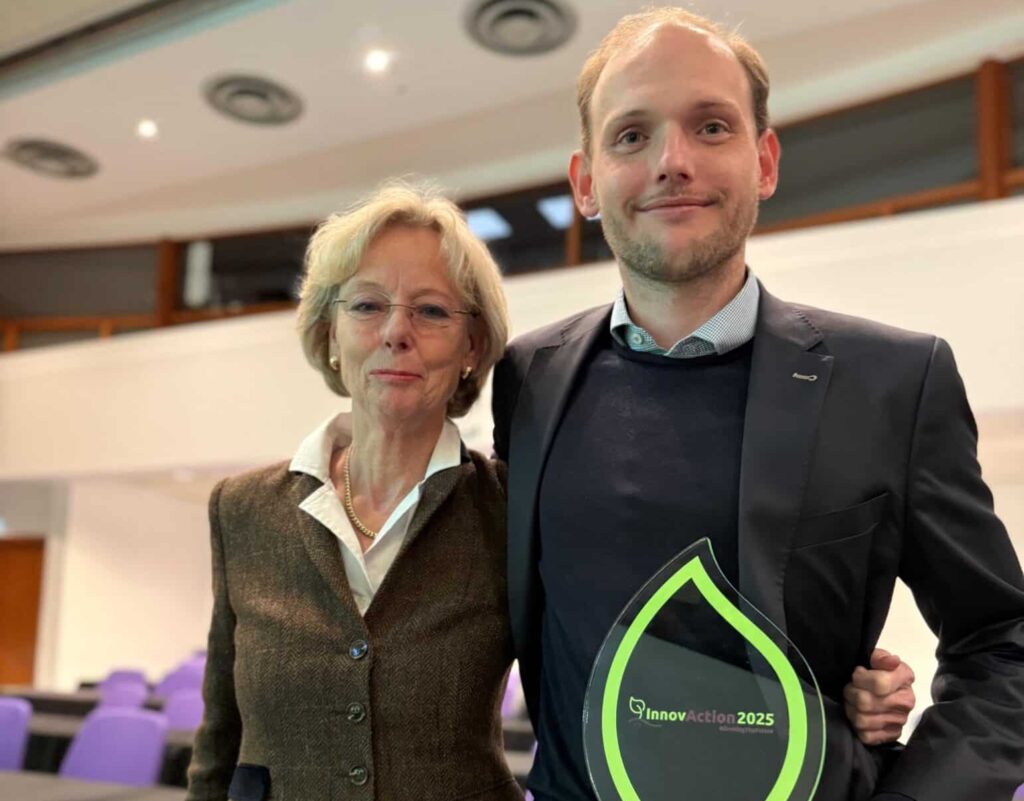
phenoLytics won first prize at the 2025 Euroseeds InnovAction Stage for its high-throughput 3D and 4D X-ray CT seed phenotyping solutions. The technology delivers ground-truth data on seed and seedling quality across the entire value chain, enabling faster, objective decisions in breeding, processing and quality control while reducing waste and unlocking greater genetic and commercial value.
Collaboration Links Genomic Analysis with Regulatory Studies and Field Trials

Staphyt and GenoScreen have signed a collaboration agreement combining genomics, regulatory studies, and field trials for microbial product development. The partnership links genomic characterisation, bioinformatics, laboratory studies, and efficacy trials to support European regulatory requirements for biostimulants and biocontrol solutions, from proof-of-concept through regulatory field validation and market authorisation.
UPDATE: List of AAFC Research Stations Reportedly Being Shuttered Grows
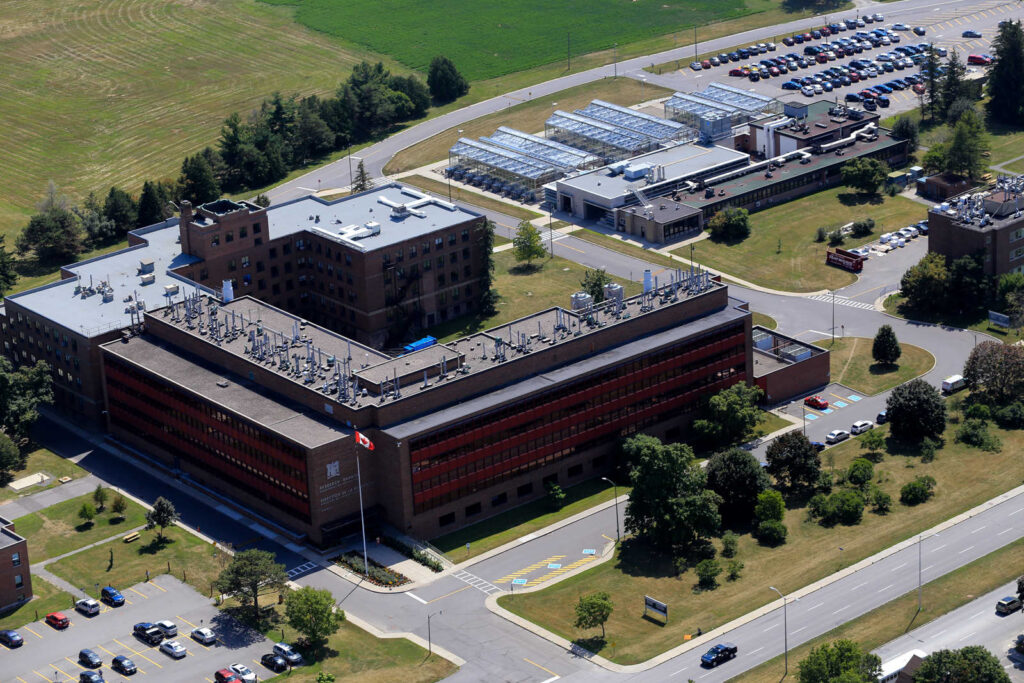
Facilities being shut down in wake of major job cuts include AAFC Lacombe in Alberta and AAFC Indian Head in Saskatchewan
Canada’s Agricultural Innovation is Falling Behind as R&D Spending and Seed Reform Stall
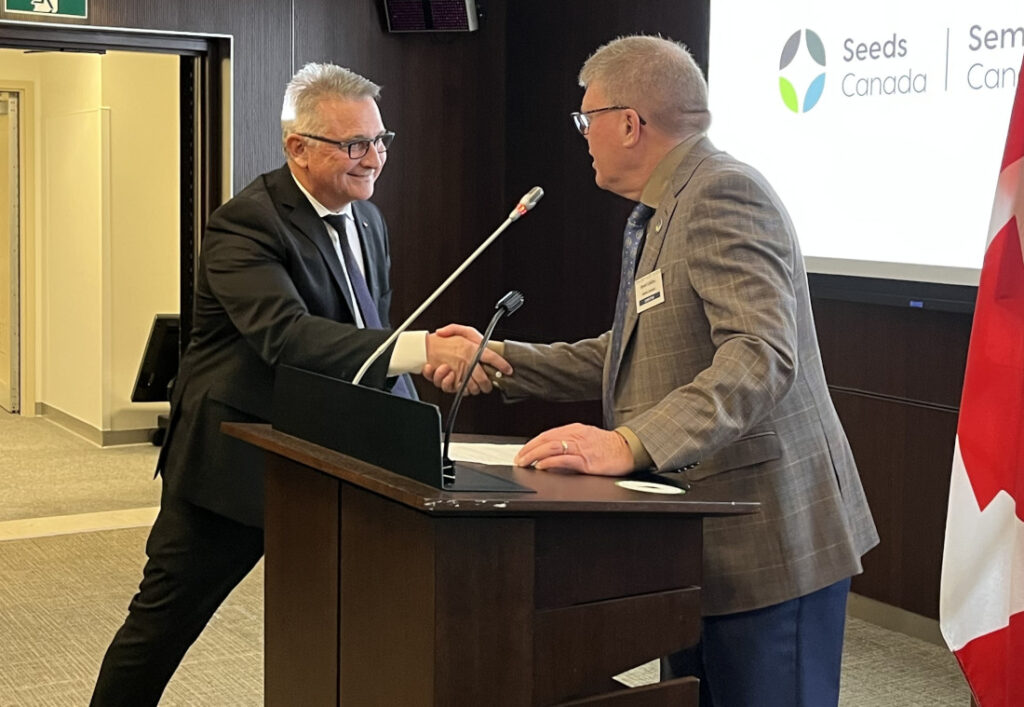
Our seed and plant-breeding systems are stuck in a risk-averse, underfunded loop, experts say
Easing Canada-China Trade Tensions Benefits Canola Developers

Maizex Seeds’ Stephen Denys weighs in on what lifted tariffs mean for exporters, growers, and continued investment in canola genetics
Early Planting Key to Improving Oilseed Yield and Quality, INTA Finds
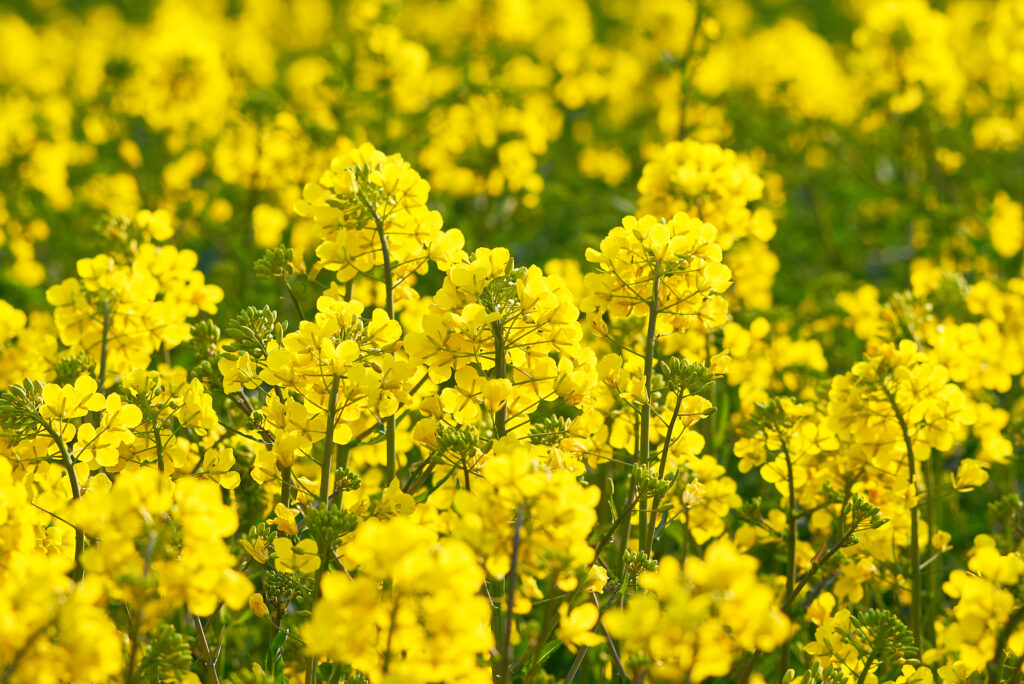
INTA Paraná analyzed grain quality in soybeans, flax, and rapeseed to support food and energy industries. The study measured protein, oil, amino acids, and phosphorus, identifying regional differences and high-value environments. Results guide genetic improvement, crop management, and cultivar selection, boosting biofuel potential, animal nutrition efficiency, and the sustainability of Argentina’s agri-food chains.
Three-Year UK Award Funds Soybean Rust Resistance Research
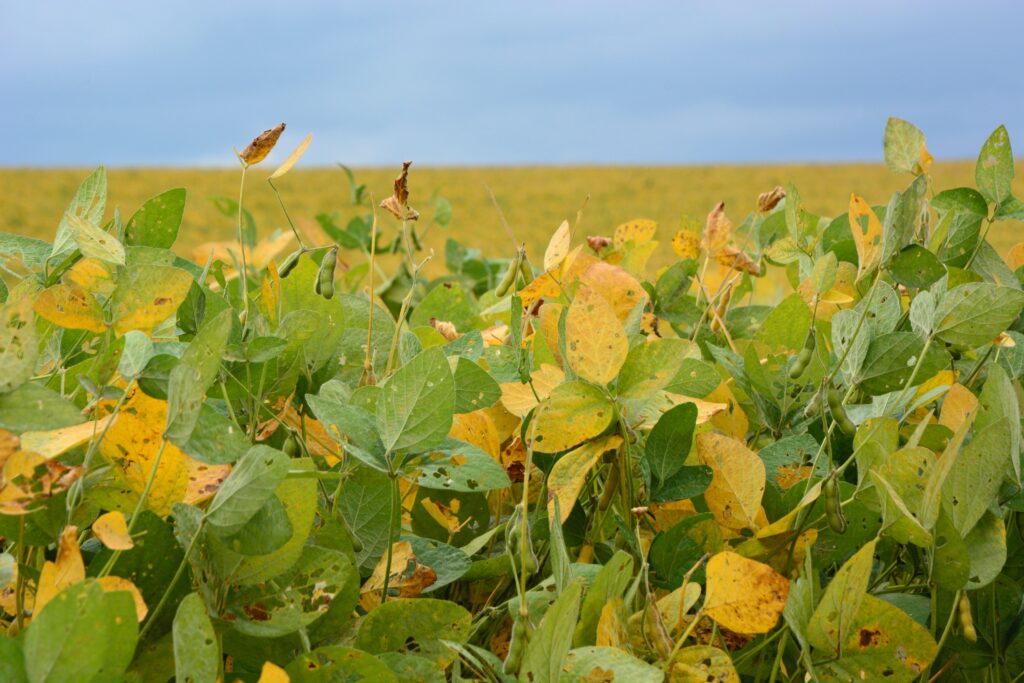
The 2Blades Group at The Sainsbury Laboratory and Bayer won a BBSRC Industrial Partnership Award to develop durable resistance to soybean rust. The £860,000, three-year project will study novel immune gene mechanisms from wild Glycine relatives, aiming to protect soybeans from Phakopsora pachyrhizi, reduce reliance on fungicides, and strengthen breeding pipelines for South America and smallholder farming systems in Africa.
And the Seed World Global Impact Award Goes to…
Drumroll please… The Seed World Global Impact Award 2025 for Best Event across the entire global seed sector has been awarded to the Independent Professional Seed Association (IPSA). Presented to […]
What 30 Years in Seed Testing Teaches You About Innovation and Resilience

Trevor Nysetvold looks back at the 30-year evolution of SGS Canada Crop Science, and why he’s more optimistic than ever about what comes next
Siembra Temprana Clave para Mejorar el Rendimiento y la Calidad de las Oleaginosas, Según el INTA

INTA Paraná estudió la calidad de granos de soja, lino y colza para fortalecer las industrias alimentaria y energética. El trabajo evaluó proteínas, aceites, aminoácidos y fósforo, detectando diferencias regionales clave. Los resultados orientan el mejoramiento genético, el manejo agronómico y la selección de cultivares, impulsando biocombustibles, nutrición animal y la sustentabilidad agroindustrial.
Adding a New Wing to Pollination: How Polyfly Is Putting Hoverflies to Work
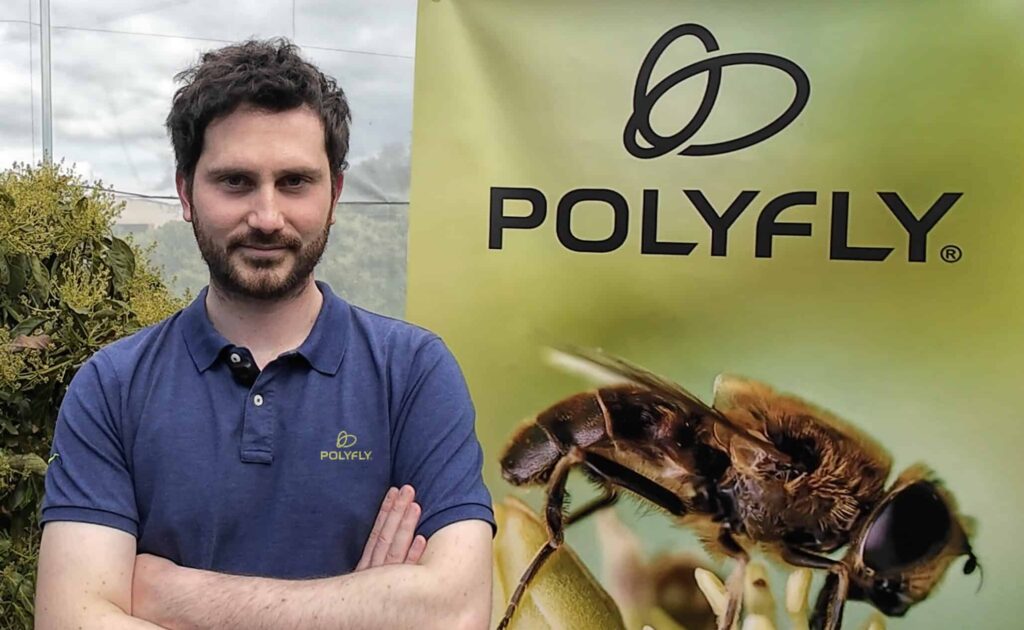
For decades, seed production relied almost exclusively on bees for managed pollination. Polyfly is rethinking that model by industrializing the mass rearing of hoverflies as an alternative pollinator. Recognized at the 2025 Euroseeds InnovAction Stage, Polyfly offers breeders and seed producers a flexible, resilient and scalable pollination solution that improves yield reliability across diverse crops and growing conditions.
Supreme Court Takes Up Key Roundup Case

The U.S. Supreme Court has agreed to review the Durnell Roundup case, a decision that centers on federal preemption and conflicting lower court rulings in glyphosate litigation. The Court is expected to issue a decision during its 2026 session, with implications for how federal pesticide labeling requirements are applied in state courts.
ABRATES Releases Free Digital Reference on Seed Pathology
Abrates, through its Seed Pathology Committee (Copasem), released the free digital book Seed Pathology: Basic Science, Brazil’s most comprehensive reference on the topic. With 13 chapters by 50 experts, it strengthens seed health standards, diagnostics, and disease management, supporting sustainable agriculture, regulatory rigor, and professional training across the seed production chain.
How Being Apolitical Could be Your Company’s Superpower

“Whose side are you on, anyway?!” explores how increasing political polarization affects businesses. It argues that aligning too closely with political parties can dilute brand identity, alienate customers, and undermine long-term influence. By remaining apolitical and focused on core business issues, companies can adapt as political positions shift and protect customer trust.
Canada-China Trade Reset Signals New Opportunities for Canadian Seed and Canola Exports

Renewed engagement, tariff relief and ongoing dialogue with China are being welcomed as exporters look for stability and market predictability
Discussions to Modernize International Treaty on Plant Genetic Resources Fail: What’s Next?

Lima, Peru marked a missed opportunity to modernize the FAO International Treaty on Plant Genetic Resources. High hopes to address digital sequence information, benefit-sharing, and access reforms collapsed into stalemate. With negotiations halted, the seed sector warns that growing sovereignty disputes and policy inertia threaten global cooperation, biodiversity conservation, and future food security.
ABRATES lanza una referencia digital gratuita sobre patología de semillas
Abrates, a través del Comité de Patología de Semillas (Copasem), lanzó el libro digital gratuito Patología de Semillas: Ciencia Básica, la obra más completa en Brasil sobre el tema. Con 13 capítulos y 50 especialistas, refuerza la sanidad de semillas, los diagnósticos y el manejo de enfermedades, impulsando la sostenibilidad, la estandarización y la capacitación en la cadena semillera.
What if Ocular Grain Grading Could be Faster, More Accurate, and Objective?
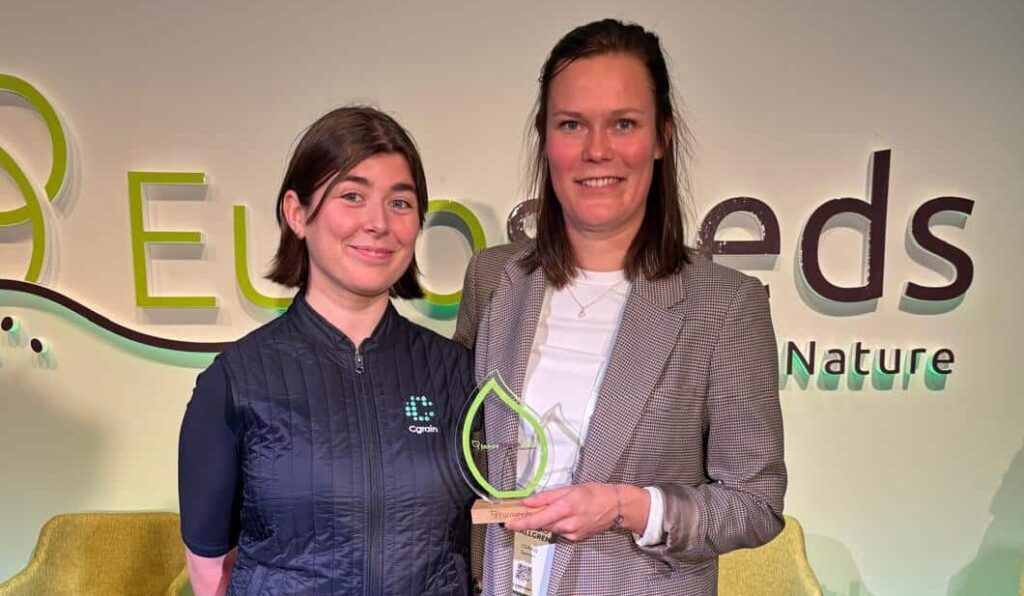
Cgrain and Lantmännen are modernizing grain grading with AI-driven image analysis that automates ocular inspection. A patented V-shaped mirror and camera capture 90%+ of each kernel’s surface to detect defects, measure size and weight, and standardize results. Trained on global image datasets, the system delivers objective, reproducible quality control and can sort kernels into accept/reject streams to boost high-quality yield.
Three Big Takeaways from #IPSA2026
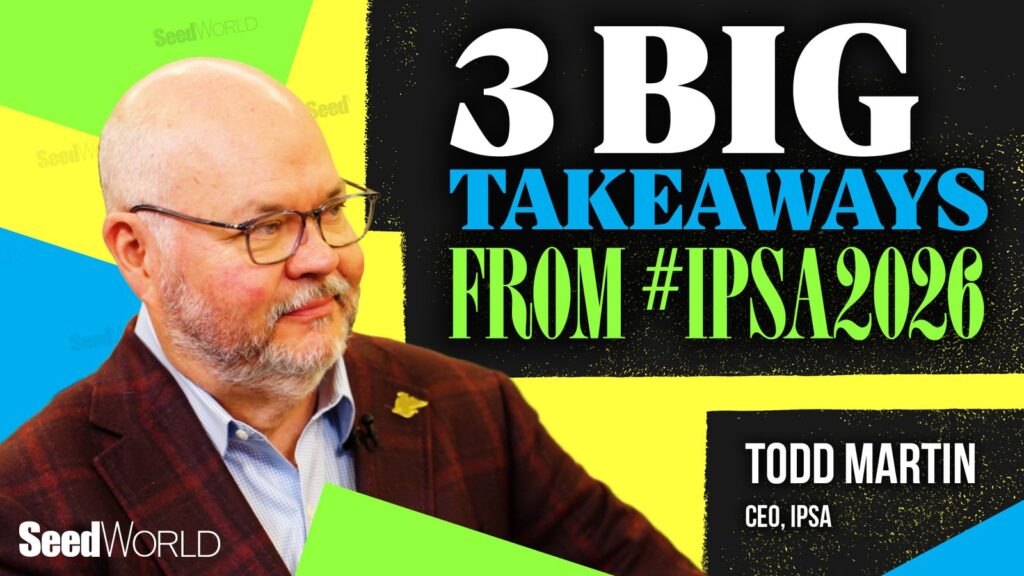
IPSA CEO talks about the shift in the independent seed space. The word carried a lot of weight at the 2026 conference. This video explores the shift in focus.
“Here’s What I Heard at #IPSA2026” – Cat Frans, IPSA COO
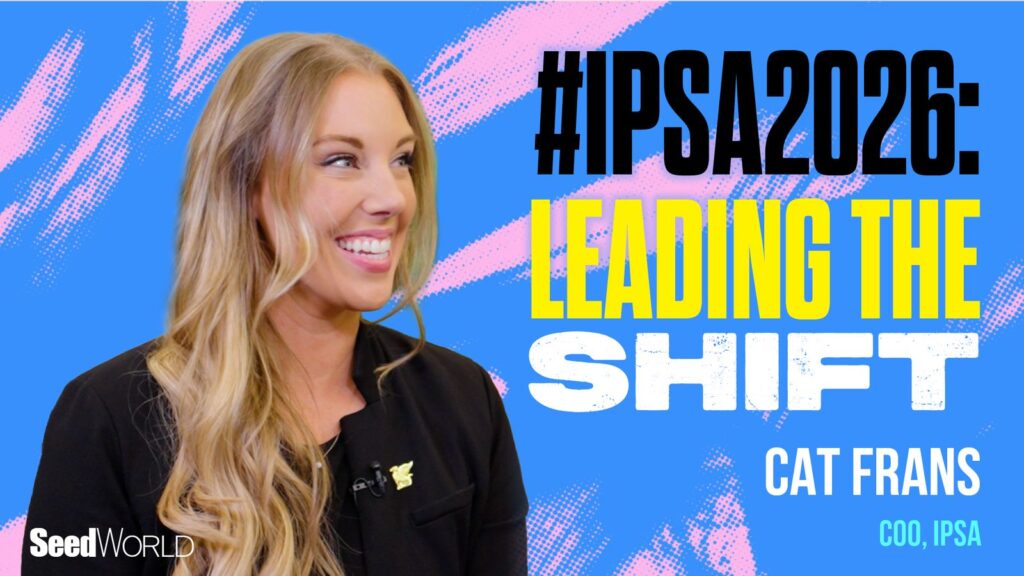
IPSA’s Cat Frans talks about the conversations that are pushing the seed industry forward.
Canada Secures Major Canola and Agriculture Trade Breakthrough in New China Partnership

The agreement follows Prime Minister Mark Carney’s visit to Beijing this week — the first by a Canadian prime minister since 2017
Over Coffee: Candid Chat with IPSA’s Incoming & Outgoing Presidents

Scott Sanders wraps up his time as Independent Professional Seed Association President and Aaron Conaway steps into the hot seat.
Understanding Hybrid Canola Seed Testing and Performance Prediction
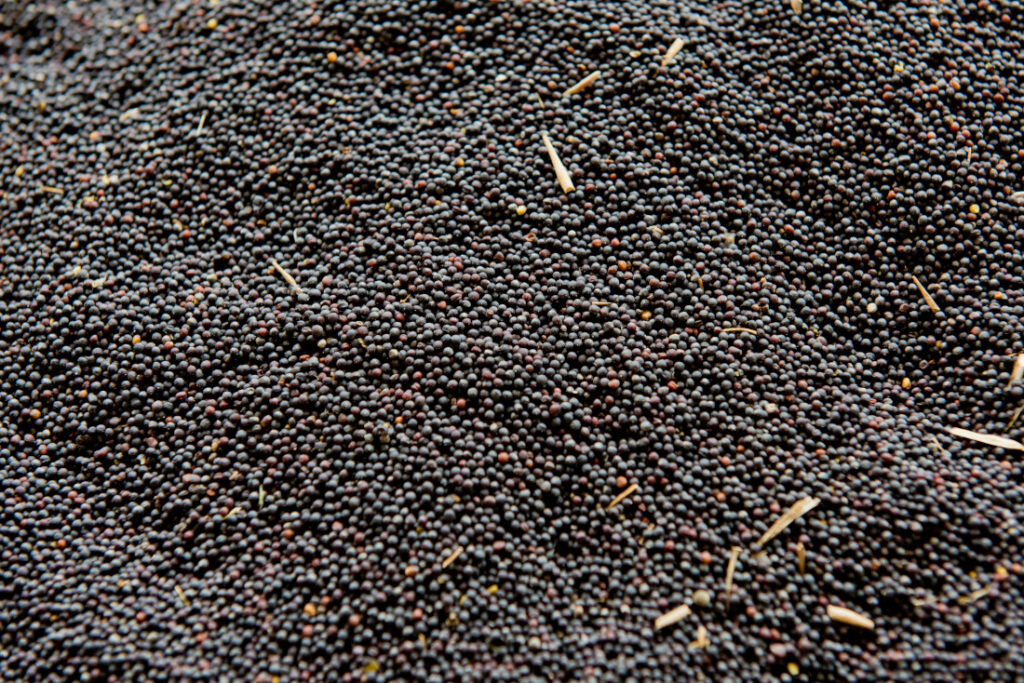
Hybrid canola seed testing has evolved into something fundamentally different from testing most other crops
How Triticale Cultivars Support Better Vetch Performance in Service Crops
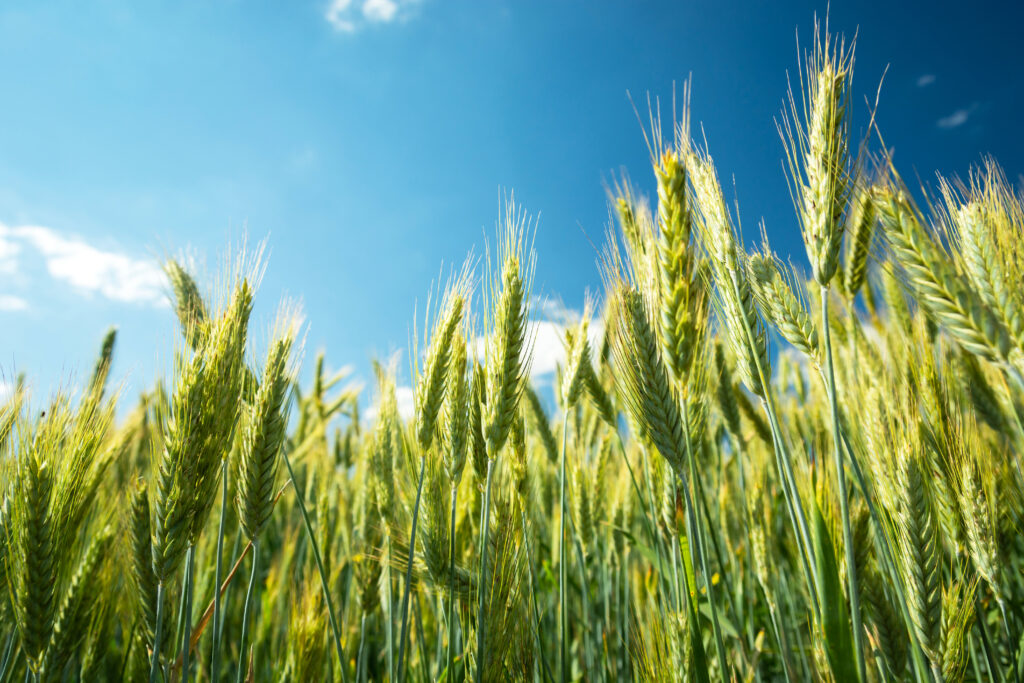
INTA Bordenave developed two new triticale varieties, Justo INTA and Dardo INTA, combining wheat productivity with rye rusticity. Designed for forage and service crops, they deliver higher biomass, disease and pest resistance, and better adaptation to Argentine conditions. These cultivars improve grazing, silage performance, and crop rotations, enhancing sustainability and production efficiency across diverse farming systems.
Researchers Discover Hidden “Early Warning” System in Plant Immune Response
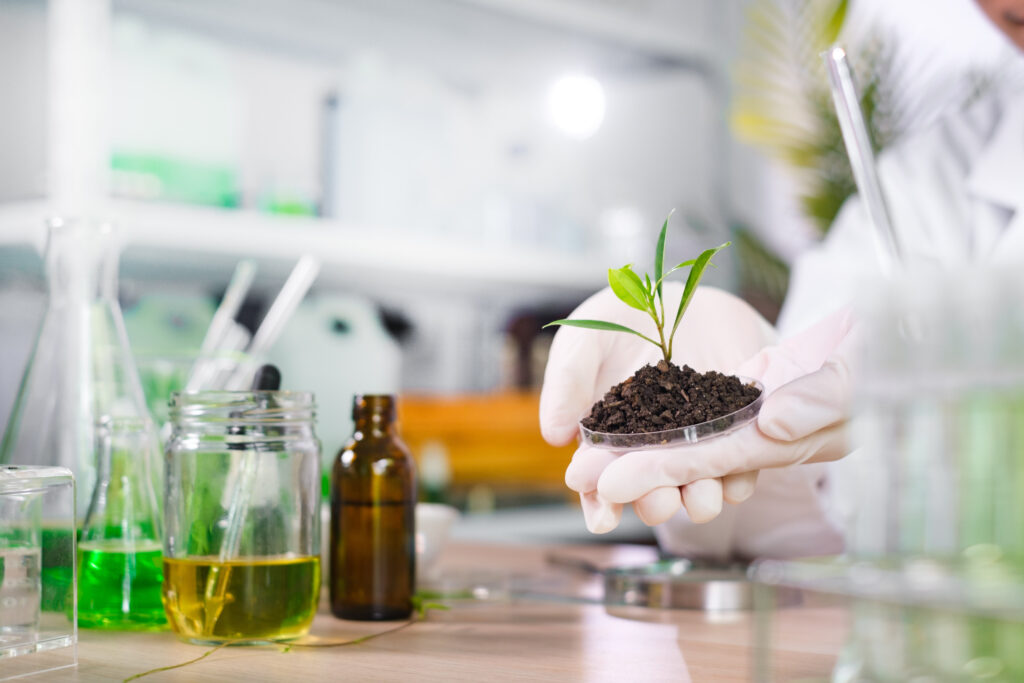
University of Warwick researchers have identified a rapid, jasmonate-driven early immune response that activates systemic acquired resistance (SAR) within hours of infection. Published in Nature Plants, the study used a new live-imaging reporter, JISS1:LUC, to track fast immune signals spreading to uninfected leaves before salicylic acid defences build. The discovery could support new crop protection strategies to reduce disease spread and yield loss.
Filmmaker Hidde Boersma: Why High-Yield Innovation Belongs at the Centre of Sustainability

This two-part interview with Dutch science journalist and filmmaker Dr. Hidde Boersma examines how a 1970s “harmony with nature” narrative came to define sustainability by promoting less growth and less technology. Boersma argues this mindset undermines high-yield agriculture, plant breeding and food security, and makes the case for a more inspiring sustainability story based on innovation, abundance and land-sparing solutions.
CornPheno Uses AI to Measure Corn Ear Traits with a Smartphone

CornPheno is a smartphone-based AI system that measures key corn ear traits—kernels per ear, rows per ear and kernels per row—directly in field conditions. Developed by Hao Lu’s team and reported in Plant Phenomics (15 October 2025), it outperformed several counting models and maintained strong accuracy outdoors. Integrated into the WeChat-based OpenPheno mini-program, CornPheno supports faster, lower-cost phenotyping for corn breeding and research.
Cómo los cultivares de triticale contribuyen a un mejor rendimiento de la veza en cultivos de servicio
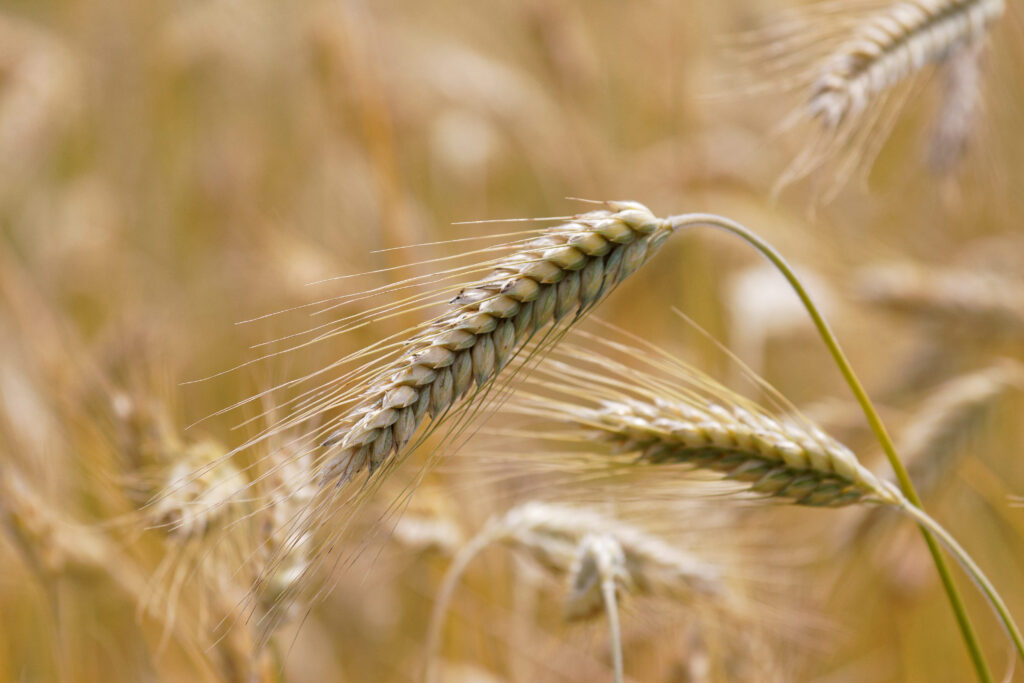
INTA Bordenave desarrolló dos nuevas variedades de triticale, Justo INTA y Dardo INTA, que combinan la productividad del trigo con la rusticidad del centeno. Orientadas a forraje y cultivos de servicio, ofrecen mayor producción de biomasa, resistencia a enfermedades y plagas, y amplia adaptación. Mejoran el pastoreo, el silaje y la sustentabilidad de los sistemas productivos.
What’s Next for Canadian Seed? Doug Miller Weighs in as he Exits CSGA

Miller’s tenure has coincided with some of the most consequential changes in Canadian seed policy in decades, most notably seed regulatory modernization