
What We Carry Forward

Innovation may move faster than ever, but bringing it into the real world still takes experience, relationships and attention to the details that make progress possible.
Can AI Help Plant Breeders Outrun Climate Change?
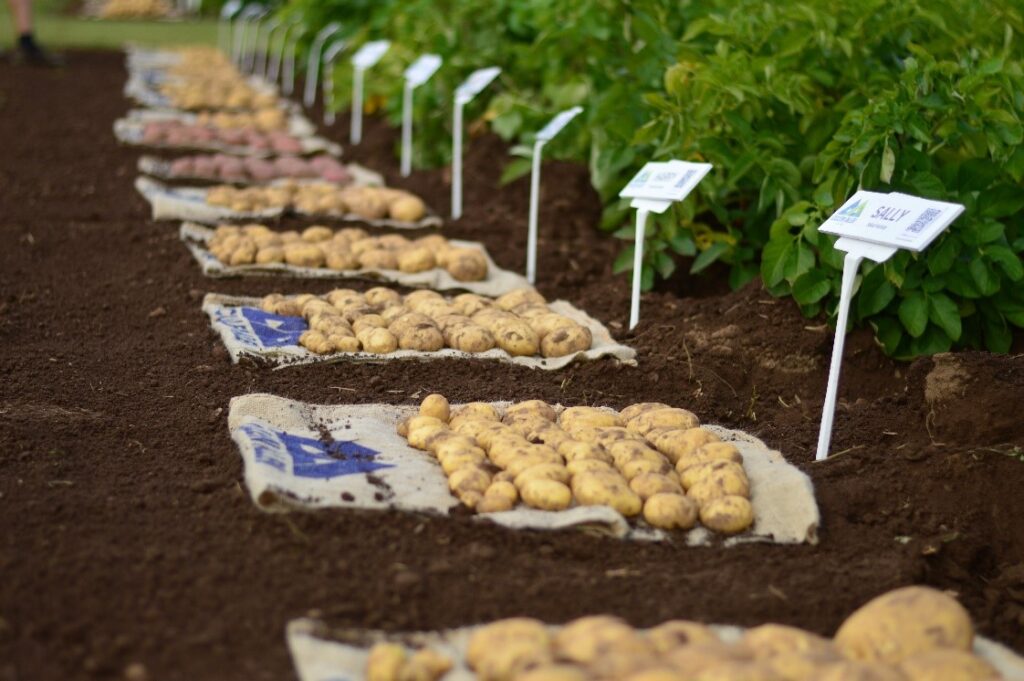
A new global research partnership, GAIN-RT, will combine artificial intelligence, genomics, gene editing and field research to accelerate the development of climate resilient potatoes and other root and tuber crops for farmers facing climate change, pests and disease.
When Action is the Only Option | On The Brink: Season 2 – Episode 16

The closure of the Indian Head Research Farm drew objections from across
the sector in January. None of them changed the outcome. Chris Barker and
Nick Petruic of SaskSeed stopped writing letters and offered to help run
the place instead.
AI is Changing The Way Breeders Make Decisions
AI in crop breeding is helping researchers analyze germplasm, predict crosses, select genes and make faster breeding decisions. See where the technology is headed.
Is Canada’s Variety Registration System Slowing Seed Innovation?

Canada’s variety registration system helped build confidence in Canadian seed. But breeders, farmers and seed companies say parts of it may now be slowing genetic progress
How Rigorous R&D Delivers Outstanding Soybean Yield and Operational Performance
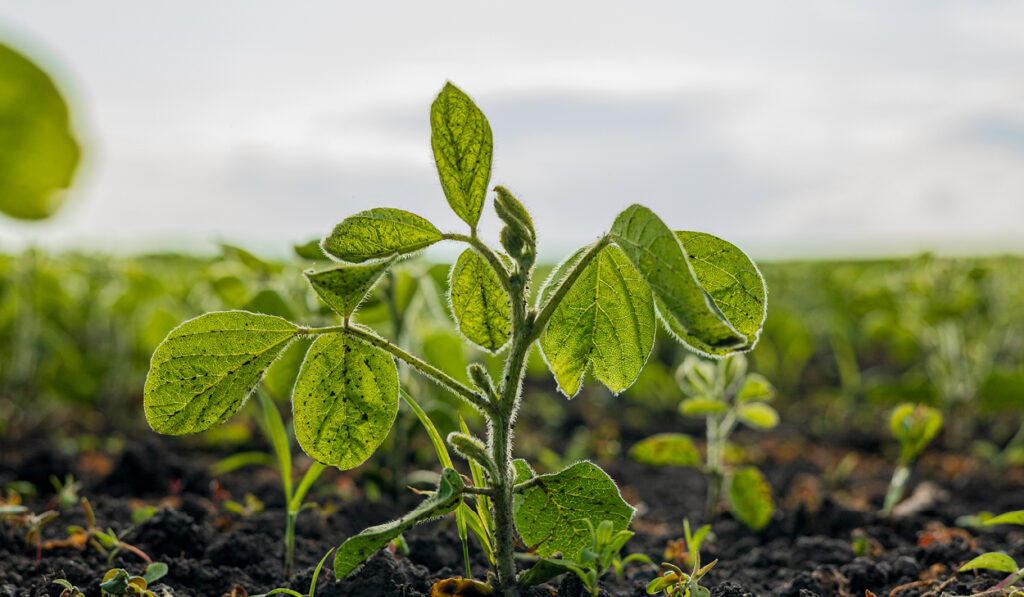
Lumisena Prime combines four fungicides and one insecticide in a single premix designed to protect soybean seedlings from early-season threats. Corteva says the treatment also improves dry-down, plantability and operational efficiency for seed retailers and growers.
Tomato Gene Could Improve Crop Drought Recovery

Tomato gene SlbHLH70 helped plants survive drought and recover after rewatering by coordinating hormone signalling, stress responses and root development. The findings could give breeders a new target for developing more drought-resilient crop varieties.
Seed Sector 2045: Why Public Trust Matters for Plant Breeding Innovation
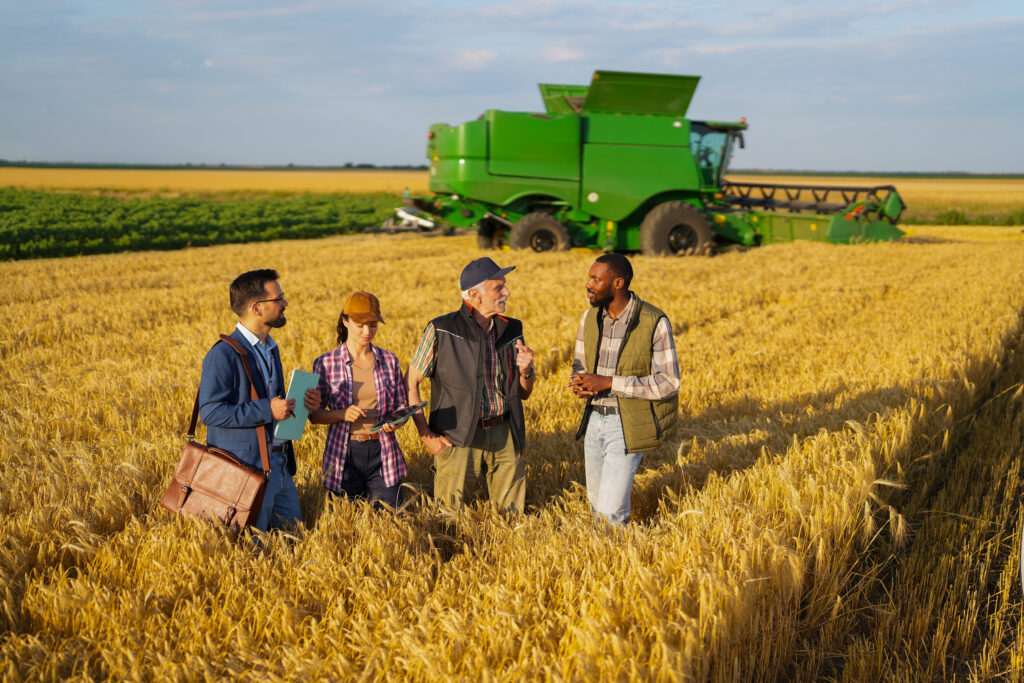
Plant breeding innovation in Europe depends on more than science and regulation. As NGTs move closer to approval, public trust, social licence, transparency and misinformation are becoming strategic issues for the seed sector.
Inside The Hidden Bottleneck Slowing Seed Shipments Across America

Seed labeling rules can change from state to state. The Oregon Seed Association’s Seed Labeling Database gives companies one place to compare requirements, catch errors and navigate compliance before seed ships.
The Best Partnerships Don’t Sell Machines. They Build Better Ones

I first met the Nexeed team about 12 years ago. Back then I was a field technician with Cimbria, installing optical sorters in seed processing plants around the world. Canada […]
Canada’s Plant Breeding Future Depends on People, Not Just Funding
As Canada rethinks its breeding ecosystem, researchers like Yue Yu show why the next model must make room for innovation and a new generation of breeders
Breeding More Into Cottonseed

From nematode resistance that protects yield to gene silencing that could open new food and feed markets, cotton breeders and researchers are asking genetics to deliver more.
Gene Discovery Could Unlock Hidden Crop Traits

Crop traits for disease resistance, yield and climate resilience may become easier for breeders to access after researchers identified three genes that suppress recombination in chromosome regions where useful genetic variation has often remained out of reach.
Leaf Wax Signals Could Help Fight Crop Disease
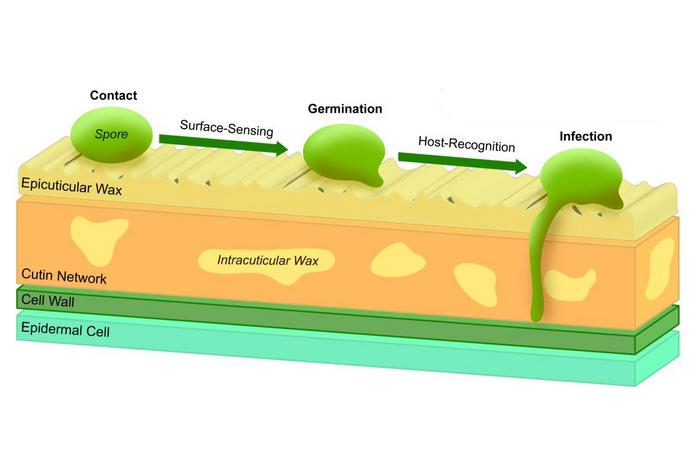
Researchers are investigating how fungal pathogens recognise plant surfaces, opening the door to crop-protection strategies that disrupt infection before it begins. The waxy surface of a crop leaf could hold […]
Plant Breeding’s Future Depends on More Than Science
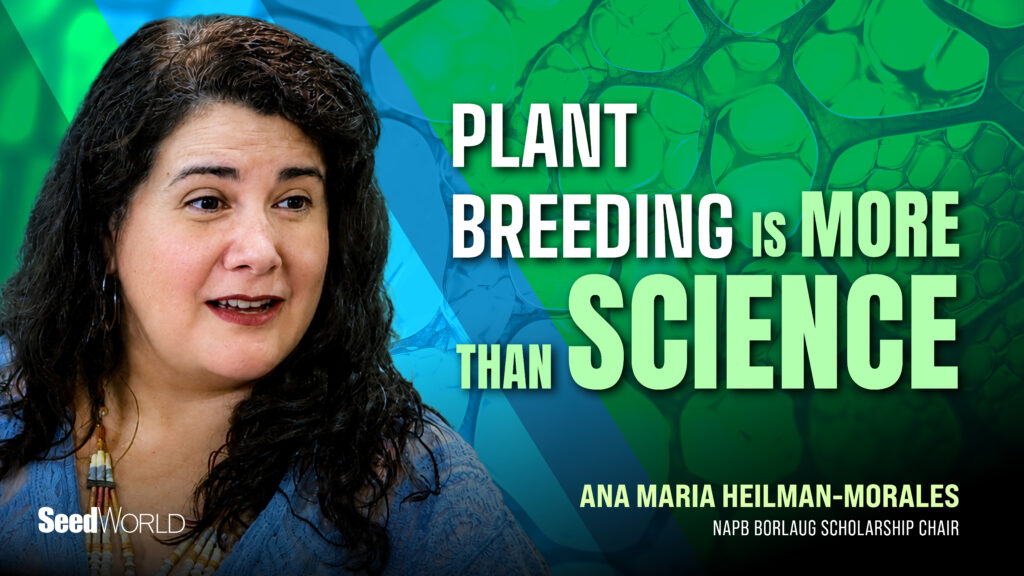
The future of plant breeding needs more than technical skill. Ana Maria Heilman-Morales explains why mentorship, service and courage matter.
Why Seed Testing Still Needs Registered Seed Technologists (RSTs)
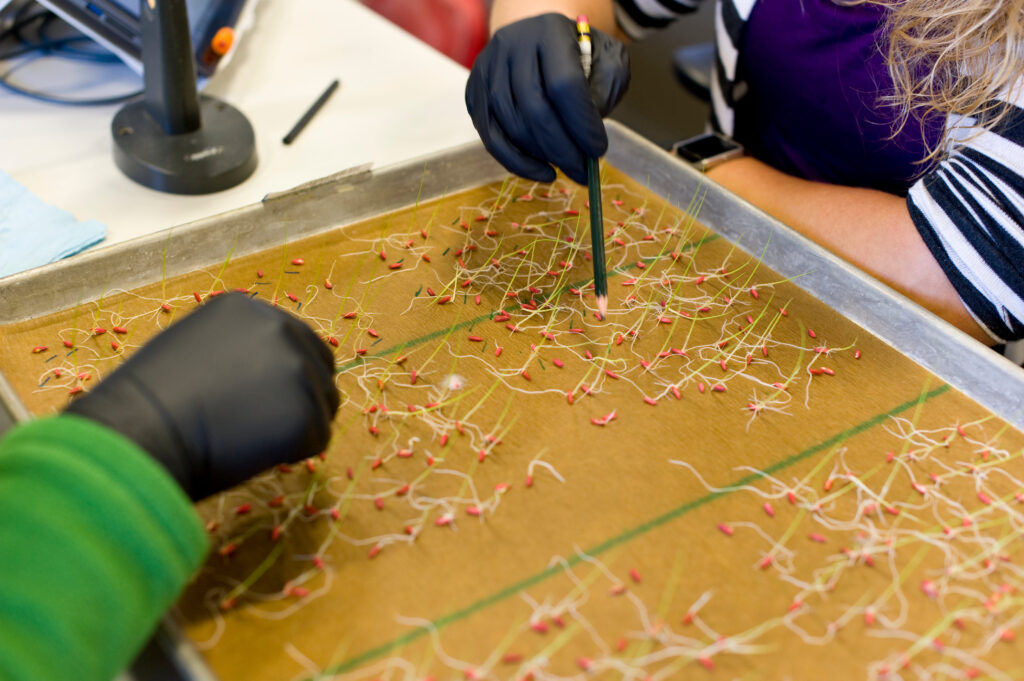
Registered Seed Technologists play a critical role in seed testing by applying trained judgment, regulatory knowledge and hands-on experience. Their expertise helps customers understand test results, identify potential issues and make informed decisions about seed lots.
Building an Ecosystem Instead of a Blueprint | On The Brink: Season 2 – Episode 15
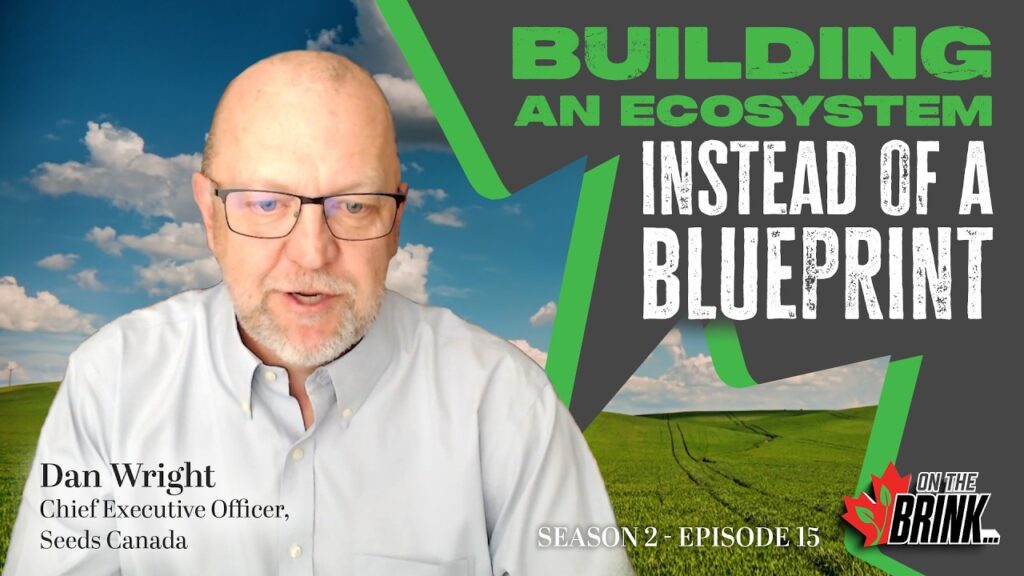
Dan Wright says there is no master plan for Canadian plant breeding. It is an ecosystem. The vision exists; the conditions for it do not yet.
Malin Nilsson Takes the Lead at Sweden’s SVUF
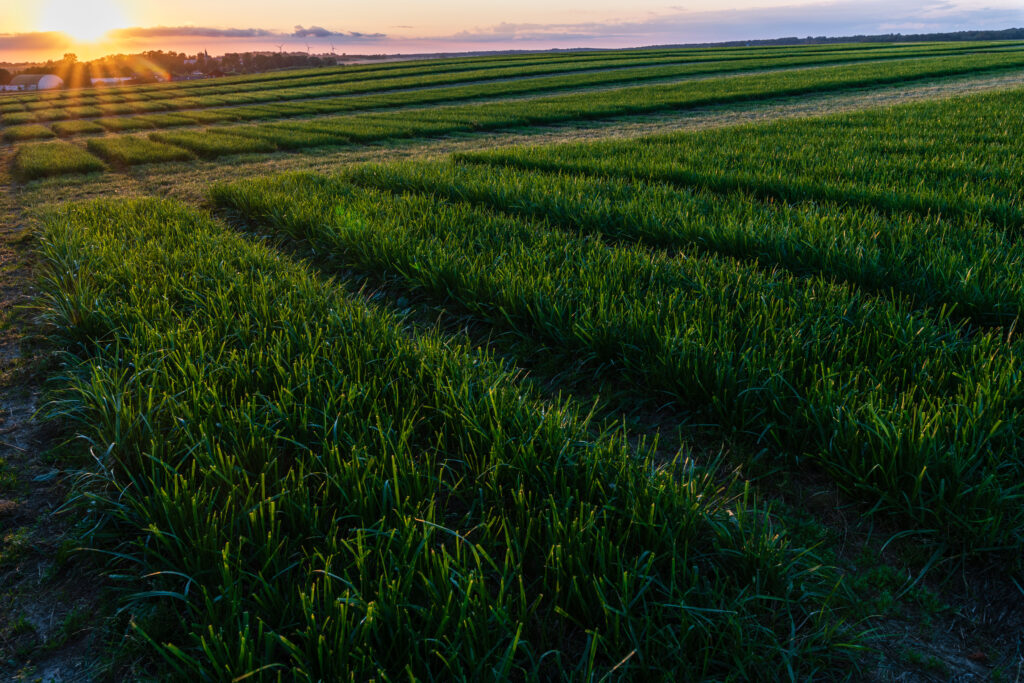
Malin Nilsson reflects on taking over as secretary general of SVUF, the distinctive needs of Sweden’s seed sector, and the European policy issues shaping plant breeding, farm saved seed and variety protection.
Built on Trust, Ready to Grow
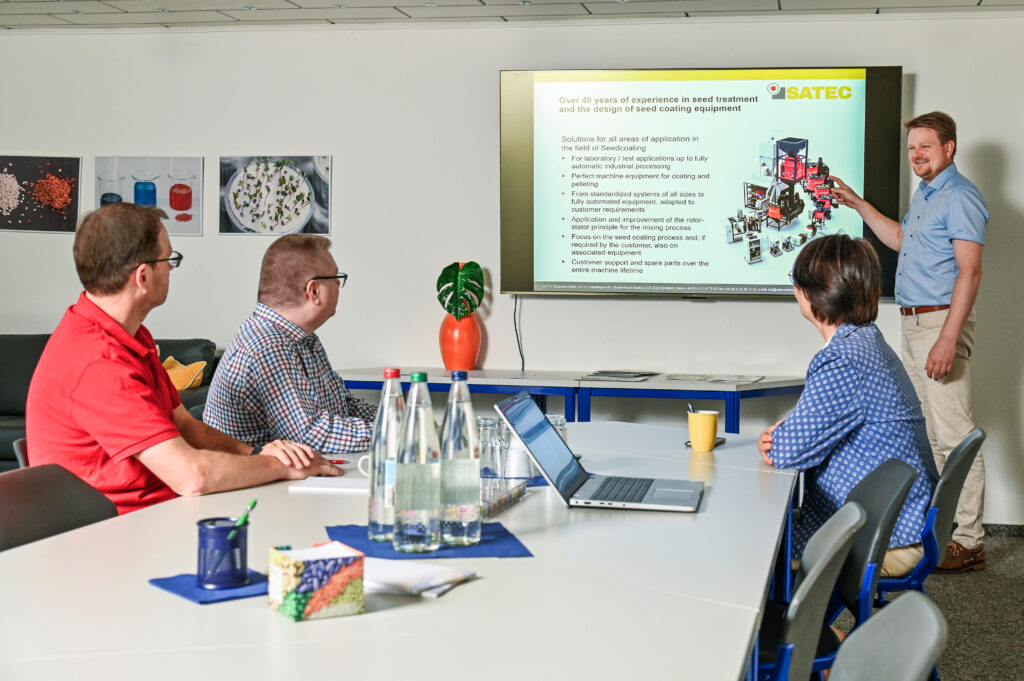
SATEC Equipment’s new managing director Robin Kleinwort is carrying forward the company’s customer-first culture while focusing on intentional growth, expanded global partnerships and continued innovation in seed coating, pelleting and treatment systems.
Built on Trust, Ready to Grow
SATEC Equipment’s new managing director Robin Kleinwort is carrying forward the company’s customer-first culture while focusing on intentional growth, expanded global partnerships and continued innovation in seed coating, pelleting and treatment systems.
Built on Trust, Ready to Grow
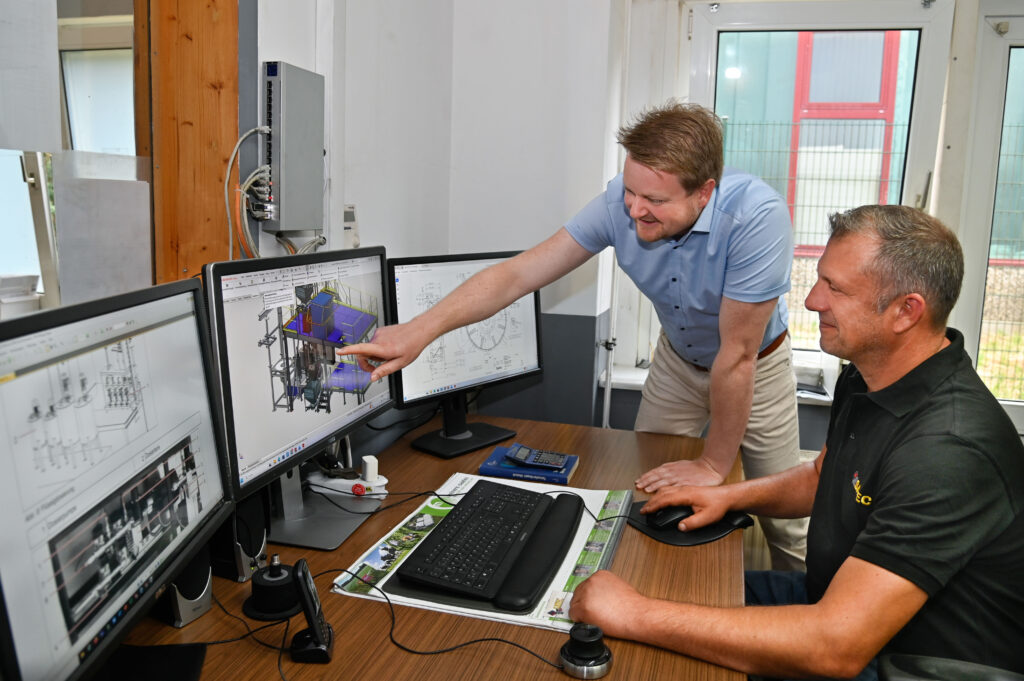
SATEC Equipment’s new managing director Robin Kleinwort is carrying forward the company’s customer-first culture while focusing on intentional growth, expanded global partnerships and continued innovation in seed coating, pelleting and treatment systems.
Built on Trust, Ready to Grow
SATEC Equipment’s new managing director Robin Kleinwort is carrying forward the company’s customer-first culture while focusing on intentional growth, expanded global partnerships and continued innovation in seed coating, pelleting and treatment systems.
Butter-Optional Popcorn
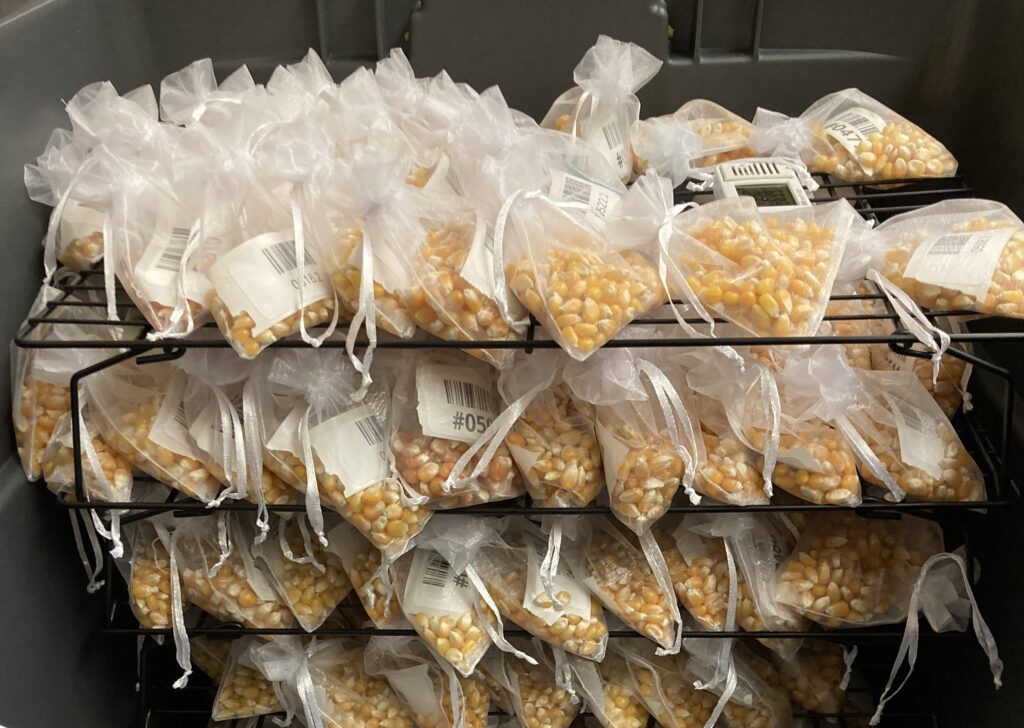
Illini SuperPop started as a University of Illinois genetics project and grew into a new savory popcorn hybrid designed for flavor, field performance and education.
The Future of Plant Breeding Could Begin Before the Field Trial
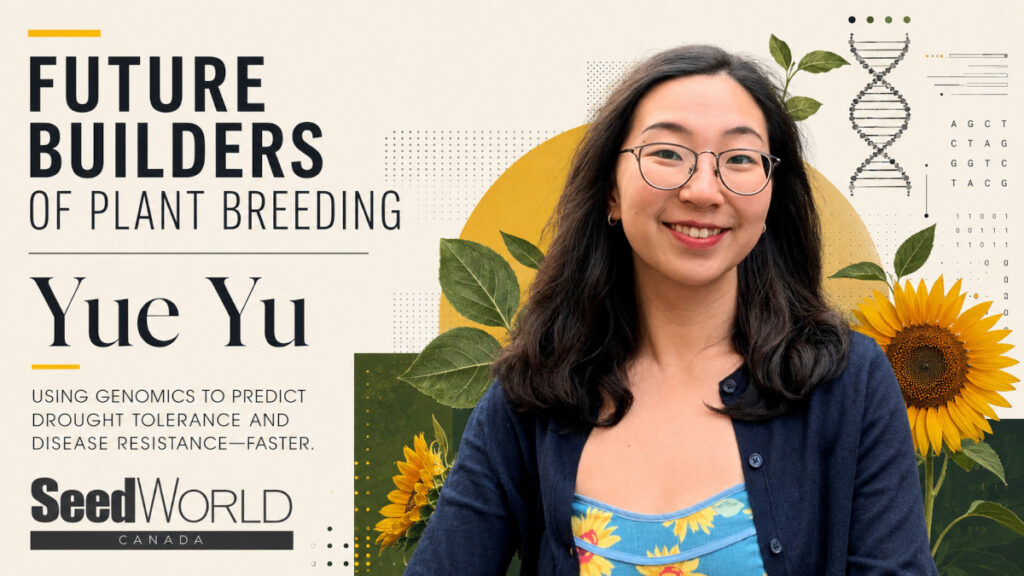
Ask Yue Yu what she wants to do in her career, and the answer is short: apply genomics to solve real-world problems in plant breeding
Crop Impacts Concentrated on One-Third of Farmland

Crop impacts on biodiversity loss and natural carbon storage are highly concentrated, according to new global mapping that links environmental pressure to specific crops, livestock products and regions where targeted action could deliver the largest gains.
Maize Sugar Transporters Point to Male-Sterile Lines
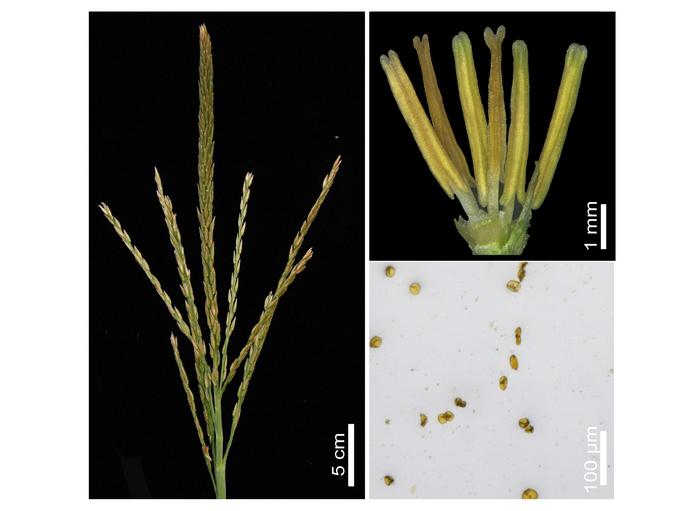
Maize sugar transporters ZmSWEET6a and ZmSWEET6b play key roles in pollen-wall formation and anther cell balance, according to new research that could support development of male-sterile lines for more efficient hybrid seed production.
UK Researchers Target Drought-Resilient Vegetables
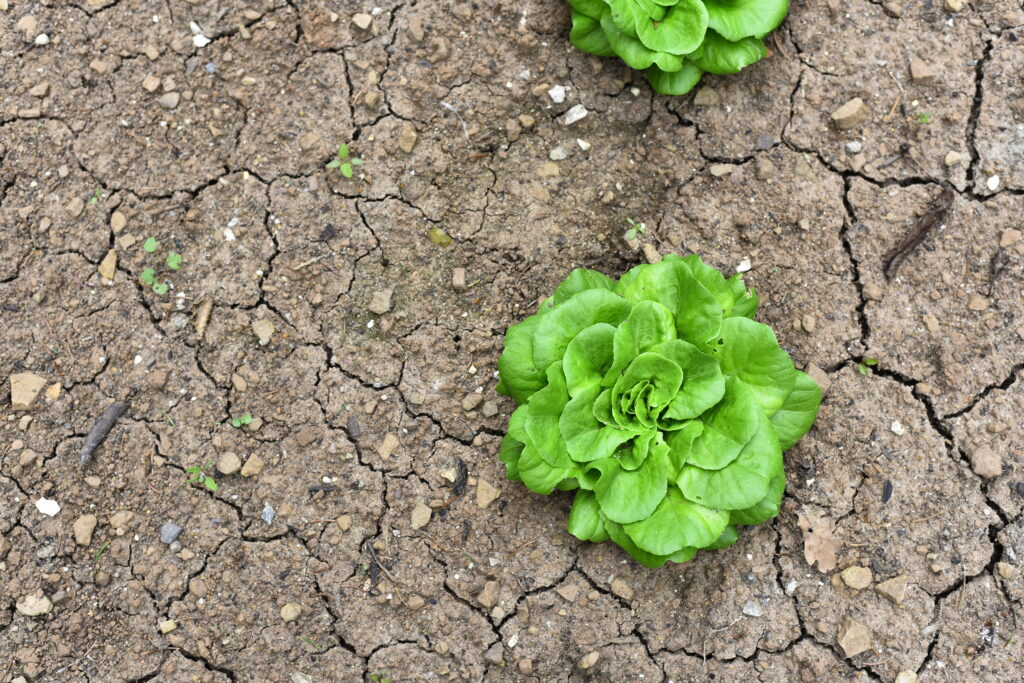
Harper Adams University researchers are identifying drought-resilient vegetables by screening lettuce, brassica, coriander, carrot and onion varieties for stress-tolerance traits. The work could help breeders develop crops better suited to extreme heat and limited water.
Stop Deploying Microbes Like Chemistry
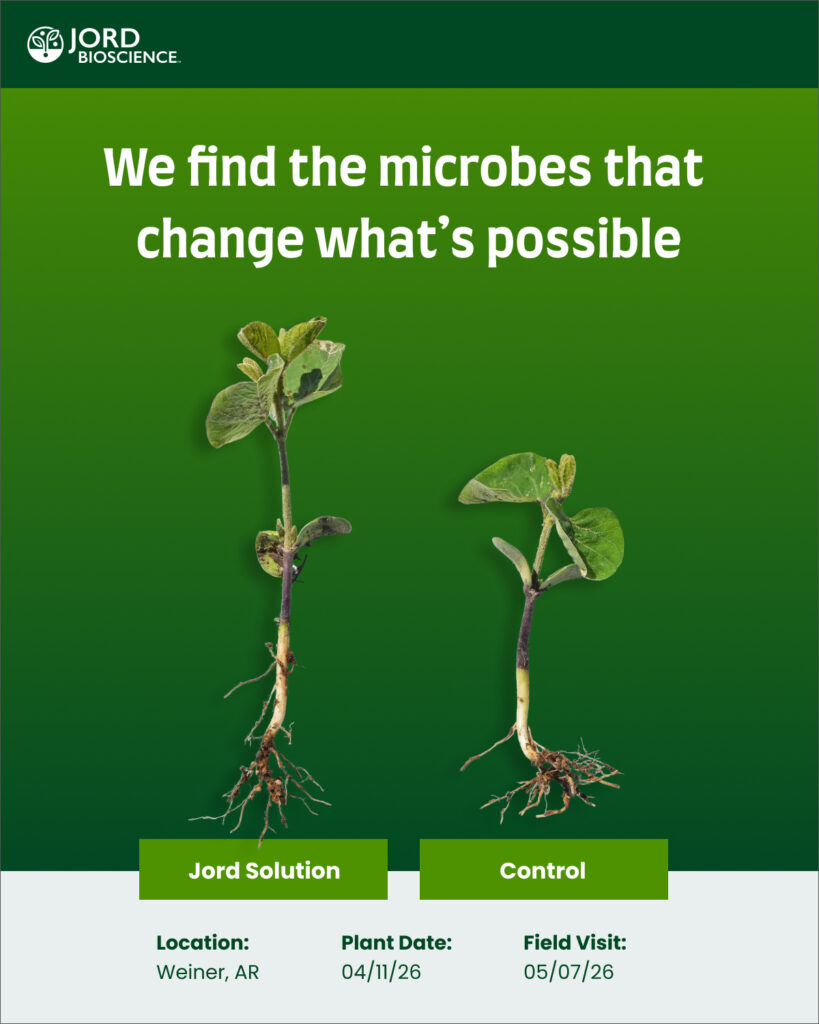
Microbial activator technology is reframing how seed and biological companies think about soil microbes. Jord’s ecology-first approach focuses on microbial partnerships that help organisms colonize roots, persist through the season and support crop productivity.
The Fertilizer Squeeze Could Change the Seed Industry for Years
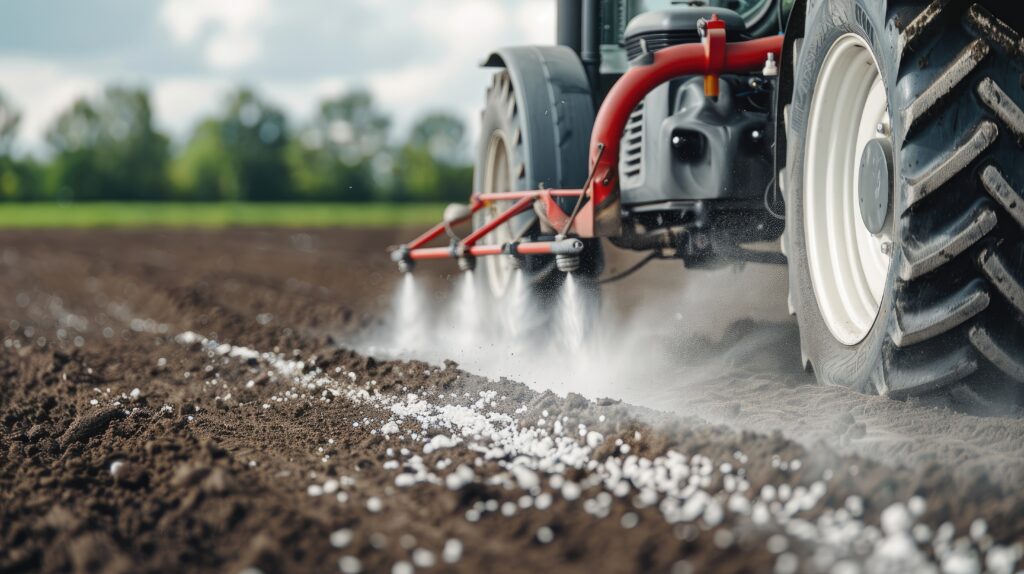
Fertilizer volatility could reshape seed demand, production and breeding priorities. Shawn Hackett examines what the seed industry should watch.
Sugar Beet Drought Stress Can Increase Pest Damage
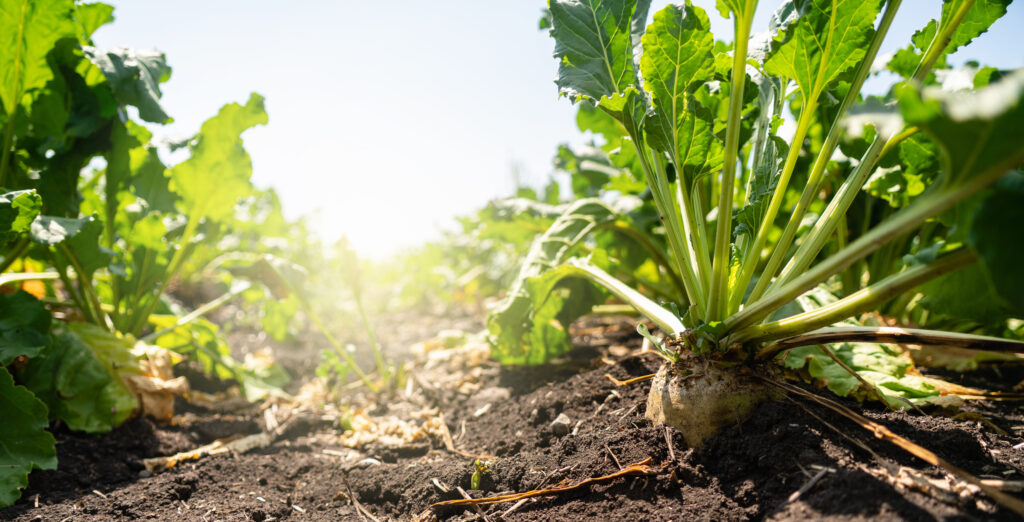
New research from the University of Göttingen finds that sugar beet drought stress can alter crop physiology and pest pressure. Moderate drought made leaves more favourable to beet leaf miner larvae, while severe drought restricted both plant and pest development.
Innovation Gets the Headlines. Plant Breeding Capacity Makes It Possible

Behind every new variety is a much longer story of breeders, germplasm, research funding and industry partnerships
Public Plant Breeders Need More Than Funding; They Need Support
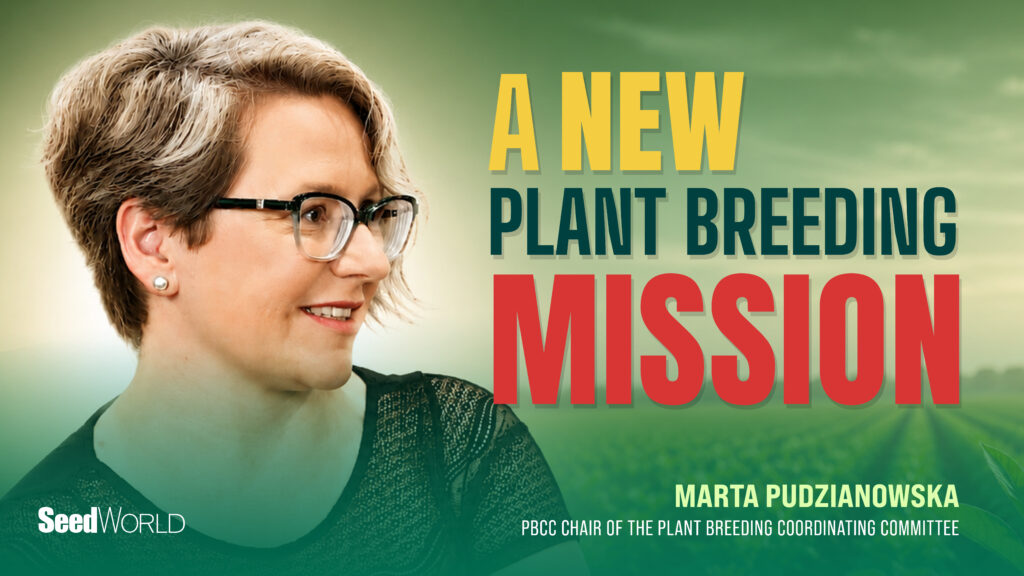
NAPB’s Plant Breeding Coordinating Committee is sharpening its role as public breeders face funding, workforce and training pressures.
China EDV System Begins With First 10 Crops

China EDV system implementation has begun with MARA publishing the country’s first agricultural plant EDV catalogue. The framework covers 10 crops and includes determination guidelines, crop-specific thresholds and recommended testing institutions.
EU Seed Trade Looks to New Global Agreements

EU seed trade could benefit from recent EU trade agreements with Mercosur, Australia, India, Indonesia and Mexico. For plant breeders and seed companies, the real impact will depend on phytosanitary rules, customs procedures, IP protection and practical implementation.
Crop Diversity Strengthens Natural Pest Control
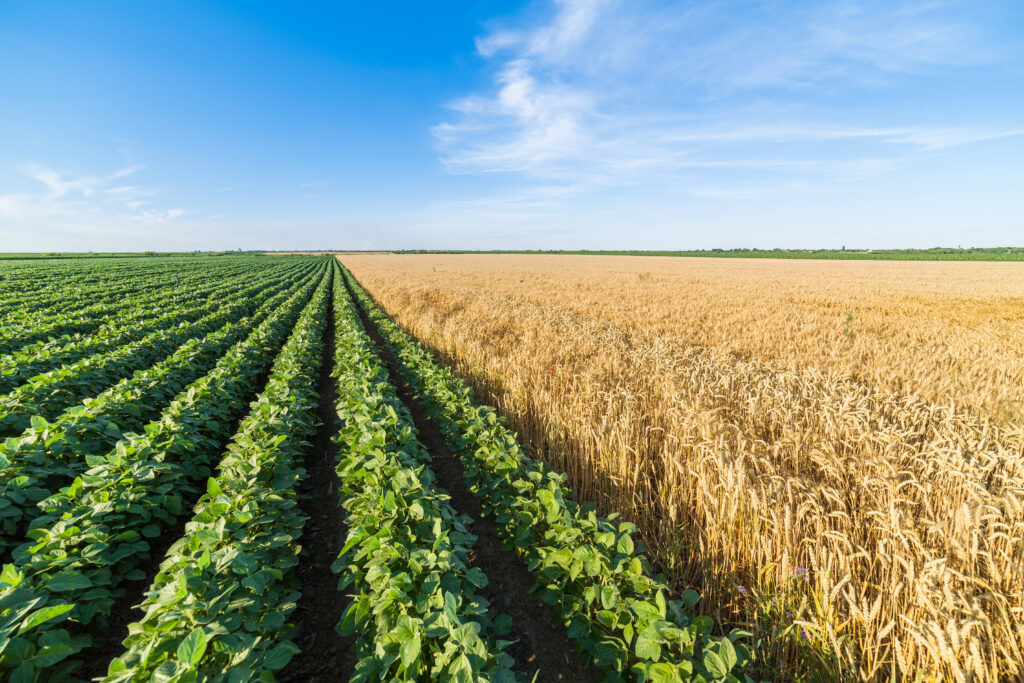
A global meta-analysis of 149 field studies found that crop diversity can increase natural enemies of agricultural pests and improve plant performance. The findings highlight how more diverse farming systems may reduce reliance on chemical pest control.
Seed Testing Helps Move Hurricane Recovery Seed From Iowa to Jamaica
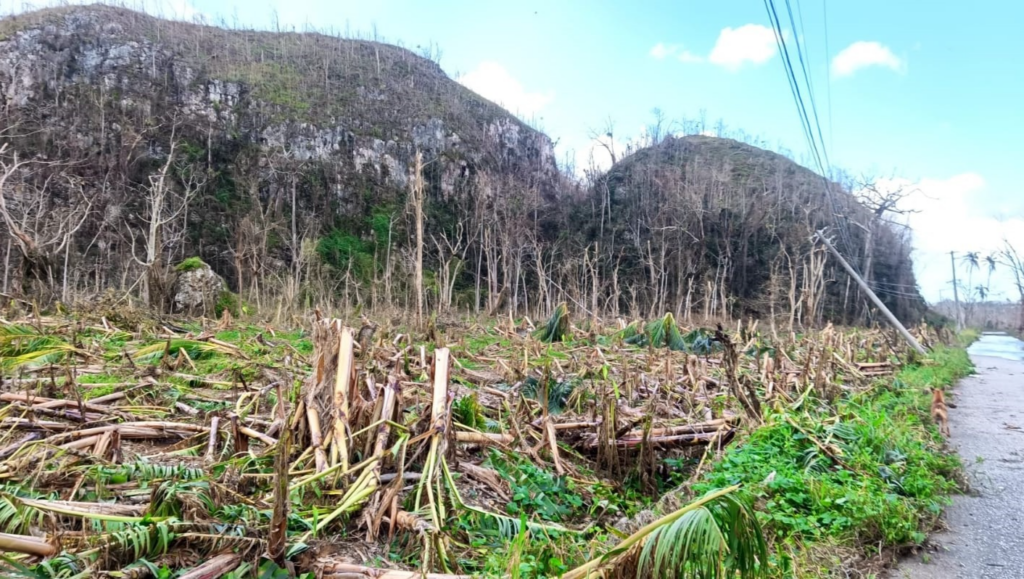
Seed health testing from Iowa State University helped a donated shipment of vegetable seed meet Jamaica’s import requirements and reach farmers rebuilding after Hurricane Melissa.