In Brazil, most bean producers cultivate areas smaller than five hectares — making up about 97% of grain-producing units across 533.5 thousand rural properties. However, the majority of production comes from large plantations, a small fraction of total farms, according to research by Embrapa Arroz e Feijão (GO).
The study analyzed the six main bean-producing states — Paraná, Minas Gerais, Goiás, São Paulo, Mato Grosso, and Bahia — and categorized crops as small (<5 ha), medium (5–50 ha), or large (≥50 ha). “The size of the bean crop specifically concerns the area of cultivation and is not necessarily equivalent to the size of the rural property or the producing agricultural establishment where it is located,” explains Embrapa’s socioeconomic economist Alcido Wander, one of those responsible for the study.
While small crops are numerous, roughly 3,000 large plantations (0.5% of the total) produce more than 1.2 million tons of beans — about 75% of Brazil’s output. Of the total production, 87% reaches the market, while around 13% is consumed directly by the farms themselves. Small-scale producers, in particular, consume a higher share of colored beans (59%) compared to black beans (38%), according to a press release.
Bean Production Trends
Brazil’s bean production has largely met domestic demand, averaging 2.5–3.4 million tons annually over the past decade. Imports remain low, near 100,000 tons per year, while exports have grown, making Brazil a net exporter since 2017/18. The 2023/24 harvest saw about 150,000 tons exported, a 22% increase from ten years ago.
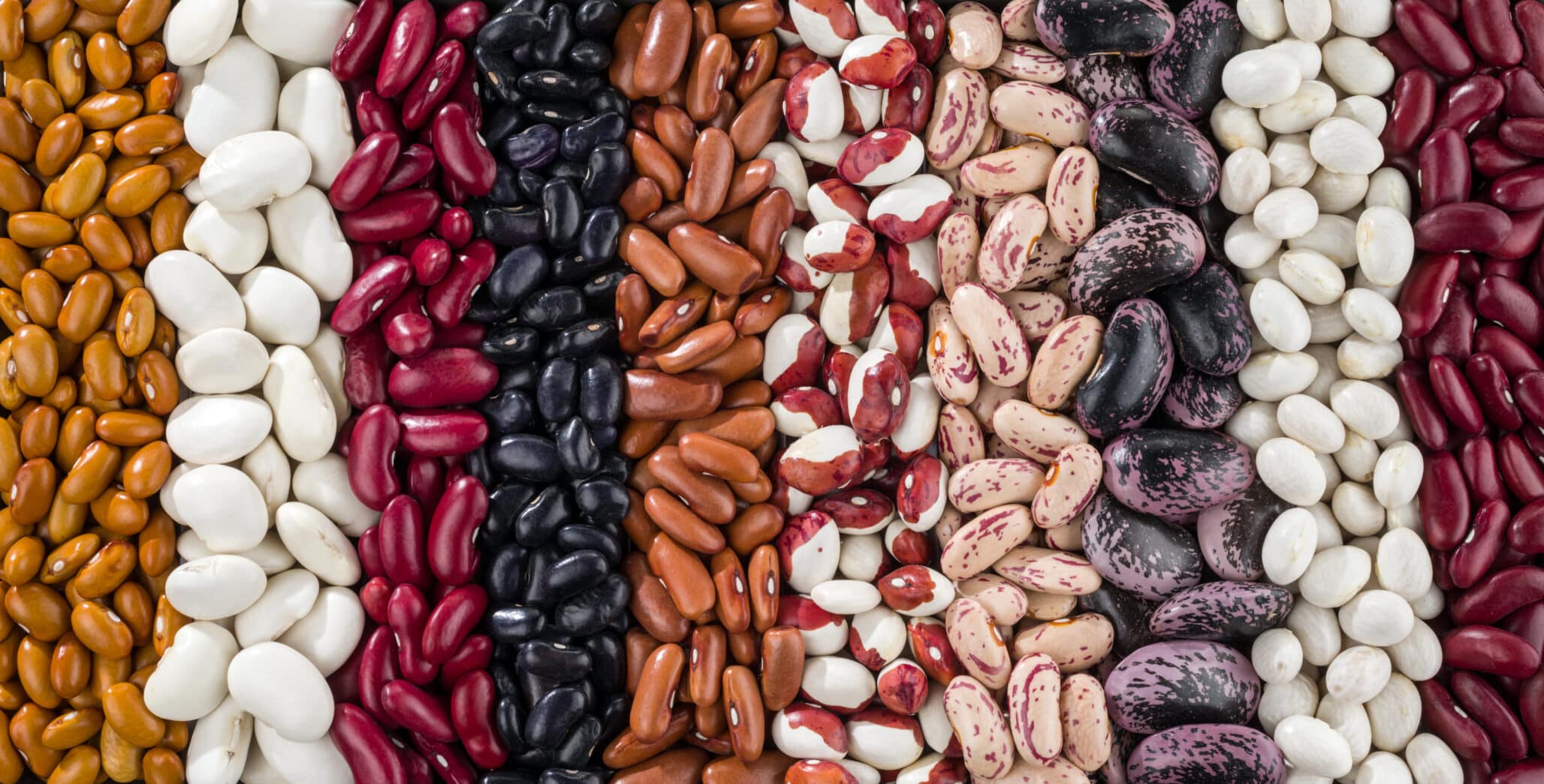
Another finding of this research is that 87% of the total beans produced, around 1.5 million tons, were sold and supplied the market; and just over 200,000 tons, that is, approximately 13% of production, did not reach commercialization and indicate self-consumption by rural properties. More in detail, Wander pointed out that “in crops with up to five hectares, self-consumption represented 59% of the production in the case of colored beans (Rio de Janeiro, purple, mulatto grains) and 38% in the case of black beans,” he adds.
The researcher also made another observation: the insertion of the differentiation between colored beans and black beans for analysis purposes may have led to the double counting of some rural establishments that produce the grain. “From a methodological point of view, it was considered that rural properties planted one or another type of beans, but in practice, it is possible that some producers have planted both types of beans,” he clarifies. Thus, the total number of establishments, about 550,000 may be slightly higher than the actual number.