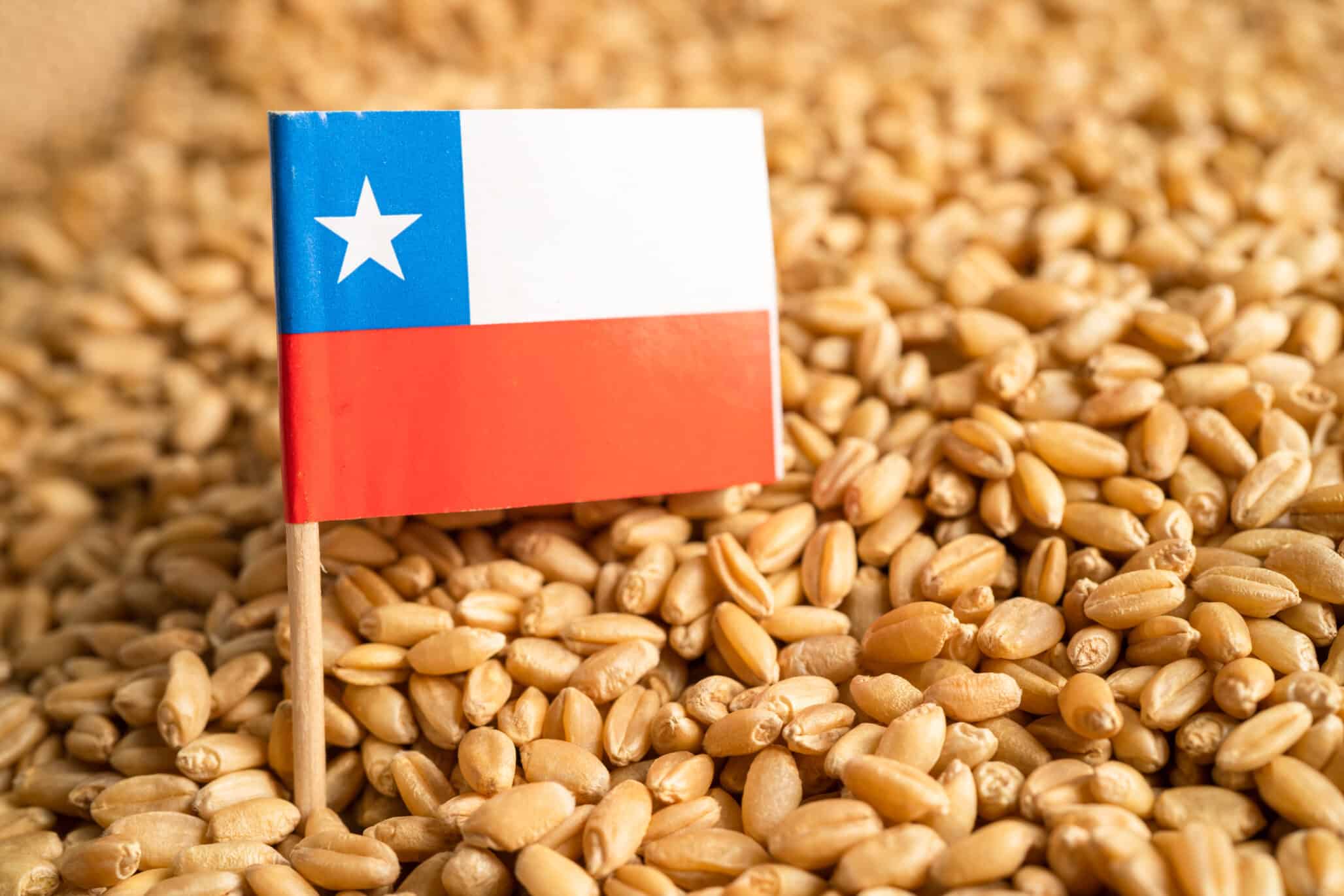
Chile plays a key role in global seed production and export, standing as the leading exporter in the Southern Hemisphere. Its counter-season production — growing crops during the opposite season to the Northern Hemisphere — helps meet global demand, prevent shortages, and accelerate the development of new plant varieties.
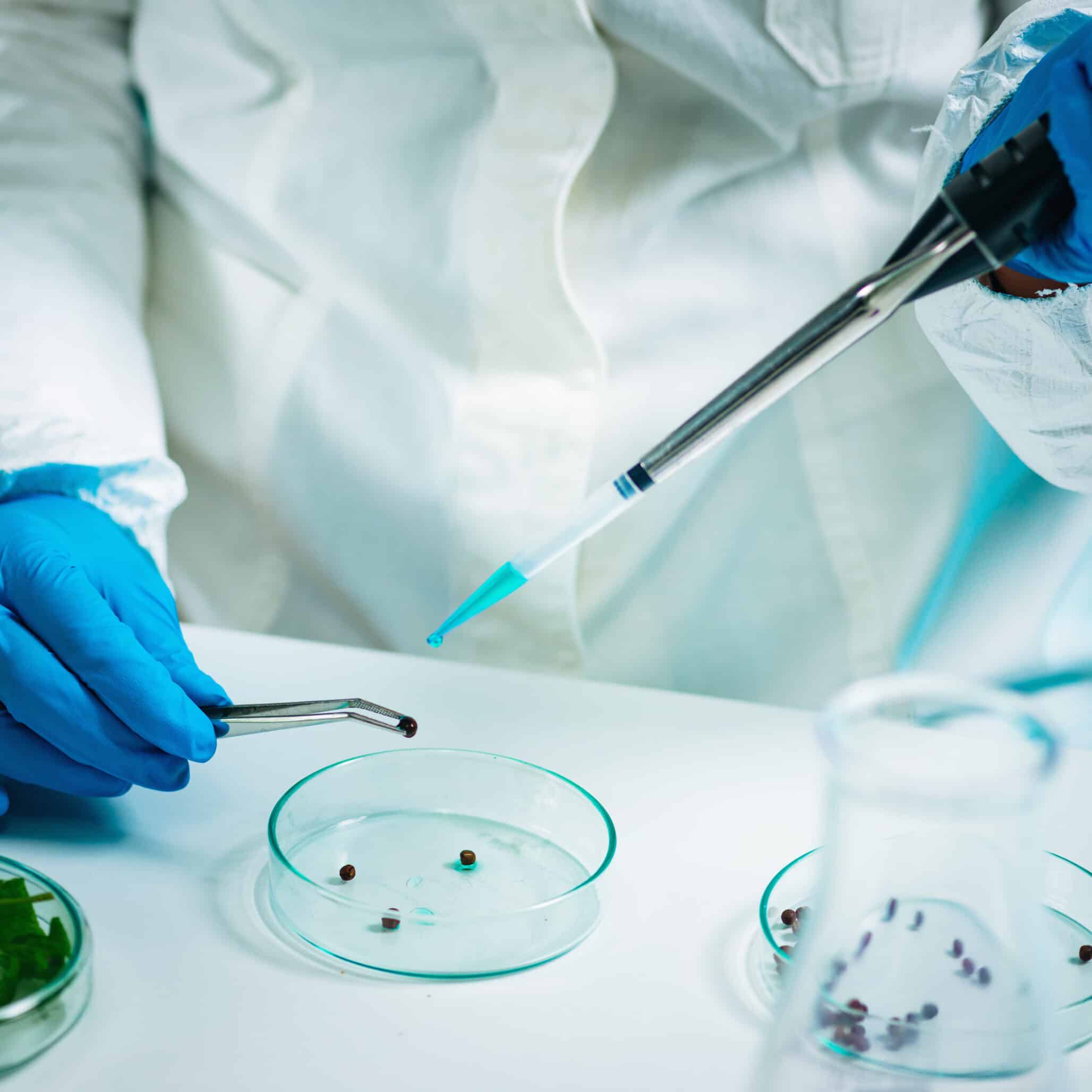
In 2024 alone, Chile’s seed exports reached nearly USD 400 million, representing about 38,000 tons of products such as vegetables, corn, canola, soybeans, flowers, and forages. Within the country, geneticists multiply new plant varieties developed in response to global demand — a process that, for certain species, is still performed manually by hundreds of workers who handle flowers for pollination and hybridization. This meticulous work requires great precision but remains prone to human error.
In response, academics from the School of Electrical Engineering and the School of Agronomy at the University have joined forces on a research project to design and develop a portable device for monitoring and ensuring traceability in the production of high-value agricultural seeds, according to a press release.
According to Daniel Yunge, a professor at the School of Electrical Engineering, who holds a master’s degree in Engineering with a specialization in Electrical Engineering and serves as director of the FONDEF IT project supporting this research, the goal is to create a device capable of capturing images, processing data in the field, and detecting errors in flower handling during the hybridization process — ultimately reducing losses and improving production quality.
“It is a technological solution that, through machine learning, detects patterns in an image — in this case, images of different moments of the flowers that are worked manually through emasculation and pollination — to account for errors in the process and be able to correct in time. We are thinking of using a smartphone application, since smartphones have the necessary technology and are of lower implementation cost compared to a device made especially for monitoring,” Yunge explained.
To achieve this goal, the project involves the participation of LEM System, a company that provides technological solutions for agriculture, including greenhouse monitoring systems, irrigation management, and data services for farmers.
Quality Control
Patricia Peñaloza, a professor at the School of Agronomy, holder of a master’s degree in Agronomic and Environmental Sciences, and co-director of the project, explained that Chile’s seed industry is renowned for its high quality — one of the main reasons multinational companies choose the country for hybridization and the development of new plant varieties. “If we add a technological component in the quality control of the work that is done manually, our positioning at the international level can be even better and this project points precisely to that.”
Discussing the types of errors the system will detect, Peñaloza noted that “the probability of error implicit in the flower has to do with genetics, the difficulty in manipulation and hybridization processes. Today the errors are not very high, but they do cost a lot because the market buys a variety, the genetic identity of a seed, and a minimum failure in the process can generate a variety different from the one you are looking for. The problem with seed handling is not a matter of volume, but of precision.”
The project is being developed in Chile’s Valparaíso Region, which is a major hub for manual hybrid seed production and employs a large percentage of women in these processes. One of the companies collaborating on the initiative is Agrícola Las Garzas, which specializes in seed hybridization — from plant cultivation to managing the personnel involved.
Sustainability of the Agri-food Industry
Sustainability in the management and production of food is an issue that is becoming more highlighted every day and influences public policies both nationally and internationally. In this sense, for the researcher and formulator of the project at the University of Concepción, Silvia Riquelme, “the background of seed management is fundamental, since we are talking about ensuring food for the future.”
“It is an innovative idea that is completely aligned with what is sought nationally in agriculture, with food requirements at a global level and with the need to incorporate technological tools into agro-industry. Both in Chile and internationally, continuous improvement is sought, to avoid errors, and to make traceability. Nowadays, data management is essential for success in any company,” Riquelme added.
Finally, Daniel Yunge stressed that with this project they also hope to improve the productivity of those who handle flowers to obtain seeds, as well as their quality of life. “Globally, it is committed to automating processes to increase productivity, but technology also helps to improve the working conditions of people who work in this field, facilitating the processes they must carry out.”