Cuba’s reliance on imported corn and soy continues to constrain both feed production and agricultural output, despite growing evidence of the potential of domestic crops. At the Fábrica de Pienso Leopoldo Reyes in San Cristóbal, Artemisa, production recently reached just 34 tons of animal feed in a day — far below its installed capacity of 300 tons. According to director Michel Ravelo Herrera, the feed supplied to pig and poultry farms in western Cuba is made almost entirely from imported corn and soy, limiting incentives for local production.
Specialists agree that expanding domestic grain cultivation is essential.
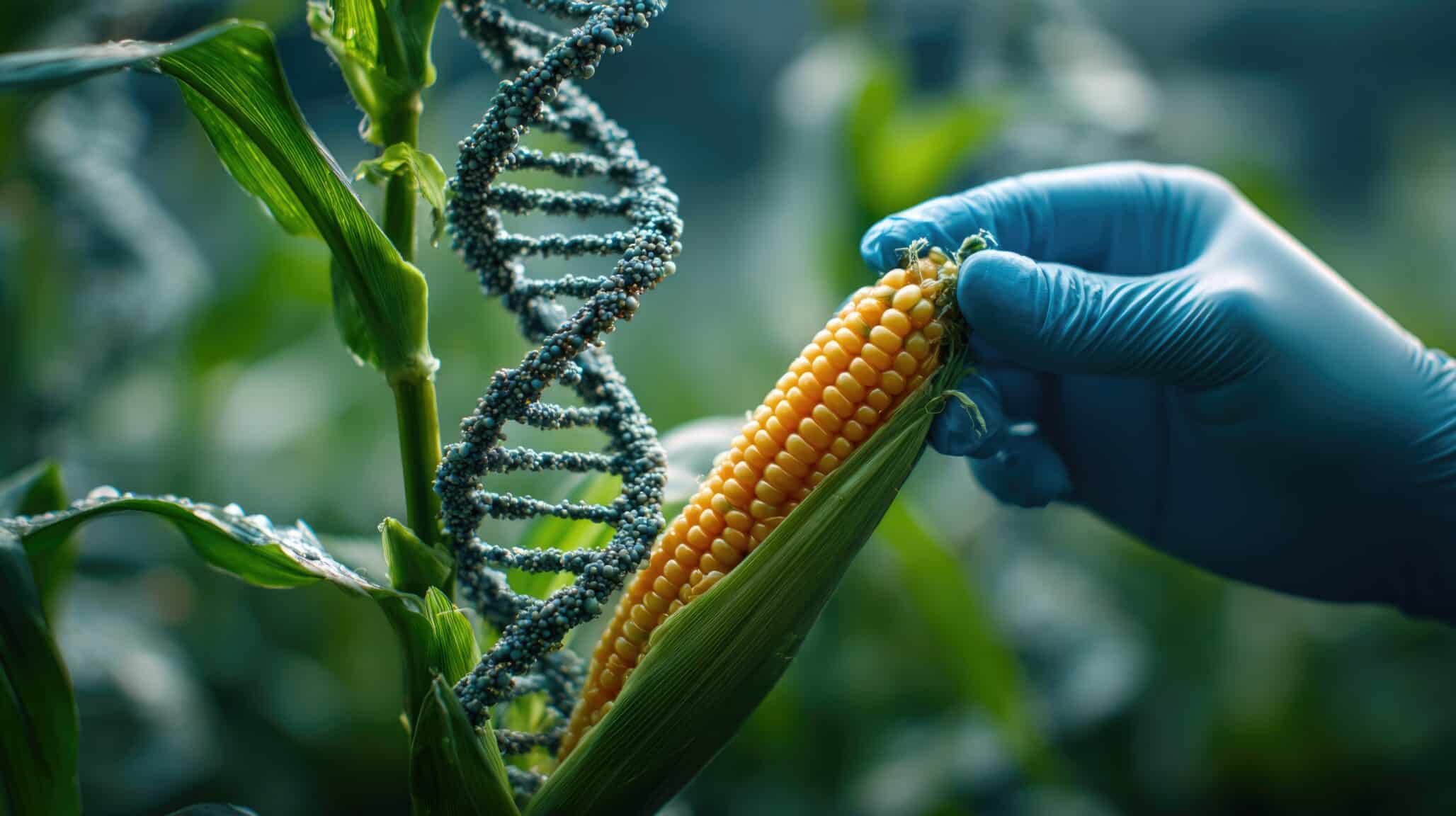
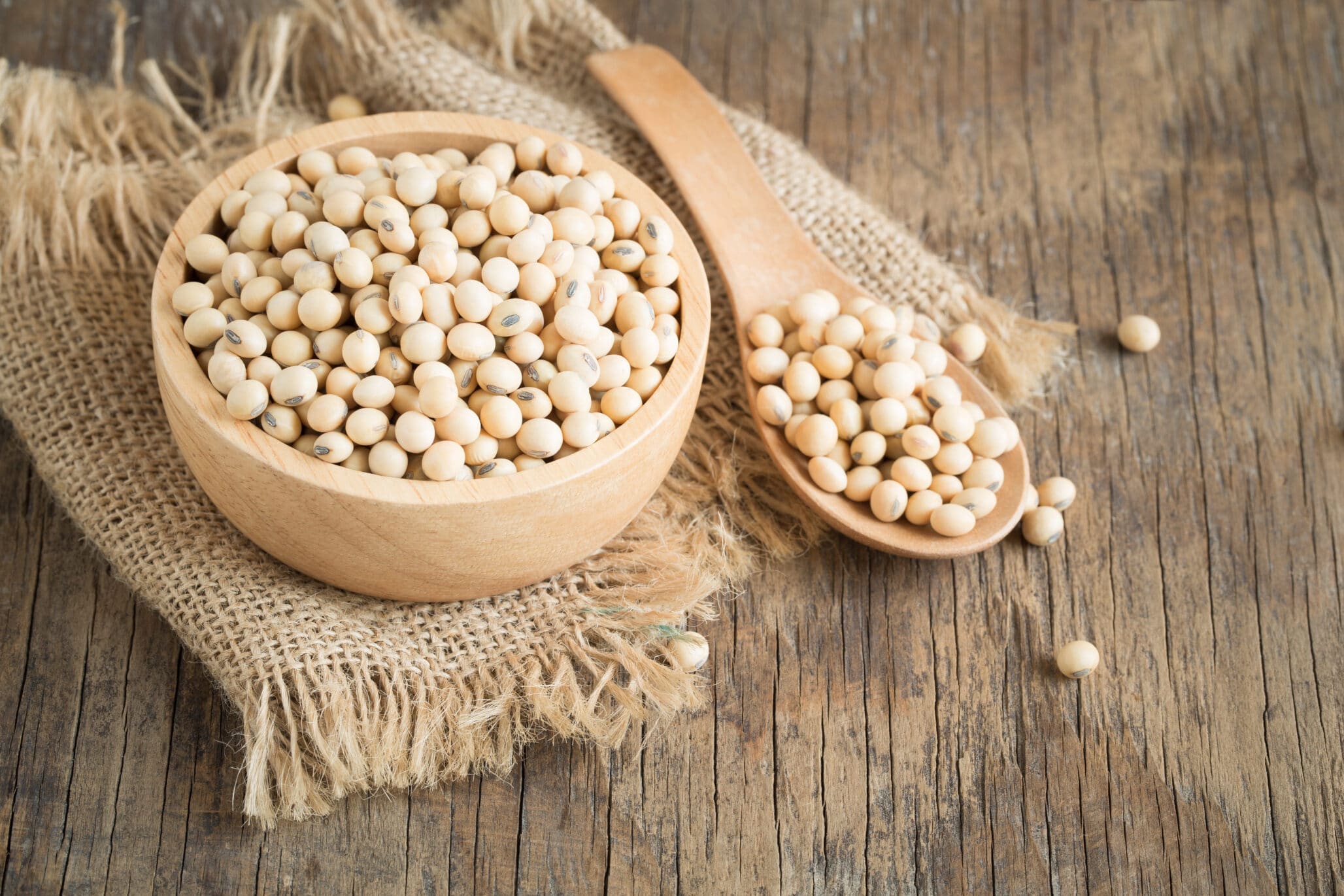
“Although we are a purely agricultural country, we have always imported about 350,000 tons of soybeans and 800,000 tons of corn per year,” said Dr. Mario Pablo Estrada García, Director of Agricultural Research at the Center for Genetic Engineering and Biotechnology (CIGB). He noted that Cuban scientists developed transgenic corn and soybean varieties in 2020 that significantly improve yields and resistance to climate stress and pests.
At the CIGB, work is underway to scale seed production. The center is multiplying seed for five registered soybean varieties and for the parental lines of the H-Ame15 transgenic corn hybrid. In Sancti Spíritus, where these crops have been tested for several years, 720 hectares are authorized for planting, though only about half are currently cultivated due to resource constraints, according to a press release.
Producers report strong on-farm performance. Farmers in Sancti Spíritus, Yaguajay, and La Sierpe cite yields of 4 to 6 tons per hectare with transgenic corn — well above traditional varieties — even under drought and irrigation limitations. In Villa Clara, partnerships among producers, research institutions, and the CIGB have sustained higher yields and profitability through guaranteed purchase agreements.
Agricultural authorities, including the Grain Research Institute (IIG), emphasize that transgenic corn and soy are central to reducing imports and strengthening food sovereignty. However, limited financing, incomplete technological packages, fuel shortages, and high harvesting costs continue to slow large-scale expansion. Even so, researchers and farmers agree that these crops have proven their agronomic value and remain a cornerstone of Cuba’s strategy to boost grain production and secure animal feed supplies.