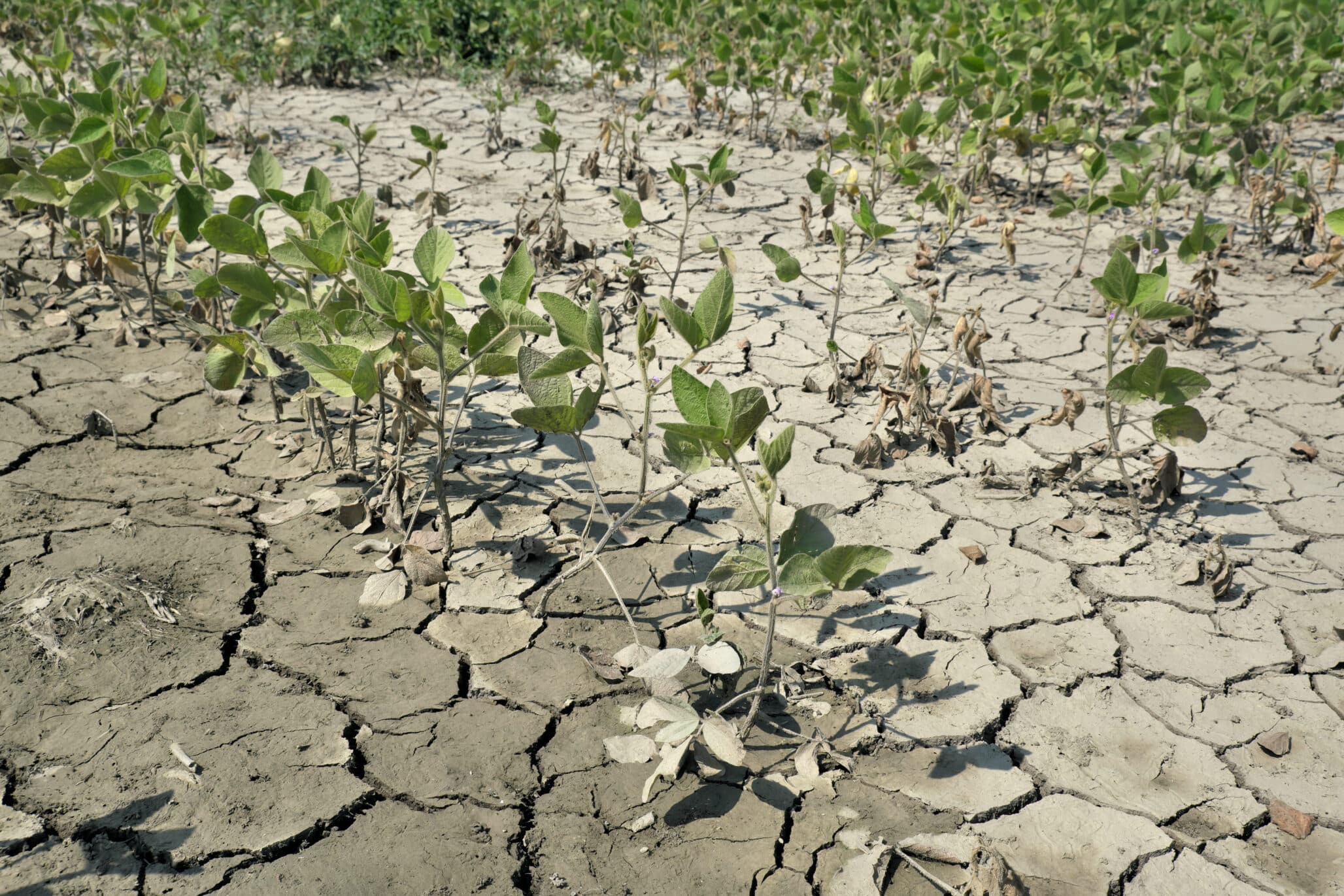
A Chilean study published in the scientific journal Proceedings of the National Academy of Sciences (PNAS) explains how plants make a crucial survival trade-off: they accelerate growth when nutrients are abundant, but shift into defense mode under water scarcity.
Led by Dr. José Miguel Álvarez — researcher at Andrés Bello University’s Center for Plant Biotechnology (UNAB) and director of the Millennium Center in Data Science and Plant Resilience (PhytoLearning) — the study tackles a core agricultural challenge as climate change intensifies.
The researchers describe a molecular mechanism that helps plants reconcile conflicting environmental cues, such as nitrogen availability (a growth-promoting essential nutrient) and drought stress (which demands conservation and survival responses). While both signals were known to influence development, the way plants integrate them at the molecular level had remained unclear.
NLP7: The Protein Acting as a “Biological Switch”
The team identified a protein called NLP7 as a central regulator. When nitrogen is available, NLP7 activates growth-related genes, supporting plant development. But in drought conditions, this same growth push can be harmful, because continued growth increases water demand when the plant instead needs to conserve resources, according to a press release.
According to Álvarez, “when analyzing plants in which this regulator was deactivated, we observe a clear effect: plants close their stomas sooner – small pores in the leaves -, lose less water and tolerate drought better.
“This shows that NLP7 not only promotes growth, but also defines when that growth should be stopped to ensure survival in adverse conditions.”
Landmark for National Science
The study characterizes this mechanism as a genuine “biological switch,” creating new possibilities for developing crops with greater resilience.
“This knowledge allows us to think about strategies that optimize the use of nitrogen without losing resistance to drought, either through genetic editing, selection of more resilient varieties or adjustments in fertilization strategies,” Álvarez said.
These findings could deliver clear benefits for society: more efficient food production, fewer drought-related losses, and more sustainable agricultural systems.
The publication is among the most significant scientific achievements of PhytoLearning’s first year of operation, strengthening its international profile in research on plant resilience to drought.