We are unpacking the myths, facts and consumer concerns surrounding seed oils in modern diets.
Seed oils have been a staple in kitchens around the world for decades, recommended by health organizations for their polyunsaturated fat content. But as new debates stir online, questions about their health impact, particularly regarding omega-6 fatty acids, have prompted consumers to rethink their use. Is the backlash based on sound science or just speculation? Experts weigh in.
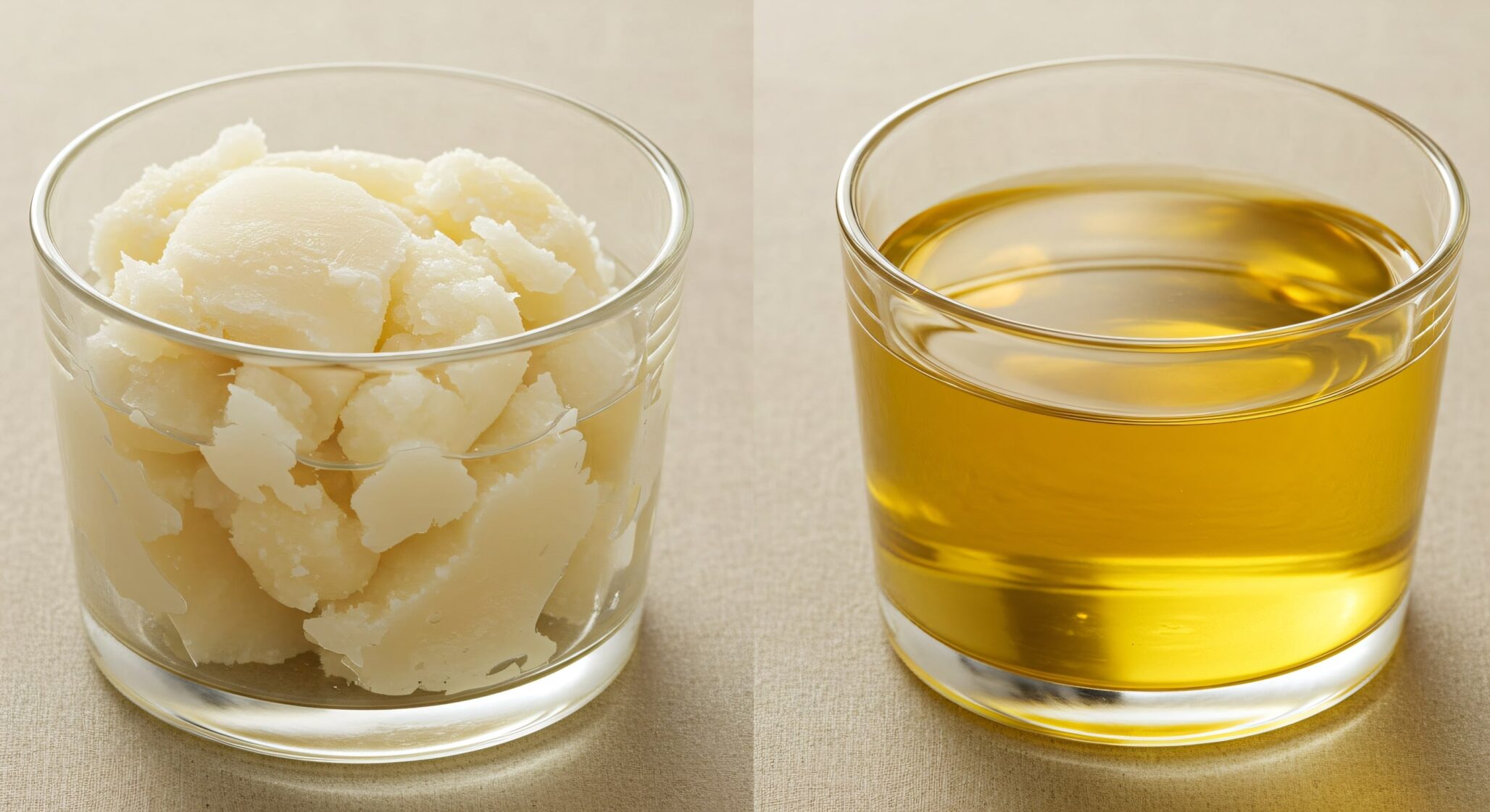
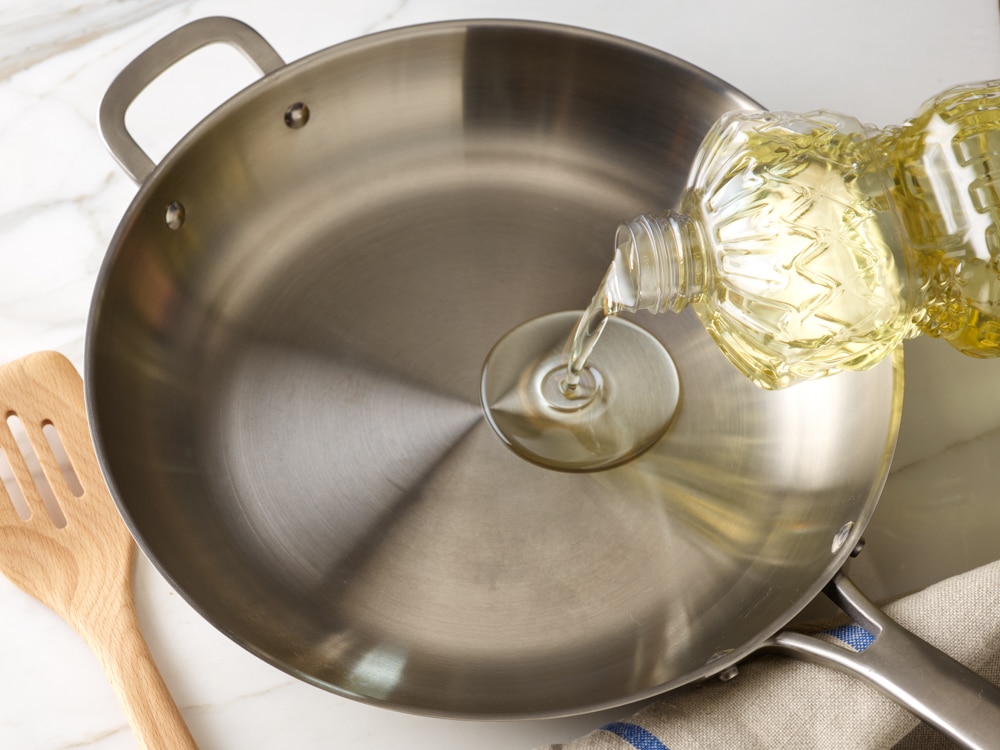
In the 1960s, organizations such as the American Heart Association began recommending seed oils rich in polyunsaturated fats over animal fats such as lard or butter. Extracted from a wide variety of plants such as canola, sunflower, soybean, flaxseed, and corn, seed oils have long been the standard for healthier cooking oils and are used widely around the world. Recently though, these oils have sparked some debate, largely on social media, centered around their high concentration of omega-6 fatty acids.
There are also questions around how seed oils are processed, particularly regarding extraction methods, oxidation and refining.
Science vs. Speculation: What the Experts Say
Canola Council of Canada president and CEO Chris Davison is sympathetic to consumer concerns but confident in the guidance of scientists and nutritionists.

“Certainly, there have been some contrasting views shared recently, and that makes it hard for people to differentiate between science and speculation. The scientific consensus after decades of rigorous scientific work is in support of the nutritional benefits of seed oils,” Davison says. “We can respect individual experience but don’t want to discredit a large body of work across populations,” he adds.
Penn State University associate professor of nutritional sciences Kristina Petersen focuses on cardiometabolic health. She says the debate largely centers around linoleic acids. While linoleic acids are considered essential fatty acids for humans, opponents claim omega-6 fatty acids like linoleic acid found in seed oils are precursors to molecules that promote inflammation, which is problematic because chronic inflammation is linked to issues such as heart disease, obesity, and autoimmune disorders.
“The claim is really based on a simplified understanding of the metabolism of linoleic acid in humans. The body can break down linoleic acid into another fatty acid called arachidonic acid, and there is some evidence that arachidonic acid promotes inflammation,” Petersen says. “But what’s left out is that this breakdown is very tightly regulated in humans. So, when we increase linoleic acid intake, we actually don’t see an increase in arachidonic acid in humans. We have a lot of clinical trial evidence to support that.”

Moreover, Petersen notes that the dietary ratio of omega-6 to omega-3 fatty acids is no longer considered a key marker of diet quality.
“Now, prominent health organizations recommend that consumers eat both types of essential fatty acids to meet requirements, as both omega-6 and omega-3 fatty acids have health benefits,” she says.
Not all seed oils are high in omega-6 fatty acids.
“High oleic soybean oil, for instance, which is used in baking and packaged goods, contains only about 7 percent omega-6 but over 75 percent omega-9 oleic acid, long considered to be a good fatty acid,” Petersen says.
The Growing Anti-Seed Oil Movement
The anti-seed oil movement has even led to a new “Seed Oil Free Certified” label in the U.S., introduced by the Seed Oil Free Alliance in 2024. According to the most recent data from the USDA Economic Research Service’s Food Availability Data System, seed oils were the second-largest source of per-person caloric intake in 2010, contributing 518 of 2,481 daily calories.
Still, only a minority of consumers appear to be actively avoiding them, according to the April 2025 Consumer Food Insights from Purdue University’s Center for Food Demand Analysis and Sustainability (CFDAS). The survey polls 1,200 Americans using a nationally representative panel maintained by Dynata and weighted to match U.S. demographics.
“The vast majority of people say avoiding seed oils isn’t really on their radar, indicating that they never, rarely or only sometimes read labels at the supermarket or check menu ingredients when eating out to try and avoid seed oils,” says Joseph Balagtas, Purdue professor of agricultural economics and CFDAS director.
CFDAS found that 20 percent of respondents said they try to avoid seed oils when cooking at home, whereas only 18 percent indicated they were also avoiding seed oils a year prior. Still, even a minority of 20 percent represents a sizable number, Balagtas says.
“It’s possible food manufacturers and retailers will want to market to that 20 percent, and if they do, it could reduce the share of seed oils in our food supply,” Balagtas says. “It’s also possible that 20 percent could grow. Nutrition is complex, and there’s a lot of conflicting information on what’s healthy and what’s not.”
Julie Ohmen, chief executive officer of Soy Nutrition Institute (SNI) Global, says major shifts in the seed oil market are unlikely, primarily because decisions around fats and oils on a large-scale hinge on functionality, availability and cost.
“Our domestic processing capacity is insulated from market disruption to ensure continued access to affordable, high-quality oils that support a resilient food system. Most alternatives cannot currently deliver the same scale, reliability, or cost-efficiency,” Ohmen says. “Without satisfying all three of these criteria, it would be difficult or impossible for food industry formulators to replace or substitute seed oils.”
What’s Still Unknown?
Petersen says more research into diseases like Alzheimer’s, dementia, and certain cancers could be valuable.
“There are a lot of health conditions people are worried about, but the most studied ones so far are heart disease, type 2 diabetes and to some extent, obesity,” Petersen says. “So additional research would be helpful on how seed oils can impact neurodegenerative diseases specifically.”
More research on using seed oils at high temperatures could also put some of these claims to rest.
“There have been hypotheses about what happens when oils are heated, but it’s important to look at their effects on human health and so far, there is really no evidence from human studies showing harm from heating seed oils,” Petersen says.
Jane Zhao, a Takemi fellow at Harvard and assistant professor at the University of Hong Kong, is passionate about using robust research such as clinical trials and Mendelian randomization.

“Part of my research includes linoleic acid, a major omega-6 fatty acid. Right now, it’s hard to draw firm conclusions. The beneficial associations are mainly drawn from observational studies, which don’t give us causal inference,” Zhao says.
She acknowledges that seed oils are associated with lower cholesterol, but not with lower risk of cardiovascular events.
“We should acknowledge the contrasting evidence from different study designs instead of definitively saying that seed oils benefit heart health,” Zhao says.
Still, she hasn’t seen definitive research showing harm, either.
“So far, I haven’t seen strong evidence that seed oils are harmful. The clinical trial just did not show a true benefit on cardiovascular events,” she says, referring to a 2016 re-evaluation of unpublished data from a 1968–73 Minnesota coronary experiment.
“From a scientific point of view, we need to be honest about what we know and what we don’t. A lot of the scientific community is strongly on one side but we should be honest about the limitations of our progress,” Zhao says.
Consumer Perception: Navigating Misinformation
Of course, some of the criticism around seed oils also stems from their link to highly processed and fried foods. Zhao says it will be difficult to design a study that can isolate whether it’s the seed oils themselves, or the calorie and sugar-heavy packaged foods they’re in, that are the problem.
“When we assess a food as a whole, it’s very difficult to separate which effects are from seed oils and which are from other parts,” Zhao says. “So far, the instrument we can measure is to measure the blood markers for linoleic acid and again, it’s hard to separate the source of these.”
Petersen adds that seed oils might actually make ultra-processed foods slightly less problematic.
“While it’s true that some ultra-processed foods include seed oils, in many cases, the seed oil is there instead of another ingredient that might be less healthy,” she says. “Palm oil, for instance, is very high in saturated fat.”
In the CFDAS survey , 43% of respondents said they had heard something about seed oils in the past month, primarily via social media, news and friends or family. Far fewer reported hearing anything about seed oils from healthcare professionals, public health officials or scientific journals.
Balagtas says this presents a challenge for the seed oil industry, as changing a consumer’s perception is difficult.
“For instance, organic food has a halo of healthfulness around it,” he says. “Even if dietitians say it isn’t healthier and that it’s more about increasing the number of fruits and vegetables in our diets overall, there is still a perception of healthfulness in consumers’ minds.”
Petersen knows it’s difficult to combat misinformation on the internet.
“We’ll never be able to quiet voices who are making claims without providing evidence, but we have to stay rooted in science. And, we need to present that information in a way that’s easily understandable,” she says. “Some topics are complex but breaking it down into relatively simple messaging can help.”
Still, as some influencers and politicians promote alternatives to seed oils, consumer curiosity is growing.
According to the North American Renderers Association, the market for beef tallow jumped from $46 million in 2018 to $480 million in 2023, but that’s still only a small fraction of the seed oil market so canola, soybean and other seed oils seem to be here to stay.
“Consumer choice is a wonderful thing, and we need to continue to make information available to help people make decisions,” Davison says.