University of Minnesota Twin Cities scientists are working with 40 organic vegetable producers to test cover crops in high tunnel systems and improve soil health for long-term productivity.
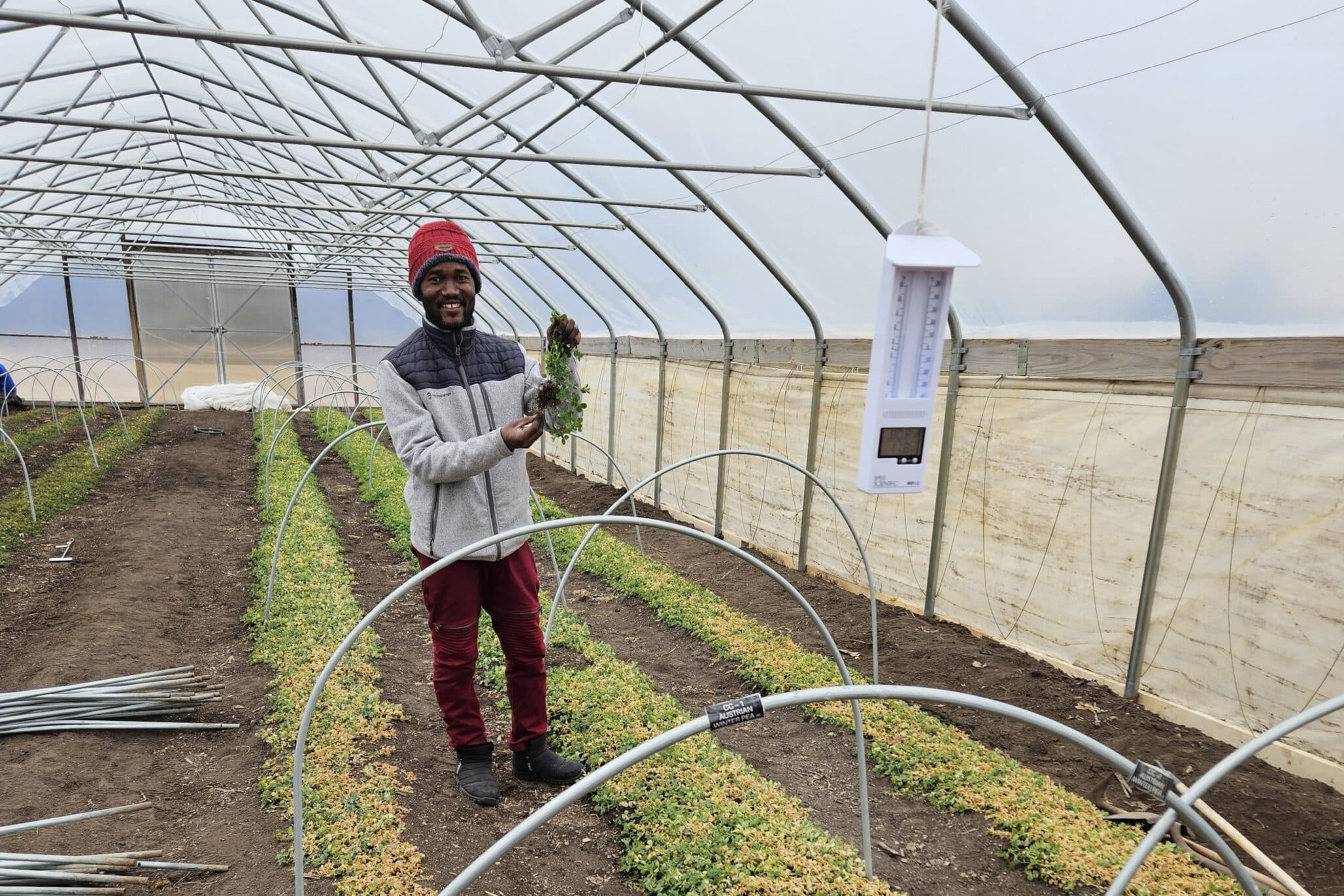
High tunnels are covered structures that extend the growing season. Cover crops, planted in the off-season, can enhance soil quality. In this project, researchers are testing nitrogen-fixing crops such as peas and beans.
“Because there are more crops being planted for longer periods of time [in high tunnels], the soils can degrade more rapidly,” said Julie Grossman, associate dean of undergraduate programs, horticulture professor, and soil scientist at the University of Minnesota’s College of Food, Agricultural and Natural Resource Sciences in a news release. “We’re trying to find ways to alleviate those negative pressures, and even enhance soil quality … by using cover crops.”
Cover Cropping in Practice
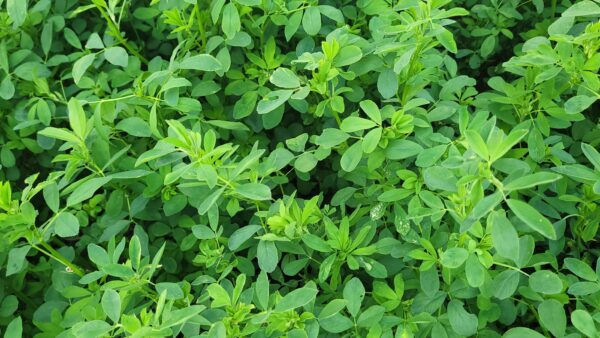
Participating farmers receive seeds for legumes to plant in their high tunnels. Legumes take nitrogen from the air and trap it in their leaves with the help of soil bacteria. Once harvested, the nitrogen returns to the soil.
Manure is traditionally used as organic fertilizer in high tunnels, but it can cause phosphorus buildup. Legumes supply nitrogen without that excess, leading to a more balanced system. Researchers analyze plant growth and quality to measure the results.
Collaboration and Farmer Input
The project includes scientists from the University of Minnesota Twin Cities, the University of New Hampshire, and the University of Minnesota Research and Outreach Centers.
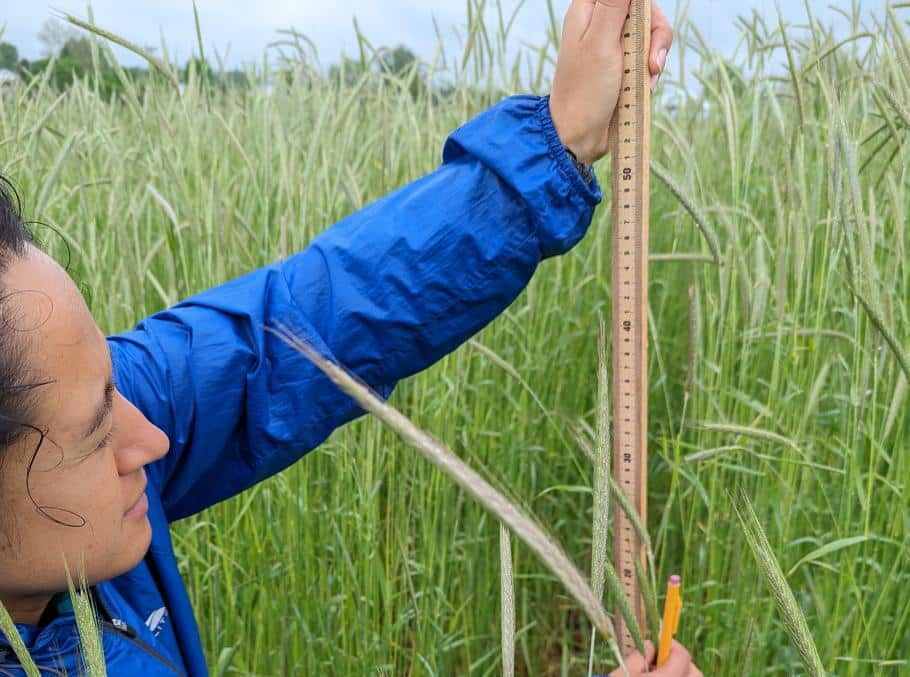
“We have the on-farm trials that each include one to two different cover crop legume species, but we also have a great collaboration with the North Central Research and Outreach Center in Grand Rapids where we have planted a research trial including all of the different species of cover crops being trialed by farmers at one site,” Grossman said.
Farmers are surveyed throughout the project to identify challenges. They are encouraged to ask questions and shape management decisions.
“We want the project to be owned by the farmers, and for them to be able to make management decisions that fit their farm,” Grossman said. “At the end of the day, we’re going to have critical information about what works, and how cover crops can be used to promote, and even restore, soil health in intensive high tunnel systems.”
Interdisciplinary Work
The project includes economists and educators as well as farmers and scientists. Renewing the Countryside, a Minnesota nonprofit, works with University of Minnesota Extension to teach student farmers about high tunnel production.
On the economics side, Gigi DiGiacomo, research fellow in the Department of Applied Economics at the College of Food, Agricultural and Natural Resource Sciences, is working with growers to track how cover crops affect costs and returns over two seasons.
Environmental impact
High tunnels are covered with plastic, which is replaced every few years. When plastic is removed, soils that have absorbed excess phosphorus from manure are exposed to rainfall and runoff.
“Imagine after years of manure application you have soil full of phosphorus, covered by high tunnel plastic,” Grossman said. “When the plastic is removed and it rains, there is a high potential for soil runoff and loss, taking the phosphorus with it and potentially ending up in our water bodies. That’s the environmental challenge we’re facing.”
Runoff carrying phosphorus can lead to eutrophication in waterways.
“By using cover crops instead of manure, you’re keeping excess phosphorus out of the soil, because the cover crop legume is providing nitrogen without the phosphorus,” Grossman says.
Early Results
Though the project is still new, early results are encouraging.
“Not surprisingly, we’re finding a lot of variability and growth across the farms, and some outstanding cover crop production,” Grossman said.