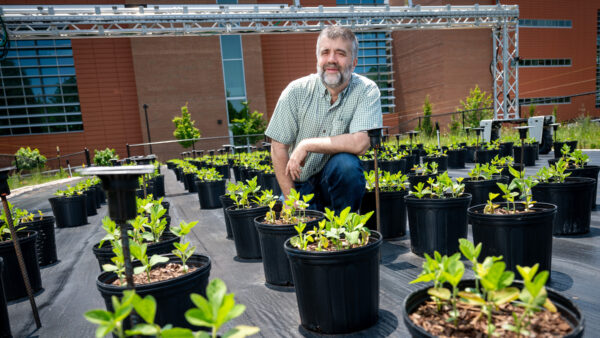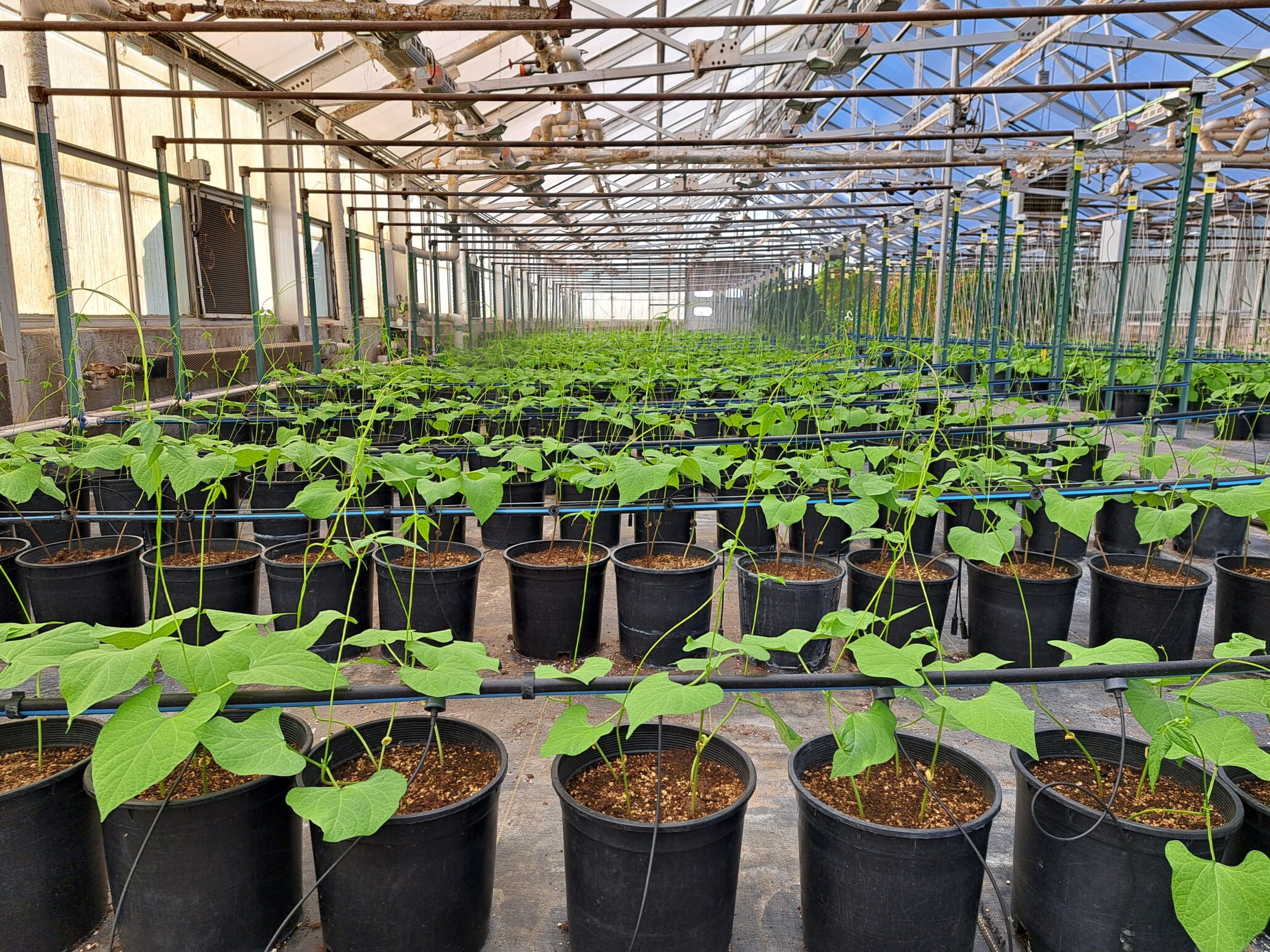
SeedLinked, USDA and Seed Savers Exchange are using crowdsourcing to lower trial costs, tap genetic diversity and to put data power in the hands of growers worldwide.
The seed industry has access to a vast resource through global gene banks. These collections safeguard genetic diversity across thousands of crop varieties and provide options when new varieties are needed. However, to fully realize the benefits of these collections, phenotypic characterization is essential.
The challenge has been that it is expensive and time-consuming to grow thousands of accessions in field trials to see how traits like vigor, stress, and flavor express themselves under varying conditions. Many remain a mystery, leaving this valuable resource functioning below its potential.
In response, SeedLinked, in collaboration with the USDA’s National Plant Germplasm System (NPGS) and Seed Savers Exchange, is piloting a new approach. The Community-Supported Germplasm Initiative, funded by a $100,000 ASRX grant, uses digital tools and the power of crowdsourcing to scale up data collection and accelerate the evaluation of underutilized genetic material.
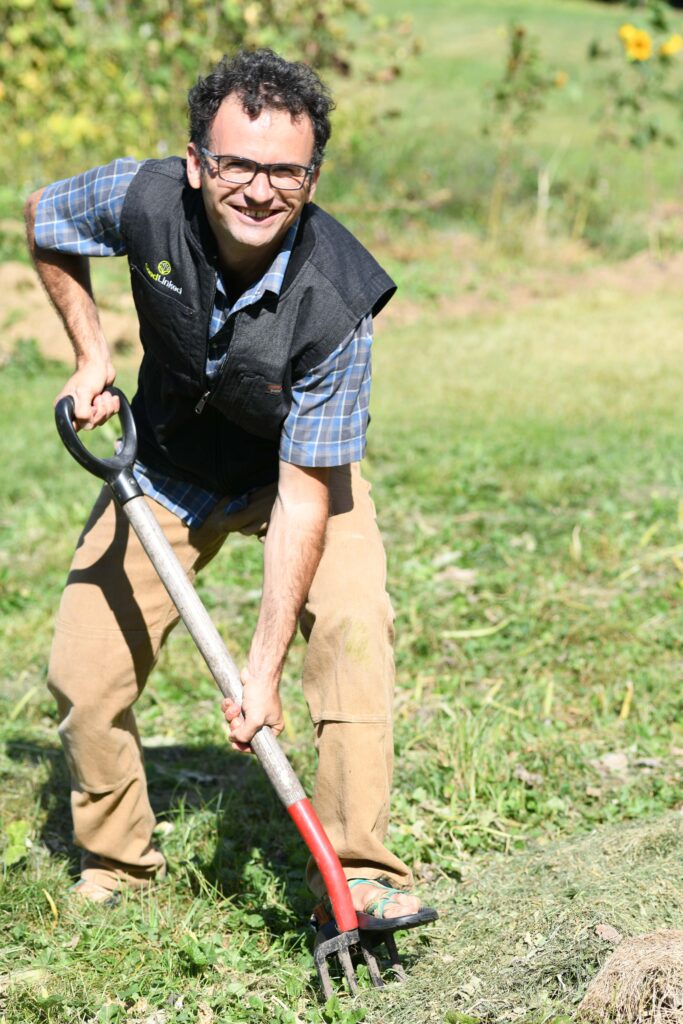
“This is one of the most exciting breakthroughs in seed system innovation,” SeedLinked CEO Nicolas Enjalbert says. “For the first time, we can unlock the full potential of genetic resources by putting powerful digital tools in the hands of everyday growers.”
A New Model for Trials
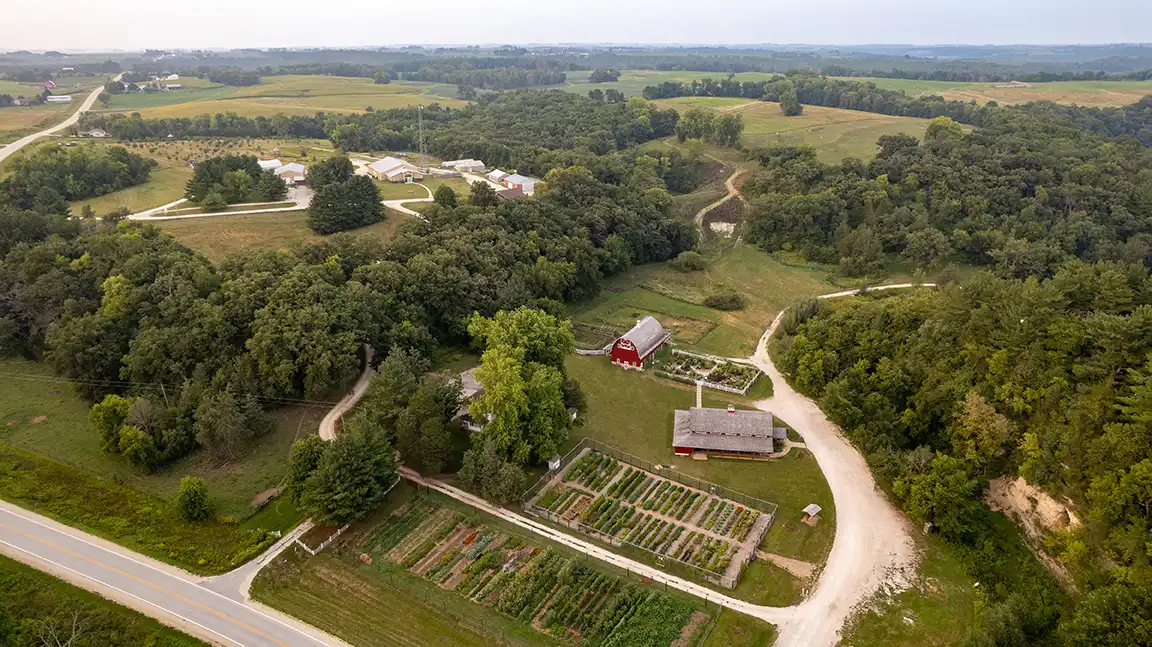
Seed Savers Exchange is a non-profit organization maintaining a seed bank of more than 27,000 heritage and open-pollinated plant varieties, enabling direct seed exchanges between growers. They have over 100 accessions being trialed in the Community-Supported Germplasm Initiative and have recruited volunteer growers and facilitated the mailout of seed packages to participants.
The USDA’s NPGS includes 22 gene banks that collect and preserve more than 600,000 crop cultivars, wild relatives, and landraces. One of the most important parts of the system’s work is evaluating this genetic material so it can be used by breeders and researchers.
“This is by far our most resource-consuming activity,” Marilyn Warburton, research leader at the USDA ARS Plant Germplasm Introduction and Research Testing Unit in Pullman, WA, says. “We do a lot of that with our collaborators, with university partners, with other USDA ARS partners, and with private companies.”
Crowdsourcing Lowers Costs
SeedLinked, launched in 2019, connects farmers, breeders, and gardeners in collaborative trials. The platform uses mobile and web technology to gather phenotypic data and feedback from growers around the world.
Participants range from backyard gardeners to small-scale farmers to school groups. They can search for seeds, join research projects, and provide performance data. Growers and breeders access this data to inform decisions, develop more locally adapted varieties, and better understand trait behavior in different environments.
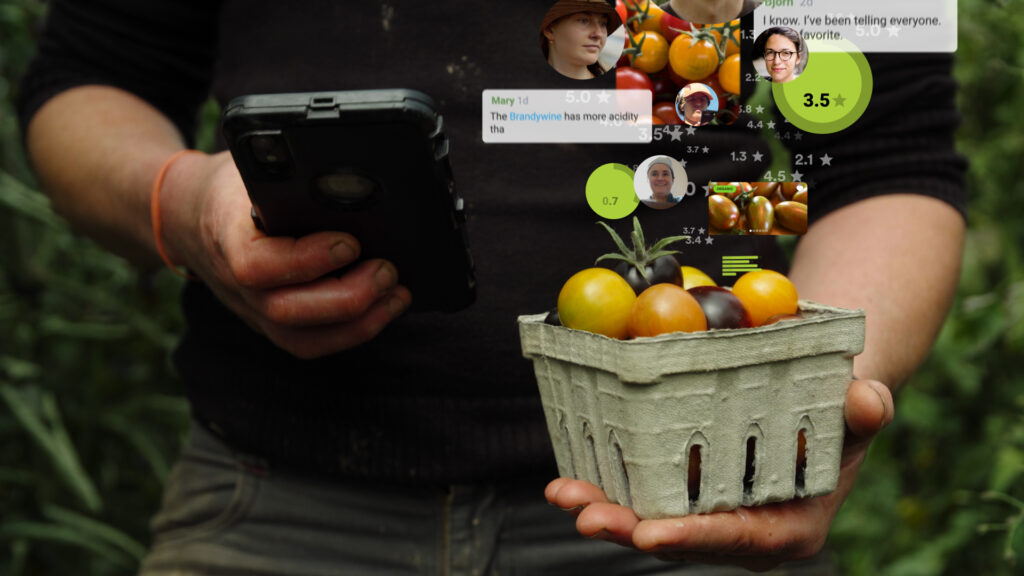
“By integrating distributed grower knowledge with mobile tools, it becomes possible to characterize traits under authentic growing conditions — whether in hot, dry climates or organic systems,” Enjalbert says.
Crowdsourcing decreases the cost of evaluation significantly. Traditional field trials often cost $300–$500 per variety per location. Thousands of accessions, including those with small markets or niche uses, are left uncharacterized. SeedLinked’s model brings this cost down to less than $150 per accession, with results coming from 15–20 locations.
“We’ve examined the robustness of data collected with SeedLinked,” Warburton says. “The correlation between results from a thousand backyard growers and five rather expensive field trials is very high. We can confidently feed these findings into the system, knowing they are accurate.”
From Backyard Growers to Global Data
Volunteer growers are enthusiastic. In total, the Initiative has 1,500 participants characterizing 250 accessions including beans, vegetables, and ornamentals from both Seed Savers and NPGS.
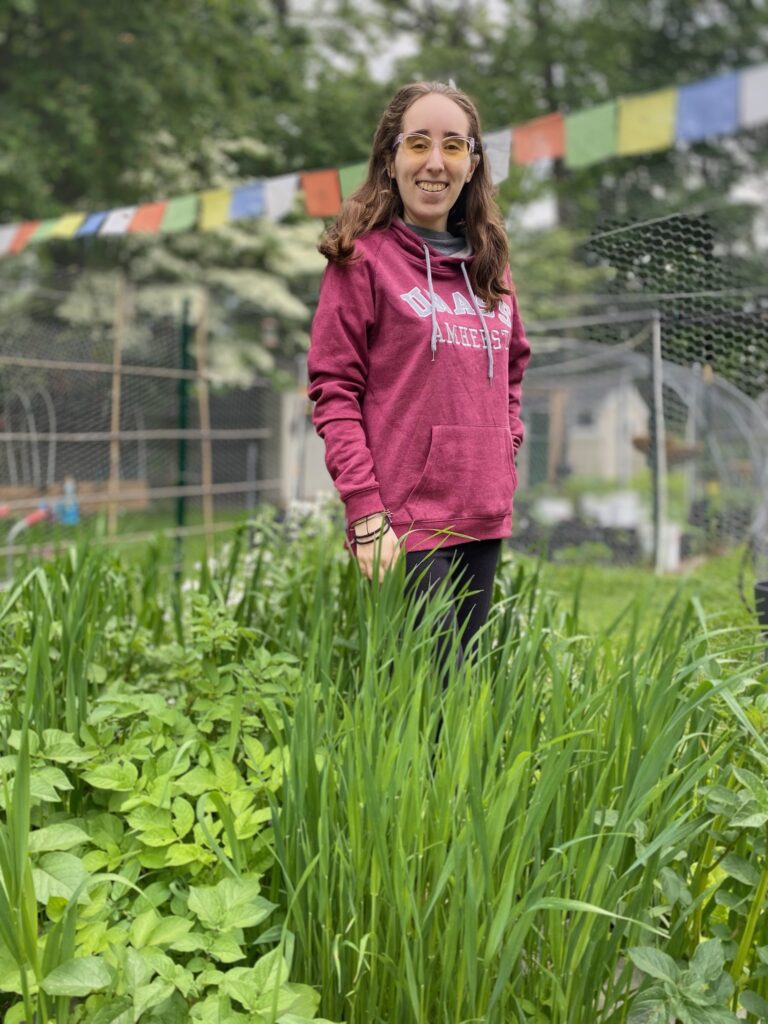
Melissa Rose Lawrence, a backyard grower in New Jersey, is currently participating in five trials: eggplant, red okra, beefsteak tomato with Seed Savers Exchange, and tomato and common beans with the NPGS.
“I’m just one data point, but this data point can make a difference — maybe to the growers or the future breeders who filter through all the information,” Lawrence says.
The collected data is available through SeedLinked and will also be integrated into the NPGS’ Germplasm Resources Information Network (GRIN) database, making it publicly accessible to global researchers and growers.
“We are excited to start entering the first year’s data into GRIN,” Warburton says.
Building Toward a Participatory Future
Because trials take place across a range of climates and growing conditions, the resulting data offers insights that traditional single-site trials lack. Enjalbert explains that SeedLinked is also using AI tools to help summarize the flood of information coming in.
“When you get hundreds of comments, it’s hard to analyze everything,” Enjalbert says. “These tools help distill key themes and improve how feedback is used.”
The NPGS also performs genotyping where possible, sequencing genetic material to look for associations between genes and observable traits.
“Plant genetic diversity is where all breeders and geneticists go if there’s a new problem that they’re trying to solve to create new cultivars for U.S. farmers,” Warburton says.
Enjalbert sees potential for growth. “Participants are connected to experts who share knowledge,” Enjalbert says. “They love being part of a community. I have a bold goal to have 30,000 users by 2030. If we had 30,000 people contributing, we could characterize more than 6,500 accessions every year, at more than 20 locations.”
For SeedLinked, next steps include building predictive models that combine genotypic, phenotypic, and environmental data to estimate how untested varieties might perform.
“Now you can say, ‘I trialed 25% of the seed bank, and with this model and sequenced data on the rest, we can predict the performance of the entire collection,’” Enjalbert says.
This collaboration is not only making genetic resource evaluation more efficient — It is also connecting growers and creating a future where more people can take part in shaping resilient, regionally adapted crops for the years ahead.
“The future of seed research is participatory, and it’s a future we’re inviting others to help shape,” Enjalbert says.