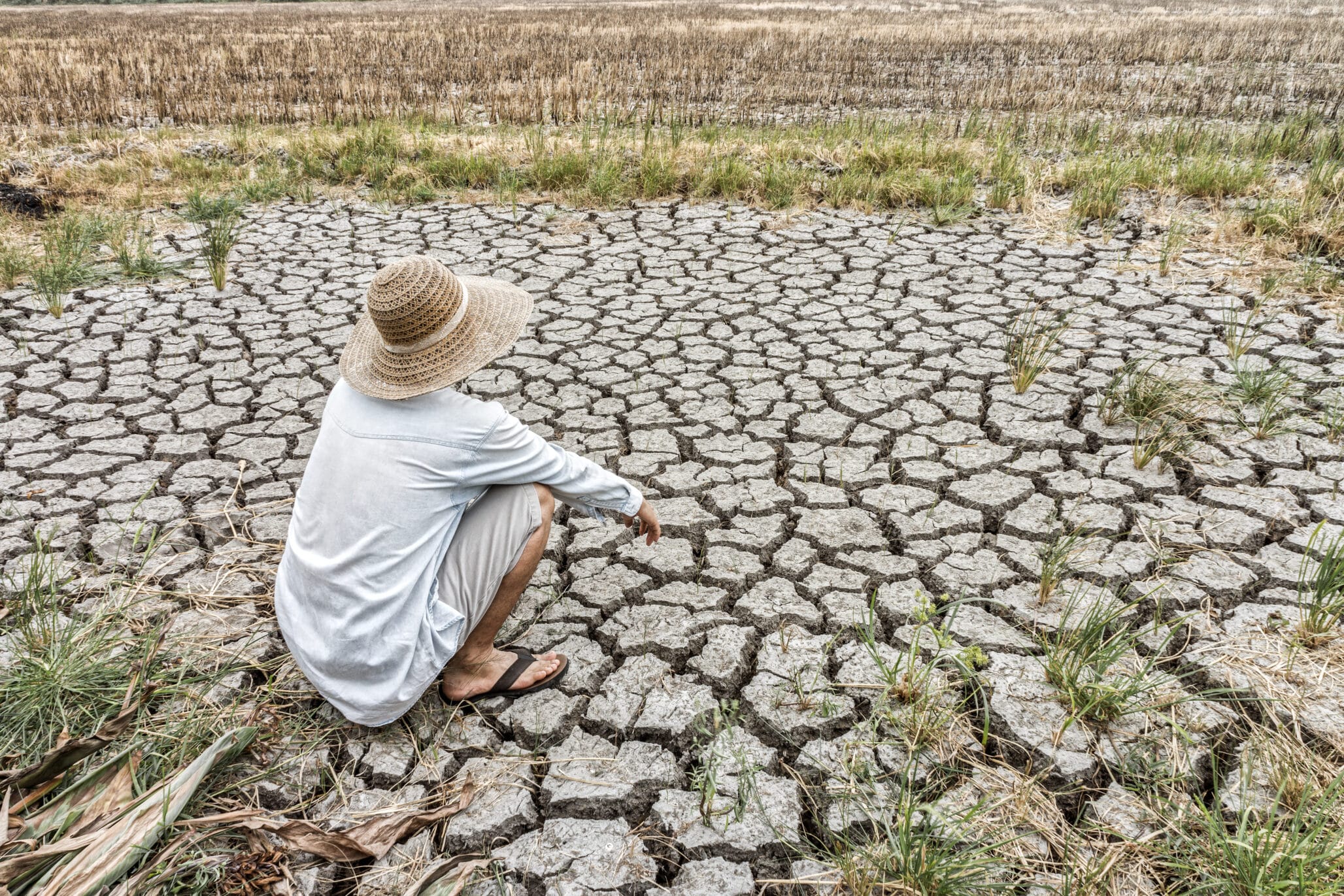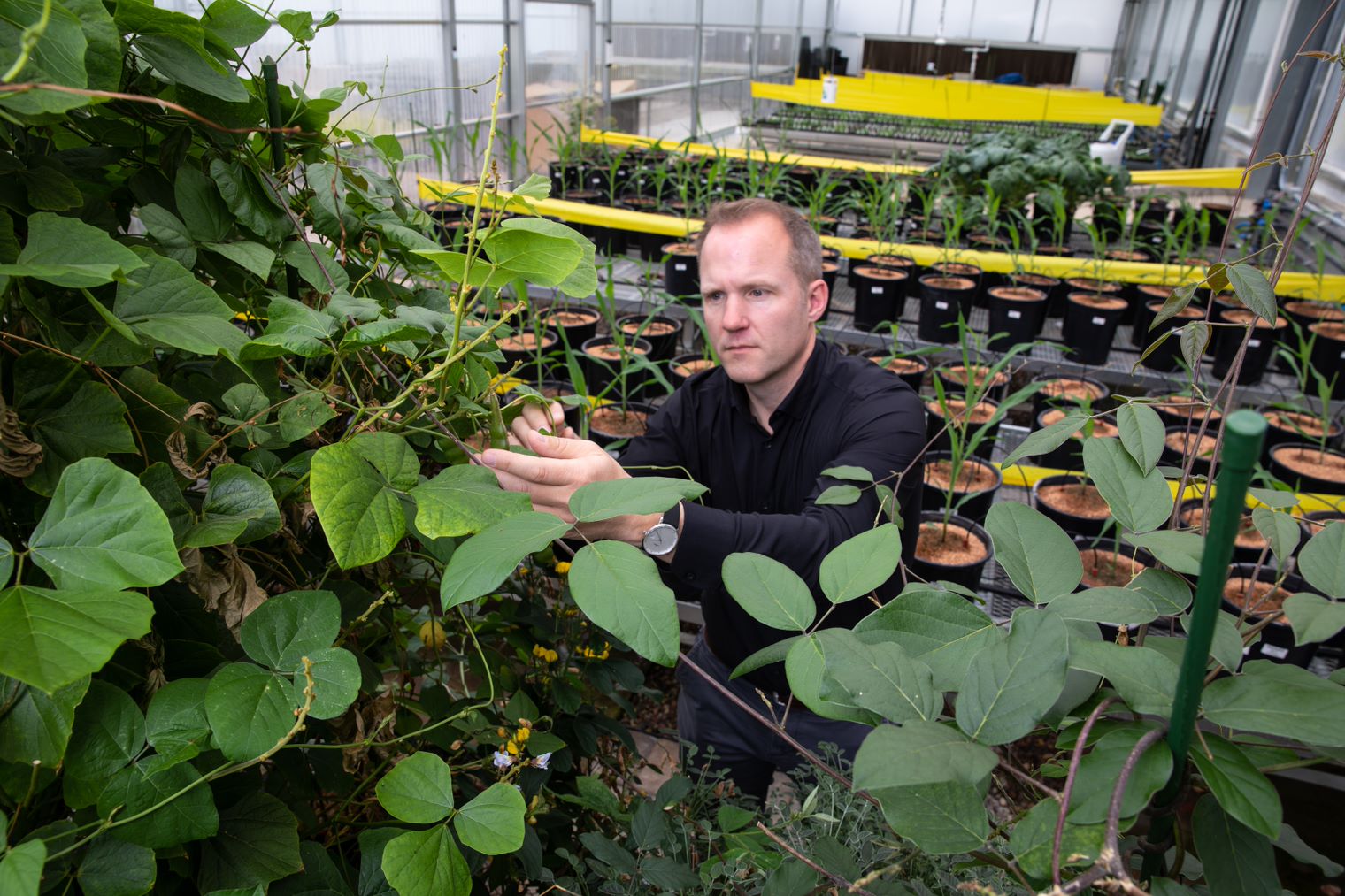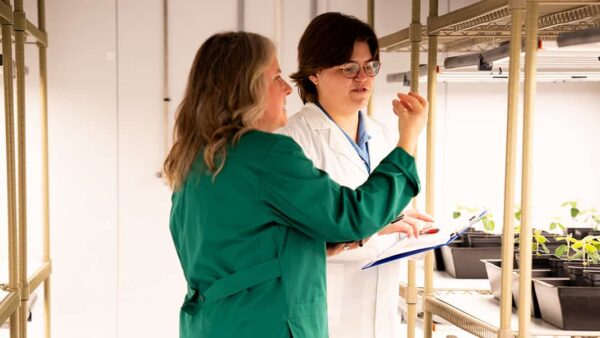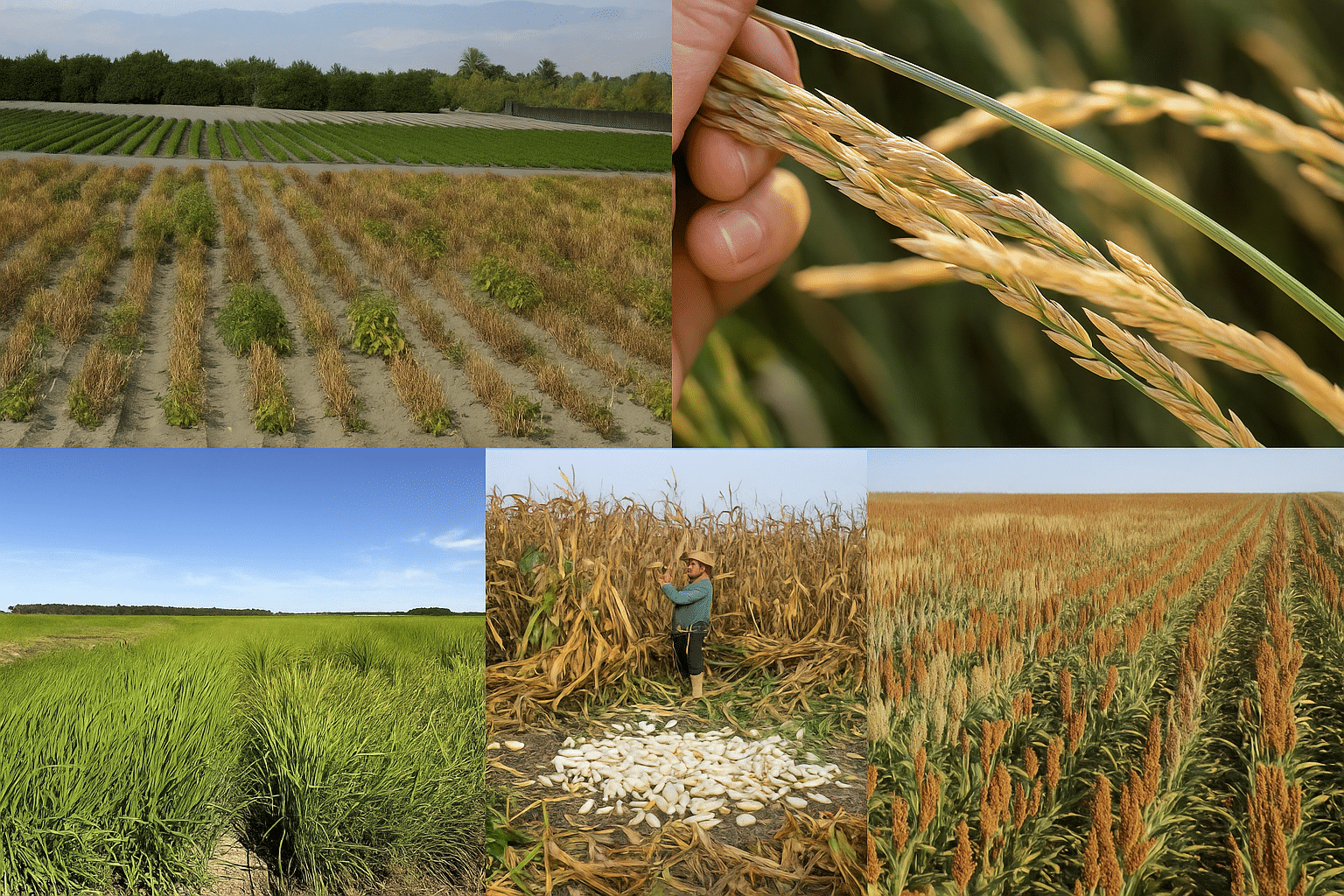
From sorghum that stays green through heat waves to rice that shrugs off salty soil, these five crops are proving that when the weather turns extreme, innovation takes root.
As those in the seed industry well know, the achievements of crop breeders over the span of human history are truly astounding. Now, as we navigate an era of shifting weather patterns, especially more frequent and longer droughts, crop breeders continue to make unprecedented progress with many crops. Let’s focus on five of crops being super-fortified to perform effectively under water stress — and what’s next.
Sorghum: The Crop that Laughs at Heat
Naturally drought-tolerant and heat-resilient, sorghum is gaining renewed attention as climate extremes push traditional crops to their limits. Bill Rooney spearheads the sorghum breeding program at Texas A&M (likely the largest U.S. public breeding program for this crop). He points to three main traits of note. These are ‘stay-green’ drought tolerance, which has a direct effect on standability, lodging resistance and nitrogen use efficiency.
“The traditional approach… was often visual selection for stay-green and standability, which was validated by yield productivity in drought-prone environments,” Rooney says. “More recently, marker-assisted selection for stay-green drought tolerance is being used by different programs to maintain a steady level of drought tolerance in elite sorghum germplasm. In other traits related to improvement of lodging resistance in sorghum, there’s a combination of genetic, agronomic and breeding approaches aimed at strengthening plant architecture and reducing susceptibility to environmental stresses.”
Rooney says researchers are now studying biological nitrification inhibition in sorghum roots — a process that reduces nitrogen loss through N₂O emissions. He notes that for many of these traits, marker-assisted selection, genomic selection and gene-editing are the only logistical means for selection within breeding programs.
“Given that drought tolerance has always been a priority in sorghum breeding programs, it’s reasonable to expect continued gains at a modest rate in the next few years,” Rooney says. “If new genomic and phenomic technologies are identified and prioritized, it’s possible that specific significant improvements in drought and lodging tolerance as well as nutrient-use efficiency could be available in new sorghum hybrids within ten years.”
Perennial Crops like Kernza®: The Grain That Never Quits
Because they have root systems from previous seasons, perennial crops such as alfalfa perform well during drought — while also providing benefits to the soil and more. This is why breeders at The Land Institute in Salina, Kansas are working with partners to create new many perennial grains, legumes and oilseed crops. The Institute’s Lee DeHaan, lead scientist for Kernza® perennial grain domestication, says so far, among all the perennial grains, perennial rice is the most advanced, with yields on par with elite varieties of conventional rice. Field trials continue in China, Southeast Asia and Africa.
Kernza®, a trademarked perennial grain, is an intermediate perennial wheatgrass and a true drought superstar because its roots can extend more than 10 feet down. And after harvest, the remaining leaves and stems are ready for beef cattle to graze.
The University of Minnesota is a partner in Kernza® trials and commercialization, with Jacob Jungers leading the charge there. He notes that Kernza® was developed through domestication (with the other way to create a perennial crop being hybrids of an existing annual grain and a perennial relative.)
In the breeding side, Jungers says the wheatgrass genome was sequenced about a decade ago, which allowed genomic selection with Kernza® instead of time-intensive traditional crossings. So far, Jungers says breeders have focused on improving typical domestication above-ground traits such as reduced seed shatter, uniform maturity, threshability and grain yield. However, he and his colleagues are investigating if these breeding activities have inadvertently changed the root traits of advanced grain-type lines. To see how specific above-ground traits may be correlated with root traits, the team has taken root images with tiny cameras inserted into glass tubes.
“The photos can also be used to determine if root traits are associated with any genetic markers,” Junger says, “Therefore, we can begin building a genomic selection model that could predict root traits of future varieties. Early results are promising.”
Drought-Tolerant Maize: This Isn’t Your Granddad’s Corn
Corn is a critical crop in many parts of the developing world, as it is in developed countries, but it’s a plant that has historically needed a lot of water. However, at The International Maize and Wheat Improvement Center (CIMMYT) in Kenya, Yoseph Beyene and his colleagues continue the institution’s long history of success in developing drought-resistant corn.
“CIMMYT’s breeding program uses cutting-edge technologies such as double haploid technology, molecular markers, pedigree breeding and transgenic methods, where national policies permit,” he explains. “Additionally, genomic selection predicts the best candidates for high yield under drought and normal conditions, accelerating the breeding process and saving costs.”
Beyene says that in Zimbabwe, households planting drought-tolerant maize harvested 617 kg more grain per hectare, enough to feed a family for over nine months. In Uganda, yields increased by 15% and the risk of crop failure dropped by 30%, especially in drier regions.
“Similarly, in Malawi, drought-tolerant maize yields increased by 44% and the adoption of newer maize hybrids has accelerated, with the average age of varieties decreasing from 14 to 10 years between 2014 and 2021,” he notes.
CIMMYT is also collaborating with U.S.-based seed companies to develop genetically modified (transgenic) drought-tolerant maize tailored for African conditions.
Beyene predicts that within the next five to 10 years, AI and machine learning will enhance drought-tolerant maize breeding by analyzing phenotypic, genotypic and weather data to develop adaptable lines and hybrids across Africa and beyond.
Cowpea: Small Seed, Big Climate Swagger
Highly-nutritious and even called the “poor man’s meat,” cowpea is a saviour crop in poor soils and scorching heat. As a legume, it also improves soil health. University of California Riverside has long had a cowpea breeding program and team member Bao-Lam Huynh notes that the drought tolerance of cowpea varieties is variable. It can be affected by drought timing and severity, coupling with heat stress, soil nutrient deficiency, pests and diseases.
“These problems are prevalent in cowpea production regions in the Sudano-Sahel region of West Africa, causing typical on-farm cowpea yields to be far below known yield potential,” he says.
In California’s Central Valley, root-knot nematodes, aphids, lygus and Fusarium wilt diseases are prevalent, causing significant reductions in yield and quality of standard cultivars.
“Our cowpea breeding program aims to develop new improved varieties with multiple resistance,” Huynh says. “This effort is enabled by the rich collection of resources developed over years here. They include pest biotype collections, field- and lab-based resistance bioassays, genetic markers and germplasm collections of host crop genetic diversity.”
Huynh says resistant genes from African cowpea germplasm are stacked into new generations using bi-parental and multi-parental marker-assisted breeding strategies.
“Our research shows that while biotic resistance in cowpea typically involves major genes, drought tolerance is affected by multiple loci with minor effects,” he explains. “This genetic complexity plus variable drought conditions form the biggest breeding challenges to make advances in drought tolerance.”
Nevertheless, new improved varieties already have been released in the United States and West Africa. Huynh adds, “we are hopeful that in five to10 years and beyond, on-farm cowpea yields will be improved significantly in the presence of drought and other biotic and abiotic stresses.”
Rice: Built to Thrive Where Freshwater Fades
While irrigation is an important way to handle a drought, it’s causing soil salinity issues in rice fields around the world.
“Globally, most public and private rice breeding efforts are now focused on abiotic stress, including drought and salt tolerance,” says University of Arkansas professor of rice breeding and genetics Christian De Guzman. “Each abiotic stress tolerance breeding effort will usually focus on the target environment such as rain-fed irrigated rice for drought tolerance and production in areas with salt intrusions near the coasts or soil with high salinity.”
De Guzman and his colleagues are currently working on identifying rice types that experience minimal impact on yield under drought conditions and incorporating that trait into elite lines. He’s happy to share that there is “clear progress” in breeding for drought- and salt tolerance, but at the same time there is a big challenge. That is, most rice types with tolerance to drought and salt are non-adapted, so it’s not easy to find ways to transfer the trait rapidly to elite lines without dragging undesirable traits from exotic germplasm.
“I imagine that in about five years, we will see inbred rice varieties with drought and salt tolerance available and used in target environments with yield and grain quality similar to modern varieties,” he says. “With continued research, in the next 10 years, we will discover newer rice types with more durable and stronger resistance/response to drought and salt tolerance.”
As climate volatility reshapes global agriculture, drought-resistant crops are becoming more than research milestones — they’re lifelines. Each breakthrough, whether rooted 10 feet deep or mapped in a genome, reminds us that resilience isn’t just a trait in plants. It’s a defining mission for the seed industry itself — a relentless pursuit to ensure farmers everywhere have the genetics, tools, and knowledge they need to thrive when the rain doesn’t come.