Lima, Peru proved a missed moment for the future of plant genetic resources.
In late November, representatives from 154 countries gathered in Lima, Peru under the Food and Agriculture Organization of the United Nations (FAO) with a shared mandate: to strengthen the International Treaty on Plant Genetic Resources for Food and Agriculture. After more than two decades in force, the Treaty sits at the heart of how plant genetic materials are accessed, shared, and improved across borders. It was designed to balance two critical needs: facilitated access to plant genetic resources for research and breeding, and fair and equitable benefit-sharing with the countries and institutions that steward biodiversity.
That balance is now under intense strain. Digital Sequence Information (DSI), new breeding technologies, geopolitical sensitivities around biodiversity, and growing overlaps with the Convention on Biological Diversity (CBD) have all complicated how the Treaty functions in practice. Expectations heading into Lima were high. For many in the seed and breeding sectors, this meeting represented a long-awaited opportunity to modernize a system increasingly out of step with scientific and commercial reality.
High Expectations Going into Lima
Instead, the outcome left many deeply disappointed.
“If you ask me like this, I could say, wow, it was a lost opportunity,” said Michael Keller, Secretary General of the International Seed Federation (ISF). “Wow, it was again a lost opportunity to build a real dialog, to build the dialog of all the actors about the importance to work together in favor of maintaining biodiversity and thinking about feeding the populations of the world.”
Keller added bluntly, “At the end, we are at the same level as 13 years ago.”
For Jasmina Muminović, Chair of the Genetic Resources Coordination Group of the International Seed Federation and Head of Genetic Resources at Bayer, the disappointment began almost immediately in Lima.
“We went with very high hopes that the outcomes will really make sense to the international community, to the International Treaty, to the plant breeding sector,” she said. “Unfortunately, already at the very beginning, the first day, with the opening statements, it was already very challenging to see a positive outcome, because many countries were stating that they were not actually in a position to accept the package deal, which, like we said, has been discussed for more than a decade.”
From Stalemate to Full Stop
Rather than representing a pause in negotiations, the Lima outcome amounted to a halt.
“No, unfortunately, it’s not a pause. It’s the stop of the process,” Muminović said. “There is no formal plan to continue with the process in the next whatever number of years… it is a full stop.”
With no roadmap for continued negotiations before the next Governing Body session in two years, the sense among many delegates was that momentum had not only stalled, but evaporated entirely, said Muminović.
Sovereignty vs. Shared Responsibility
One of the most troubling shifts in Lima was not simply disagreement over benefit-sharing rates or payment mechanisms, but a deeper philosophical divide. Keller noted that discussions increasingly centered on national sovereignty over genetic resources.
“It disturbed me, perhaps even more than the discussion about rates,” he said. “It was far more the debate about national sovereignty: ‘I am owning the genetic resources in my country’… where can this go when we are not even able to say, ‘hey, we have a joint responsibility’?”
That lack of shared responsibility, Keller warned, undermines the very foundation of global food security.
“No country is independent. We need to cooperate together,” he said, expressing concern that the spirit of non-cooperation could threaten not only access, but conservation itself.
Searching for a Path Forward
Despite the failure to reach agreement, the Treaty itself remains intact. Muminović emphasized that the system continues to function, albeit without the enhancements many had hoped for.
“The negotiations have failed, but in the end, the Treaty stays as it is,” she said. “So, the failure of the system does not mean that the system ceases to exist.”
The existing framework, including the Standardized Material Transfer Agreement (SMTA), will continue to allow breeders to access, use, and commercialize material from the Treaty’s Multilateral System. However, the lack of reform carries consequences.
“The benefit sharing components… will remain limited, because certain options that were on the table for discussion for the enhancement have not been adopted,” Muminović explained. Expanded access to non-Annex I crops remains difficult, and the treatment of DSI is increasingly being shaped in other international forums, including the Convention on Biological Diversity.
Looking ahead, Keller stressed that stagnation cannot be an option.
“We cannot stop here,” he said. “We will not stop here, but now it’s time to think also out of the box.”
He pointed to emerging ideas such as “a system of the willing” or “mini-lateralism” as possible ways to move forward in a fragmented political environment, even if formal Treaty reform remains blocked.
Seed Sector Commitment Beyond Lima
For the seed sector, disappointment has not translated into disengagement. Muminović made clear that industry commitment remains strong.
“We are disappointed, but I think we still have some hopes that it will continue,” she said. “We will definitely have as a seed sector intention to continue using and leveraging and providing back the benefits sharing to the system in a monetary and non-monetary direction.”
Lima may not have delivered progress, but it clarified the stakes. As biodiversity pressures grow and innovation accelerates, the need for global policy reform is rising.
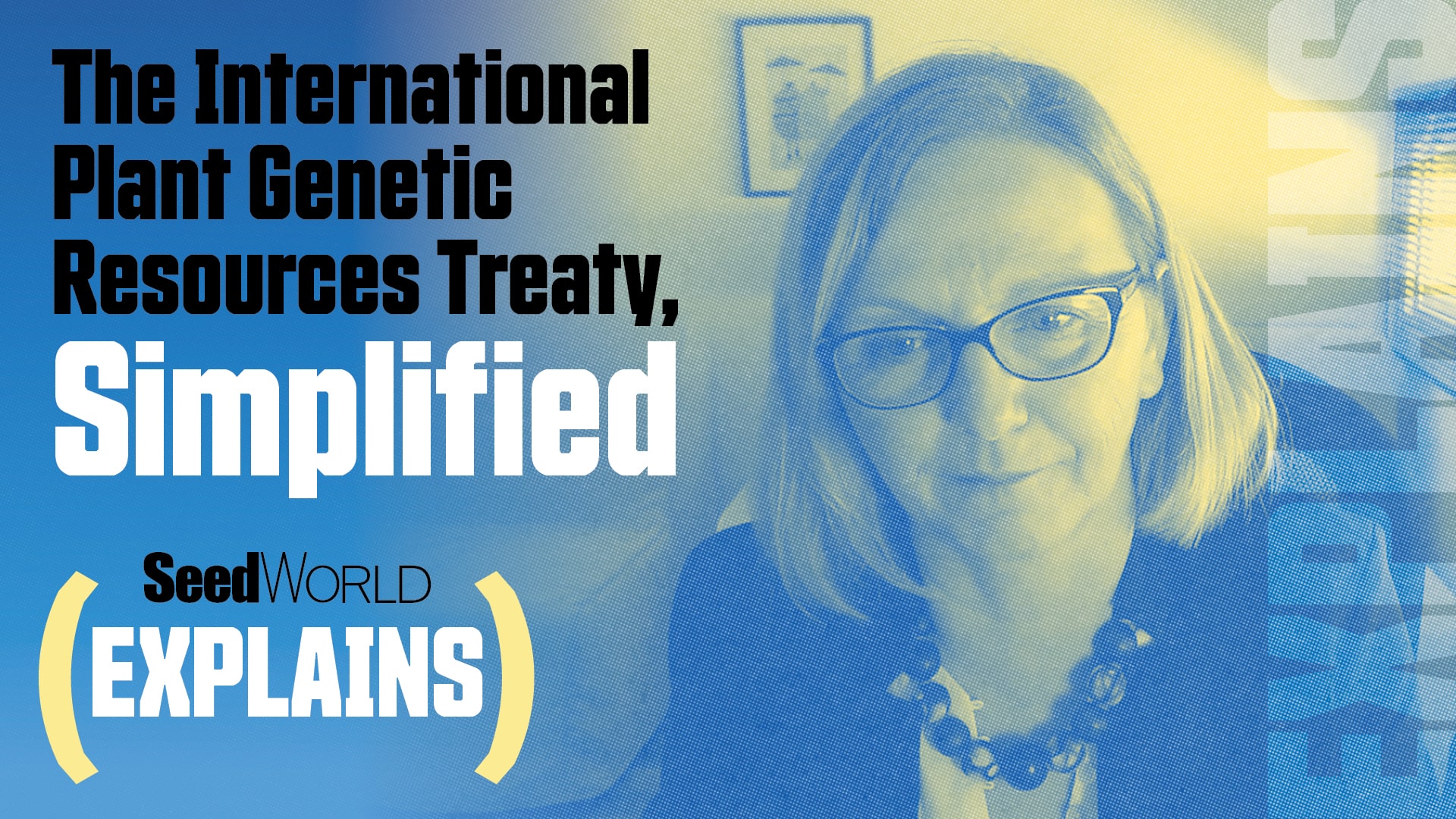
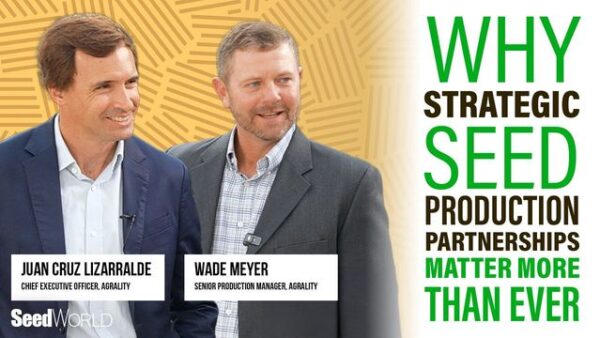
To watch a full interview with Jasmina Muminović and Michael Keller, watch the video above.