A war unfolding across the Middle East is already sending signals through global energy and fertilizer markets — and those shifts could eventually touch the seed industry.
The conflict involves Iran, Israel, the United States and other actors across the region. Like any war, it comes with a significant human cost as lives are lost and communities are disrupted.
But beyond the immediate tragedy, events in the region are beginning to affect key systems that agriculture depends on.
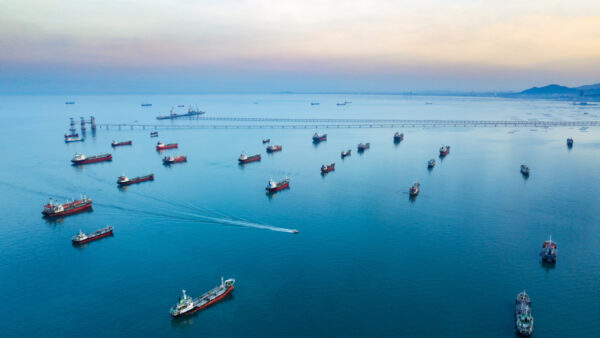
One of the most closely watched areas is the Strait of Hormuz. The narrow shipping corridor between Iran and Oman handles roughly 20% of the world’s oil supply and also serves as a major route for fertilizer exports.
Recent reports indicate shipping traffic through the strait has dropped sharply as tankers pause, reroute or wait outside the Gulf amid rising security concerns.
That matters for agriculture because fertilizer markets depend heavily on shipments moving through the region. Analysts estimate that roughly 25-35% of the world’s traded urea and ammonia fertilizer moves through the Strait of Hormuz.
When trade slows or becomes uncertain, fertilizer markets can tighten quickly. Early reports already suggest rising urea prices as energy costs increase and traders respond to potential supply disruptions.
Energy markets have also reacted. Crude oil prices jumped roughly 10 to 13 percent in the early days of the conflict as traders priced in possible supply risks.
Higher oil prices often ripple quickly through agriculture. Diesel costs rise. Nitrogen fertilizer becomes more expensive to manufacture. Transportation costs increase across the supply chain.
Those pressures can ultimately affect seed.
Seed production, particularly for crops such as corn, canola and other hybrid crops, requires significant fertilizer inputs. When fertilizer and energy prices rise, the economics of producing seed can shift quickly for seed companies and the growers who produce seed crops.
Farmers may also respond to higher input costs by adjusting cropping decisions or fertilizer use, which can influence seed demand across different crops.
For leaders across the seed sector, the situation is worth watching closely. The seed industry sits at the very beginning of the food system, and shifts in energy, fertilizer and logistics often show up there early.
The situation continues to evolve. But it serves as another reminder that the seed business operates in a global system — and events far outside agriculture can still shape the economics of the crops farmers plant.