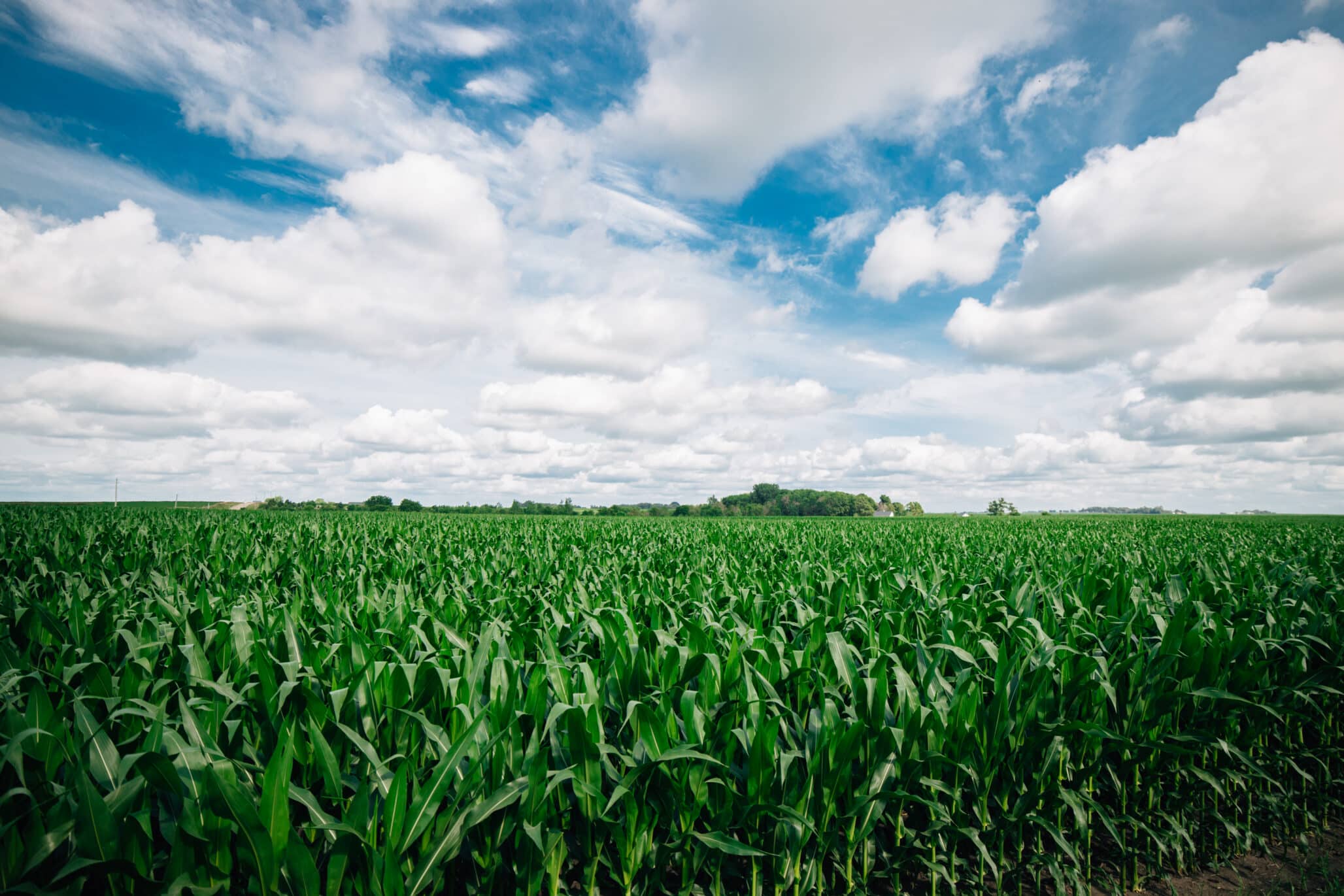

Agriculture has been built on a chemistry mindset: identify a problem, apply a product, expect an immediate and predictable response. While that approach has driven tremendous gains, it ignores the power of working with, instead of suppressing, biological systems. Soil is not a blank slate. Crops are not isolated from their environment. Every acre is a living system shaped by millions of interactions. Understanding how living things relate to each other and their environment is, by definition, ecology.
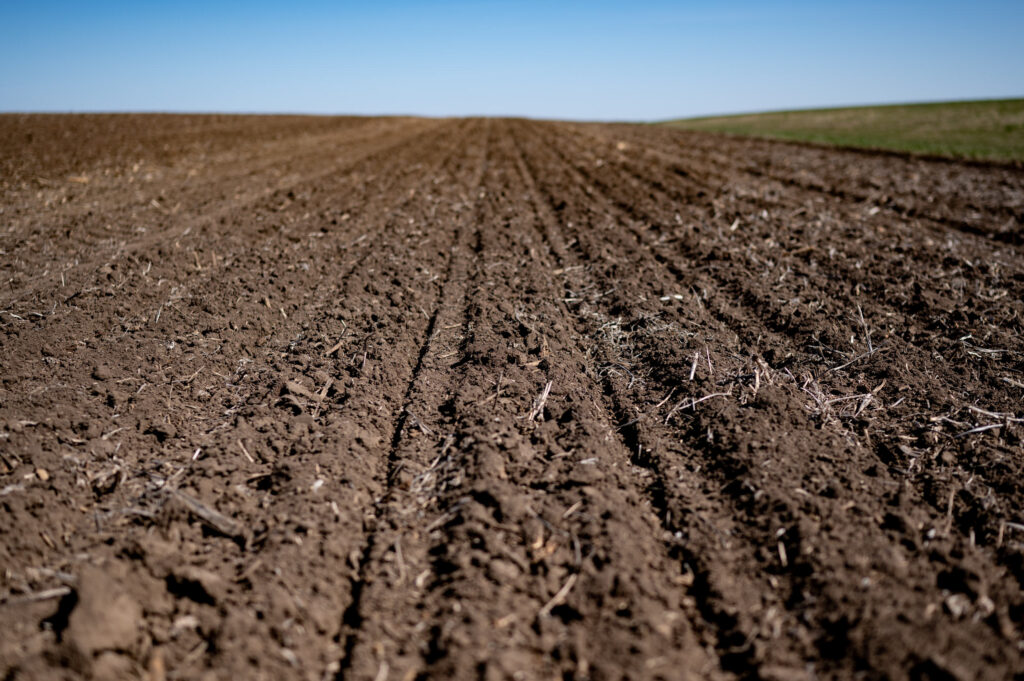
Crop performance is not just a function of inputs. All soils contain extraordinarily diverse microbial communities that mediate nutrient cycling, nutrient uptake, root development, stress tolerance, and disease pressure. These microbes are not passive! They compete, cooperate, and constantly adjust to changing conditions. Products and inputs must operate within this complex living ecosystem.
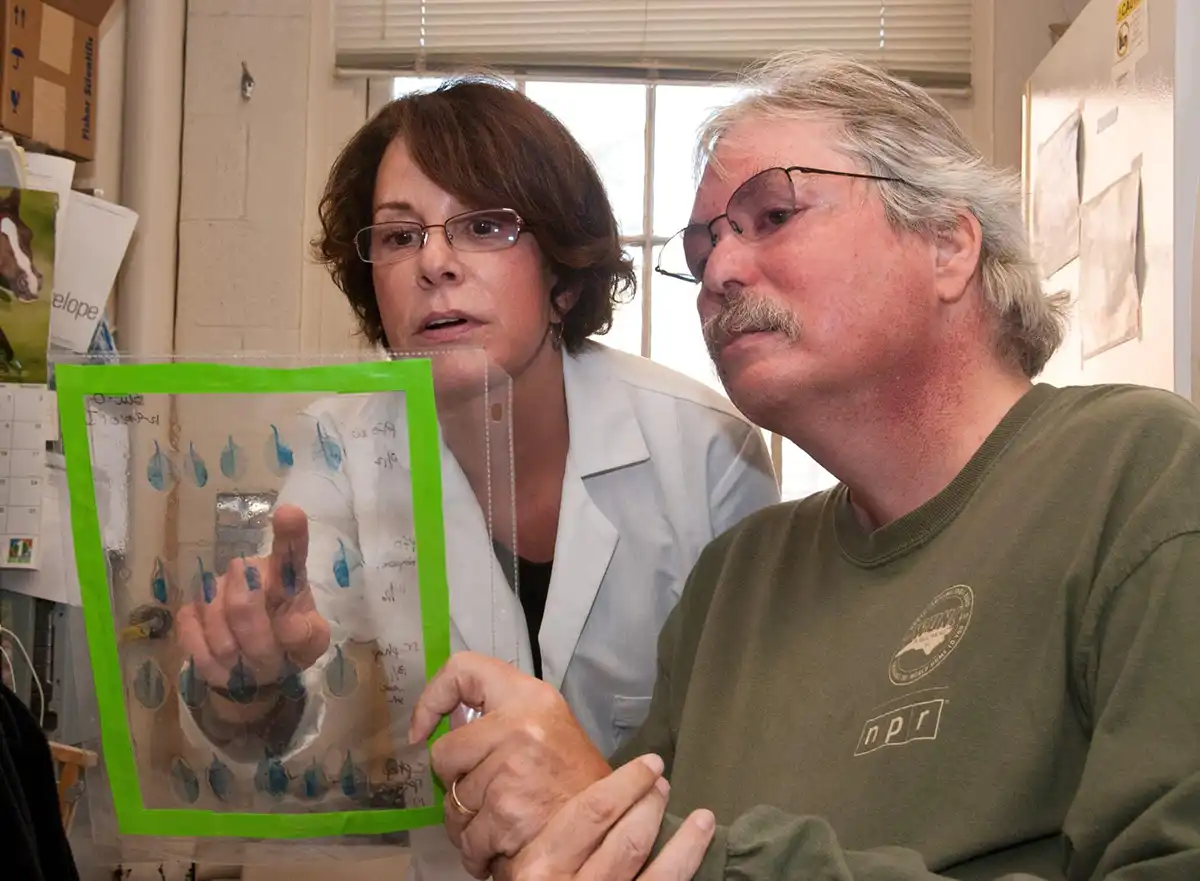
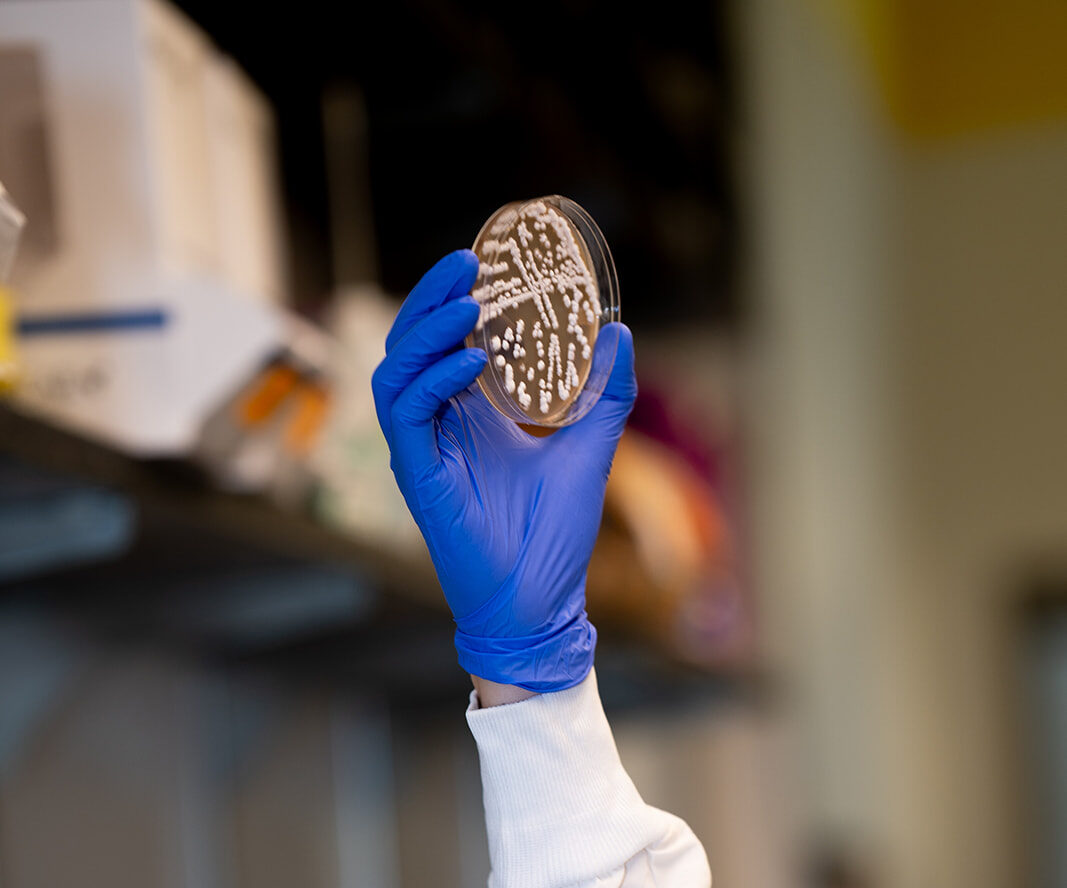
This is where many biological approaches have struggled. Products are often developed and validated under controlled conditions where performance is straightforward to observe. But once deployed in the field, products encounter a complex and variable ecosystem. In real field conditions, products can be outcompeted, shut down by the environment, or fail to deliver consistently, making results unpredictable and ROI harder for growers to trust. What works one year may not work the next year; what works well in one section of a field may provide little benefit in other locations.
The challenge is not that biology doesn’t work. It is that biology behaves differently than chemistry. Success depends not only what a microbe can do on its own, but also how it works actively with the soil ecosystem, positively amplifying the countless other organisms already present.
The right approach is to work within existing systems and focus on ecology as well as chemistry, leveraging the vital connections among microbes in soil to support crop yields. Recognizing the challenges of microbial competition for space and resources, for example, we need to deploy microbes that drive positive interactions within the existing community. Microbes that communicate actively with others in the soil can positively influence functional performance, stabilizing beneficial biological processes in soil for crop health across diverse environments and improving overall crop productivity and resilience for farmers.
By leveraging positive microbial interactions, the system becomes more efficient. Nutrient use improves, and resilience against biotic and abiotic stresses is enhanced, providing season-long support for crop growth and development. Importantly, these benefits are not confined to a single setting. The benefits show up across soil types, weather patterns, and management practices. For example, Jord’s field results with ecology-based microbial accelerator inoculants show win rates of 88% and provide yield improvements of 11–19% over elite biologicals and chemicals.
Taking an ecological perspective fundamentally changes how biological product performance should be evaluated. The question is no longer whether a product works in isolation, but whether it improves how the system functions as a whole and supports microbial teamwork for the benefit of the crop.
The future of agricultural performance will depend on how well we understand and manage the living systems that support every crop.
The shift from chemistry to ecology is not about replacing one approach with another. It is about recognizing that win-rates and yield performance result from interactions within interconnected ecological systems. Effectively supporting the ecology of soil ecosystems, and especially the interactions that support crop productivity, is key to providing the next evolution of on-farm performance growers should demand from biological products.