The inventor of the Carolina Reaper built a legacy breeding superhot peppers
He started with five-gallon buckets in the backyard. But now Ed Currie has stepped into his self-proclaimed role as the “mad scientist” of the pepper industry with record-breaking, painfully hot chili peppers.
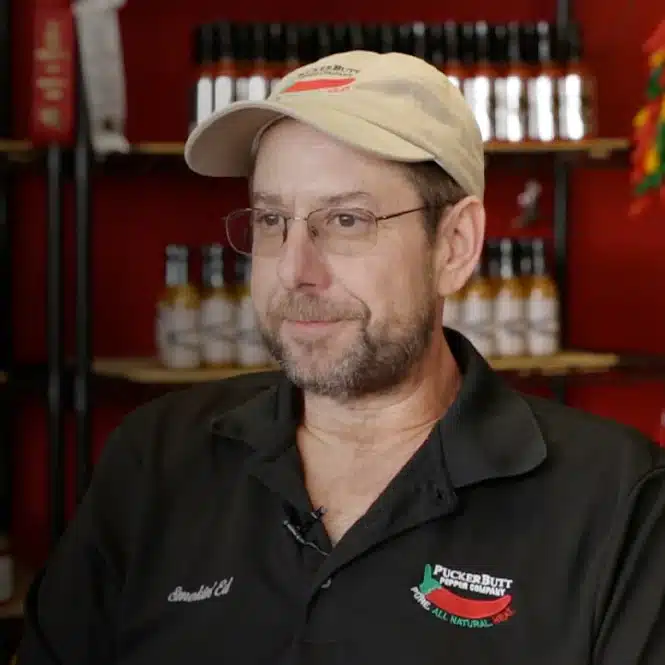
As the founder and president of Pucker Butt Pepper Company, Currie acknowledges his love of plant breeding developed in childhood, but it was a winding road to get there.
“My mother was a master gardener and we had all kinds of colorful things in the yard. I learned about cross-pollination from her,” Currie says.
But, he didn’t go straight to peppers as his passion.
“By junior high, I was a drug addict and alcoholic,” Currie says. “I read a lot of books about breeding, because I wanted to breed marijuana and be the marijuana king of the world. A couple of arrests got me off that path and I eventually went into the banking industry.”
At the same time, after years of putting his body through the stresses of addiction, Currie’s health was a concern. He ended up in the library researching cultures around the world with low rates of heart disease and cancer, which eventually led him to peppers so he started learning about breeding nightshades in 1981 in his backyard.
Over the years, Currie has been involved in several different medical studies, and he is still a believer in their healing potential.
Capsaicin has a long history of medical use for treating pain and certain skin conditions, particularly in topical and patch forms. Studies have also found potential benefits in other applications, such as neuropathic pain relief to possible anti-cancer effects. Long-term risks and broader medical role continue to be studied.
“One of the problems is the delivery method, because not everybody wants to eat a two-million Scoville pepper a couple times a day,” Currie says.
A Backyard Breeding Obsession
Currie has kept his focus on breeding peppers. He says it’s a painstaking process, involving either random cross-pollination very early in the morning as the flowers open, or emasculating the plant and pollinating it the next day. He says record keeping is also critical.
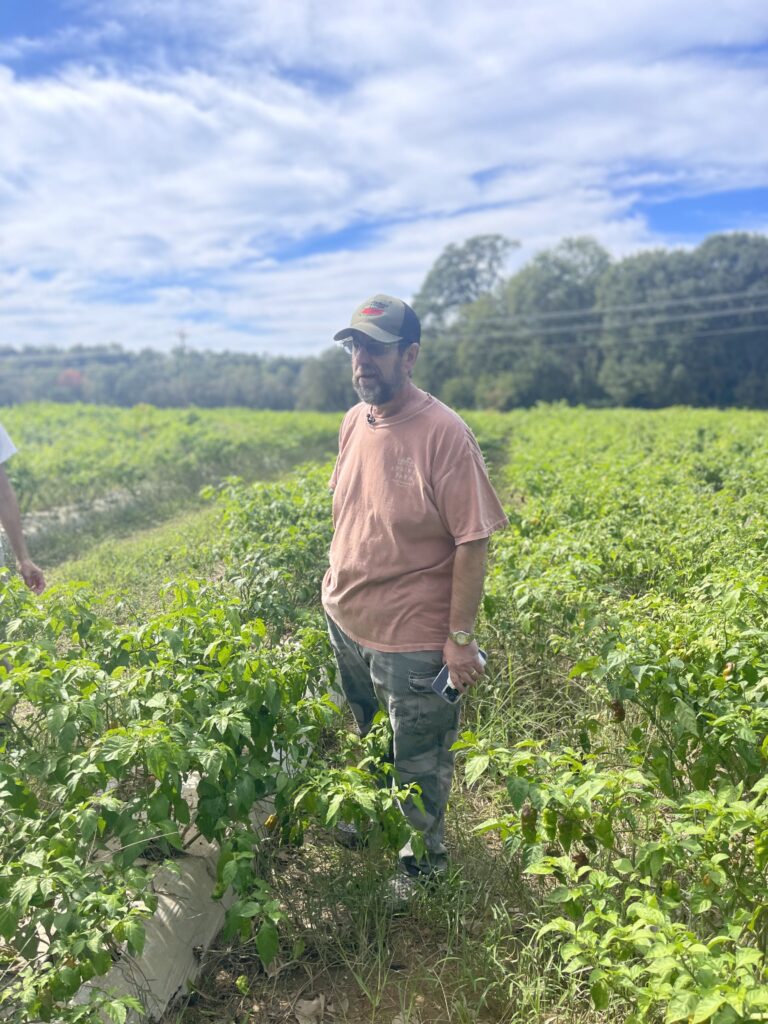
At one time, he expanded his bucket business into his neighbor’s yards, paying their electric and water bills in exchange for the space.
“It was hilarious,” Currie says. “But I still grow a lot of peppers now, even beyond my farm, because that’s just how you stabilize varieties.”
But ultimately, it just takes time. Over the years, he has turned those backyard experiments into his own hot pepper empire.
“I think I started with around 20,000 buckets in the backyard,” Currie says. “My wife was not happy.”
That many plants meant Currie and his family were soon overrun with peppers.
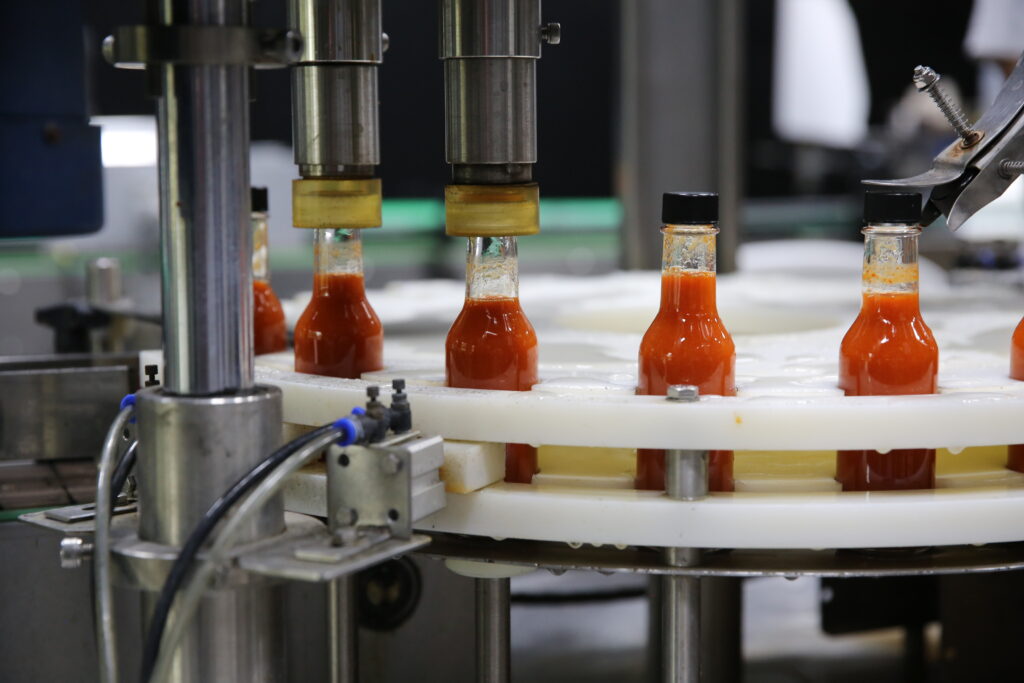
“We were harvesting approximately two to three pounds of peppers off each plant and there are only so many peppers you can eat,” he says. “So, my wife decided to sell hot sauce at the farmer’s market. That’s how Pucker Butt Hot Sauce started,” Currie says.
By 2005, they had a storefront, and by 2008, a new kitchen.
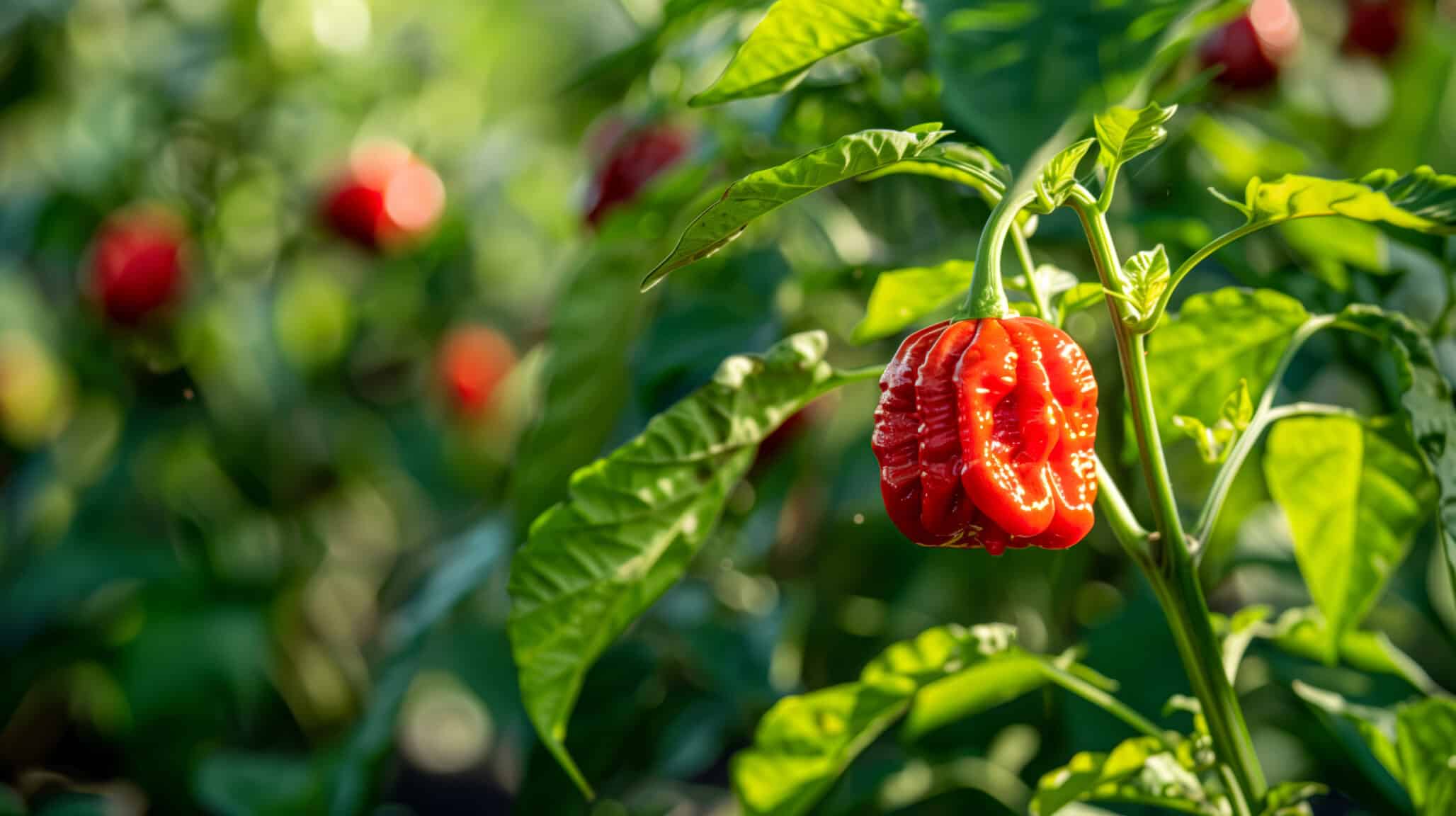
Then, in 2013, Currie received a Guinness World Record when his Carolina Reaper was officially recognized as the world’s hottest pepper with an average of over 1.5 million Scoville Heat Units (SHU).
This brought Currie media attention and opportunities, including collaborating with the brand First We Feast to create specially branded sauces for their YouTube show Hot Ones, which brings in millions of views each week.
In 2023, Currie broke his own record with his new superhot, Pepper X, which averaged 2,693,000 Scoville Heat Units (SHU) at testing.
“We have continued to expand, making different hot sauces, and eventually supplying mash to large companies,” Currie says.
From Seeds to Store Shelves
Pucker Butt also sells seeds and partnered with Bonnie Plants in 2020 to provide their plants to consumers. Bonnie is currently growing Carolina Reaper, Apocalypse Red and other peppers in limited availability, according to Joey Moorer, supply chain program manager.
“Ed’s work in the hot pepper space from the genetics standpoint is incredibly important, but equally as important is his personality,” Moorer says. “He brings awareness to the space and gets consumers excited.”
Consumers can get a head start at achieving Currie-level heat in their backyards by starting with a pepper plant from their local garden center rather than a seed.
“Anytime you can start with a plant to shorten the growth time is a good thing. And when it comes to hot peppers, specifically, even the seeds are hot,” Moorer says. “They have oil on them so it can make it a pain to harvest the seeds and handle them. In my experience, in the truest form, he is a mad scientist when it comes to pepper genetics.”
Protecting the Genetics
Partnering with Bonnie allows consumers access to “his” plants in a positive avenue. Currie says there have been attempted plant thefts from the farm over the years, but most of his battles with theft have been fought in the intellectual property space.
“I own the trademark for the Carolina Reaper but people have been using it for 10 years, and we just finished a big court battle,” he says. “Now, anyone using that name needs to license it.
He says Pepper X has only been released in mash and powder form, which will prevent anyone from growing it themselves.
Measuring the Heat
Testing peppers for a world record is a complicated process and Guinness requires multiple third-party laboratory verifications.
High-performance liquid chromatography (HPLC) is the standard for measuring the heat of a pepper. Winthrop University chemistry professor Cliff Calloway has worked with Currie for nearly 15 years, testing his hottest peppers.
Peppers are submitted blind and freeze-dried immediately, the fresher the better.
“Peppers are around 85% water so water is a major variable,” Calloway says. “We’re measuring the amount of heat-producing compounds per amount of pepper. So, if one pepper has more water than another, you’ll get misleading results.”
Dried peppers are then ground and extracted with ethanol.
“Chromatography separates compounds so that one shows up at a time,” Calloway explains. “You put your mixture in and collect data as a function of time. If the capsaicin standard shows up at eight minutes, and the pepper sample shows a peak at eight minutes, I’m confident that’s capsaicin.”
Pepper testing is a unique way for students to get hands-on experience with HPLC, which is used in many other chemistry applications
Subhead: Inside the Scoville Scale
There are more than 20 unique capsaicin compounds that can show up during HPLC testing, each with its own potency value that contributes differently to the overall Scoville value.
“To get the Scoville heat unit, you multiply that potency factor by the mass percentage of each compound,” Calloway says.
This system is an improvement over the previous method of gas chromatography used in the 1970s, and is used in a wide range of applications, from food chemistry and pharmaceutical work to environmental analysis.
“When it was introduced in the early 1900s, the Scoville value was how many times you had to dilute a substance before you stopped tasting heat, so if you saw a Scoville value of 10,000, that means you’d have to dilute it 10,000 times. It was more subjective,” Calloway says.
Why Flavor Comes First
Despite efforts to test and confirm Scovilles, Currie isn’t just obsessed with heat. He wants to enjoy the pepper flavor.
“We taste every pepper before deciding to use it. Even superhot peppers must have good flavor,” he says. “The Carolina Reaper is sweet at first, then the heat hits. That’s why sauces made with it taste great. Balancing flavor with capsaicin is key.”
And in fact, about 50 percent of his breeding is for milder peppers to increase yield and lower production costs.
What Comes After Pepper X?
And of course, Currie will keep working to create hotter peppers.
“We already have hotter ones,” he says. “There is one that is stable and four or five more we’re chasing. I grow a lot of peppers. A lot. When you put a 10-acre field out of something you’re chasing, or trying to stabilize, because of the natural genetics of the plant, you’re going to get six to eight different colors coming out of the same field.”
Pucker Butt has 11 colors of Carolina Reaper ranging from white to pitch back. For Pepper Y, which will be the next pepper, Currie currently has four or five different colors and uses a mobile HPLC unit to test each color and choose the two that score the highest.
“That unit is really cool, and it’s about 90% accurate to the HPLC that you find in the chemistry lab,” Currie says.
The peppers that score the highest on Currie’s farm get sent to the university lab for testing.
“We have students go through the field and pick the peppers so it’s totally random. And after the testing is at the university, we’ll decide which one to focus on,” Currie says.
That means Currie will be eating a lot more hot peppers in the coming years. It’s who he is.
“I may have helped bring superhot peppers into mainstream, but I see myself as one cog in a large wheel working to improve the market and educate the public,” he says.