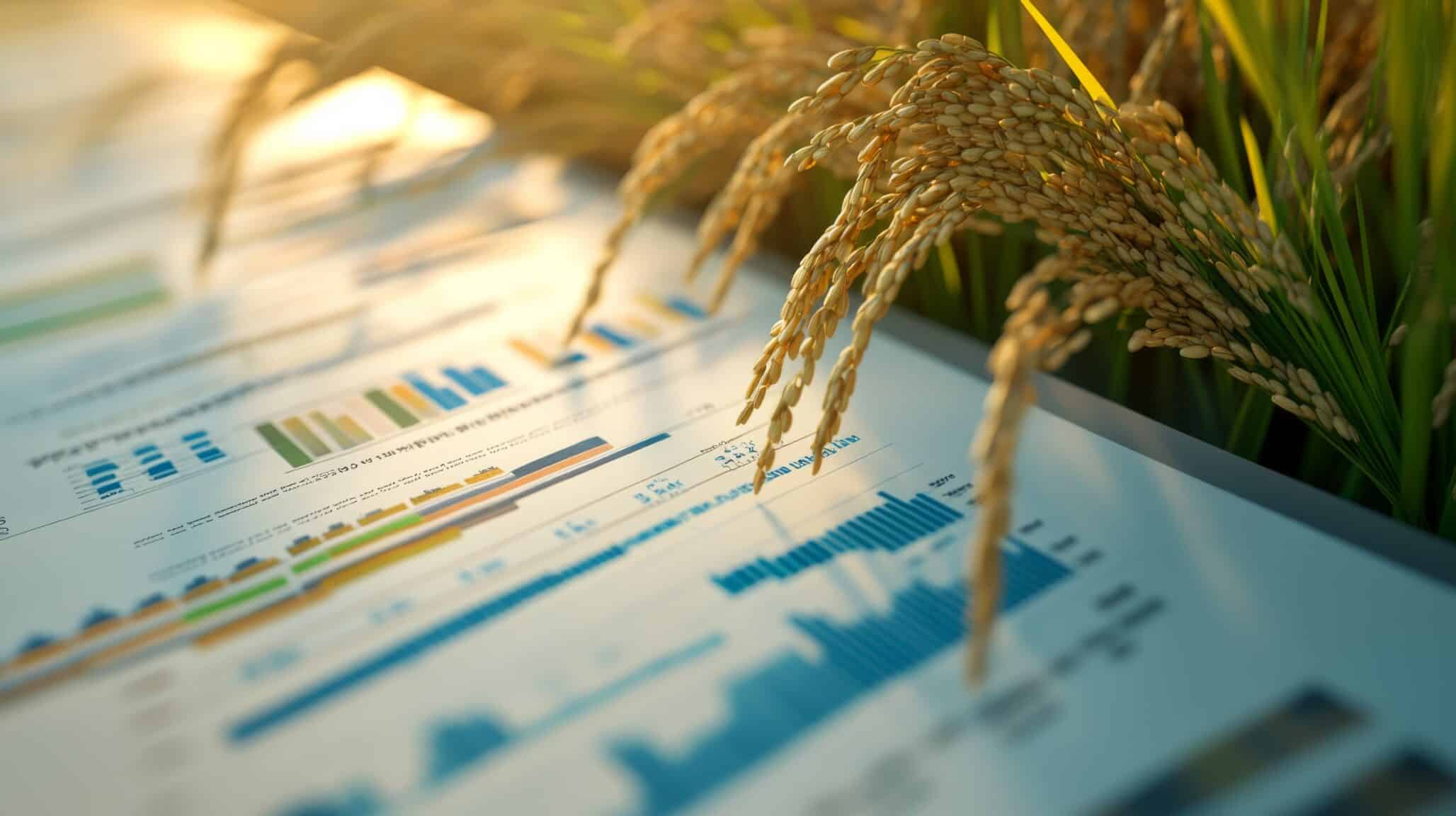
The OECD and the FAO have just come out with their annual OECD–FAO Agricultural Outlook 2025-2034. This report provides a comprehensive assessment of the ten-year prospects for agricultural commodity and fish markets at national, regional, and global levels.
Check out the recent developments, projected evolution, market trends and detailed analyses of Cereals, Oilseeds, Sugar, Biofuels, Cotton and other products.
KEY MESSAGES
- Rising incomes, especially in middle-income economies, are expected to increase the daily per capita caloric intake of meat, dairy, fish, and other animal products by 6% over the next decade. However, in low-income countries, daily intake of these nutrient-rich foods will remain low at just 143 kcal by 2034, well below the 300 kcal included in the Healthy Diet Basket used by FAO.
- Global agricultural and fish production is expected to increase by 14% over the next decade, mainly enabled by productivity improvements, particularly in middle‑income countries. However, this increased production, along with ongoing structural changes in the sector, is associated with expanded animal herds and cropland areas. Despite reductions in emissions intensity from productivity growth, this results in a 6% increase in direct agricultural greenhouse gas (GHG) emissions.
- However, scenario analysis suggests options to eliminate undernourishment and to reduce direct agricultural GHG emissions by 7% below current levels by 2034. Achieving these dual outcomes would require a 15% agricultural productivity increase complemented by widespread adoption of emission-reduction technologies, while attaining a production level sufficient to eradicate undernourishment globally.
- As demand for food and feed grows, with production often located far from consumption areas, the Outlook projects that 22% of all calories will cross international borders over the next ten years. To ensure the efficient movement of agricultural and fish products, multilateral cooperation and a rules-based agricultural trade system are crucial. These frameworks will not only enhance food security but also improve sustainability and resilience in the face of potential supply disruptions.
- Real agricultural commodity prices are projected to decline in the medium term as the overall productivity of the agricultural sector increases, putting pressure on individual farmers, and especially smallholders, at the lower end of the productivity scale to continue to raise their own productivity. Sustained improvements in efficiency, adoption of innovative technologies, better access to inputs, knowledge, and markets, and effective business risk management practices are critical for maintaining farm incomes and livelihoods.