A new look at drought-stressed switchgrass reveals why breeding and biofuel science must work together to fuel the future.
In the wake of increasingly unpredictable weather patterns, researchers are zeroing in on an underappreciated hurdle in the biofuel pipeline — the chemistry of drought-stressed plants.
At the University of Wisconsin-Madison’s Great Lakes Bioenergy Research Center (GLBRC), senior scientist Trey Sato leads efforts to understand why switchgrass grown in dry conditions produces less ethanol. The culprit? A natural compound called saponin.
“In collaboration with others, we found that high concentrations of plant molecules called saponins inhibit the fermentation of switchgrass hydrolysates to biofuels by our yeast strain,” Sato says.
Saponins are part of the plant’s innate defense system, offering protection against fungal pathogens like rust. But their increase during drought becomes a problem for downstream fermentation — the critical step where sugars are converted into usable fuel.
“One answer could be to engineer switchgrass and other bioenergy crops to make fewer saponins,” he says.
“However, saponins are important plant defense molecules… so, reduction in saponin production will likely affect the plant’s fitness in the field and potentially reduce biomass yield.”
Sato sees hope in the middle ground. Breeders might not need to choose between plant health and fermentation potential. The yeast itself could evolve to do the heavy lifting.
“There is hopefully a middle ground, where the plant produces enough saponins to resist most fungal pathogens, while genetic engineering can make the biofuel-producing yeast more tolerant to those saponins,” he says.
The Hidden Chemistry of a Hotter Future
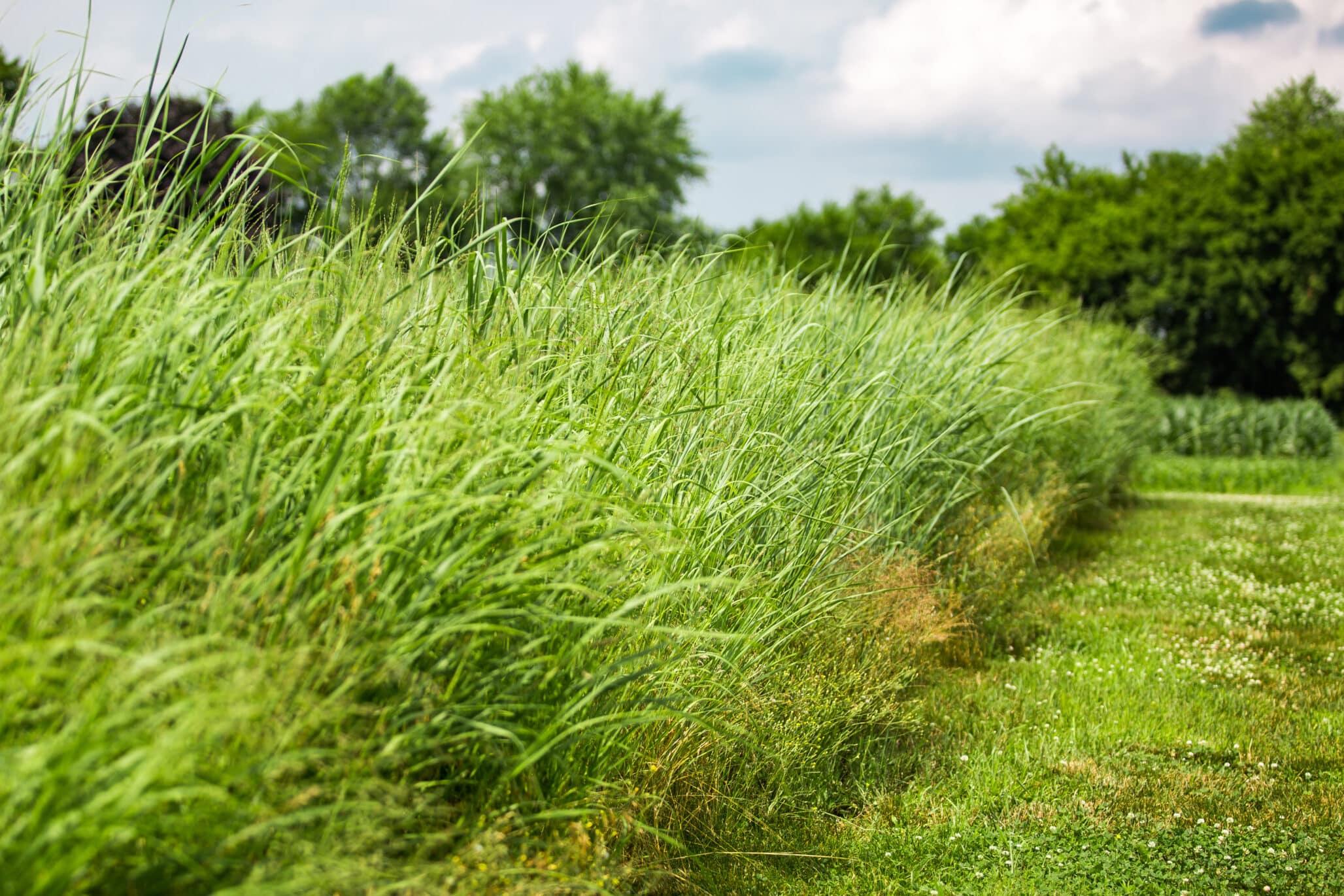
Switchgrass has long been a darling of the biofuel world — a hardy perennial that grows on marginal land and generates six times more energy than it takes to grow. But climate extremes like the 2012 drought in Wisconsin revealed just how much chemistry can change when plants are stressed.
GLBRC researchers compared switchgrass harvested in both drought and non-drought years. The difference in fermentation was striking. When broken down by conventional pretreatment and hydrolysis methods, the drought-year biomass yielded significantly less ethanol.
The solution isn’t to reject drought-grown biomass outright, but to adjust how it’s processed.
The study shows that pretreating the grass with ammonia and raising the pH of the resulting hydrolysate can restore fermentation efficiency, even with saponins present. Enzymatic hydrolysis and microbial performance both improve when acidity is moderated.
This suggests processing facilities may have some control over drought’s impact — but it also means feedstock composition needs to be treated as a dynamic variable, not a static input.
More Than Just Yield Per Hectare
Sato’s research may nudge breeders and seed companies to reconsider how they evaluate switchgrass and similar bioenergy crops. Yield per acre remains the standard for feedstock selection, but that might not reflect the total fuel potential per ton of biomass.
“Feedstock producers may be focused on using the cultivar with the highest yield per hectare, but that approach may not equate to the highest biofuel yield,” Sato says.
“Fermentation efficiency data could help in deciding what varietals a grower would want to select.”

Still, it’s not simple. Between the biological variability of switchgrass and the wide range of deconstruction methods — acids, bases, solvents — tracking fermentation metrics across every scenario is daunting.
“It would be challenging to generate a fermentation dataset for all deconstruction technologies and different feedstocks,” he says.
Fermentation Isn’t One-Size-Fits-All
Even so, Sato believes more coordination across the value chain is critical. His work illustrates the need for collaboration between breeders, chemists, microbiologists and engineers — especially if biofuel production is to keep pace with extreme weather.
“Our main belief has been that the compositions of feedstocks are not all the same, whether it be between plant species or for the same species in different growing years or field locations,” he says.
“This may sound obvious, but this variability has not been extensively studied, mainly due to the time and resources needed to conduct these studies.”
Connecting the Dots from Field to Fuel
With commercial interest growing in sustainable aviation fuel, switchgrass could play a larger role in America’s energy future. Electrification is not currently viable for planes, and alcohol-to-jet pathways offer one of the few scalable alternatives.
That puts new pressure on seed developers to understand how different genotypes and environments interact — and whether traits like fermentation efficiency can be woven into variety trials.
Sato and his team are also exploring whether other natural variants of switchgrass — and other grasses — respond similarly to drought.
“We are also exploring whether different natural switchgrass variants ferment to biofuels differently and how geographical location might also affect the quality of different feedstocks for conversion to bioenergy products,” he says. More questions are emerging than answers. But as the planet warms, drought resilience and fermentation compatibility are no longer separate conversations. Sato’s research ties them together — showing that the road from seed to fuel is more connecte