From 1960s health darling to today’s most debated kitchen staple, seed oils are facing both fierce critics and loyal defenders.
Seed oils were once the darlings of the health world — praised in the 1960s as a smarter, heart-friendly swap for animal fats. Decades later, they’re at the center of a food fight, caught between loyal home cooks, skeptical wellness influencers and a booming market of so-called healthier alternatives. Let’s explore the evolution of seed oils in the American diet.
- The Rise of Seed Oils: Seed oils first gained prominence in the 1960s when health organizations, including the American Heart Association, recommended them as healthier alternatives to animal fats. These oils, rich in polyunsaturated fats, became the go-to cooking oils in homes across America.
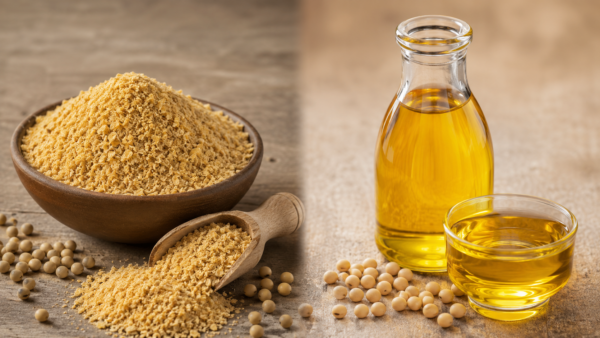
- Most Popular Seed Oils: Some of the most commonly used seed oils include canola oil, sunflower oil, soybean oil, corn oil and flaxseed oil. These oils are not only a staple in cooking but are also key ingredients in many processed foods, snacks, and salad dressings.
- Omega-6 vs. Omega-3: Omega-6 fatty acids, found in seed oils, are essential for human health, but the modern diet often skews too heavily toward omega-6 over omega-3, creating an imbalance. Experts now suggest that eating both in proper proportions is key to health.
- Alternative Oils: While seed oils have been the cornerstone of cooking for years, alternatives like avocado oil and olive oil, which are higher in monounsaturated fats, are growing in popularity for their perceived health benefits.
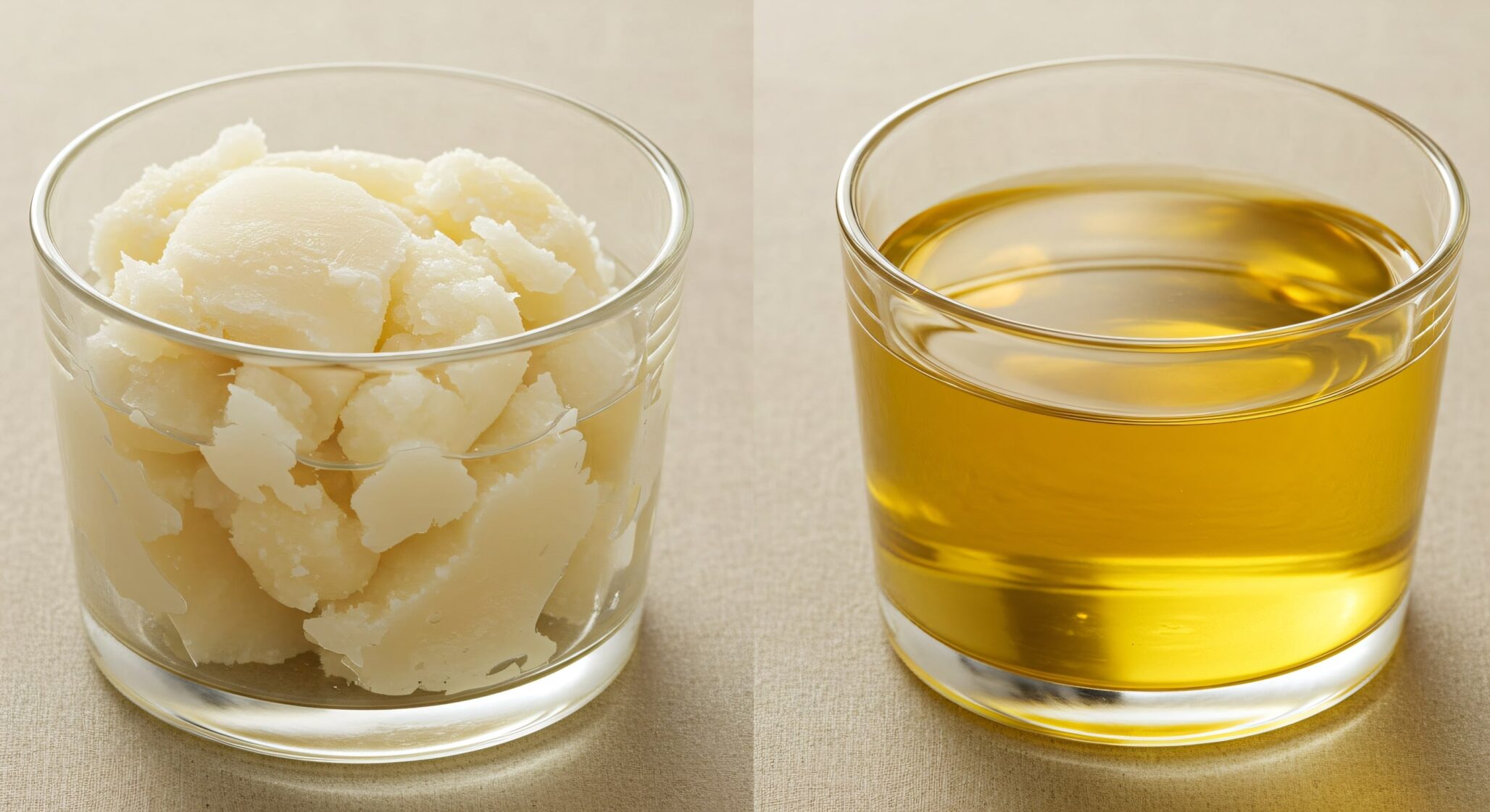
- Beef Tallow’s Return: As the anti-seed oil movement grows, beef tallow has made a surprising comeback. The market for beef tallow skyrocketed from $46 million in 2018 to $480 million in 2023, though it still remains a small fraction of the overall seed oil market. This shift is driven by consumers looking for alternatives to highly processed oils, though experts say seed oils are here to stay due to their cost-effectiveness and functionality.
- Seed Oil-Free Movement: A growing segment of consumers is actively avoiding seed oils, with some products even earning a “Seed Oil Free Certified” label. However, research still supports that when consumed in moderation, seed oils are not harmful and provide essential nutrients.
Sources: American Heart Association, National Institutes of Health, International Olive Council, North American Renderers Association, U.S. Department of Agriculture