The Gates Foundation announced a new initiative to advance climate adaptation and strengthen the resilience of smallholder farmers in the face of a warming world — a critical step to protect hard-won progress against poverty.
Unveiled at COP30 in Belém, Brazil, where leaders are spotlighting locally driven climate solutions, the four-year, $1.4 billion commitment will expand access to innovations that help farmers across sub-Saharan Africa and South Asia adapt to extreme weather conditions. In these regions, where agriculture is central to livelihoods and food security, smallholder farmers and their communities remain among the most vulnerable to droughts, floods, and rising temperatures.
Despite their exposure, less than 1% of global climate finance currently supports efforts to protect and adapt these vital food systems — a gap the Gates Foundation aims to help close through targeted investment and innovation, according to a press release.
“Smallholder farmers are feeding their communities under the toughest conditions imaginable,” said Bill Gates, chair of the Gates Foundation. “We’re supporting their ingenuity with the tools and resources to help them thrive–because investing in their resilience is one of the smartest, most impactful things we can do for people and the planet.”
The new commitment aligns with Bill Gates’ vision, outlined in his recent COP30 memo, to focus climate investments where they can have the greatest human impact. It also advances the Gates Foundation’s long-term goal of lifting millions of people out of poverty by 2045.
Addressing a Global Funding Gap
Farmers in low-income countries produce nearly one-third of the world’s food, yet they face escalating threats from climate change. Without stronger investment in adaptation, these challenges will continue to undermine food security and reverse progress against poverty.
According to the World Bank, targeted climate adaptation investments could increase GDP by up to 15 percentage points by 2050, particularly in small island developing states. Meanwhile, the World Resources Institute estimates that every dollar invested in climate adaptation yields more than $10 in social and economic benefits within 10 years, underscoring the powerful returns of investing in resilience.
“Climate adaptation is not just a development issue — it’s an economic and moral imperative,” said Mark Suzman, CEO of the Gates Foundation. “This new commitment builds on our support for farmers in Africa and South Asia who are already innovating to withstand extreme weather. But they can’t do it alone — governments and the private sector must work together to prioritize adaptation alongside mitigation.”
Scaling farmer-led Innovation
As climate shocks intensify, the funding required to help farmers adapt remains far behind the need. According to the 2025 UN State of Food Security and Nutrition report, Africa was the only region to experience a rise in hunger and malnutrition this year. Without rapid adaptation, the Intergovernmental Panel on Climate Change (IPCC) warns that agricultural productivity in parts of Africa could decline by up to 20% by 2050.
The Gates Foundation’s new $1.4 billion investment aims to close this gap by scaling farmer-led, evidence-based innovations that enhance rural livelihoods, strengthen food systems, and build long-term resilience to climate threats.
It will expand technologies and approaches already showing results, including:
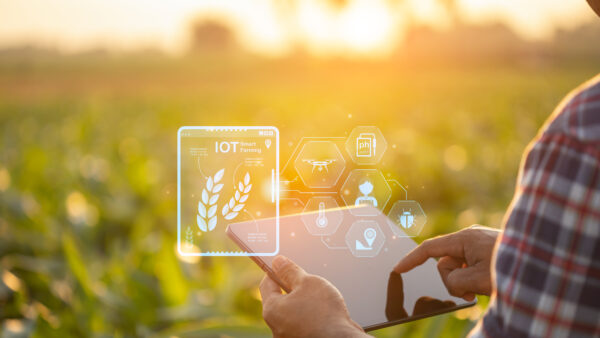
- Digital advisory services: Mobile apps, SMS, and other platforms that deliver timely, tailored information to help farmers make informed planting decisions and manage risk, including support for the AIM for Scale initiative, which aims to reach 100 million farmers across Africa, Asia, and Latin America by 2030
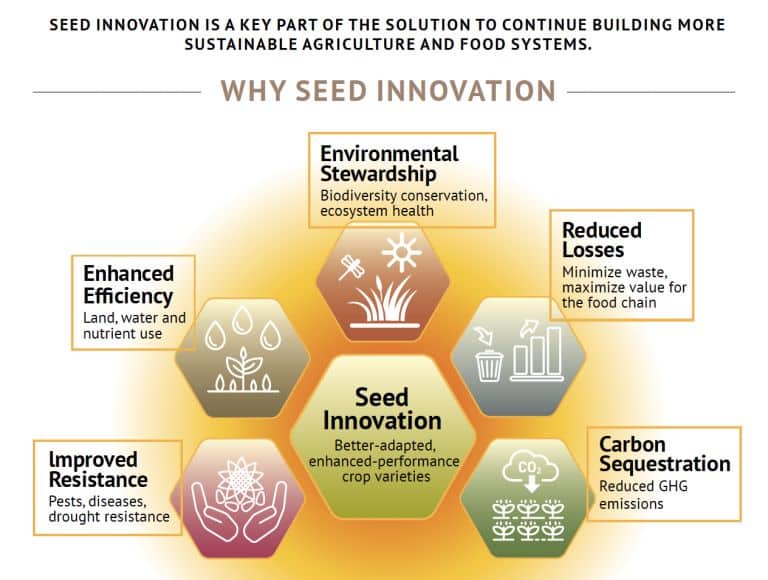
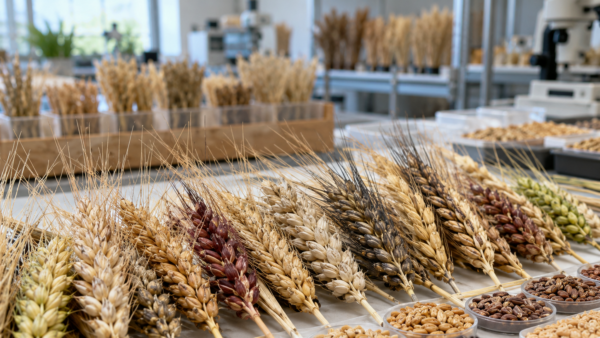
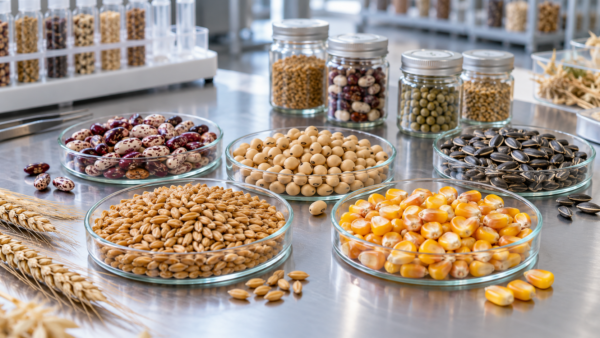
- Climate-resilient crops and livestock: Varieties that withstand drought, heat, and emerging pests while improving yields and nutrition
- Soil health innovations: Approaches that restore degraded land, enhance productivity, and reduce emissions — supported by a $30 million partnership with the Novo Nordisk Foundation to advance soil science research
Partnerships Driving Global Impact
The new commitment builds on partnerships that were expanded or launched through the foundation’s COP27 pledges and are already reaching millions of farmers. Examples include:
- AIM for Scale: Launched in 2023, this global partnership delivered AI-powered SMS weather forecasts to nearly 40 million farmers across 13 Indian states during the 2025 monsoon season, helping protect millions of acres of crops.
- TomorrowNow and KALRO: Together with the Kenya Agricultural and Livestock Research Organization (KALRO), TomorrowNow is providing hyper-local weather alerts to more than 5 million Kenyan farmers, improving yields and reducing crop losses, with expansion underway in Tanzania, Malawi, and Zambia.
The Gates Foundation is collaborating with local researchers, governments, and private-sector partners to scale these initiatives, with the goal of building stronger rural economies and resilient food systems for the long term.
“We’ve seen what’s possible when smallholder farmers have access to the right tools and resources — they adapt faster than anyone,” said Wanjeri Mbugua, CEO of TomorrowNow. “With the right investment and strong partnerships, we can put powerful, data-driven solutions directly in farmers’ hands — so they can make informed decisions and build resilience on their own terms.”
Collaboration at COP30
The Gates Foundation’s investment underscores a shared global commitment, championed by African leaders and Brazil’s COP30 presidency, to place food, livelihoods, and health at the heart of climate resilience strategies. Brazil’s success in linking social programs with sustainable agricultural innovation serves as a model for how inclusive adaptation can promote equitable and lasting growth.
In partnership with Brazil’s Ministry of Agriculture and Livestock, Embrapa, AGRA, AIM for Scale, CGIAR, the Chinese Academy of Agricultural Sciences (CAAS), the Forum for Agricultural Research in Africa (FARA), and the United Arab Emirates, the foundation will co-host the Agricultural Innovation Showcase at COP30. This includes a high-level event on November 10 and a physical exhibition, both spotlighting affordable, climate-smart solutions developed for — and often by — farmers.