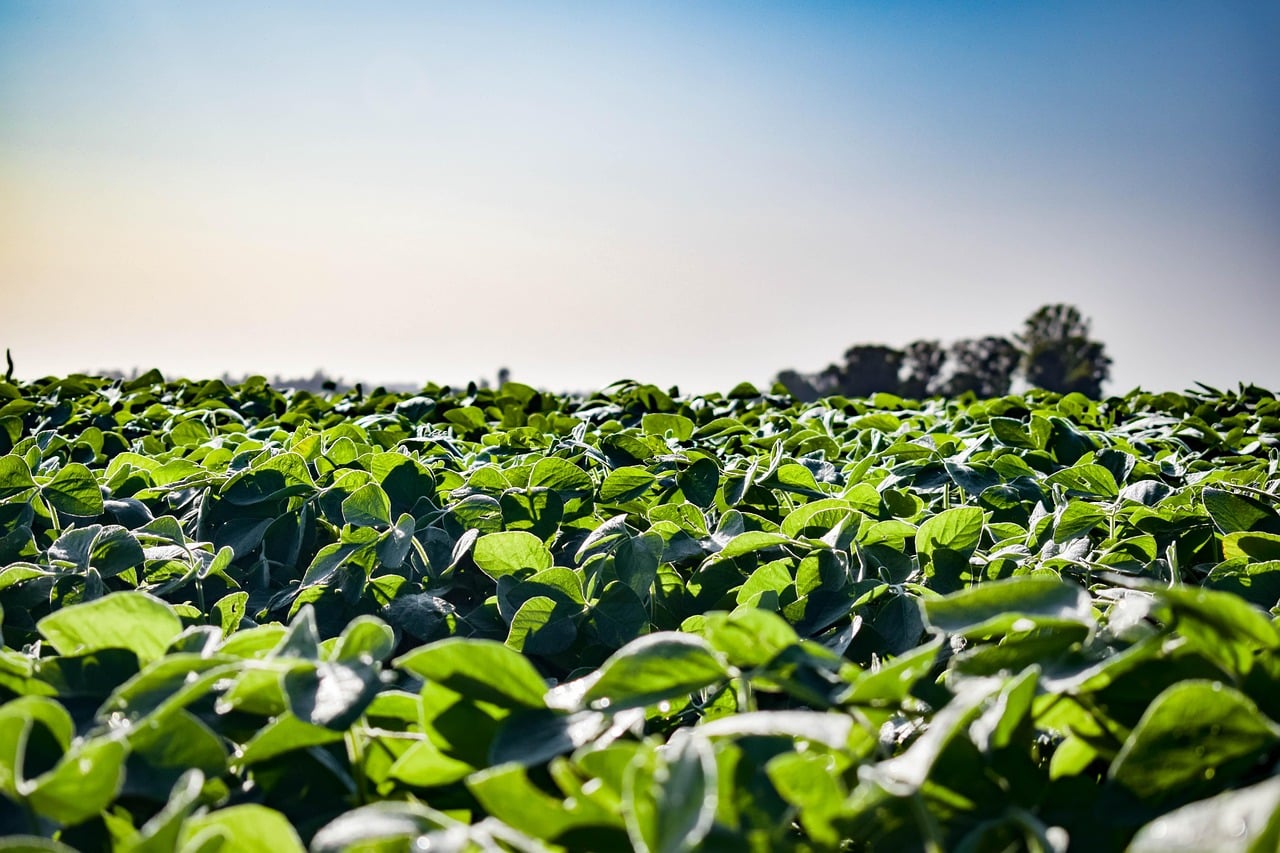
A key innovation of the study is the use of AI transfer learning, which allows scientists to reuse existing models rather than starting from scratch in each region. This makes it possible to generate detailed agricultural information in areas where collecting large amounts of local data would be costly, slow, or impractical.
For this work, knowledge from an advanced model that was trained to predict soybean yield in the U.S. was adapted to Brazilian growing conditions. By fine-tuning the U.S. model using only state-level data or sparse municipal-level data from Brazil, the researchers were able to account for differences in climate, crop phenology, and management practices between the two countries, according to a press release.
“This approach boosted the effectiveness of cross-scale yield prediction from 50% to 78% of the theoretical upper limit, which we defined as the best performance achieved by models trained with highly detailed local yield data,” first author Jiaying Zhang explained. “The results demonstrate that AI-driven transfer learning can overcome both data scarcity and scalability challenges in agricultural modeling.”
Global Implications, with Brazil at the Center
The findings come at a pivotal moment for global soybean markets, with Brazil playing an increasingly decisive role in worldwide supply.
After overtaking the United States in 2018 to become the world’s largest soybean producer, Brazil’s production trends have become essential to monitor — not only for market forecasting, but also for understanding the environmental consequences of large-scale agriculture. More detailed and reliable yield prediction can strengthen assessments of global supply and demand, while also improving analysis of land-use change, soil health impacts, and other sustainability indicators at scale — supporting better-informed decisions by producers, policymakers, and market stakeholders.
“The ability to monitor and anticipate crop production regionally and globally with high fidelity is strategically important for market analysis, trade forecasting, and risk assessment for U.S. soybean producers,” said the project lead and senior author Kaiyu Guan, Levenick Endowed Professor and Director of the Agroecosystem Sustainability Center at Illinois.
Beyond soybeans, the study points to a broader path forward: bringing advanced yield modeling to regions where fine-grained data are limited. By adapting models developed in data-rich settings to data-scarce contexts, the approach could support food security planning, climate risk management, and evidence-based agricultural policy — expanding access to cost-effective, global-scale agricultural intelligence.