As the climate shifts, farmers worldwide are confronting more frequent and severe weather extremes. Although drought has traditionally been viewed as the primary threat to wheat production, new research indicates that heatwaves during critical stages of the crop’s development could soon present an even greater risk.
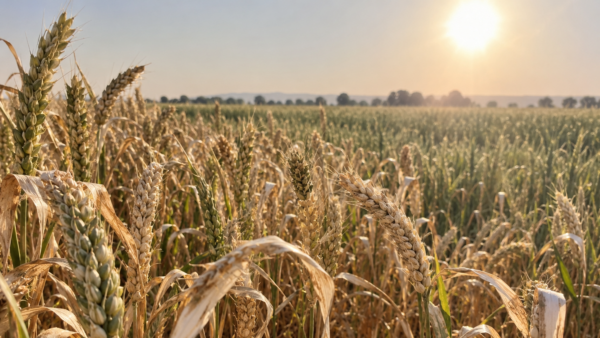
“Flowering is one of the most sensitive stages in wheat development. It’s when the plant sets grain, which ultimately determines yield,” Dr. Mikhail Semenov, Mathematical Modeller and Emeritus Fellow at Rothamsted Research said.
“Even a few days of very high temperatures or severe water stress at this stage can reduce grain numbers and significantly cut final harvests.”
The researchers combined advanced climate projections with the Sirius wheat model to estimate how short, intense heatwaves and drought episodes during flowering could influence future wheat yields worldwide, according to a press release.
What the Study Found
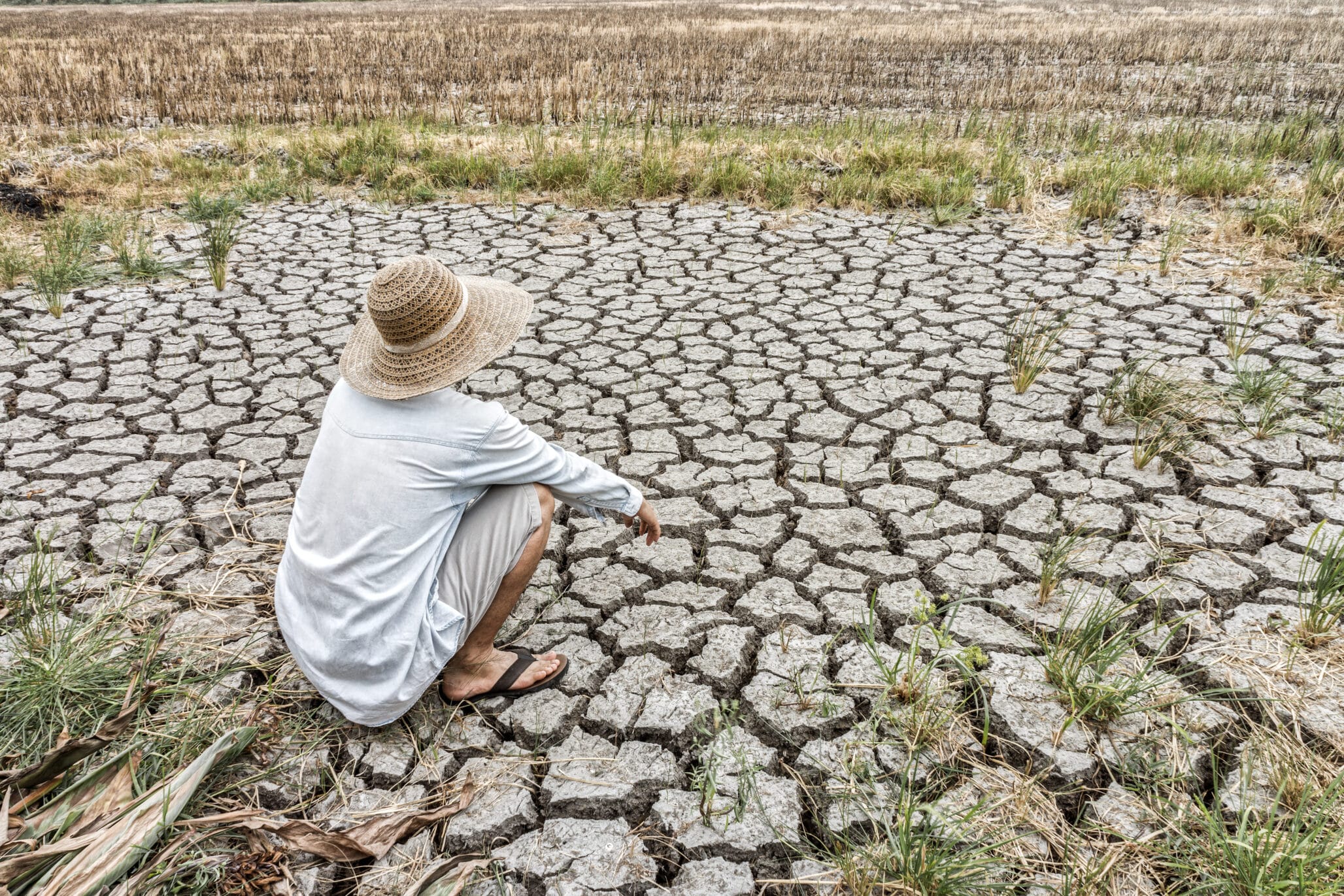
The analysis points to a clear shift in risk. Today, drought during flowering typically causes greater yield losses than heat stress. In future projections, however, the overall global impact of drought at flowering is expected to ease slightly. Heat stress during flowering, by contrast, is projected to become significantly more damaging. By 2050, global yield losses associated with extreme heat at flowering could increase by around one-third, and by 2090 they could rise by more than three-quarters.
In short, while drought will remain an important constraint, extreme heat during flowering is set to become an increasingly serious challenge for wheat growers worldwide.
“This kind of modelling studies provide critical information on, and pointers to, the traits we should be breeding for now, ready for predicted future climate conditions,” said Professor Malcolm Hawkesford, Leader of the “Delivering Sustainable Wheat” Institute Strategic Programme at Rothamsted Research.
What this means for farmers
For farmers, this highlights the importance of:
- Choosing varieties with improved tolerance to heat as well as drought
- Considering sowing dates and management strategies that reduce the risk of flowering during peak heat periods
- Staying informed about local climate trends and seasonal forecasts
Plant breeders will also need to place greater emphasis on developing wheat varieties that can cope with short bursts of high temperature during flowering.
With global demand for wheat continuing to rise, safeguarding yields under increasingly volatile weather is critical for food security. This research indicates that adapting to heat stress—not only drought—will be essential to keep wheat production stable in the decades ahead. By pinpointing when crops are most vulnerable, farmers and researchers can better target solutions and develop more resilient farming systems for the future.