Researchers discovered a way to use hormone signaling to keep plants growing while their immune systems stay active, a breakthrough with potential to boost wheat corn and soybean production and reduce reliance on pesticides.
Plants face a constant dilemma. When pathogens attack, they switch on their immune systems to survive. But survival comes at a cost. Growth slows. Yields drop. For crops grown to feed people and livestock, that tradeoff matters.
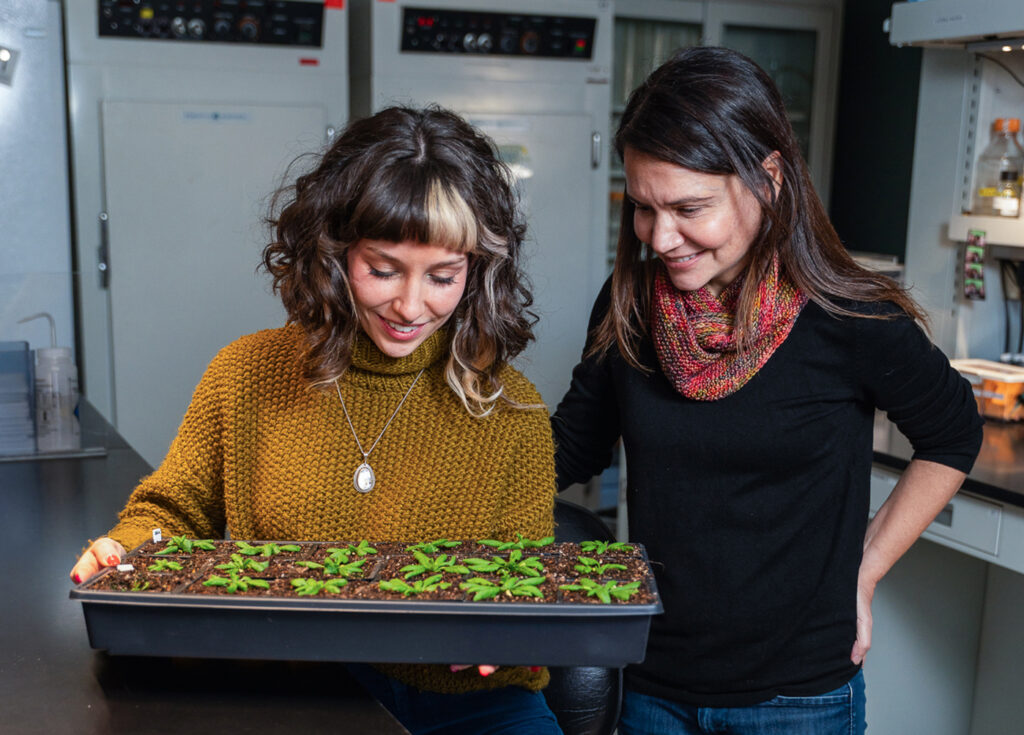
In a Colorado State University news release, researchers said they believe they have found a way around it. By adjusting plant hormone signaling, they restored growth in plants with overactive immune systems without weakening their disease resistance. In some cases, resistance improved.
The Growth-Immunity Tradeoff
Plants rely on an immune system to respond to threats such as pathogens and pests. When that system activates, growth slows as the plant diverts energy toward defense. That tradeoff protects survival but limits productivity in crops raised for food.
Researchers at Colorado State University report a method to maintain both immunity and growth by adjusting plant hormone signaling. The work, published Feb. 23 in Current Biology, shows how manipulating phytohormone responses can restore growth in plants with overactive immune systems without weakening their defenses.
“Only time will tell once it’s integrated into crops what effect this will have, but it does have the potential to be as big of a breakthrough as the Green Revolution 60 years ago in terms of food security,” Cris Argueso, associate professor in CSU’s Department of Agricultural Biology and senior author of the study said in the release.
A Greener Productivity Path
The research builds on lessons from the original Green Revolution, when plant breeder Norman Borlaug developed wheat varieties that dramatically increased yields and helped prevent famine worldwide. That era also relied heavily on fertilizers and pesticides, contributing to environmental concerns. CSU scientists believe their approach could support productivity while reducing chemical inputs.
“We want to create crop plants that can defend really well against pathogens but don’t have a yield penalty, which is the dream for farmers,” Argueso says. “We joke that this is the ‘green’ Green Revolution.”
Understanding The Plant’s Chemical Brain
The team studied Arabidopsis thaliana, a model species widely used in plant biology. Plants constantly respond to environmental signals through phytohormones that regulate growth, stress responses and immunity. Argueso describes this network as a plant’s “chemical brain.”
When disease pressure rises, cytokinin hormones responsible for cell division are suppressed, slowing growth. By restoring cytokinin activity in plants with overactive immune responses, researchers restarted growth while maintaining strong disease resistance. In some cases, resistance improved.
From Lab Discovery To Crop Potential
The strategy focuses on modifying hormone signaling rather than mapping and altering specific genes across an entire genome. Argueso compares the approach to prescribing medicine to correct a chemical imbalance, a method that could be faster to apply across crops.
Researchers are now exploring collaborations with breeding programs worldwide to test the approach in major food crops including wheat corn and soybeans. If successful, the traits could help reduce fertilizer needs and lower reliance on crop protection products.
Student-Led Research Momentum
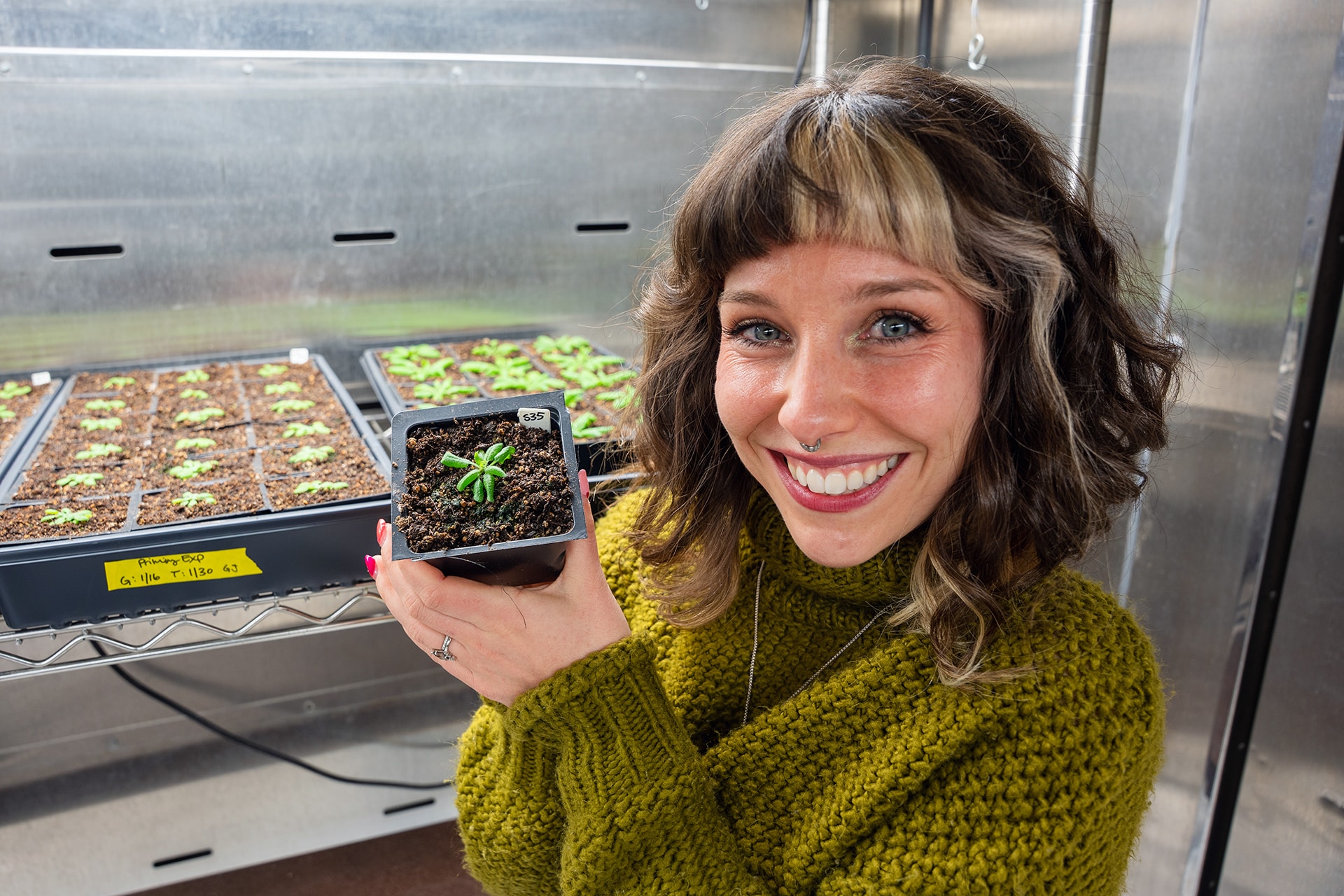
The project was led by Grace Johnston, who began the work as an undergraduate biology student in Argueso’s lab and later developed it into her master’s thesis. She now serves as a research associate.
“I did not know I wanted to do plant science,” Johnston says. “By the time I was done with my undergrad degree, we still didn’t know enough about these plants, and I just couldn’t let it go.”
“This is a CSU research success story,” Johnston says. “Cris took me on when I didn’t know anything about science, and here we are eight years later, and we have the opportunity to actually impact food security.”