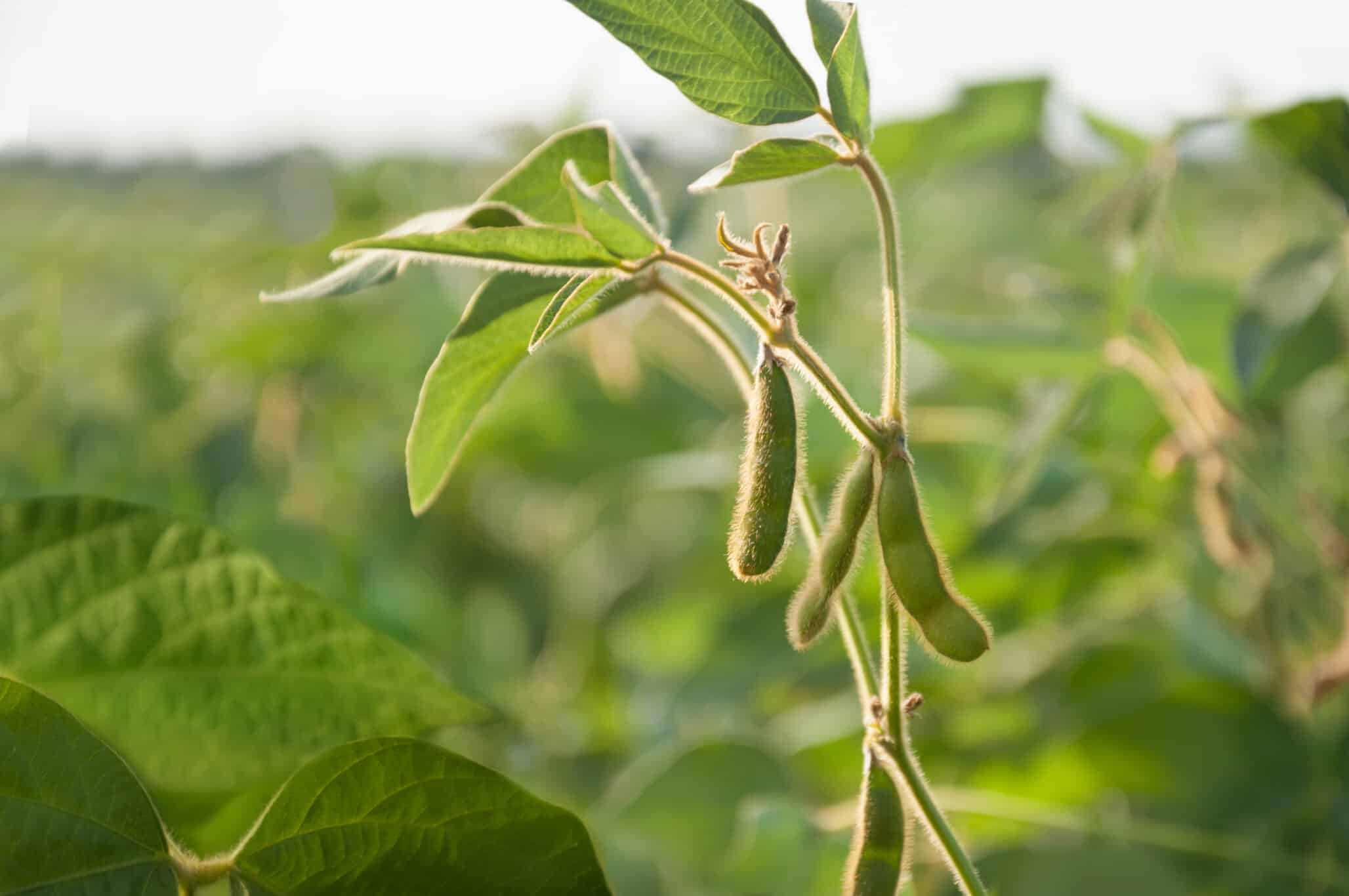
Embrapa Soja in Paraná and Caramuru Alimentos have launched the BRS 579 soybean cultivar, a new variety that combines high yield potential with an additional option for weed management in conventional production systems.
The cultivar is recommended for growers in north-central Mato Grosso, within the soybean edaphoclimatic region REC 402, who are looking for medium- to late-cycle varieties corresponding to maturity groups 7.0 to 9.0+. BRS 579 belongs to maturity group 7.9 and offers a cycle well suited to the region’s production system. According to Embrapa Soja researcher Roberto Zito, this makes it suitable for harvest planning and for sowing at the start of the planting window.
BRS 579 also stands out for its strong plant health profile, including moderate tolerance to the root-knot nematode (Meloidogyne javanica) and resistance to races 3 and 14 of the soybean cyst nematode, both important pathogens in the region.
Genetic shield
The new cultivar also incorporates STS (Soybean Tolerant to Sulfonylurea) technology. Sulfonylureas are a group of herbicides that inhibit the ALS (acetolactate synthase) enzyme. These herbicides are already registered for use in soybean, but with restrictions, particularly on dosage, because they can cause phytotoxicity in conventional varieties. That is not the case with STS cultivars such as BRS 579, according to a press release.
Embrapa Soja researcher Fernando Adegas explains that phytotoxicity refers to the damage herbicides can cause to soybean plants. This may result from factors such as incorrect dosage, adverse weather, or plant stress. Potential effects include yellowing, necrosis, deformities and delayed growth.
STS technology acts as a kind of genetic shield. While conventional soybeans may suffer significant yield losses when exposed to sulfonylurea herbicides, STS varieties have natural tolerance to these molecules, providing growers with greater flexibility in weed control.
“This allows the farmer to apply the product in post-emergence (when the soybeans are already grown), eliminating the weeds that compete for nutrients and light,” points out Adegas.
“With this new technological solution, we deliver to the producer not only a seed, but productivity associated with a management tool capable of bringing more tranquility and profitability at the end of the harvest,” adds Zito.
According to researchers, the key advantage of STS soybeans is that they provide an alternative to the exclusive reliance on glyphosate, the main herbicide used in transgenic cultivars currently on the market. The technology allows for effective control of hard-to-manage and herbicide-resistant weeds, while preserving plant vigour and growth and maintaining high productivity.
“This new cultivar can be integrated into different management systems, being an essential tool for the rotation of active ingredients, which extends the useful life of the technologies available on the market,” reinforces Adegas.