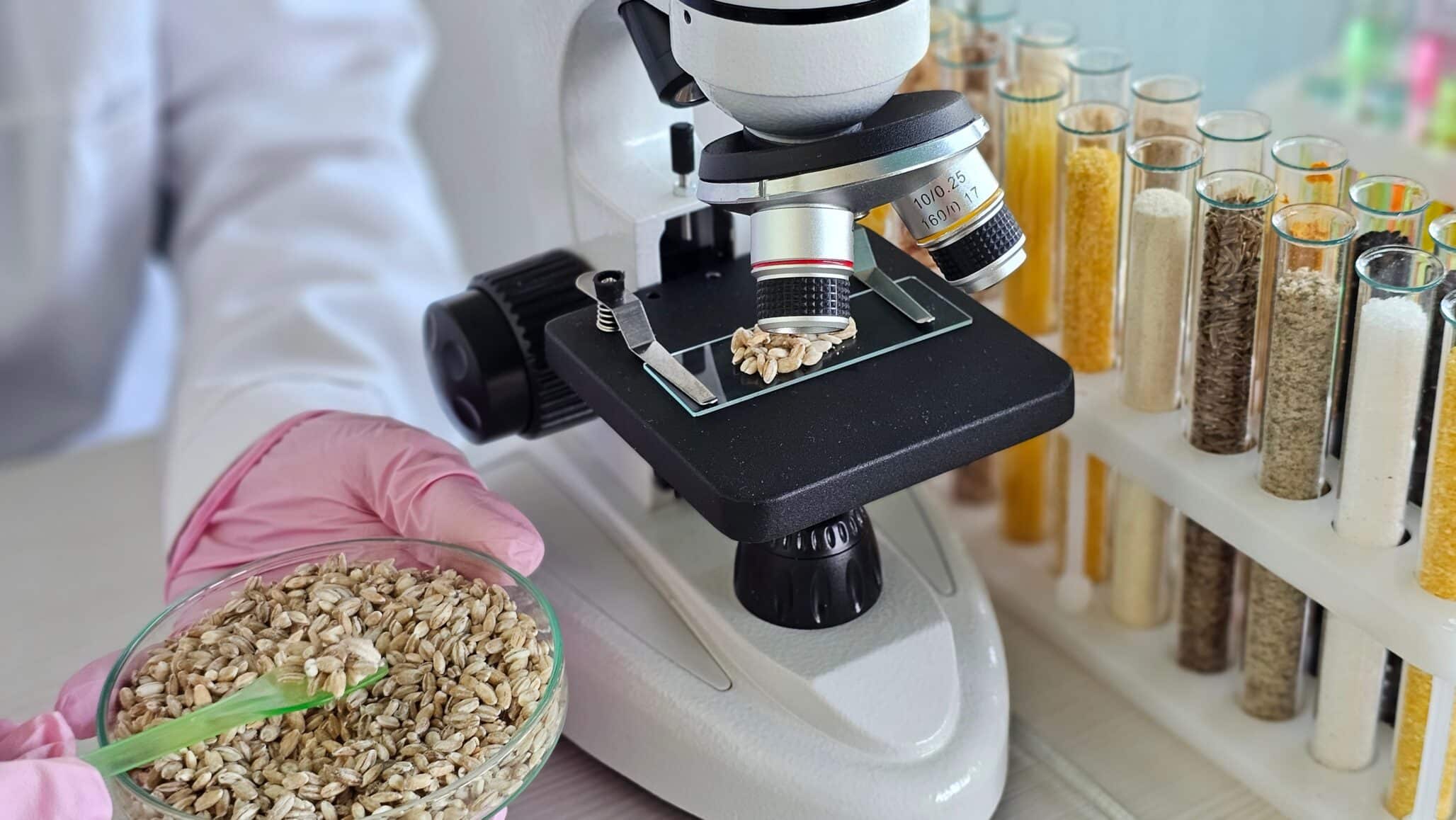
Researchers at Whitehead Institute have created a detailed map of seed development that could help scientists better understand crop resilience, nutrient storage and future yield potential.
Seeds such as wheat, rice and corn sit at the centre of the global food supply, providing much of the world’s daily calories. Yet despite their importance, many of the biological processes that allow seeds to grow, move nutrients and develop traits linked to crop resilience are still not fully understood.
As changing environmental conditions put more pressure on agriculture, researchers are working to develop hardier crops that can better withstand heat, drought and shifting soil conditions. A deeper understanding of seed development could help support that effort.
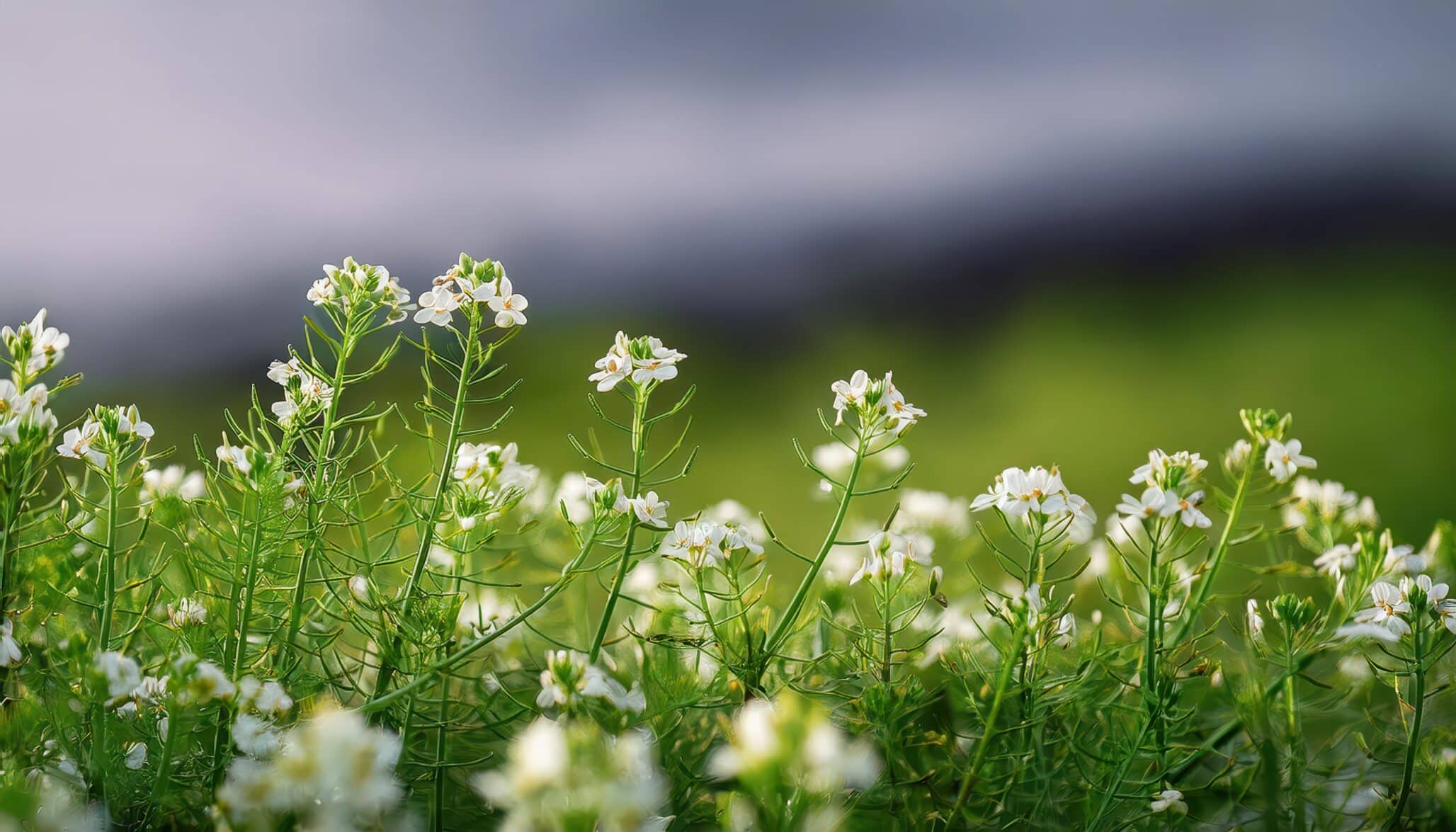
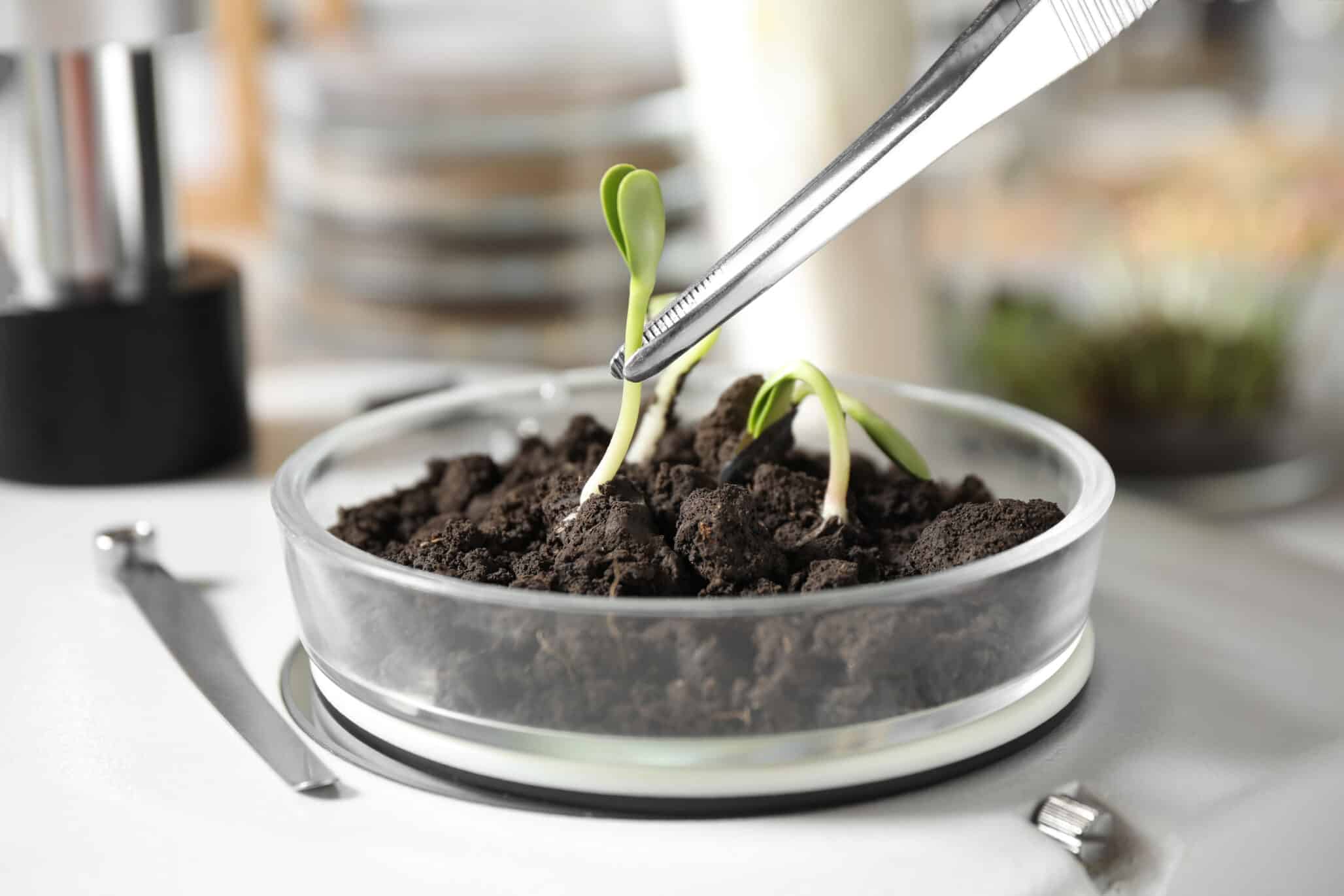
Now, researchers in the lab of Mary Gehring at Whitehead Institute, an affiliate of the Massachusetts Institute of Technology, have created a detailed gene expression map of seed development in Arabidopsis thaliana. The small flowering plant, a member of the mustard family, is widely used in plant biology research and is closely related to major crops such as canola.
Mapping How Seeds Develop
The map, known as a transcriptional atlas, shows which genes are switched on or off in different cell types as the seed develops. Active genes produce messenger RNA, or mRNA, which helps guide the production of proteins needed for cellular processes. By tracking where and when genes are active, researchers can better understand the roles different cell types play during seed development, according to a press release.
Published May 21 in Nature Plants, the work provides new insight into how plants coordinate biological processes linked to agriculturally important traits, including seed size and nutrient storage.
“Seeds are fundamental to sustaining human life,” says Caroline (Carly) Martin, lead author of the paper and a graduate student in the Gehring Lab. “By building this atlas, we now have a framework researchers can use to start asking much more precise questions about how seeds develop and if those processes might eventually be improved in different crops.”
Unlike earlier atlases of Arabidopsis, which were limited in their ability to distinguish many cell types, the new atlas offers a more complete, higher-resolution view of the developing seed.
Identifying Genes Linked to Seed Size and Nutrition
The researchers captured seed development at three precisely timed stages after pollination, when the embryo, the nutrient-rich endosperm that feeds it and the surrounding maternal tissues are rapidly growing and reorganising. Using this dataset, they identified where key genes involved in seed growth and nutrient storage are active.
One finding points to a small group of cells near the embryo that activate genes involved in producing brassinosteroids, plant hormones that regulate growth. Previous studies had shown that disrupting brassinosteroid production can reduce seed size, but it was not clear where in the developing seed the hormone was made.
The new data show that these hormone-producing cells sit directly beside endosperm cells that may respond to the hormone. This close positioning suggests the two cell types could work together to fine-tune seed size.
The atlas also reveals that the endosperm, which nourishes the embryo during development and later forms the edible portion of many staple crops, contains far more specialised cell types than researchers previously recognised.
Improving Understanding of Nutrient Storage
The team identified a small “founder” population of cells that may help establish an important region of the endosperm at the boundary where nutrients enter the seed from the mother plant. Because the timing and amount of resources supplied by the mother plant influence how much energy a seed can store, this region helps shape the seed’s nutritional profile.
Those reserves, including oils, starches and proteins, are essential for both seed development and human nutrition.
Together, the findings could help researchers better understand, and eventually guide, seed development in ways that improve crop productivity.
Supporting More Resilient Crops
“We’re already seeing that seed filling in many crops is vulnerable to heat stress,” says Gehring, who is also a professor of biology at MIT and an investigator at the Howard Hughes Medical Institute (HHMI). “If we are to solve the humanitarian crises of food insecurity and malnutrition, we need to understand, at a fundamental level, how seeds of different crops form, store nutrients, and survive environmental stress.”