New findings reveal how a key sorghum gene helps control the crop’s protective wax layer and may support future drought-tolerance breeding.
As climate change brings hotter and drier growing conditions, understanding how crops protect themselves from stress is becoming increasingly important for food security.
Sorghum’s Natural Waxy Shield
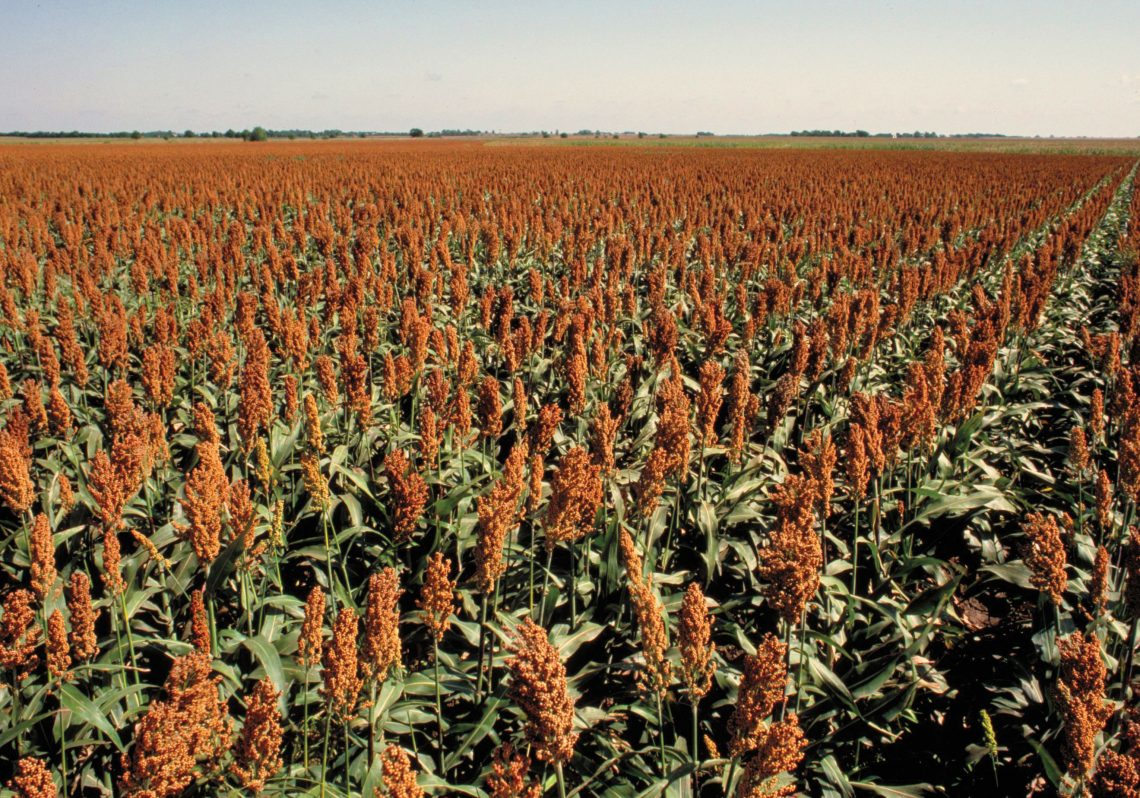
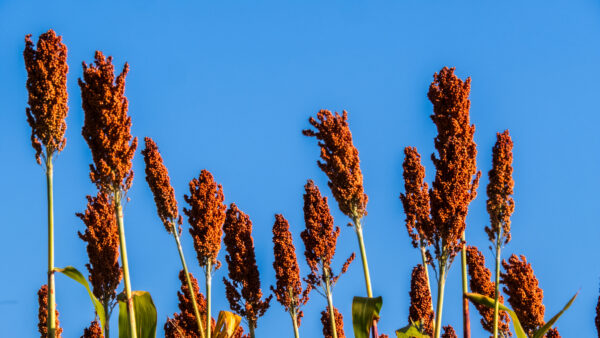
One key defense is cuticular wax, a natural coating on the surface of plants. This waxy layer helps crops reduce water loss, shield tissues from UV radiation and defend against pathogens. Sorghum, a major drought-tolerant crop, is known for its thick wax layer, which helps it perform well under dry and stressful conditions. However, scientists are still working to understand the genes and processes that control wax buildup in sorghum.
Identifying the BM-SZ Gene
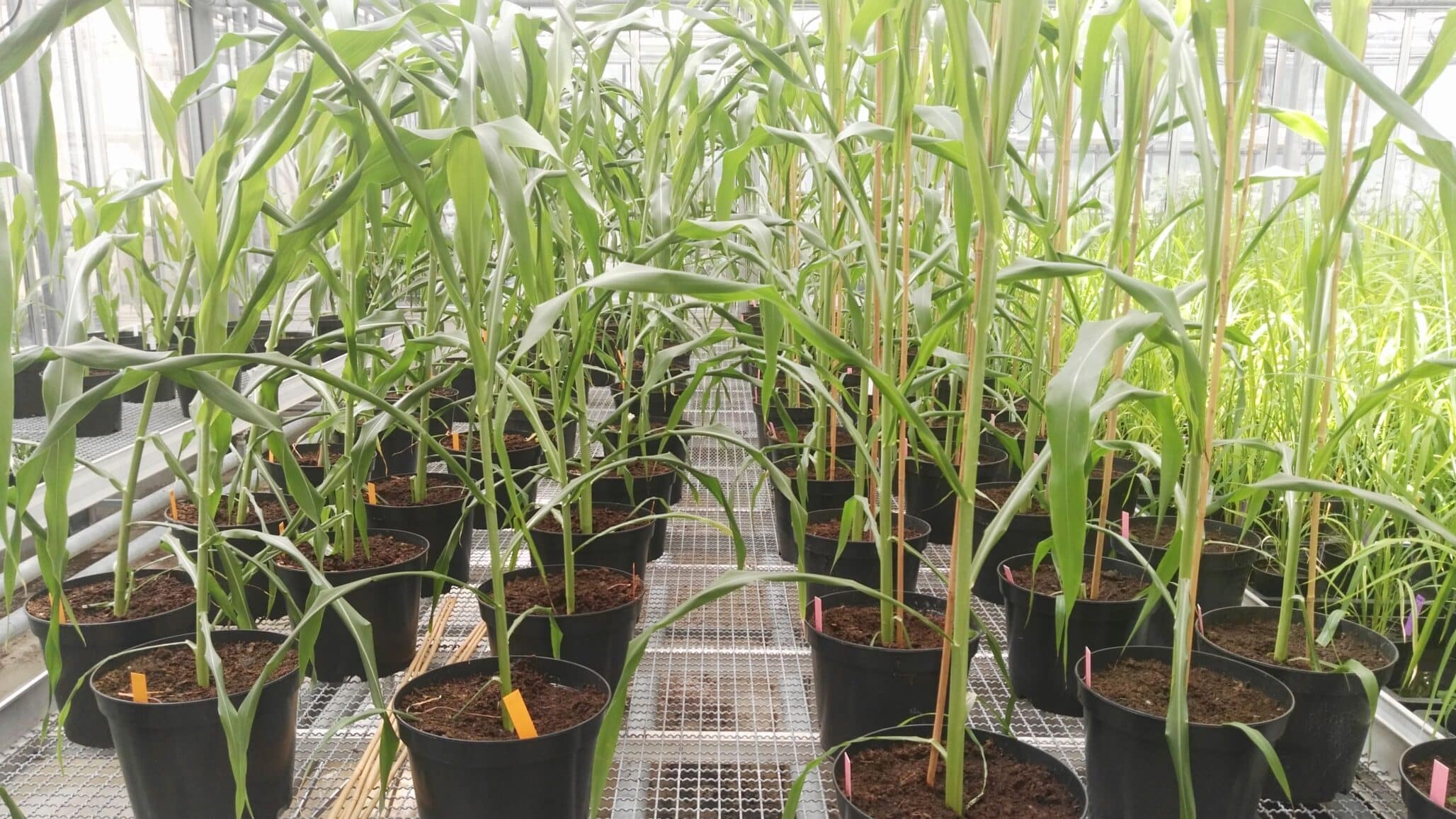
To learn more, researchers from China Agricultural University studied a new sorghum mutant with reduced surface wax, known as bm-sz. The team, led by Prof. Hongwei Cai and Assoc. Prof. Jun Chen, identified and cloned the gene responsible, called BM-SZ. Their work revealed a new regulatory network involved in sorghum wax production and may provide useful genetic insight for breeding more resilient crops, according to a press release.
The study was published online in The Crop Journal.
A Mutant With Reduced Wax and Drought Sensitivity
“Using ethyl methane sulfonate (EMS) mutagenesis, we isolated the bm-sz mutant, which showed an approximately 80% reduction in total wax content and severe drought sensitivity,” explained first author Candong Xiong. “Through map-based cloning and MutMap analysis, we confirmed that BM-SZ, which encodes a putative α/β hydrolase, is the causal gene for the bloomless phenotype.”
Key Findings From the Study
The main findings are as follows:
• Phenotypic and lipidomic profiling: Quantitative lipidomics showed that the bm-sz mutant had significantly reduced levels of VLCFAs, especially those with chain lengths exceeding C20, primary alcohols and other wax components. This resulted in higher cuticle permeability and faster water loss under drought stress.
• Structural and functional insights: AlphaFold3 structural modeling indicated that the G198R mutation may disrupt the central hydrophobic catalytic pocket of the BM-SZ protein. This structural impairment likely abolishes ligand-binding or enzymatic activity, making the enzyme nonfunctional even without a premature stop codon.
• Transcriptomic regulatory mechanism: RNA-seq analysis revealed that the BM-SZ protein positively regulates wax and VLCFA biosynthesis by modulating the expression of key downstream wax biosynthetic genes, especially those in the 3-KETOACYL-COA SYNTHASE, or KCS, family.
A Conserved Gene in Sorghum
The research team also analyzed 659 sorghum accessions to better understand how BM-SZ has been maintained across sorghum germplasm. “We found that BM-SZ is highly conserved across sorghum germplasm, with no natural loss-of-function variants detected in the examined population, highlighting its essential and irreplaceable role in epicuticular wax formation during sorghum evolution,” says Cai.
More Than One Role in Wax Production
Additional structural and transcriptomic analyses suggest that BM-SZ may play more than one role in the plant. It may function both as a metabolic enzyme and as a signaling receptor involved in regulating wax production. “Mutations in the catalytic pocket likely disrupt a key signaling cascade, leading to the transcriptional repression of the entire wax biosynthetic pathway,” adds Cai.
A Target for Drought-Tolerance Breeding
The discovery helps clarify how this gene family functions in sorghum and identifies BM-SZ as a valuable target for crop breeding. The findings could support future molecular breeding efforts aimed at developing sorghum and other crops with stronger drought tolerance.