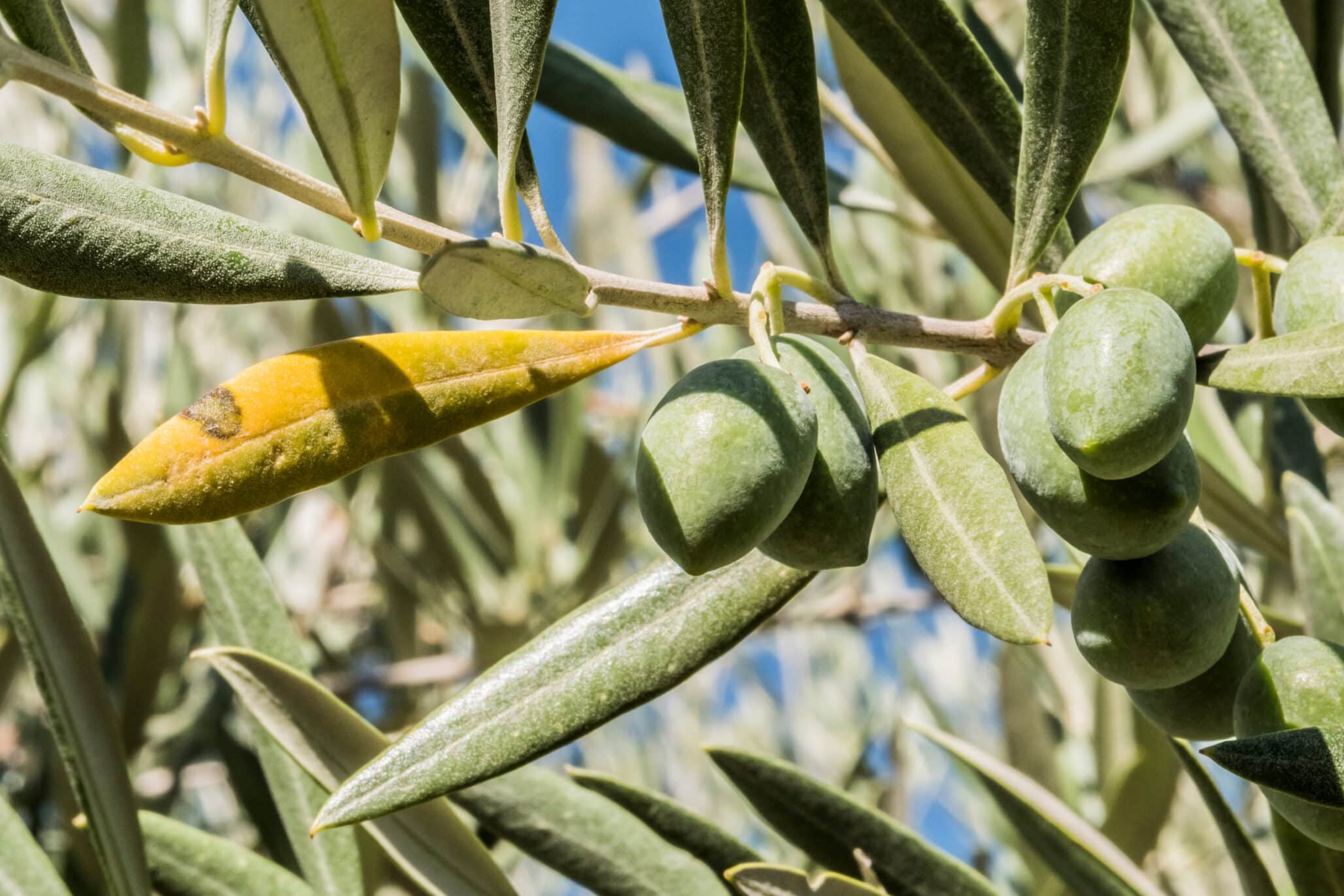
Researchers report progress in resistant olive cultivars, biological control, insect vector management and disease surveillance.
Research into Xylella fastidiosa is producing practical findings that could improve crop disease management and support the recovery of olive production in affected areas.
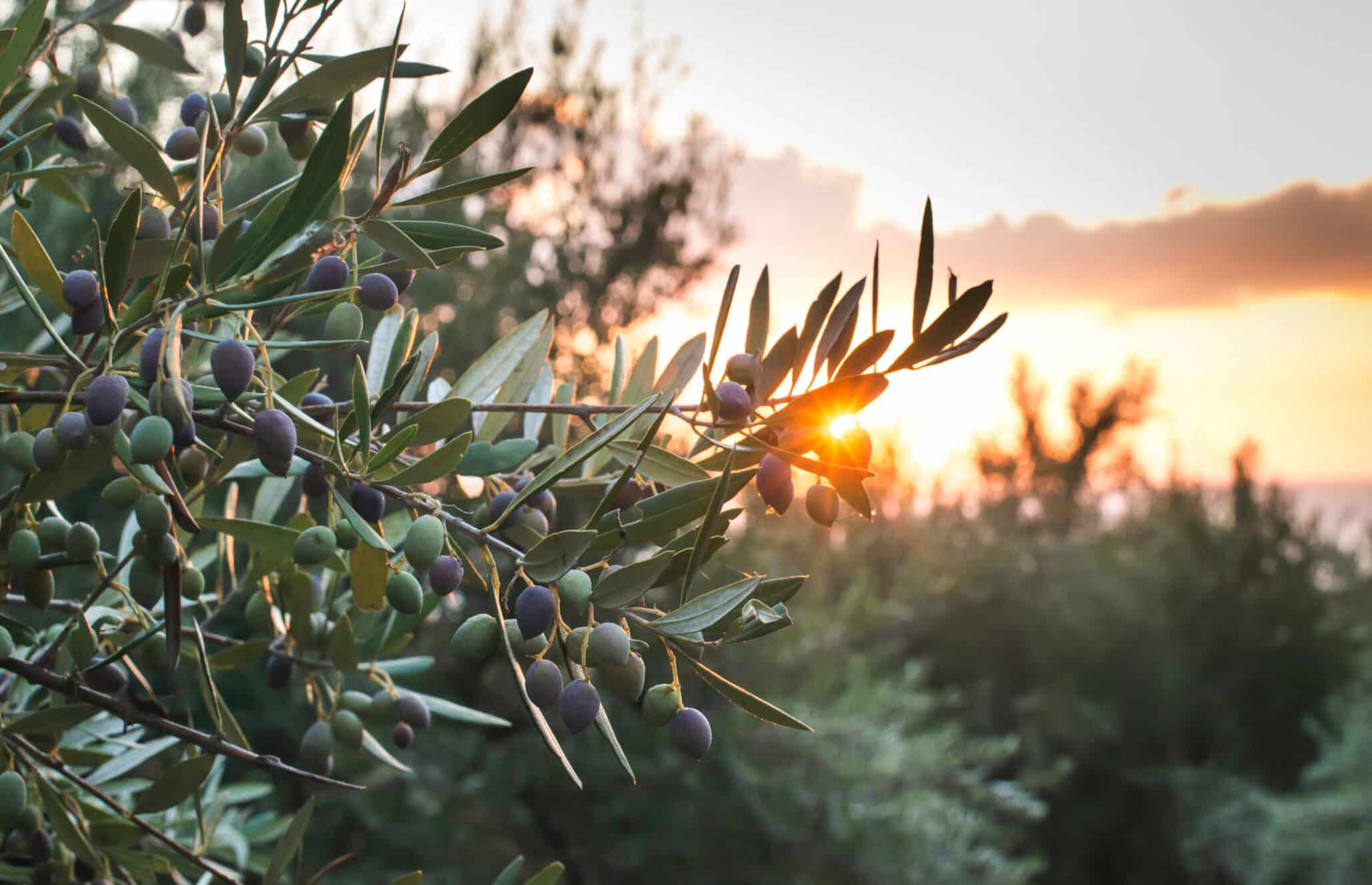
Results presented at the fifth European Conference on Xylella fastidiosa in Mola di Bari, Italy, showed progress in understanding olive resistance to the bacterium. Researchers identified genomic and molecular mechanisms associated with resistance and shared findings from long-term field studies comparing how olive cultivars respond to infection.
Scientists are also investigating genome editing and plant microbiomes as potential tools for developing more resistant olive cultivars. Together, the findings could support the regeneration of olive production in Apulia, where X. fastidiosa subsp. pauca has devastated ancient olive groves, according to a press release.
Other research highlighted advances in biological and integrated disease control, insect vector management, epidemiological modelling and surveillance. Studies also addressed Pierce’s disease of grapevines and the threat Xylella poses to almonds, ornamental plants and forest species.
“This conference has once again demonstrated the strength and breadth of the scientific community working on Xylella fastidiosa. By combining scientific excellence with practical solutions, we are improving our ability to prevent, detect and manage Xylella fastidiosa outbreaks while supporting sustainable agriculture,” said Giuseppe Stancanelli, plant health risk assessment team leader, EFSA.
“The diversity and quality of the research presented in Bari show how far the scientific community has advanced in understanding Xylella fastidiosa. Continued collaboration across disciplines and countries remains essential to transform knowledge into effective management strategies,” said Blanca Landa, Spanish Institute of Sustainable Agriculture (IAS CSIC), scientific co-chair.
Next Steps
EFSA will launch a public consultation on the pathogen’s latency and incubation periods, along with a call for pest-occurrence data to support climate suitability assessments.
By the end of 2026, EFSA plans to publish an updated EU pest risk assessment for X. fastidiosa incorporating the latest scientific evidence.