A Saskatchewan operation upgraded its seed and grain cleaner to boost flax throughput, but the added flexibility is now improving efficiency across multiple specialty crops.
When we built our current seed plant in 2018, flax wasn’t really part of the plan. At the time, we weren’t growing or cleaning much of it, so our air screen cleaner at the time handled everything we needed.
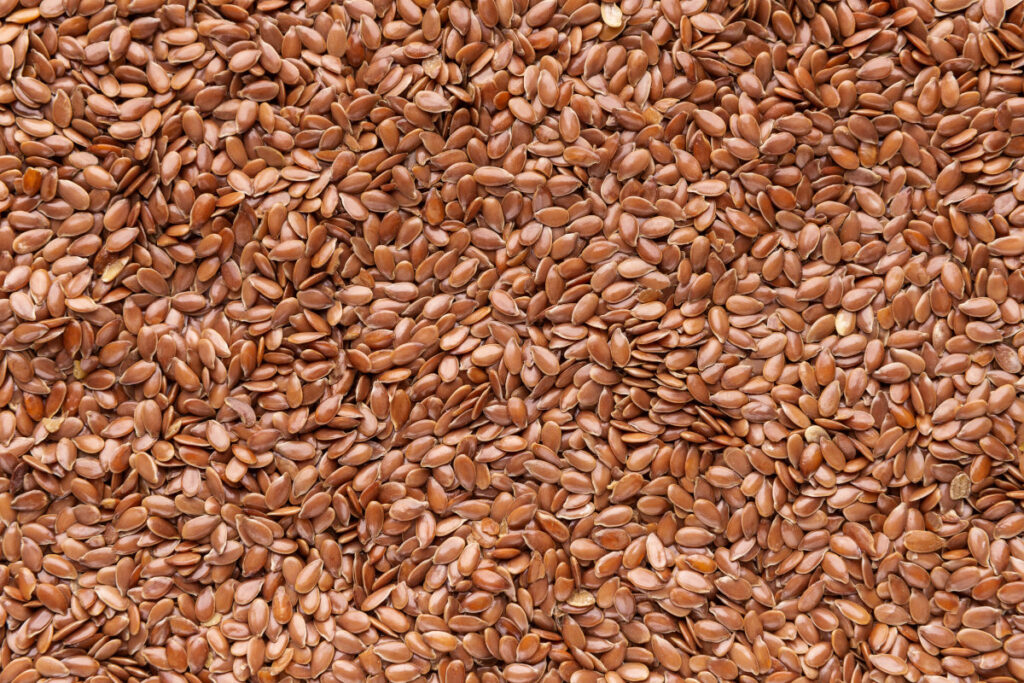
Over time, though, our crop mix changed. As flax acres increased, we started running into limitations. Flax is different from most crops because the bottleneck is usually the scalping deck, so earlier this year we upgraded to a Cimbria Delta 108.
The interesting part is that while we made the upgrade specifically for flax, it’s improved much more than just our flax operation.
The Delta 108 gives us two additional screen decks and much more flexibility in how we configure the machine. Depending on the crop, we can switch decks between sift and scalp fairly quickly without major piping changes.
With flax, we now keep the same amount of sift capacity as before, but we’ve effectively tripled our scalping capacity. That’s made a major difference in throughput.
We’ve also seen benefits with fenugreek, one of the niche crops we clean. Fenugreek can contain dockage that’s very close in size to the crop itself, which normally forces us to slow the machine down. The additional sift capacity on the 108 lets us maintain quality while increasing pace.
One of the biggest advantages was how easily the upgrade fit into our existing setup. The Delta 107 and 108 have the same footprint, with the 108 only slightly taller, so we didn’t need major structural changes. We were able to lift the old machine out and drop the new one in.
The screen compatibility between the two machines also helped reduce costs. We didn’t have to replace every screen in the plant — we just added the extras needed for the new decks.
That matters when you clean as many crops as we do. Today, our operation handles flax, durum, barley, peas, chickpeas, lentils, winter wheat and fenugreek, among others. We keep roughly 150 to 170 screens on hand because different crops — and even different varieties — can require different setups.
Our family has been in the seed business since the late 1960s, and the industry has changed dramatically over that time. Operations used to focus mostly on cereals. Now diversification is essential, and flexibility has become just as important as capacity.
That’s probably the biggest takeaway from this upgrade. We originally made the move to solve one bottleneck, but what we really gained was a more adaptable operation overall — one that’s better prepared for whatever crops and opportunities come next.