
The next generation of breeders are entering the industry at a moment when it’s being rewritten from the ground up. Only a few years ago, the Internet of Things was the buzz we heard everywhere. Sensors, dashboards and data were all the rage, and the industry was accumulating masses of information without fully knowing what to do with it yet.
Today, machine learning is fundamentally changing the way we work. Genomic prediction models that used to take weeks to cross genetic, phenotypic, and environmental variables now run that analysis in a fraction of the time and draw on previous selection cycles to sharpen the prediction of the next cross before it’s even been planted.
The industry has already started to refer to this powerful ability to anticipate which genetic combinations will actually work instead of simply observing them after they exist as Breeding 4.0, and it’s having a profound impact on how crosses are designed, what gets prioritized for evaluation, and who gets a seat at the technical table.
The most valuable lesson from all this is that the leap into artificial intelligence (AI) doesn’t reward whoever buys the newest tool. It rewards those who get ahead of the curve, deliberately building a solid foundation they can dynamically revise, strengthen and adapt as the technology evolves.
At my own company, Agronomix Software, we saw the shift coming and embraced it, engineering our Genovix platform to take advantage of the predictive power of AI to turn the enormous complexity of genetic, phenotypic, and environmental data into decisions breeders can act on, faster, and with greater confidence than ever before.
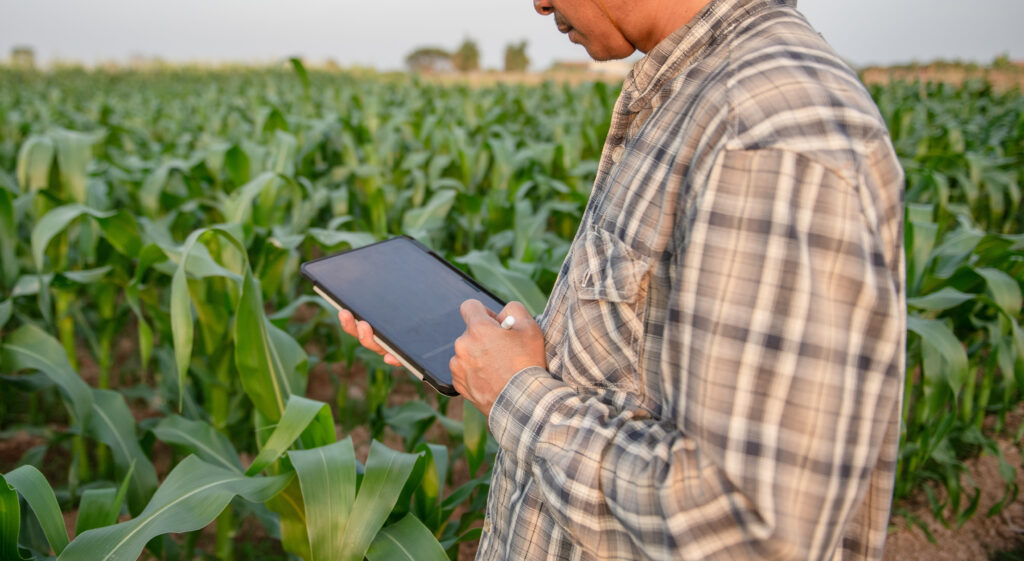
What’s coming next is deeper machine intelligence woven directly into the selection process, and field-level insights that are generated automatically rather than collected by hand. Organizations that master that sequence — data, then intelligence, then autonomy — will define this transformation.
Change is difficult for everyone, and industries rarely change because they want to. They change because the world evolves away from where they’re standing, and adaption is the only realistic option for continued success. I’ve watched managers cling to the way they always done things until their breeding programs became slow and lost relevance. I’ve also watched others who understand that their job isn’t to protect the method, but the outcome: better varieties, faster, with less risk. Those are the ones who are building the future.