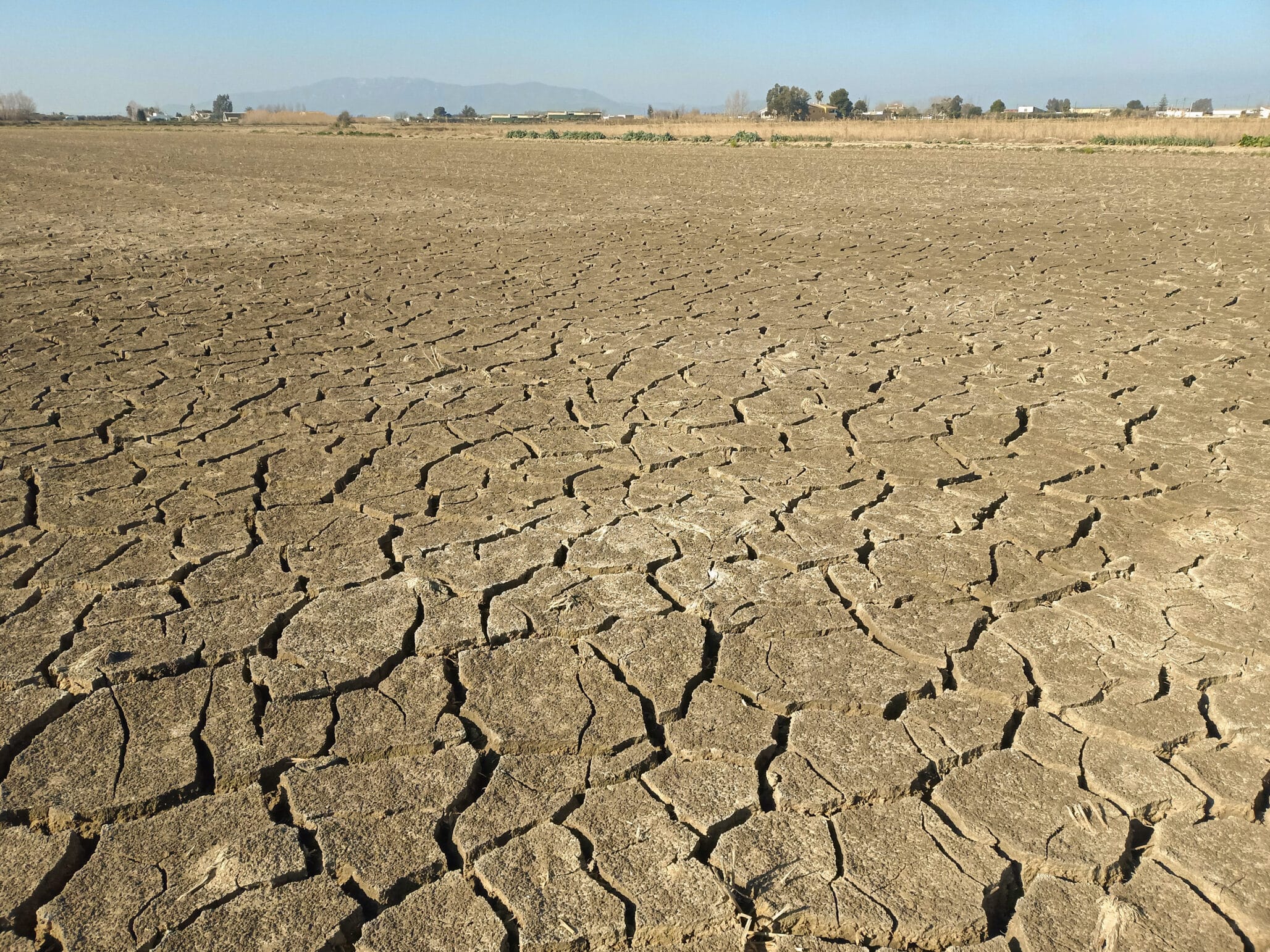
Developed in response to El Niño conditions expected during the 2026-27 growing season, the recommendations address risks including drought, excessive rainfall, heat, storms, frost and fire.
Embrapa has submitted a technical note to Brazil’s Ministry of Agriculture and Livestock (MAPA) outlining 163 measures to reduce climate-related agricultural losses.
Although prompted by the expected occurrence of El Niño during the 2026-27 growing season, the document calls for permanent measures to help Brazilian crop producers prepare for a range of climate risks.
Of the recommendations, 14 apply across the agricultural sector, 139 address specific production segments and 10 focus on enabling measures or support for public policy programs.
“Although motivated by El Niño 2026/27, the document adopts a broader perspective on agroclimatic risk management, recognizing that most of the threats, vulnerabilities and measures analyzed are also applicable to other recurring events and climatic conditions,” says Embrapa president Silvia Massruhá.
Moving from Crisis Response to Crop Risk Management
The technical note was prepared through MAPA’s El Niño Working Group with input from experts at Embrapa and the National Institute of Meteorology. About 50 Embrapa professionals contributed to the recommendations, according to a press release.
Eduardo Monteiro, an Embrapa Digital Agriculture researcher and coordinator of the Agricultural Climate Risk Zoning Network, says Brazil needs a permanent policy for anticipating, monitoring and responding to drought, excessive precipitation, heat waves, frost, storms and fires.
“The main legacy of this work group may be the transition from a predominantly reactive logic of crisis management to a permanent culture of anticipation, preparation, adaptation, monitoring and learning,” analyzes Monteiro.
El Niño Could Bring Uneven Crop Conditions
The document reviews the effects of previous El Niño events in Brazil and presents projections for the 2026-27 growing season.
Conditions may bring a greater probability of below-average rainfall across parts of central and northern Brazil and above-average precipitation in the South. However, the technical note emphasizes that these projections indicate increased risk rather than predetermined outcomes for individual regions, crops or production systems.
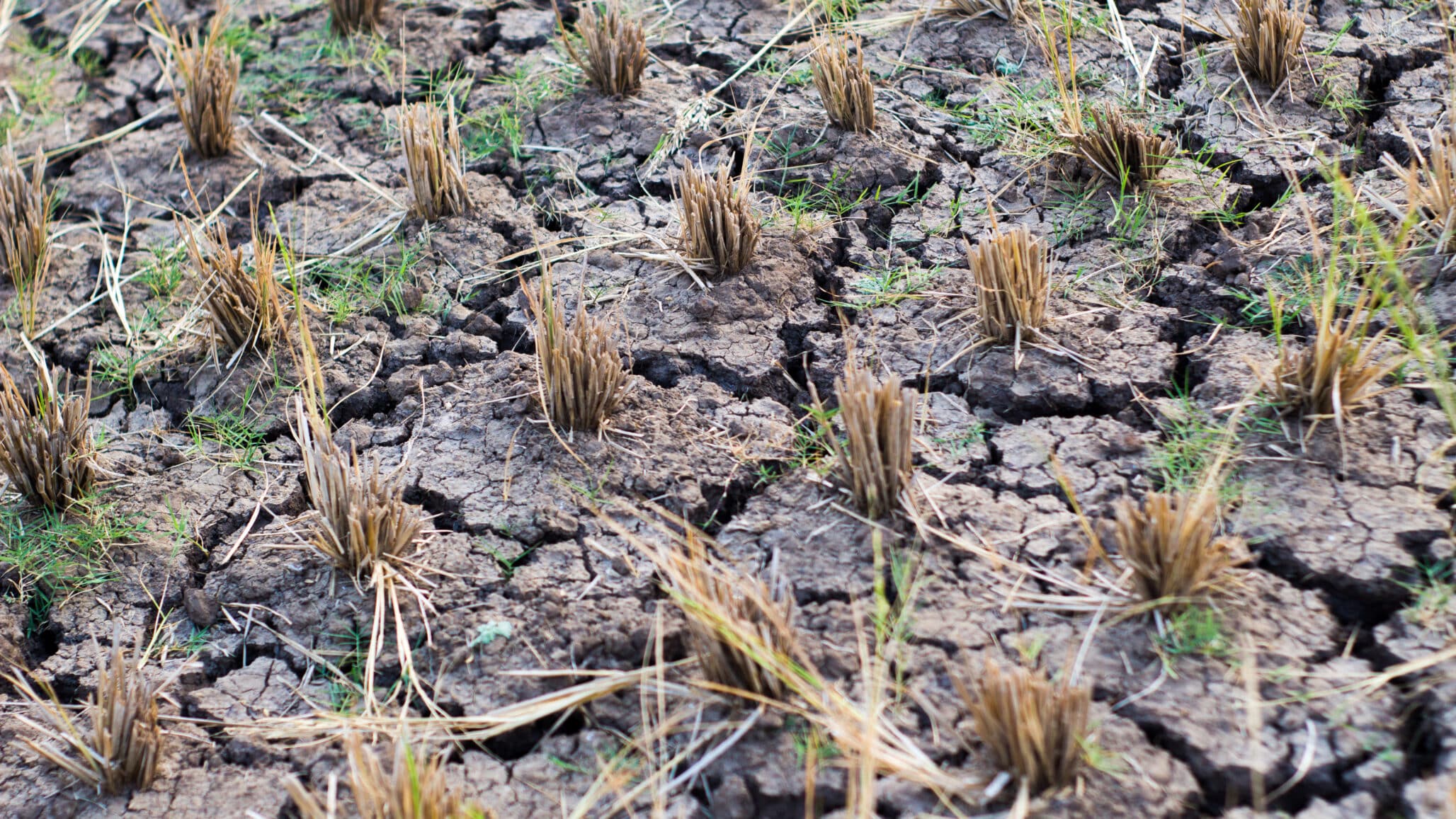
The crop risks assessed include a delayed or irregular start to the rainy season, below-average rainfall, prolonged water deficits, high temperatures, excessive precipitation and severe convective storms.
Potential effects are examined across grains and fibre crops, fruit, vegetables, forestry, pastures, industrial crops and other agricultural production systems.
Recommendations Cover Crop Planning and Field Management
After identifying the potential threats and their effects, the technical note outlines measures for preventing losses, reducing impacts and transferring or accepting remaining risk.
Each recommendation identifies the climate risk it addresses, the conditions required for adoption and whether it should be implemented immediately or over the short, medium or long term.
Measures that apply broadly across crop production include:
- Monitoring weather forecasts and using local meteorological data
- Using Agricultural Climate Risk Zoning
- Diversifying production geographically and across planting periods
- Adopting crop-livestock and crop-livestock-forest integration systems
- Preparing contingency plans for adverse weather
- Maintaining farm infrastructure
- Matching operational capacity to expected field conditions
- Recording weather events and their crop impacts
- Evaluating the cost and level of protection provided by different measures
- Using crop insurance and other risk-transfer mechanisms
- Training farm teams to respond to climate threats
The 139 crop- and sector-specific recommendations address areas such as soil management, cultivar selection, field-operation planning, drainage, irrigation and investment in protective structures.
Research and Policy Support Needed
The technical note also identifies 10 measures that depend on governments, research organizations, financial institutions or agricultural extension services rather than individual producers.
These include strengthening Agricultural Climate Risk Zoning and agrometeorological monitoring, expanding climate-adaptation financing and crop insurance, improving technical assistance and supporting research to develop and validate better-adapted cultivars and technologies.
Other recommendations include improving water-resource management, monitoring adaptation policies, strengthening rural and forest fire prevention and restoring vegetation in areas important to water security.
Regional Crop Guidance Under Development
Embrapa is preparing additional technical notes with recommendations tailored to Brazil’s Southeast, Midwest, Northeast and North regions. Those documents are expected to be published by mid-September.
Guidance for southern Brazil, Actions to Mitigate the Effects of El Niño 2026/2027 on Southern Brazil’s Agriculture, is already available.
The national technical note will also contribute to the El Niño Working Group’s final report, which will draw on information from MAPA, Embrapa, the National Institute of Meteorology, the National Water Agency and the National Institute for Space Research.
Bruno Leite, coordinator of the working group, says Brazil already has technologies capable of helping producers manage El Niño and other adverse weather conditions.
“We already have a very large menu of technologies that help face El Niño and adverse weather events. The challenge now is to make this knowledge reach the rural producer,” he says.